What is a Cover Letter
A cover letter is your first chance to make a great impression on a potential employer. It is a document accompanying your resume when applying for a job, providing an opportunity to introduce yourself, showcase your skills and experience, and express your enthusiasm for the position. Think of it as a personalized introduction that goes beyond the bullet points of your resume, giving you space to tell your story and highlight why you’re the perfect fit. A well-designed cover letter grabs the reader’s attention from the get-go. This guide will help you design a cover letter that stands out. It will help you get your foot in the door and ultimately land you that dream job.
Elements of a Cover Letter
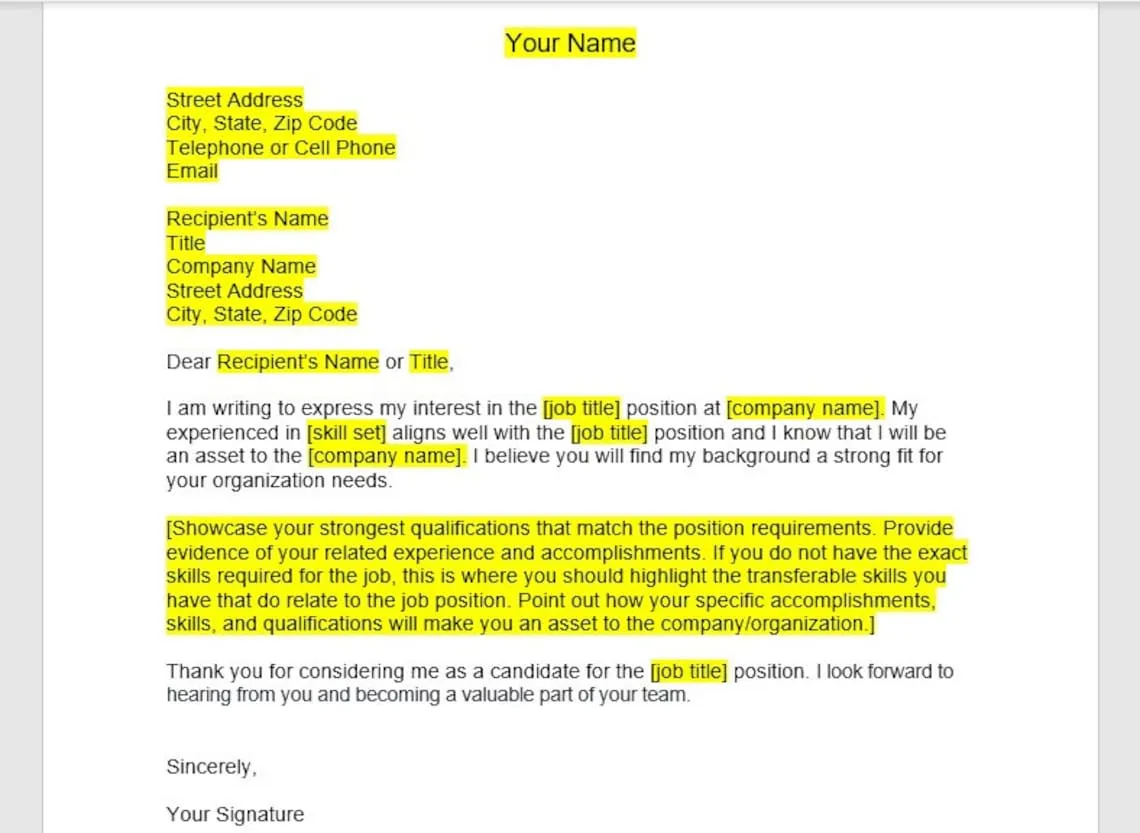
A well-structured cover letter consists of several key elements, each playing a crucial role in communicating your value to the employer. Understanding these elements is essential for crafting a compelling cover letter. The layout generally includes a header, contact information, date, recipient information, a body with opening and closing paragraphs, and your signature. Each section should be carefully crafted to provide a clear, concise, and engaging introduction to your professional self. A well-designed cover letter grabs the reader’s attention from the get-go. This guide will help you design a cover letter that stands out. It will help you get your foot in the door and ultimately land you that dream job.
Header Design

The header is the visual anchor of your cover letter. It sets the tone and establishes your personal brand. It is the very top section of your cover letter that includes your name, address, phone number, and email address. Choose a font and layout that is clean and professional. You can use a simple line or a subtle design element to separate the header from the rest of the content, making it visually appealing without being distracting. The goal is to make it easy for the hiring manager to quickly identify you and how to contact you. A well-designed header helps create a professional appearance, reflecting your attention to detail and organizational skills. Ensure the information is accurate and up-to-date.
Contact Information
Your contact information should be clear, concise, and easy to find. Include your full name, phone number, email address, and optionally, your LinkedIn profile URL. Make sure your email address is professional and easy to remember. Ensure your voicemail is set up properly to provide a professional greeting. Double-check all contact information for accuracy before submitting your cover letter. This will ensure potential employers can reach you quickly and easily. Presenting your contact information in a well-formatted manner shows attention to detail and respect for the recipient’s time.
Date
The date is an important element of your cover letter, usually placed right below your contact information or the recipient’s address. It helps the hiring manager understand when the letter was written. The date should align with the date you are submitting your application. Use a standard format such as Month Day, Year (e.g., October 26, 2023). This simple addition provides context and demonstrates your attention to detail. The date should be clearly visible and easy to read, ensuring your cover letter reflects the current date. By including the date, you are providing the employer with a clear timestamp for your application, showing that it’s current and relevant.
Recipient’s Information

Addressing your cover letter to a specific person shows that you’ve done your research and taken the time to personalize your application. Research the hiring manager’s name and title. If you can’t find a specific name, use a general title like ‘Hiring Manager’ or ‘Recruiting Team’. The recipient’s information should include their name, title, company name, and address. Ensure you use the correct title and spelling of the person’s name. This personalization demonstrates your initiative and attention to detail. This small effort can significantly increase the impact of your cover letter, demonstrating your genuine interest in the position and the company.
Body Paragraphs
The body of your cover letter is where you get to showcase your skills, experiences, and enthusiasm for the job. It’s broken down into three key parts: the opening paragraph, body paragraphs, and the closing. Each section should be carefully crafted to effectively communicate your value and make a lasting impression. Use clear and concise language, and tailor your content to align with the job requirements and company values. Focus on highlighting the achievements and experiences that demonstrate your suitability for the role. Be professional, enthusiastic, and make sure to proofread your letter before submitting to ensure there are no grammatical errors or typos.
Opening Paragraph
Your opening paragraph is your first chance to grab the reader’s attention and set the tone for the rest of your cover letter. Start by clearly stating the position you are applying for and how you learned about it. Briefly mention why you are interested in the role and the company. Consider using a strong opening sentence that captures the reader’s interest. This could be a statement about your most relevant skill or a brief summary of your experience. Keep it concise and engaging. The goal is to make the reader want to keep reading. This crucial first impression helps distinguish you from other applicants, showing your enthusiasm and your understanding of the job requirements.
Highlight Your Skills

The body of your cover letter should highlight your skills and experiences. Tailor your content to match the specific job requirements and the company’s needs. Provide concrete examples of your achievements, using the STAR method (Situation, Task, Action, Result) to demonstrate how you have previously succeeded in similar situations. Quantify your accomplishments whenever possible. For instance, say you ‘increased sales by 15%’ rather than ‘improved sales’. Use keywords from the job description to show that you have the qualifications the employer is looking for. Connect your skills to the specific responsibilities and expectations of the role. Show the employer how your skills align with the company’s needs.
Express Enthusiasm
Expressing enthusiasm for the company and the position is a vital part of your cover letter. Let your genuine interest shine through. Explain why you are excited about the specific opportunity. Mention the company’s mission, values, or any recent achievements that resonate with you. Show you’ve done your research and understand their goals. This demonstrates that you are not just looking for a job but are truly interested in contributing to the company’s success. Highlighting your interest creates a positive impression. This shows you are passionate, motivated, and a good cultural fit. Enthusiasm will help your cover letter stand out.
Call to Action
Your cover letter should include a clear call to action. This guides the reader on what you want them to do next. In your closing paragraph, reiterate your interest in the position. Express your eagerness to discuss your qualifications further. Include a direct request for an interview, such as ‘I am available for an interview at your earliest convenience.’ Provide your contact information again, just in case. Thank the reader for their time and consideration. This closing shows you’re proactive and ensures you leave the hiring manager with a clear understanding of your interest and how to proceed.
Closing

Your closing should be polite and professional. Use a formal closing like ‘Sincerely’ or ‘Best regards.’ Make sure to leave space for your signature. Type your full name below the closing. Review everything one last time for any errors or omissions. A strong closing paragraph reaffirms your enthusiasm and makes the application process easier for the hiring manager. Ensure the closing aligns with the tone of your letter and reflects your personality. A well-crafted closing leaves a lasting impression, and it encourages the employer to respond.
Formatting and Design Tips
Effective formatting and design are crucial for making your cover letter easy to read and visually appealing. A well-designed cover letter increases the likelihood of getting noticed. Proper formatting ensures your key information is presented clearly and concisely. Attention to detail shows your professionalism and enhances the overall impact of your application. By mastering these formatting techniques, you can create a cover letter that stands out.
Font Selection
Choosing the right font is essential for readability and professionalism. Select a font that is easy on the eyes. Arial, Calibri, Times New Roman, and Helvetica are standard and safe choices. Keep the font size between 10 and 12 points. Avoid overly decorative or complex fonts that might be hard to read. Maintain consistency throughout your cover letter, using the same font for your header, body text, and closing. This ensures a cohesive and professional look. Use bold or italics sparingly, to highlight key information only. A well-chosen font reflects your attention to detail and respect for the reader’s time.
Layout and White Space

Layout and white space play a crucial role in the overall design of your cover letter. Proper layout keeps your cover letter organized and easy to scan. Use margins of at least one inch on all sides of your document. Use single-spacing within paragraphs and double-spacing between paragraphs. This spacing keeps your letter from appearing cluttered. Use bullet points or numbered lists to highlight skills or achievements. Ensure your content is well-aligned to maintain a clean and organized appearance. White space around the text prevents the page from looking dense, making it more inviting for the reader. A well-designed layout with ample white space enhances readability and makes your cover letter look professional.
Color Palette
When using color in your cover letter, it is important to keep it professional. Using a limited color palette adds visual appeal without overwhelming the reader. Stick to a maximum of two or three colors. Choose a neutral background color, such as white or light gray. Use a darker color for the text, such as black or navy blue, to ensure readability. Use an accent color sparingly for headers or highlights. Avoid bright or neon colors that could be distracting. A well-chosen color palette enhances your brand. This adds a touch of personality while maintaining a professional appearance. Choose colors that are visually appealing and align with the company’s brand if known.
Choosing the Right Template
Selecting the right template can significantly streamline the cover letter design process. A good template provides a structured format. This saves you time and helps you create a polished and professional document. Use the template as a foundation. Then, customize it to reflect your personal brand and the requirements of the job application. Understanding the different template options helps you choose one that is most effective for your needs. Choosing the right template streamlines the cover letter design process and helps you create a professional and polished document.
Cover Letter Template Options

Cover letter templates come in various styles. Understanding these options will help you to choose the most appropriate one for your needs. Some templates offer a classic, minimalist design. These are great for traditional industries. Modern templates often incorporate subtle design elements and bold fonts. Creative templates use more unique layouts and design elements. Some templates are available in different formats. Word documents are easy to edit, while PDF files preserve the formatting. Consider your industry, the job requirements, and your personal brand when choosing. Pick a template that suits your style and helps you stand out in a positive way.
Simple Cover Letter Templates
Simple cover letter templates offer a clean, uncluttered look. These are ideal for professionals who want to showcase their skills and experience. These templates typically feature a straightforward layout with a clear header, body paragraphs, and closing. They use a simple font and minimal design elements. These templates emphasize content. They provide a direct and professional presentation. They are generally easy to customize, making them a perfect choice. They work well for a variety of industries, including corporate, finance, and education. These templates keep the focus on your qualifications. They leave a lasting positive impression, showcasing your professionalism and clarity.
Modern Cover Letter Templates
Modern cover letter templates incorporate contemporary design elements and layouts. They offer a balance between professionalism and visual appeal. These templates often use a combination of fonts, and design elements to create a more visually engaging experience. Modern templates have a more dynamic structure. They are often suitable for industries where a degree of creativity is appreciated, like design or marketing. These templates help you make a great first impression. They show that you stay current with design trends, and they are a good way to showcase your brand.
Creative Cover Letter Templates
Creative cover letter templates allow you to express your personality and style. These templates often use unique layouts, color schemes, and fonts. They can include graphic elements or custom formatting to make your letter stand out. These templates are best suited for creative industries like design, advertising, or the arts. When using a creative template, it’s important to ensure that your letter remains professional and easy to read. The goal is to show your personality. You want to make a memorable impression without distracting from your qualifications. Creative cover letter templates are a way to showcase your personality. They can help you gain attention from recruiters.
Proofreading and Editing
Proofreading and editing your cover letter is essential. It ensures that your application is free from errors and mistakes. This step demonstrates your attention to detail, and reflects professionalism. Carefully review your cover letter for any typos, spelling mistakes, and grammatical errors. Read through your letter multiple times. Proofread your work, or have someone else review it to catch mistakes. Use spell-check and grammar-check tools. Make sure you check the details. Ensure your contact information, company names, and job titles are accurate. A polished cover letter is essential to a successful job application.
Final Review
Before submitting your cover letter, conduct a final review. Make sure your content and formatting are perfect. Ensure that your cover letter aligns with your resume. Check to make sure that your accomplishments, and skills match the job description. Review your cover letter. The goal is to make a great first impression on recruiters. A well-edited cover letter shows attention to detail and professionalism. The final review ensures you are presenting your best self. By completing this step, you increase your chances of landing that dream job.
Common Mistakes to Avoid
Avoiding common mistakes can make your cover letter more effective. By preventing these errors, you can create a great impression on the hiring manager. Make sure your cover letter is tailored. Do not use a generic cover letter. It is important to avoid common mistakes to showcase your professionalism. This helps your application stand out. Avoiding these mistakes increases the chances of getting your foot in the door.
- Typos and Grammatical Errors: Always proofread your cover letter.
- Generic Content: Customize each letter to match the job description and company.
- Ignoring the Job Description: Highlight relevant skills and experiences.
- Using Too Much Jargon: Use clear, concise language.
- Making It Too Long: Keep it concise. Focus on your relevant experience.