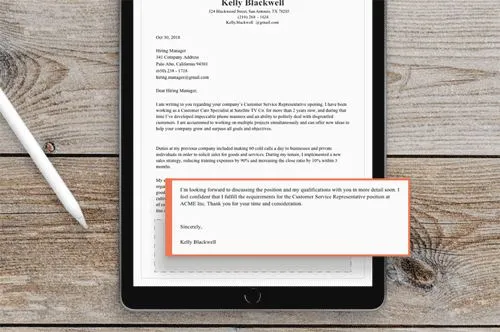
Cover Letter Closing: The Importance
The ending of your cover letter is often the last impression you leave on a potential employer. Think of it as the final pitch, the chance to solidify your interest and make a lasting impact. A well-crafted closing can be the difference between getting an interview and being overlooked. It’s not just a formality; it’s a critical opportunity to reiterate your value, express your enthusiasm, and clearly communicate your next steps. Many applicants focus solely on the body of their cover letter, overlooking the importance of a strong conclusion. However, a powerful closing can significantly increase your chances of getting noticed and moving forward in the hiring process. Therefore, dedicating time and thought to your cover letter ending is a crucial step in any successful job application. This is where you can truly shine and separate yourself from the competition.
Why Your Cover Letter Ending Matters
Your cover letter ending matters because it’s the final piece of the puzzle in the eyes of the hiring manager. It reinforces your key skills and qualifications, reminds the reader of your enthusiasm, and encourages them to take action. A weak or generic closing can undermine the impact of a well-written letter, making it seem like you’re not truly invested in the opportunity. A strong ending, on the other hand, shows that you’ve put thought into your application and that you’re serious about the position. This is especially important in today’s competitive job market. Employers are looking for candidates who are not only qualified but also demonstrate genuine interest and a proactive attitude. A well-crafted closing can help you stand out from other applicants and make a positive impression. It’s also your last opportunity to address any concerns or gaps in your application. The way you end your letter speaks volumes about your attention to detail and your ability to communicate effectively.
Make a Great Impression

To make a great impression, your cover letter ending should be concise, professional, and tailored to the specific job and company. Avoid generic phrases and instead, personalize your closing to reflect your unique skills, experiences, and the specific requirements of the role. Use a confident and enthusiastic tone that reflects your genuine interest in the position. Summarize your key qualifications briefly, and reiterate your understanding of the company’s needs. This shows the hiring manager that you’ve done your research and are genuinely interested in the opportunity. Proofread your closing carefully for any errors in grammar or spelling, as this is your last chance to ensure your application is polished and professional. Consider adding a call to action that encourages the hiring manager to contact you. This demonstrates your proactive nature and makes it easy for them to take the next step. A well-crafted ending can be the final push that secures your interview and helps you get closer to your career goals.
Common Cover Letter Closing Mistakes
Many applicants make common mistakes in their cover letter closing that can negatively impact their chances of getting an interview. One of the most frequent errors is using generic or cliché phrases, such as “Thank you for your time and consideration.” These phrases lack originality and fail to convey genuine enthusiasm. Another common mistake is failing to tailor the closing to the specific job or company. This makes it seem like you’re sending out a generic application, rather than expressing a sincere interest in the specific role. Another common error is not including a call to action, which makes it unclear what you want the hiring manager to do next. Other mistakes include being too wordy, using a passive tone, or ending your letter with a lack of confidence. Avoiding these common errors is essential for creating a cover letter ending that stands out and makes a positive impression. Take the time to personalize your closing, inject some enthusiasm, and include a clear call to action.
Avoid These Errors at All Costs
To ensure your cover letter ending is effective, there are certain pitfalls to avoid. One is sounding too desperate or overly enthusiastic. While showing enthusiasm is important, avoid appearing overly eager or desperate, as it can come across as unprofessional. Another is using negative language or making excuses. Focus on your strengths and achievements instead of dwelling on any perceived weaknesses or gaps in your experience. Avoid rehashing information already stated in your letter. Your closing should summarize your key qualifications briefly and highlight your value proposition. Don’t be too casual or informal. Maintain a professional tone throughout your letter, including the closing. Avoid slang, abbreviations, or overly friendly language. Make sure not to mention salary expectations at the end of the letter. This is generally best left for the interview stage. Proofread carefully for errors in grammar and spelling. A polished and error-free closing will make a positive impression and reflect your attention to detail.
Ending Section to Avoid

There are certain types of cover letter endings you should avoid to maintain professionalism and make the best possible impression. Avoid overly casual or informal closings that use slang or colloquial language. Your cover letter is a formal business document. Do not use a generic or impersonal closing such as “To whom it may concern” or “Sincerely.” These closings fail to personalize the letter. Avoid ending with apologies or excuses. Focus on your qualifications and skills, rather than dwelling on any shortcomings or gaps in your experience. Do not end your cover letter by stating you’re available to start immediately unless the job description specifically mentions this requirement. Keep the tone positive and professional, expressing enthusiasm for the opportunity, but avoid sounding overly eager or desperate. Do not include information that is not relevant to the job or company. Keep the focus on your qualifications and the value you can bring.
How to Write a Call to Action
A call to action (CTA) is a crucial element of a strong cover letter ending, as it tells the hiring manager what you want them to do next. It’s a clear and concise instruction that encourages them to take action, whether it’s contacting you for an interview or reviewing your resume more closely. When writing your CTA, be direct and specific about the action you want the hiring manager to take. This can be achieved through carefully considered word choices. Use strong, action-oriented verbs to prompt the reader. For instance, instead of saying “I hope to hear from you soon,” try “I welcome the opportunity to discuss my qualifications further in an interview.” Make it easy for the hiring manager to contact you by including your phone number and email address, particularly if they are not readily available in the header or footer. Tailor your CTA to the specific job and company. If the job posting mentions a specific skill or requirement, address it directly in your CTA. The goal is to guide the hiring manager to the next step seamlessly.
What is a Call to Action?
A Call to Action (CTA) in a cover letter is a statement or phrase that prompts the reader to take a specific action. The main purpose of a CTA is to guide the hiring manager towards the next step in the application process, making it clear what you want them to do. Effective CTAs are direct, specific, and encourage the reader to engage with your application further. The importance of a CTA should never be underestimated. Without a clear CTA, the hiring manager might simply finish reading your cover letter and move on without a clear understanding of what they should do next. Your CTA is the final push. A good CTA reinforces your interest in the position and encourages the hiring manager to take the next step, ultimately increasing your chances of getting an interview. By including a well-crafted CTA, you are actively managing the hiring process and demonstrating your proactive approach.
Examples of Effective CTAs

When crafting your call to action, focus on providing clear and actionable instructions. A straightforward approach is to express your enthusiasm and availability for an interview. For instance, “I am eager to discuss how my skills and experience can contribute to your team. I am available for an interview at your earliest convenience.” Another effective approach is to tailor the CTA to the specific role or company. If the job posting mentions a specific project or challenge, mention how your skills align with it and encourage the hiring manager to review your resume. You might say “I am particularly excited about the opportunity to [mention specific project or challenge]. My resume provides additional details on my qualifications.” Always include your contact information and make it easy for the hiring manager to get in touch. Examples include: “Thank you for your consideration. I look forward to hearing from you. You can reach me at [your email address] or [your phone number].”
Offering to Provide More Information
In some situations, it may be beneficial to offer to provide more information or elaborate on certain aspects of your qualifications. This shows that you are proactive and willing to go the extra mile to demonstrate your suitability for the position. You might say, “I am happy to provide additional information about my experience with [relevant skill or project] during an interview.” This can be particularly useful if the job description requires skills or experience that are not fully covered in your resume or cover letter. If you have specific projects or accomplishments that are particularly relevant, you might mention them and offer to share more details. For instance, “I would be glad to elaborate on my work on [specific project] and discuss how it aligns with the needs of this role.” This approach allows you to showcase your expertise and highlight the value you can bring to the company.
Stating Your Interest and Enthusiasm
Expressing your genuine interest and enthusiasm is a critical part of a compelling cover letter closing. This is your last opportunity to reaffirm why you are excited about the opportunity and to leave a positive impression on the hiring manager. Your enthusiasm should be sincere. Avoid generic phrases and instead, personalize your closing to reflect what specifically excites you about the company or the role. Mention a specific aspect of the job or the company culture that resonates with you. This demonstrates that you have done your research and are genuinely interested in the opportunity. Use strong, positive language that reflects your enthusiasm and confidence. Choose words and phrases that convey your excitement, like “I am eager to,” “I am enthusiastic about,” or “I am particularly excited about.” Expressing your genuine enthusiasm is an essential part of the job application process. Use this chance to express your interest and make a positive impression.
Expressing Gratitude

Expressing gratitude is an important part of ending a cover letter professionally. Thank the hiring manager for their time and consideration. This demonstrates respect and appreciation for the opportunity. Keep your expression of gratitude sincere and genuine. Avoid using generic or overly formal phrases. Consider tailoring your thanks to the specific job or company. You can thank the hiring manager for their time, and express your appreciation for their consideration. This shows that you value the opportunity and are mindful of their busy schedule. A sincere expression of gratitude can leave a positive impression. When expressing gratitude, be sure to avoid sounding overly formal or generic. Your goal is to convey genuine appreciation in a way that complements the rest of your cover letter. Use a tone that fits the company’s culture, making sure your closing is professional and shows you are grateful for the opportunity.
Reviewing the Best Closing Options
The best closing options for your cover letter are those that effectively communicate your interest, reiterate your value, and encourage the hiring manager to take action. Start by expressing your gratitude. A simple “Thank you for your time and consideration” is always a good starting point. Reiterate your interest in the position. Express enthusiasm and highlight the aspects of the job or company that excite you. Summarize your key qualifications briefly. Briefly mention your most relevant skills and experience to remind the hiring manager of your value. Include a clear call to action. Instruct the hiring manager on the next step you would like them to take, such as contacting you for an interview or reviewing your resume. Close with a professional sign-off. Using “Sincerely” or “Best regards” are common choices. Tailor your closing to the specific job and company. This shows you’ve done your research and are genuinely interested in the opportunity. The best closing is one that is customized, relevant, and encourages the hiring manager to take the next step.
The Perfect Cover Letter Ending for You
Crafting the perfect cover letter ending depends on your personal style, the specific job, and the company culture. Focus on the following key elements for a strong and effective closing. Reiterate your interest and enthusiasm. Mention what you find most exciting about the opportunity and the company. Summarize your key qualifications. Briefly remind the hiring manager of your most relevant skills and experiences. Include a clear and direct call to action. Instruct the hiring manager on what you want them to do next, such as scheduling an interview. Express your gratitude for their time and consideration. Keep your language professional and concise. Avoid clichés, generic phrases, and overly casual language. Proofread your closing carefully for any errors in grammar or spelling. Ensure your closing complements the overall tone and style of your cover letter. Your perfect cover letter ending will be one that accurately reflects your personality, professionalism, and genuine interest in the job. Tailor it to each application to make sure it resonates with the hiring manager and helps you get one step closer to your career goals.