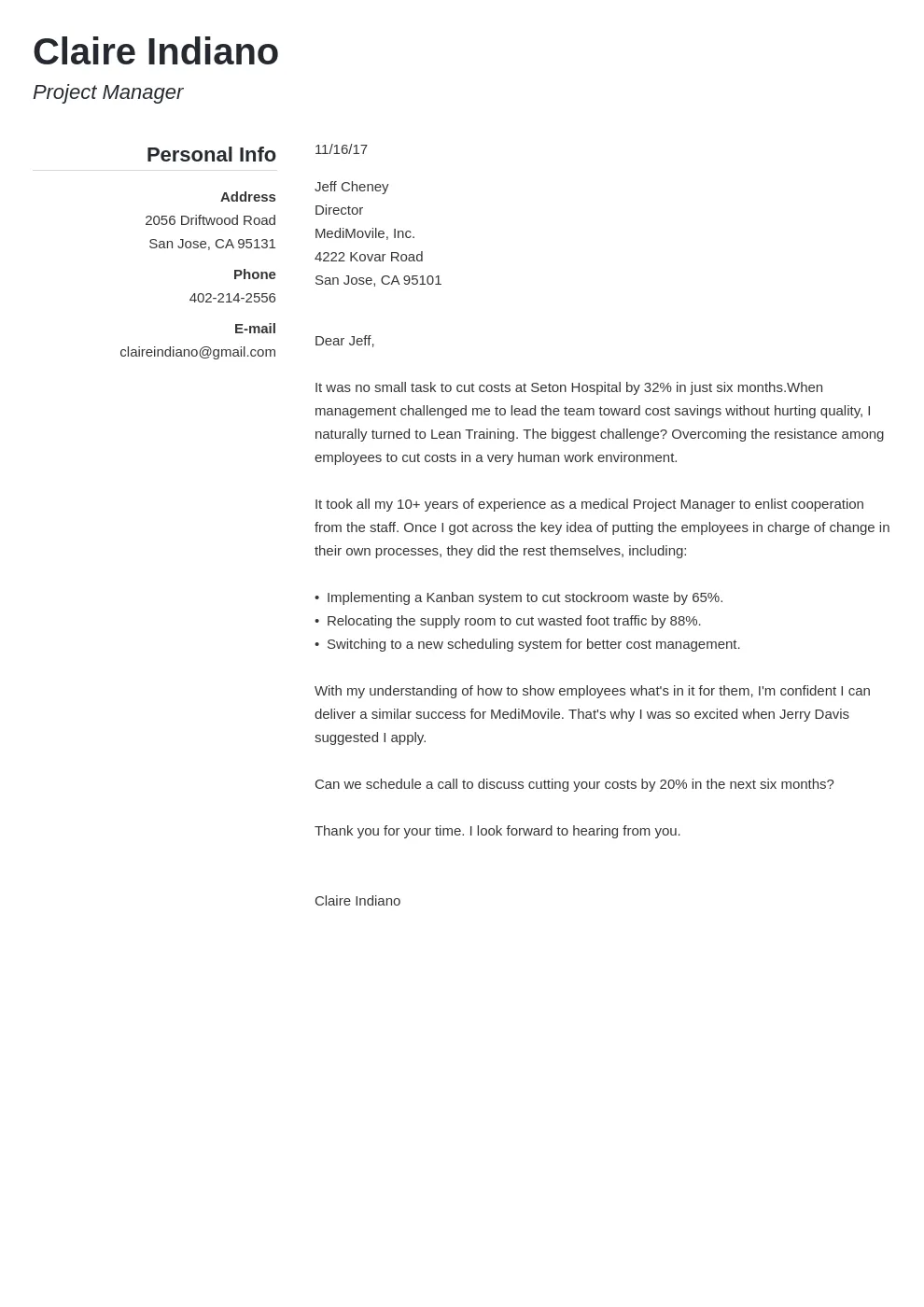
Understand the Purpose of a Cover Letter
Before diving into how to introduce yourself, it’s crucial to grasp the fundamental purpose of a cover letter. A cover letter serves as your personalized marketing document, providing an opportunity to introduce yourself beyond the confines of your resume. It’s your chance to connect with the hiring manager on a more personal level, demonstrating your enthusiasm for the role and the company. Unlike a resume, which primarily lists your skills and experience, a cover letter allows you to explain why you’re the perfect fit, highlighting your personality, passion, and understanding of the job requirements. It’s a space to expand on your qualifications and to showcase your communication skills. A well-crafted cover letter introduction sets the tone for the rest of the document, making the hiring manager eager to learn more about you and what you can bring to the table. Mastering the art of the cover letter intro can significantly increase your chances of landing an interview.
Highlight Your Key Strengths
Your cover letter introduction is the perfect place to showcase your key strengths, making a compelling case for why you’re the ideal candidate. Think of this section as your elevator pitch, where you quickly and effectively communicate your most relevant skills and attributes. Start by identifying the skills and qualifications most important for the role you’re applying for. Then, weave these strengths into your introduction in a way that naturally showcases how you align with the job’s requirements. For instance, if the job description emphasizes problem-solving skills, you might introduce yourself by highlighting your ability to develop innovative solutions. Use action verbs to bring your strengths to life, providing a sense of your proactive approach. Keep it concise, focusing on a few key strengths that directly relate to the position. By strategically presenting your skills in the introduction, you immediately capture the hiring manager’s attention and set the stage for a successful application.
Focus on Relevant Experience

When introducing yourself, focus on relevant experience to immediately establish your qualifications. Begin by mentioning your most pertinent experience to show how it aligns with the job’s requirements. For example, if you’re applying for a marketing position, highlight previous experience in marketing campaigns and strategies. Tailor your introduction by directly referencing the skills and duties mentioned in the job description to demonstrate your targeted understanding of the role. Be specific about your accomplishments, showcasing the impact of your experience with quantifiable results whenever possible. Did you increase sales by a certain percentage or streamline a process? These specific examples offer concrete evidence of your abilities. This approach gives the hiring manager a clear understanding of your background, emphasizing that you possess the necessary skills and experience to excel in the position.
Customize Your Introduction
A generic, one-size-fits-all cover letter introduction will likely end up in the discard pile. The key to making a memorable impression is to customize your introduction for each job you apply for. Start by carefully reviewing the job description and identifying the specific requirements, skills, and keywords. Then, tailor your introduction to directly address these needs. Mention the company name and the specific position you’re applying for to show your genuine interest. Research the company and reference something that resonates with their mission, values, or recent accomplishments. Doing so demonstrates your understanding of the company’s culture and your commitment to their goals. This personalized approach shows that you’ve put in the effort to tailor your application, making a strong impression on the hiring manager and increasing your chances of success.
Research the Company
Before crafting your cover letter introduction, researching the company is crucial for demonstrating your genuine interest and understanding of their values and goals. Visit the company’s website, explore their ‘About Us’ section, and examine their mission statement to understand their culture, values, and objectives. Review their recent press releases and news articles to stay informed about their latest achievements and developments. Look at their social media presence to gain insights into their brand and workplace environment. Incorporate your findings into your introduction by mentioning specific company projects, values, or initiatives that resonate with you. By showcasing your knowledge of the company, you demonstrate your dedication and show you are interested in more than just a job. Research creates a stronger connection and makes a positive impression on the hiring manager.
Tailor to the Job Description

Tailoring your cover letter introduction to the job description is vital to show that you’re a perfect fit. The job description is your roadmap; carefully read it to identify the key requirements, skills, and desired qualifications. Incorporate these keywords and phrases naturally into your introduction. Highlight your relevant experiences and skills. Show a clear connection between your background and the responsibilities outlined in the job description. If the job requires project management skills, highlight your experience with successful project execution. If teamwork is a key requirement, share examples of collaborative successes. The goal is to instantly show the hiring manager that you meet the requirements, demonstrating your ability to excel. A customized introduction makes a compelling case for your candidacy.
Showcase Enthusiasm and Interest
Enthusiasm and interest in the role and the company are essential ingredients for a compelling cover letter introduction. Express your genuine excitement about the job and the opportunity to contribute to the organization. Use strong, positive language that reflects your passion and eagerness. Share your interest in the company’s mission, values, or recent achievements to show you’ve researched the company. Demonstrate your enthusiasm by explaining why the role appeals to you and what excites you about the prospect of joining their team. This can include your interest in the company’s industry, culture, or specific projects. A genuine display of interest will grab the hiring manager’s attention and make them want to learn more. Let your personality shine through to make a lasting impression.
Express Genuine Interest in the Role
A cover letter introduction is a great way to express genuine interest in the role. Go beyond just stating you are interested; explain why the role excites you. Mention specific aspects of the job that resonate with your skills and career goals. Reference particular responsibilities or projects that align with your passions and expertise. Connect your interest to the company’s mission or values. This shows that you understand the role’s significance within the larger context of the organization. By demonstrating your deep understanding of the role and your genuine desire to excel, you make a strong case. This thoughtful approach shows that you are motivated and prepared to contribute, increasing the likelihood of securing an interview.
Demonstrate Your Knowledge of the Company

Demonstrate your knowledge of the company to demonstrate that you have done your research. Reference their products, services, or recent achievements. Show you understand their mission, values, or company culture. Demonstrate how your skills and experiences align with their goals. Mention their recent projects or initiatives and show how you would contribute. This personalized touch proves that you’re interested in more than just a job and have a genuine desire to contribute to the company’s success. Doing so demonstrates your commitment and attention to detail, which can set you apart. It makes your application more engaging and memorable, making a positive impression on the hiring manager.
Keep it Concise and Engaging
A cover letter introduction should be concise and engaging to capture the hiring manager’s attention immediately. Aim for brevity, as hiring managers often have limited time. Get to the point quickly by summarizing your key qualifications and expressing your interest in the role. Use strong, active language to make your introduction compelling. Make sure that your opening paragraph is focused, clear, and free of unnecessary details. A well-crafted, engaging introduction piques the hiring manager’s curiosity and makes them want to read on, ultimately increasing your chances of success. A strong opening paragraph will show that you respect their time while making your case.
The Ideal Length
The ideal length for a cover letter introduction is concise and to the point. Aim for a paragraph of three to four sentences. This length allows you to effectively introduce yourself, highlight your key qualifications, and express your interest in the role without overwhelming the reader. Begin by stating the position you’re applying for and the source of the job posting. Quickly summarize your most relevant experience and skills that align with the job’s requirements. End with a strong statement expressing your enthusiasm and desire to learn more. This approach ensures you capture the hiring manager’s attention immediately, providing a clear overview of your qualifications. By keeping your introduction brief, you respect the hiring manager’s time and maintain their interest.
Use Action-Oriented Language

Using action-oriented language in your cover letter introduction is crucial for making a dynamic impression. Use powerful action verbs to describe your skills and achievements. Instead of stating you ‘were responsible for,’ use verbs such as ‘managed,’ ’led,’ ‘developed,’ or ‘achieved’. This style makes your introduction more vivid and engaging, showing you’re proactive and results-oriented. Quantify your achievements whenever possible; this provides concrete evidence of your skills. For example, instead of writing ‘improved sales,’ you might say ‘increased sales by 15%’. These details bring your experiences to life, showing the hiring manager the impact of your actions. Action-oriented language makes your introduction memorable and demonstrates your ability to deliver results, setting you apart from other candidates.
Proofread and Edit
Proofreading and editing your cover letter introduction is essential to ensure it presents you in the best possible light. Errors can undermine your credibility and make a negative impression on the hiring manager. Begin by thoroughly reviewing your introduction for any grammatical errors, spelling mistakes, and typos. Check for punctuation and sentence structure issues that might affect clarity. After proofreading, edit for clarity and flow, refining sentences to make them as concise and effective as possible. Ensure your language is polished, professional, and free of jargon or slang. Read your introduction aloud to catch any awkward phrasing or inconsistencies. Finally, consider asking a friend, family member, or career counselor to review your introduction for a fresh perspective. A well-proofread and edited introduction shows your attention to detail and commitment to excellence, leaving a positive lasting impression.
Check for Grammatical Errors
Carefully checking for grammatical errors is a critical step in polishing your cover letter introduction. Grammar mistakes can distract the reader and diminish your professionalism. Review your introduction for correct subject-verb agreement, proper tense usage, and accurate pronoun references. Ensure all words are spelled correctly, paying attention to homophones like ’there,’ ’their,’ and ’they’re’. Use grammar-checking tools, but always double-check their suggestions. Misplaced commas or missing punctuation can change the meaning of your sentences. A grammatically correct introduction demonstrates attention to detail and shows you can communicate clearly and effectively. It ensures your message is conveyed as intended, increasing your chances of a favorable impression on the hiring manager. Make it a habit to proofread and edit for grammar before submitting your application.
Ensure Clarity and Flow

Ensuring clarity and flow in your cover letter introduction is key to making a positive first impression. The introduction should be easy to understand and logically structured. Start with a clear and concise statement of your purpose and the position you are applying for. Use well-organized paragraphs and transition smoothly between ideas. Avoid long, complex sentences that can confuse the reader. Instead, use shorter, active sentences to maintain the reader’s attention. Make sure your introduction flows naturally, building a cohesive narrative that highlights your relevant skills and experiences. Read your introduction aloud to identify any awkward phrasing or areas where the flow could be improved. A clear and well-flowing introduction shows you can communicate effectively and helps the hiring manager easily grasp your qualifications and enthusiasm, setting a strong foundation for your application.