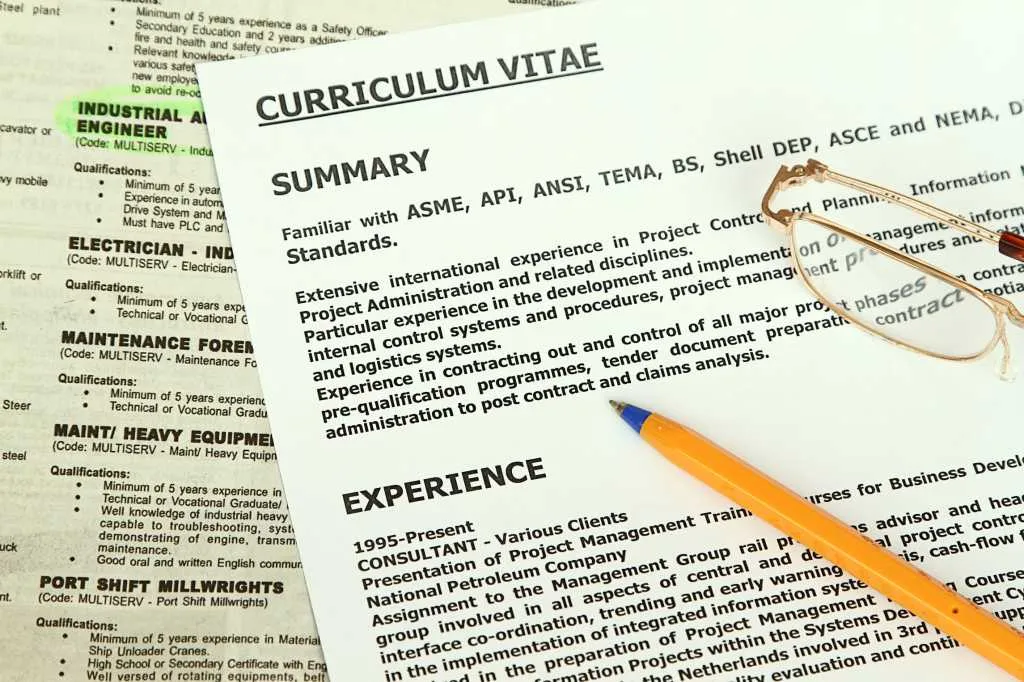
Why Cover Letters Matter
In today’s competitive job market, a well-crafted cover letter can be the difference between landing an interview and being overlooked. While your resume provides a snapshot of your skills and experience, the cover letter offers a unique opportunity to tell your story, showcase your personality, and demonstrate why you are the perfect fit for a particular role and company. It’s your chance to make a memorable first impression and convince the hiring manager to delve deeper into your qualifications. Many job seekers underestimate the power of a cover letter, but a compelling one can significantly increase your chances of getting noticed. It allows you to expand on your resume, providing context and demonstrating your genuine interest in the position. A cover letter also shows you’ve taken the time and effort to tailor your application to the specific job, which is highly valued by recruiters. Therefore, invest time in crafting a strong cover letter – it’s an investment in your future.
Grabbing Attention with Your Opening
The opening paragraph of your cover letter is arguably the most critical. It’s your first and potentially only chance to grab the hiring manager’s attention and entice them to read further. Avoid generic openings like “I am writing to express my interest…” Instead, aim for something that immediately captures interest. Consider starting with a strong statement of purpose, highlighting a specific achievement, or mentioning something that connects you directly to the company or the role. If you’ve been referred by someone, mentioning that connection immediately can be beneficial. Another effective approach is to express your enthusiasm for the company’s mission or a recent project. The goal is to make your opening compelling, personalized, and relevant to the job. Remember, the opening sets the tone for the entire letter, so make it count. Tailor each opening to the specific job and company to maximize its impact. This initial hook should demonstrate your understanding of the role and why you are excited about the opportunity, making the hiring manager eager to learn more about you.
Highlight Your Key Skills and Experience

Your cover letter should serve as a bridge between your skills and the requirements of the job. Instead of simply restating your resume, use the cover letter to elaborate on your key skills and experience. Identify the most important skills and qualifications mentioned in the job description, and then provide specific examples of how you’ve demonstrated those skills in past roles or projects. Use the STAR method (Situation, Task, Action, Result) to structure your examples, providing a clear and concise narrative that showcases your achievements. Quantify your accomplishments whenever possible. This provides concrete evidence of your capabilities and makes your claims more credible. For example, instead of saying “I improved customer satisfaction,” you could say, “I increased customer satisfaction scores by 15% within six months by implementing a new feedback system.” By focusing on the skills and experiences most relevant to the job, you demonstrate that you understand the role and are prepared to excel in it. Customize this section for each application, ensuring that the skills highlighted directly align with the job’s needs.
Tailoring Your Letter to the Job Description
One of the biggest mistakes job seekers make is sending out generic cover letters. Customizing your cover letter for each job application is crucial for demonstrating your genuine interest and suitability for the role. Begin by carefully reading the job description, identifying the key requirements, and understanding the company’s values and culture. Then, tailor your letter to address those specific points. Highlight the skills and experiences that align with the job’s needs, and provide examples of how you have successfully used those skills in the past. Research the company to understand its mission, values, and recent activities. Show that you’ve done your homework by mentioning something specific about the company that resonates with you. This could be a recent project, a company value, or even an accomplishment. This personalization shows the hiring manager that you are genuinely interested in the position and have taken the time to understand the opportunity. Avoid using a template without making significant changes. Generic content signals a lack of effort and interest, which can quickly lead to rejection. Instead, treat each cover letter as a unique opportunity to connect with the employer and showcase why you are the best candidate.
Showcasing Achievements with Numbers
Numbers speak louder than words. Whenever possible, quantify your achievements in your cover letter. Instead of making vague claims about your skills, provide concrete evidence of your accomplishments using metrics and data. This adds credibility to your claims and allows the hiring manager to understand the tangible impact you’ve made in previous roles. For example, instead of saying “I improved sales,” you could say “Increased sales by 20% in one quarter by implementing a new sales strategy.” Using numbers demonstrates your ability to achieve results and provides a clear understanding of your capabilities. Consider the specific results you delivered in past roles that align with the job requirements. Think about the size of the projects you managed, the budgets you handled, the number of people you supervised, or the percentage improvements you achieved. These details help to paint a clear picture of your qualifications and make your application stand out. Ensure that the numbers you use are accurate and relevant to the job you are applying for. This approach will make your cover letter more compelling and increase your chances of getting an interview.
Demonstrating Company Research and Enthusiasm

Demonstrating that you’ve done your research is a key element of a strong cover letter. Before writing, thoroughly research the company. Understand its mission, values, products/services, and recent news or achievements. Showing this knowledge proves you’re genuinely interested and not just sending a generic application. Mention specific aspects of the company that appeal to you. This could be a specific project, a company culture, or a recent award. This shows you have a genuine interest in the position and are not just applying for any job. Express your enthusiasm for the opportunity. Clearly articulate why you are excited about the role and what you hope to achieve if hired. This enthusiasm is contagious and can make a positive impression on the hiring manager. Mentioning how your skills and experience align with the company’s needs and goals can show how you can contribute to their success. By demonstrating that you understand the company and are excited about the opportunity, you make a strong case for why you should be considered for the role.
Formatting and Proofreading for a Professional Look
A polished cover letter reflects your attention to detail and professionalism. Pay close attention to formatting to ensure your letter is easy to read and visually appealing. Use a standard font like Arial or Times New Roman, with a font size between 10 and 12 points. Keep the letter concise and to the point, aiming for no more than one page. Use clear and concise language, avoiding jargon or overly complex sentences. Proper formatting enhances readability and shows your commitment to quality. The layout should be clean and organized. Use headings and bullet points where appropriate to break up large blocks of text and make your letter more scannable. Ensure your letter is free of any grammatical errors, spelling mistakes, or typos. Proofread multiple times, and consider having someone else review it as well. These errors can create a negative impression and undermine your credibility. A well-formatted and carefully proofread cover letter shows that you take the application process seriously and are committed to presenting yourself professionally. This attention to detail can significantly improve your chances of success.
Formatting Cover Letter
Proper formatting is essential for a professional-looking cover letter. The format should be clear, easy to read, and visually appealing. Start with your contact information at the top, including your name, address, phone number, and email. Below this, add the date and the recipient’s contact information, including their name, title, and company address. Use a standard business letter format with single spacing and left alignment. Keep the letter concise, ideally one page, and use headings and bullet points to organize information. Use a professional font like Arial or Times New Roman, sized between 10 and 12 points. Maintain consistent spacing and use appropriate margins to make the letter visually appealing. Ensure there are clear paragraphs to break up text and make the content easy to digest. By following these formatting guidelines, you create a well-structured, readable cover letter that demonstrates professionalism and attention to detail. This effort enhances the overall impact of your application.
Proofreading and Editing

Proofreading is a non-negotiable step in the cover letter writing process. Thoroughly proofread your letter to catch any grammatical errors, spelling mistakes, or typos. These errors can undermine your credibility and make a negative impression. Read the letter aloud to help identify any awkward phrasing or unclear sentences. Consider using a grammar checker tool, but don’t rely on it completely. Have someone else review your letter. A fresh pair of eyes can often catch errors that you might have missed. Ensure that all names, titles, and company details are correct. Verify all dates, numbers, and other specific information. Make sure your letter is free of any formatting inconsistencies, such as incorrect spacing or font variations. Proofreading and editing demonstrate your attention to detail and commitment to producing high-quality work. This careful attention can significantly improve your chances of success and leave a positive impression on the hiring manager.
Call to Action and Closing Your Letter
The closing of your cover letter is your last chance to make a strong impression and encourage the hiring manager to take action. Clearly state your interest in the position and express your enthusiasm for the opportunity. Make it easy for the hiring manager to contact you. Provide your phone number and email address again, and explicitly state your availability for an interview. Use a professional closing such as “Sincerely” or “Respectfully,” followed by your typed name. Avoid overly casual or informal closings. Consider adding a call to action, such as “I look forward to discussing my qualifications in further detail” or “Thank you for your time and consideration.” Express gratitude for their time and consideration. This shows respect and professionalism. By crafting a thoughtful closing with a clear call to action, you increase the likelihood of receiving a response and moving forward in the application process.
Following Up
Following up after submitting your cover letter is a crucial step that can demonstrate your interest and initiative. Send a follow-up email or make a phone call a week or two after submitting your application, unless the job posting specifies otherwise. In your follow-up, reiterate your interest in the position and highlight a key qualification that makes you a strong candidate. Keep the message concise and professional, thanking the hiring manager for their time and consideration. If you haven’t heard back within a reasonable timeframe, it’s acceptable to follow up again. Ensure the follow-up is polite and professional. Following up can keep your application fresh in the hiring manager’s mind and show your genuine interest in the role. It can also provide an opportunity to address any questions or concerns they might have. However, avoid being overly persistent or pushy. The goal is to demonstrate your interest and initiative while respecting the hiring manager’s time and preferences. Effective follow-up can help you stand out from other candidates.