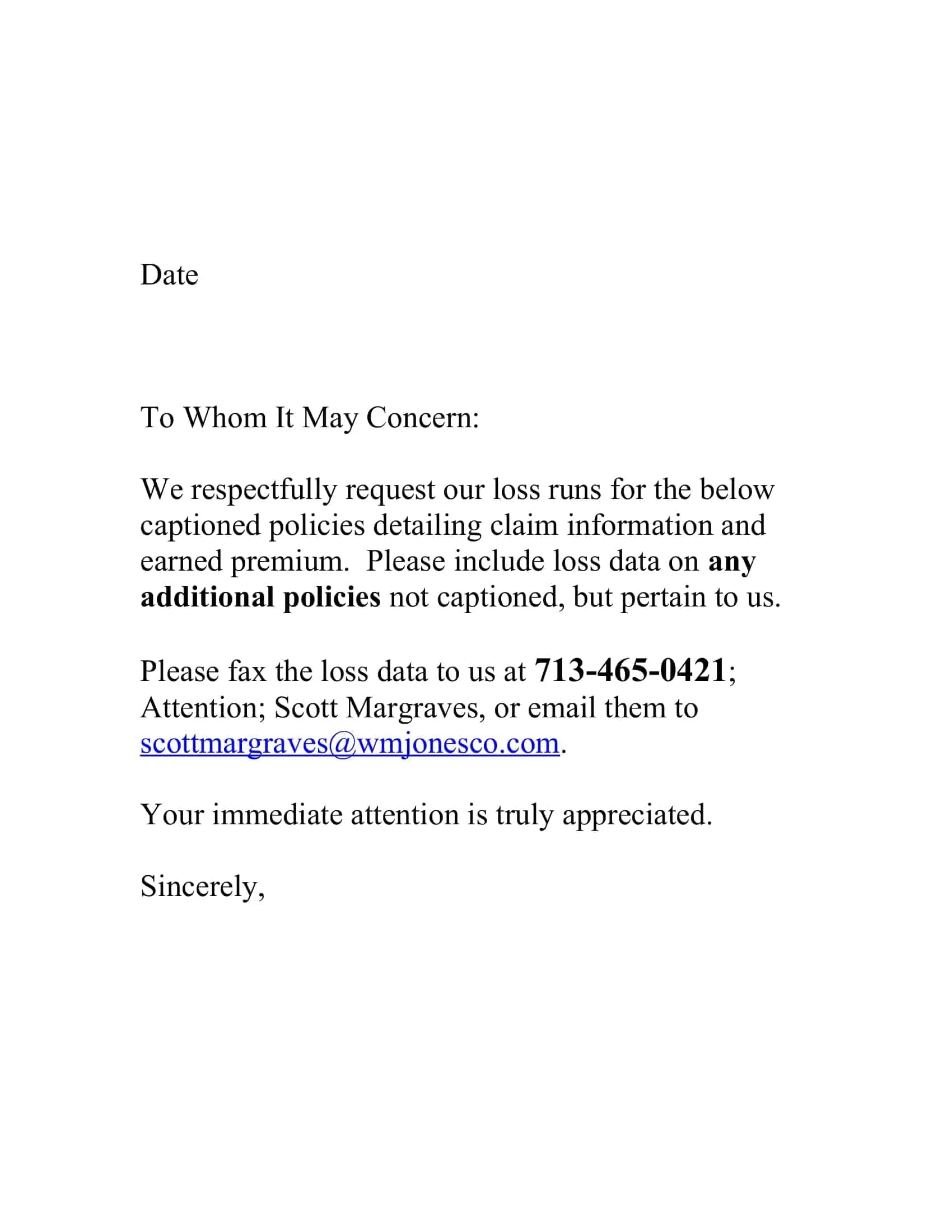
Why Use “Dear Whom It May Concern”?
The greeting “Dear Whom It May Concern” is a common phrase used in cover letters when you don’t know the name of the hiring manager or the specific person who will be reviewing your application. It’s a default option, and while it’s often necessary, it’s also a sign that you haven’t been able to personalize your letter. Using this greeting is generally considered acceptable, but it’s essential to understand its implications and when it’s best to use it. It’s a functional greeting, allowing you to proceed with your application without the immediate obstacle of an unknown contact. However, it lacks the personal touch that can significantly impact how a hiring manager perceives your application and initiative. Recognizing its limitations is the first step in using it effectively.
When Is It Okay to Use This Greeting?
There are specific situations where using “Dear Whom It May Concern” is appropriate. For instance, if the job posting doesn’t provide a contact name, or if you’re applying through a general application portal where the recipient is unclear, this greeting is often the only option. It’s also acceptable when you are applying for a position at a large company where identifying the specific hiring manager might prove difficult, or if the role is not clearly defined with a specific person in charge. In these cases, it’s better to use a generic greeting than to leave the salutation blank. Keep in mind though, these are the exceptions and not the rule. Always prioritize researching the contact person to avoid a generic letter.
When Should You Avoid This Greeting?

Ideally, you should avoid “Dear Whom It May Concern” whenever possible. This greeting can make your application seem impersonal and less likely to capture the hiring manager’s attention. If you can find the hiring manager’s name through research (LinkedIn, company website, or by contacting the company directly), using a personalized greeting will make your cover letter more impactful. A personalized greeting shows that you’ve taken the time to learn about the company and the role, which demonstrates genuine interest and initiative. Making an effort to personalize your letter can significantly increase your chances of getting noticed in a competitive job market. Therefore, always exhaust all options before resorting to a generic salutation.
Crafting a Compelling Cover Letter Introduction
Even with a generic greeting, you can still make a strong first impression. Start your cover letter introduction by clearly stating the position you’re applying for and how you found the job posting. Briefly highlight your key qualifications or a significant achievement that aligns with the job requirements. The introduction is your opportunity to immediately capture the reader’s attention, regardless of the greeting. Use strong, active verbs and concise language to convey your enthusiasm and professionalism. Tailor your opening to the specific role and company. This will show the hiring manager that you’ve paid attention to what they are looking for. Make sure to write the introduction with enthusiasm and show your personality.
The Importance of Research and Customization
The most effective cover letters are customized for each job application. This involves researching the company, understanding the job requirements, and tailoring your letter to address these specific needs. Research allows you to demonstrate your understanding of the company’s values, mission, and current projects. It also allows you to identify the key skills and experiences the employer is seeking. By customizing your letter, you showcase why you’re the right fit for the role and how your skills and experience align with the company’s goals. This level of detail shows initiative and a proactive approach to your job search. Furthermore, customization makes the letter more engaging and relevant to the reader.
How to Research the Hiring Manager

If you’re aiming to personalize your cover letter, finding the hiring manager’s name is essential. Start by checking the job posting carefully; sometimes, the contact person is mentioned. If not, visit the company’s website and look for the ‘About Us’ or ‘Careers’ sections, or consult the ‘Team’ pages. A LinkedIn search can be very helpful; search for the company and the job title to find the hiring manager or recruiter. If you’re still unsuccessful, don’t hesitate to call the company’s HR department and ask for the appropriate contact person. This level of initiative demonstrates your commitment to the job and is a great way to make your cover letter stand out from the crowd. Make sure to do your research; it helps personalize the letter and avoid the generic “Dear Whom It May Concern”.
Alternatives to “Dear Whom It May Concern”
When you can’t find a specific name, there are alternative greetings that offer a more personal touch. Consider using “Dear Hiring Manager,” which is a common and acceptable alternative. Another option is to use the name of the department, such as “Dear [Department Name] Hiring Team” if the department is specified in the job posting. If you have a contact name but are unsure of their title, a simple “Dear [Name]” works well. The best alternative is always a personalized greeting. If the posting doesn’t mention a specific contact person, try searching for the company’s recruiter on LinkedIn to add a more personal touch.
Writing the Body of Your Cover Letter
The body of your cover letter is where you showcase your skills, experience, and how they align with the job requirements. Structure the body in a clear and concise manner, using paragraphs to discuss specific points. Start each paragraph with a topic sentence that clearly states the main idea. Use bullet points or numbered lists to highlight key accomplishments or skills. The body should elaborate on the skills and qualifications mentioned in your resume, providing specific examples of your achievements and how they relate to the role. Tailor the content to match the job description and company culture. Make sure the body of the letter reflects your personality and professional style. Each paragraph must contain at least 150 words to effectively explain your experiences and skills.
Highlighting Your Skills and Experience

Focus on the skills and experiences most relevant to the job. Review the job description and identify the key requirements and keywords. Then, in your cover letter, provide concrete examples of how you’ve successfully used those skills in the past. Use the STAR method (Situation, Task, Action, Result) to describe your accomplishments. This method helps you provide detailed and compelling narratives of your achievements. For example, instead of saying “Managed projects”, explain “In my previous role, I managed projects that resulted in a 15% increase in efficiency.” Quantify your achievements whenever possible; numbers add credibility and impact. Remember to use action verbs to start your sentences and highlight your accomplishments.
Tailoring Your Letter to the Job Description
Each cover letter should be tailored to the specific job you’re applying for. This means carefully reading the job description and identifying the key requirements. Then, in your cover letter, address each requirement directly, explaining how your skills and experience align with those needs. Avoid using generic language; instead, provide specific examples of how you’ve met similar challenges in the past. Customize your language to reflect the tone and style of the company. Showing that you have carefully studied the requirements shows initiative and makes your application more appealing. This approach makes your application much more likely to get noticed and increases your chances of securing an interview. Ensure that your skills and experiences match the keywords used in the job description to ensure your cover letter gets past the Applicant Tracking System (ATS).
Writing a Strong Cover Letter Conclusion
Your cover letter conclusion should reiterate your interest in the position and the company. Summarize your key qualifications and why you’re the best fit for the role. Express your enthusiasm for the opportunity and your eagerness to discuss your application further. Avoid ending with a simple closing statement, instead, use the conclusion as an opportunity to re-emphasize your value proposition. Make sure your closing is professional and engaging. Thank the hiring manager for their time and consideration. A well-crafted conclusion leaves a lasting positive impression and encourages the hiring manager to take the next step. Your closing should not be too short or too long. Make it clear and concise.
Expressing Enthusiasm and Next Steps

In your conclusion, clearly state your enthusiasm for the opportunity and express your willingness to take the next steps. Indicate that you are available for an interview and provide your contact information again. Consider including a call to action, such as “I look forward to hearing from you soon.” or “Thank you for considering my application; I am available for an interview at your earliest convenience.” Make sure your closing reflects your interest in the role and your confidence in your abilities. Ensure you have included the best way to contact you and that your contact information is correct. Make your conclusion both memorable and action-oriented. The end should leave the reader with a clear sense of who you are and why you are a great fit.
Formatting and Proofreading Your Letter
Proper formatting and meticulous proofreading are crucial for a professional cover letter. Use a standard font, such as Times New Roman or Arial, and maintain consistent formatting throughout the document. Pay attention to margins, spacing, and alignment to ensure the letter is easy to read. Proofread your cover letter carefully for any grammatical errors, spelling mistakes, and typos. Read the letter multiple times, and consider having someone else review it as well. A polished and error-free cover letter demonstrates attention to detail and professionalism. Ensure the formatting complements the content to maintain readability. A well-formatted and proofread cover letter enhances your credibility and makes a positive impression on the hiring manager.