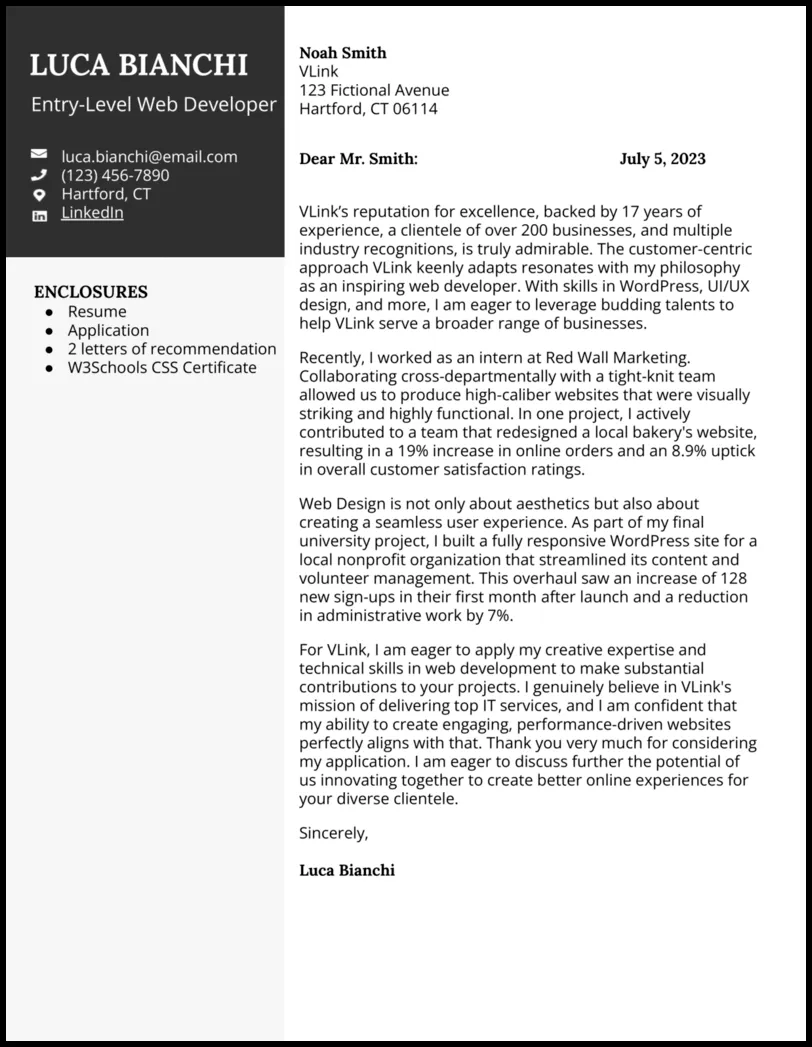
What is a Cover Letter for Entry-Level Roles?
A cover letter is a crucial document that accompanies your resume when applying for a job, especially for entry-level positions. Think of it as your personal introduction to the hiring manager. It’s your chance to make a strong first impression, express your interest in the specific role, and highlight why you’re a great fit for the company. Unlike your resume, which is a concise summary of your experience, a cover letter allows you to elaborate on your qualifications and personality. For entry-level candidates, a well-crafted cover letter can be particularly important, as it provides an opportunity to showcase transferable skills and enthusiasm, even if you lack extensive professional experience.
Why is a Cover Letter Important?
In the competitive job market, a cover letter serves several important purposes. First, it demonstrates your genuine interest in the position and the company. By addressing the hiring manager directly and referencing specific aspects of the job description, you show that you’ve done your research and are genuinely excited about the opportunity. Second, a cover letter allows you to personalize your application. You can explain any gaps in your resume, highlight your relevant skills and experiences, and articulate your career goals in a way that a resume alone cannot. For entry-level roles, this is especially important because it gives you a space to demonstrate your enthusiasm and commitment to start your career. Finally, a well-written cover letter can set you apart from other applicants and increase your chances of getting an interview.
Key Components of a Winning Cover Letter

A strong cover letter is well-structured, concise, and tailored to the specific job. Here’s a breakdown of the key components you should include
Header
Your header should include your name, contact information (phone number, email address, and LinkedIn profile URL if you have one), and the date.
Your Contact Information
Ensure your name, phone number, email, and LinkedIn profile, are clear and easy to read.
Date

Place the date below your contact information. This is the date you are sending the letter.
Hiring Manager’s Information
If possible, address your cover letter to a specific person. Research the hiring manager’s name and title. If you can’t find a name, use a general greeting like “Dear Hiring Manager”.
Salutation
Use a professional salutation, such as “Dear Mr./Ms./Mx. [Last Name]” or “Dear Hiring Manager.”
Body Paragraph 1 Make a Strong Opening
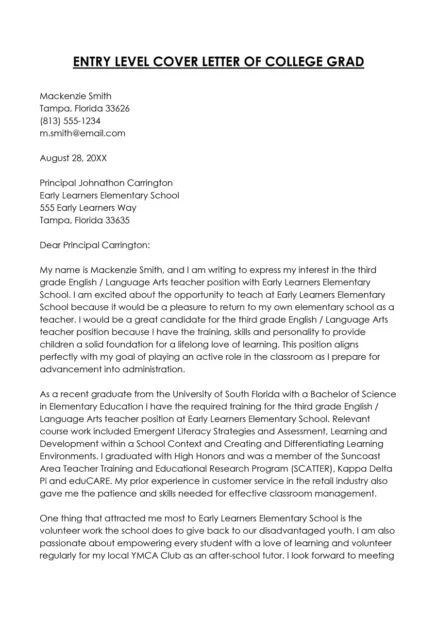
Start with a strong opening that immediately grabs the reader’s attention. State the position you’re applying for and how you learned about it. Briefly mention why you’re interested in the company and the role. Express your enthusiasm for the opportunity to join them. For entry-level candidates, this paragraph should convey your excitement and motivation to contribute to their team and the company’s success.
Body Paragraph 2 Show Your Skills
The second paragraph is where you showcase your relevant skills and experiences. Identify the key requirements of the job and provide specific examples of how your skills align with those requirements. Use action verbs to describe your accomplishments and quantify your achievements whenever possible. This will demonstrate your capabilities and make your application more compelling.
Highlight Relevant Skills and Experiences
Focus on the skills that the job description emphasizes. Whether your experience is from previous jobs, internships, volunteering, or academic projects, pick experiences that reflect your ability to complete the tasks required.
Tailor Your Cover Letter to the Job

Customizing your cover letter to the specific job you’re applying for is essential. Review the job description carefully and highlight the skills and qualifications that the employer is looking for. Don’t just repeat your resume; provide additional context and examples that demonstrate your abilities. Every time you apply for a new job, ensure you review and update your cover letter accordingly. It is also acceptable to showcase similar experiences but to make certain that the focus aligns with the target job description.
Body Paragraph 3 Express Your Enthusiasm
Conclude the body of your cover letter by reiterating your enthusiasm for the role and the company. Explain why you’re a good fit and what you hope to achieve in the position. This shows your dedication to the company and makes you memorable to the hiring manager.
The Closing
End your cover letter with a professional closing and a call to action.
Complimentary Close

Use a professional closing such as “Sincerely,” “Best regards,” or “Thank you for your consideration.”
Signature
Type your full name below your closing. If you’re submitting a hard copy, leave space for your signature above your typed name. Your signature can be added in the digital version of the letter as well. If you’re applying through an online portal, you may only need to provide your name.
Proofreading and Formatting
Before submitting your cover letter, carefully proofread it for any errors in grammar, spelling, and punctuation. Ensure your formatting is consistent and easy to read. Use a professional font (e.g., Times New Roman, Arial, or Calibri) and maintain a consistent font size. Proofread for typos and grammar. Formatting creates a professional look for your letter and allows the hiring manager to focus on its content.
Common Mistakes to Avoid

Avoiding common mistakes can significantly improve the impact of your cover letter.
Using the Wrong Tone
Maintain a professional tone throughout your cover letter. Avoid overly casual language, slang, or jargon that might be inappropriate for a professional setting. Ensure the tone is enthusiastic but professional and focuses on your achievements. Maintain a positive, encouraging tone.
Typos and Grammatical Errors
Typos and grammatical errors can make a negative impression. Proofread your cover letter multiple times. Consider having a friend or family member review it as well. A fresh set of eyes can often catch mistakes that you might miss. Ensure you’re using proper grammar.
Generic Cover Letters
Avoid sending a generic cover letter to every job you apply for. Tailor each cover letter to the specific job and company. Research the company, customize your letter to the job description, and highlight your relevant skills and experiences.
Formatting Issues
Use a professional, easy-to-read format. Avoid overly complex layouts, unusual fonts, or excessive colors. Ensure the formatting is consistent throughout the document.
Tips for Entry-Level Candidates
For entry-level candidates, it’s essential to highlight your potential and transferable skills.
Showcase Soft Skills
Soft skills, such as communication, teamwork, problem-solving, and time management, are highly valued by employers. Highlight these skills in your cover letter by providing examples of how you’ve demonstrated them in previous roles, academic projects, or volunteer experiences. If you’re organized and have great communication skills, mention it. Focus on soft skills, as these show your personality.
Focus on Transferable Skills
Transferable skills are skills you’ve acquired in one setting (e.g., a part-time job, volunteer work, or academic projects) that can be applied to another setting. Focus on transferable skills that align with the job requirements. For instance, if the job requires customer service skills, highlight your experience in handling customer inquiries or resolving issues, even if it was in a different role.
Quantify Your Achievements
Whenever possible, quantify your achievements. For instance, instead of saying, “Improved customer service,” say “Improved customer satisfaction scores by 15%.” Numbers provide tangible evidence of your skills and impact. Make sure the numbers you’re using are relevant to the job and easily understood.
Cover Letter Examples for Inspiration
Review cover letter examples to get a better sense of how to structure and write your own. You can find numerous examples online or consult with a career counselor for assistance. These examples can provide guidance and ensure that your cover letter meets industry standards. Examples can help you find inspiration and give you an idea for how to format the letter.