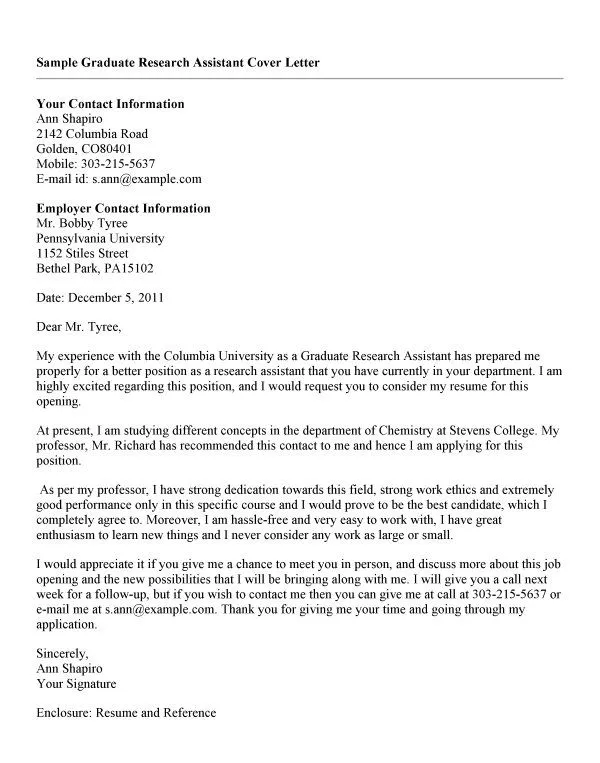
Understanding the Research Position Cover Letter
A cover letter for a research position is your first chance to make a strong impression on a potential employer. Unlike a resume, which provides a factual summary of your skills and experience, the cover letter offers you the opportunity to showcase your personality, express your enthusiasm for the position, and explain how your qualifications align with the specific requirements of the role. A well-crafted cover letter can significantly increase your chances of securing an interview and ultimately landing your dream research job. It is a crucial document that complements your resume, providing context and depth to your application. It is your chance to demonstrate your communication skills, your understanding of the research field, and your genuine interest in the opportunity. Therefore, it is important to invest time and effort in crafting a compelling and tailored cover letter that effectively highlights your unique strengths and qualifications.
Research Position Cover Letter Format
The format of your research cover letter should be professional, easy to read, and well-organized. Start with your contact information, followed by the date and the recipient’s information (if known). The body of the letter should be divided into clear paragraphs, each addressing a specific aspect of your qualifications and interest. Use a standard business letter format, with a formal salutation (e.g., “Dear Dr. [Last Name]”) and a professional closing (e.g., “Sincerely,”). Maintain a consistent font size and style throughout the document, and ensure that your letter is free of grammatical errors and typos. Keep the tone formal but enthusiastic, and avoid using overly casual language or jargon. Your letter should be concise, typically no more than one page in length. Finally, proofread the entire document carefully before submitting your application.
Essential Components of a Research Cover Letter

A strong research cover letter should include several key components to effectively convey your qualifications and interest. Begin with a compelling opening that captures the reader’s attention and clearly states the position you are applying for. Briefly mention how you learned about the position and express your enthusiasm for the opportunity. The body paragraphs should highlight your relevant skills and experiences, providing specific examples to demonstrate your accomplishments. Be sure to align your qualifications with the requirements outlined in the job description. Emphasize your research experience, including any publications, presentations, or projects you have worked on. Show your understanding of the research field and the specific research area. Finally, conclude with a strong closing paragraph that reiterates your interest in the position and expresses your gratitude for their consideration. Include a call to action, such as requesting an interview.
Highlighting Your Skills and Experience
When highlighting your skills and experience in your research cover letter, it’s essential to be specific and provide concrete examples. Instead of simply stating that you possess certain skills, demonstrate them through your accomplishments. For example, rather than saying “I have strong data analysis skills,” you could write, “In my previous research project, I utilized statistical software to analyze a large dataset, resulting in the identification of key trends and patterns, which were subsequently published in a peer-reviewed journal.” Quantify your achievements whenever possible. For instance, mention the number of publications you have, the size of the grants you have secured, or the impact of your research findings. Tailor your examples to the specific requirements of the research position. Carefully review the job description and identify the key skills and experiences the employer is seeking. Then, use your cover letter to demonstrate how you meet those criteria.
Tailoring Your Cover Letter to the Specific Research Position
One of the most critical steps in writing a successful research cover letter is tailoring it to the specific position you are applying for. Generic cover letters are easily recognizable and often overlooked. Research the institution or lab, the research team, and the specific project or area of study. Demonstrate your understanding of their work and explain why you are a good fit for their team. Mention the specific research areas that interest you, and explain how your skills and experiences align with the requirements outlined in the job description. Use keywords from the job posting throughout your letter to show that you have carefully reviewed the requirements. Personalize your cover letter by addressing the hiring manager by name, if possible. This shows that you have taken the time to research the position and that you are genuinely interested in the opportunity. When you tailor your cover letter, you demonstrate your professionalism, attention to detail, and sincere interest in the research position.
Proofreading and Finalizing Your Research Cover Letter

Before submitting your research cover letter, proofreading is absolutely essential. Errors in grammar, spelling, and punctuation can undermine your credibility and professionalism. Carefully review your letter for any mistakes. Read it aloud to catch awkward phrasing or unclear sentences. Consider asking a friend, colleague, or career advisor to review your letter and provide feedback. They can often spot errors that you may have missed. Pay close attention to details, such as the correct spelling of the recipient’s name and the accuracy of the contact information. Ensure that your letter is formatted correctly and that it is easy to read. A well-proofread cover letter demonstrates your attention to detail and your commitment to excellence. Make a final check to ensure that your cover letter is tailored to the specific research position and that it effectively highlights your qualifications and interest. A polished and error-free cover letter is a key to making a positive first impression and increasing your chances of success.
In conclusion, writing a compelling cover letter for a research position requires careful planning and execution. By following the tips and guidelines outlined in this guide, you can create a cover letter that effectively showcases your skills, experience, and enthusiasm for the opportunity. Remember to tailor your letter to each specific position, highlight your accomplishments with concrete examples, and proofread carefully before submitting. Good luck with your job search!