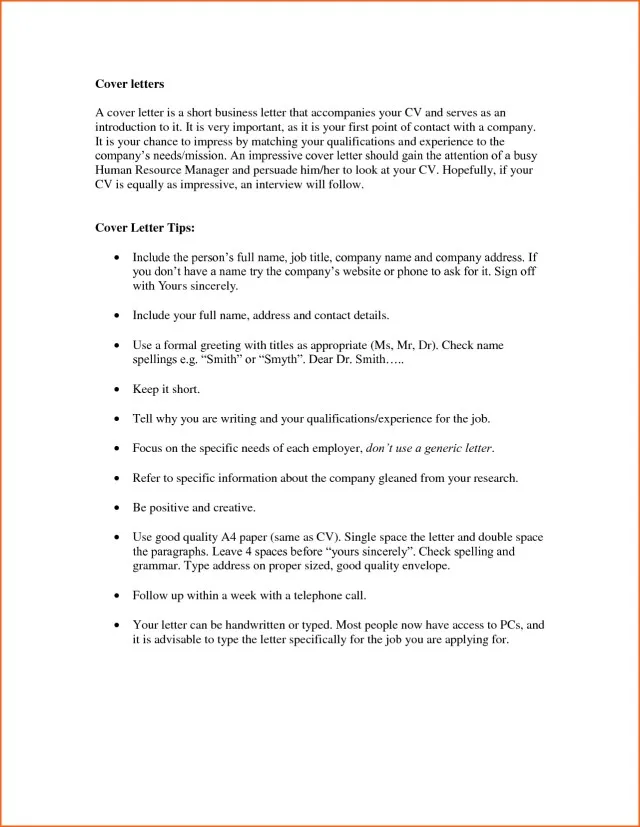
Understanding the Importance of a Cover Letter Greeting
The cover letter greeting is more than just a formality; it’s the first impression you make on a potential employer. It sets the tone for the entire letter and can significantly influence how your application is received. A well-chosen greeting demonstrates attention to detail, professionalism, and a genuine interest in the opportunity. Conversely, a poorly chosen greeting can immediately disqualify you, signaling a lack of care or a misunderstanding of professional norms. The greeting is your chance to grab the hiring manager’s attention and encourage them to read further, making it a crucial element of your job application strategy. It provides a glimpse into your communication style and your ability to adapt to different professional environments.
Why the Greeting Matters
Impact on First Impression

Your cover letter greeting creates an immediate impression. It’s the initial signal that you’re serious about the job and that you’ve put in the necessary effort. A personalized greeting, for example, shows you’ve taken the time to identify the recipient, which is a small act that speaks volumes about your dedication. A generic greeting, on the other hand, can make you seem like you’re sending out a mass application, which can be detrimental to your chances. First impressions are lasting, and a strong greeting sets the stage for a positive evaluation of your entire application package. It shows that you are attentive to details and that you understand the importance of making a good first impression.
Professionalism and Tone
The greeting dictates the tone of your cover letter. A formal greeting like “Dear Mr. Smith” sets a professional tone, while a more casual greeting like “Hi Sarah” can create a more relaxed atmosphere. The choice of greeting should align with the company culture and the nature of the job. A formal greeting is generally safer and more appropriate for conservative industries, while a semi-formal or informal greeting might be suitable for a creative or tech-focused company. It’s essential to strike the right balance between being professional and approachable, as this demonstrates your understanding of workplace communication norms. The correct tone ensures that your cover letter is taken seriously and that your application is viewed favorably.
Common Cover Letter Greeting Options
Formal Greetings

Using ‘Dear Mr./Ms./Mx. Last Name’
Formal greetings are the gold standard for professional cover letters. Using “Dear Mr. Last Name,” “Dear Ms. Last Name,” or “Dear Mx. Last Name” (if you know the recipient’s preferred pronoun) shows respect and attention to detail. This is especially important if you’re unsure about the recipient’s gender or if you’re applying to a conservative company. These greetings are timeless and convey a high degree of professionalism. Always use the appropriate title (Mr., Ms., or Mx.) followed by the last name of the hiring manager. If the last name is unknown, avoid using the greeting, if possible and find out who to address the letter. This approach ensures that your application is taken seriously and that your attention to detail is noticed.
When to Use Formal Greetings
Formal greetings are best used when applying to traditional industries, such as finance, law, or government jobs. They’re also a safe choice if you’re unsure of the company culture. If you know the hiring manager’s name, and they are addressed with the formal title, use that. If not, try to find the name and address the letter to that person, or, use the hiring manager as the recipient. Formal greetings demonstrate that you respect the established protocols. These greetings are especially useful for demonstrating that you understand the importance of professionalism and that you are willing to adhere to the company’s standards.
Semi-Formal Greetings

Using ‘Dear Hiring Manager’
The “Dear Hiring Manager” greeting is a practical option when you don’t know the name of the person to whom you are writing. It’s a step up from a generic greeting and shows you’ve put in some effort. It’s generally safe to use, as it avoids the risk of misgendering or misspelling a name. It is widely accepted in today’s professional landscape. Using “Dear Hiring Manager” ensures that your cover letter is still addressed to a specific individual. This allows your application to be taken seriously without the guesswork.
When to Use Semi-Formal Greetings
Use the “Dear Hiring Manager” greeting when the job posting doesn’t provide a contact name, or if you can’t find it through online research. It’s a good choice for various industries. However, consider researching the company’s website or LinkedIn to try to identify the hiring manager. This personalized approach can enhance your application. Semi-formal greetings provide a balance between professionalism and practicality. While they aren’t as personalized as using a specific name, they show that you’re not using a generic, impersonal approach.
Informal Greetings

Using ‘Dear First Name’
Using the first name of the hiring manager, such as “Dear John,” is less formal and can work well in some environments. However, only do this if you know the hiring manager well or if the company culture is known to be relaxed and friendly. This approach can create a more personal connection, but it’s important to gauge the tone of the company and the job posting before using this option. If you’re unsure, it’s best to stick with a more formal approach. Consider your existing relationship with the recipient before using this greeting, because it may risk misjudging the situation.
When to Use Informal Greetings
Informal greetings are best reserved for companies with a very casual culture, such as startups or creative agencies. It may be appropriate if you’ve met the hiring manager at a networking event or if you’ve corresponded with them previously. To gauge the appropriateness of an informal greeting, review the company’s website, social media, or job posting. If the tone is relaxed, an informal greeting may be acceptable. Otherwise, err on the side of caution and choose a more formal option.
Choosing the Right Greeting

Selecting the right greeting is vital for your cover letter’s success. It’s about understanding the audience and the company culture. By taking a moment to analyze the environment, you can significantly improve your chances of making a positive impact. The goal is to ensure your message is received in the best possible way. Avoid generic greetings, as they can make you seem like you haven’t put in enough time to understand the company. Take the time to personalize it with the appropriate greeting, which could set you apart.
Researching the Recipient
The best approach is to personalize your greeting by finding the hiring manager’s name. Researching the recipient is the first step. Look at the job posting and the company website. Check LinkedIn to find the hiring manager or someone in the HR department. If you can’t find a name, then it’s best to use a semi-formal greeting. This demonstrates that you have taken the initiative to learn more about the people you’re trying to get in contact with. This extra effort can set you apart from other candidates who don’t take the time to do it.
Checking the Job Posting
The job posting can offer hints about the company’s culture. Analyze its tone and language. Does it sound formal or casual? Is it friendly and inviting or professional and reserved? If the job posting provides a contact name, use it. If not, the tone of the job posting may provide clues as to how formal your greeting should be. Use the information you have to select the greeting that best aligns with what the company is looking for. This will help you ensure that your letter fits in and is taken seriously.
Considering Company Culture

Company culture plays a significant role in determining the right greeting. Investigate the company’s culture. Look at their website and social media. Do they present themselves as formal, or is there more casual energy? Are employees using first names in their communications? Use the findings to help you decide on the tone of your cover letter. If the company values innovation and a relaxed environment, a more informal greeting may be acceptable. If it’s a more conservative company, a formal greeting is likely the best choice. This consideration enables you to demonstrate that you can adapt to the company’s specific environment.
Mistakes to Avoid in Your Greeting
Avoiding common mistakes is just as important as choosing the right greeting. Simple errors can make your application seem unprofessional, so pay close attention. The best way to make sure your cover letter is a success is to double-check for any mistakes.
Typos and Errors
Typos and errors in your greeting are the quickest way to make a bad first impression. Always double-check the name and title of the recipient. Misspellings and incorrect titles signal a lack of attention to detail. Before you submit your cover letter, read through it multiple times to catch any mistakes. You can also ask a friend or colleague to review it. If the name is unknown, be sure you use the correct format to address the letter. Ensuring there are no errors shows you are taking the time to get things right. A well-crafted cover letter is one where your attention to detail shines through.
Using Outdated Greetings

Some greetings, such as “To Whom It May Concern,” are considered outdated and impersonal. These types of greetings can create a negative impression, making you look like you haven’t put in any effort. Using such a greeting, it shows the hiring manager you’ve not personalized your letter. Focus on modern and more engaging greetings, such as “Dear Hiring Manager,” to show you’re up-to-date with current professional standards. Keeping your greeting up to date shows that you know the best ways to approach the job search.
Being Too Casual
Even if the company culture is informal, err on the side of caution and avoid being overly casual in your greeting. Greetings like “Hey” or abbreviations can be inappropriate in a formal setting. It’s best to use a semi-formal greeting. You want to demonstrate respect and professionalism. Tailor your greeting to match the level of formality that is expected in the environment. A safe approach is to select a greeting that shows a balance between professionalism and approachability.
Writing a Cover Letter Greeting that Gets Noticed
Creating a cover letter greeting that stands out requires more than just choosing the right words. It’s about making a connection with the reader and showing your personality. Use personalization, highlighting relevant skills, and tailoring your greeting to the specific job to create an impact. A well-crafted greeting can capture the hiring manager’s attention and set your application apart. This effort is designed to persuade the hiring manager to keep reading your cover letter. It is essential to make your application stand out.
Personalization Techniques
Personalizing your greeting shows you’ve put in the effort to connect with the hiring manager. If you know the hiring manager’s name, use it. If you don’t, research their name on LinkedIn or the company website. It’s a simple way to make a connection and create a good impression. It’s a good idea to personalize your greeting as much as possible. The more you can personalize your greeting, the more likely you are to stand out from other applicants. By taking the time to learn more about who you are trying to reach, you’re setting your application apart from the rest.
Highlighting Relevant Skills
In some cases, you can subtly highlight your skills within your greeting. For example, if you have a strong reference or a mutual connection with the hiring manager, you can mention it in your greeting. This can show that you have done some background work and that you are attentive to detail. You can state the name of the person who referred you to the company in the greeting. This is a great way to start the conversation. Your goal is to show that you are a great fit for the job.
Tailoring to the Job
Always tailor your greeting to the specific job and company. Review the job posting to understand what the company values. If the job posting has a certain tone, reflect that tone in your greeting. This demonstrates that you understand the company’s culture and that you are a good fit. Pay close attention to the job description, because it can offer insights into what qualities the company seeks in a candidate. If you tailor your greeting, it should speak directly to the specific requirements of the job. Tailoring your greeting will help your application stand out.