Understanding the Purpose of a Cover Letter
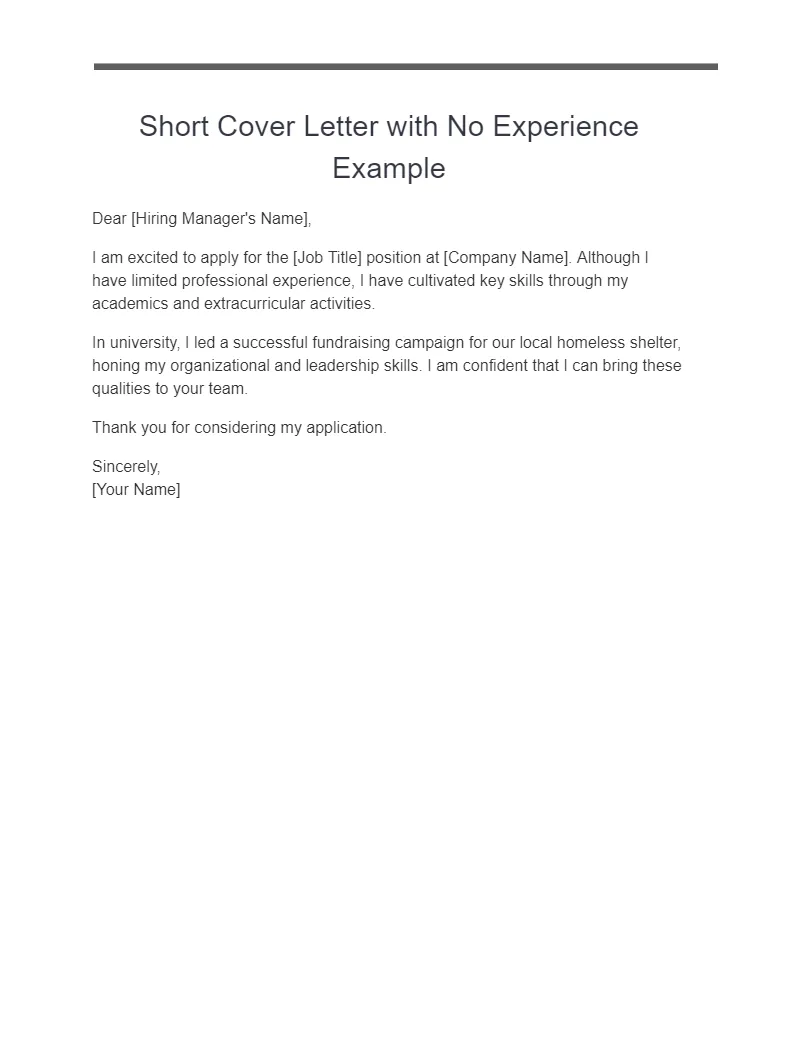
A cover letter is your first chance to make a strong impression on a potential employer. It’s a vital part of your job application package, working in tandem with your resume to showcase your skills, experiences, and enthusiasm for a specific role. Unlike a resume, which provides a factual summary of your qualifications, a cover letter allows you to tell a story. It allows you to connect your skills and experiences to the specific requirements of the job, and explain why you are a good fit for the company and the role. For those with no prior work experience, the cover letter becomes even more crucial. It’s your primary tool to demonstrate your potential and convince the hiring manager that you are worth interviewing.
Why a Cover Letter is Important
The importance of a cover letter cannot be overstated, especially when you are applying for a job without prior professional experience. It acts as a personalized introduction and offers you an opportunity to show your personality, communication skills, and genuine interest in the position and the company. It demonstrates that you have taken the time to understand the job requirements and tailor your application to meet those needs. A well-written cover letter can significantly increase your chances of getting an interview, even if your resume lacks extensive work experience. It’s your chance to explain gaps in your experience, address any concerns a hiring manager might have, and highlight transferable skills and projects that demonstrate your capabilities.
Key Components of a Cover Letter

A successful cover letter, regardless of your experience level, should include several key components. These elements work together to create a compelling narrative that captures the reader’s attention and persuades them to learn more about you. By carefully constructing each section, you can ensure your cover letter effectively communicates your qualifications, enthusiasm, and fit for the role.
Header and Contact Information
Start with your name, address, phone number, and email address at the top of the letter. This is standard practice and ensures the hiring manager can easily reach you. Also, include the date and the hiring manager’s name, title, and the company’s address (if you have it). If you can’t find the hiring manager’s name, research on LinkedIn or the company website is very useful.
The Salutation
Address the hiring manager by name. ‘Dear Mr./Ms./Mx. [Last Name]’ is the standard. Avoid generic greetings like ‘To Whom It May Concern’ or ‘Dear Sir/Madam,’ as they show a lack of effort. If you cannot find a specific name, try to find the hiring manager’s name on LinkedIn or the company website. Using a personalized greeting makes a better impression and demonstrates your attention to detail.
Crafting a Compelling Opening

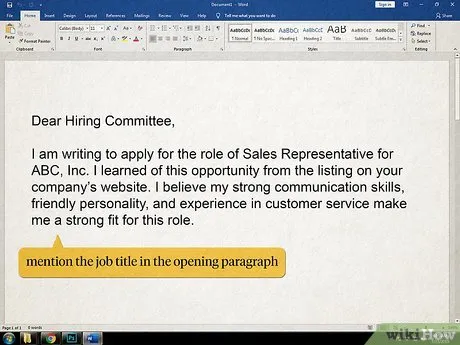
Your opening paragraph is your first opportunity to capture the hiring manager’s attention. State the position you’re applying for and where you found the job posting. Show your enthusiasm for the role and the company. Briefly mention why you’re interested and what you hope to achieve. For those with no experience, focus on your eagerness to learn and contribute. Express your passion and your understanding of the company’s mission.
Highlighting Transferable Skills
When you lack direct work experience, it’s essential to focus on transferable skills. These are skills you’ve gained in other areas of your life, such as academic projects, volunteer work, extracurricular activities, or personal endeavors. Identify how these skills align with the job requirements and showcase them in your cover letter.
Identifying Transferable Skills
Analyze the job description carefully and identify the key skills the employer is seeking. Common transferable skills include communication, teamwork, problem-solving, time management, leadership, and organization. Think about how you’ve used these skills in different contexts. Did you lead a project in school? Did you volunteer and manage a team? Did you resolve a conflict in a club you were part of? Be sure to include those relevant examples.
Showcasing Relevant Projects or Coursework
If you lack direct work experience, use your projects and coursework to demonstrate your abilities. Describe relevant projects, assignments, or academic achievements that showcase your skills. Explain your role, the challenges you faced, and the results you achieved. Include any technical skills used in the project and how they relate to the job requirements. If you have completed relevant certifications, definitely include them.
Quantifying Achievements (Even Without Experience)
Even if you don’t have professional achievements, you can quantify your accomplishments in other areas. For instance, if you improved a club’s social media presence, mention the percentage increase in followers or engagement. If you organized an event, specify the number of attendees or the amount of funds raised. These quantifiable results demonstrate your impact and give the hiring manager a clear understanding of your abilities.
Demonstrating Enthusiasm and Research
Show genuine enthusiasm for the role and the company. Explain why you are interested in this specific opportunity and what motivates you to apply. Demonstrate that you’ve done your research by mentioning specific company projects, values, or initiatives that resonate with you. This will show the hiring manager that you are genuinely interested in their company and are not just sending out generic applications.
Researching the Company

Before writing your cover letter, thoroughly research the company. Visit their website, read news articles, and follow their social media accounts. Identify the company’s mission, values, and recent projects. Tailor your cover letter to align with the company’s goals and culture. Mention specific aspects of the company that appeal to you, showing you have a genuine interest and understand their business.
Tailoring the Letter to the Job
Customize your cover letter for each job you apply for. Read the job description carefully and identify the key skills and qualifications the employer is seeking. Then, tailor your letter to address those specific requirements. Highlight the relevant experiences and skills you possess and explain how they align with the job’s needs. Avoid using a generic cover letter; personalization is key to making a strong impression.
Writing a Strong Closing
Your closing paragraph should leave a lasting impression. Summarize your qualifications and reiterate your enthusiasm for the role and the company. Thank the hiring manager for their time and consideration. End with a clear call to action, indicating your availability for an interview and how they can reach you.
Expressing Gratitude and a Call to Action

Express your gratitude for the opportunity to apply and the hiring manager’s time. State your availability for an interview and provide your contact information. A simple and direct call to action, such as ‘I am eager to discuss my qualifications further and can be reached at [phone number] or [email address],’ is effective. Expressing enthusiasm and your desire to learn more about the role leaves a lasting impression.
Formatting and Proofreading
Attention to detail is crucial. A well-formatted and error-free cover letter demonstrates professionalism and attention to detail. Before submitting your application, carefully review the letter for any grammatical errors, spelling mistakes, or formatting inconsistencies.
Formatting Best Practices
Use a professional font, such as Times New Roman, Arial, or Calibri, with a size between 10 and 12 points. Keep the letter concise, ideally no more than one page. Use single spacing and a standard one-inch margin. Ensure consistent formatting throughout the document, including headings, bullet points, and spacing. Use bullet points to highlight key skills and achievements, making the letter easy to read and scan.
Proofreading and Editing Techniques

Always proofread your cover letter multiple times. Check for spelling errors, grammatical mistakes, and punctuation issues. Use spell-check and grammar-check tools, but don’t rely on them entirely. Read the letter aloud to catch any awkward phrasing or sentence structure issues. Ask a friend, family member, or career counselor to review your cover letter for feedback. Another pair of eyes can often spot mistakes you might miss.
Additional Tips for No-Experience Cover Letters
When writing a cover letter with no professional experience, there are some additional strategies to help you stand out. These techniques will help you focus on your strengths, demonstrate your potential, and convince the hiring manager that you are a valuable candidate.
Using Action Verbs
Use strong action verbs to describe your skills and achievements. Examples include ‘managed,’ ‘developed,’ ‘implemented,’ ‘created,’ ‘organized,’ ’led,’ and ‘achieved.’ Action verbs make your descriptions more compelling and dynamic. They show initiative and the impact you have made in various projects or tasks. Always choose verbs that accurately reflect your role and accomplishments.
Highlighting Soft Skills

Focus on highlighting your soft skills, such as communication, teamwork, problem-solving, and adaptability. Soft skills are essential for success in any job. Use specific examples to illustrate your soft skills. If you worked on a team project, describe your role and how you contributed. If you resolved a conflict, explain your approach and the outcome. This shows that you can apply your skills to real-world situations.
Cover Letter Templates and Resources
Utilizing cover letter templates and free online resources can simplify the writing process and ensure you’re following best practices. There are many resources available to help you create a polished and effective cover letter. Be sure to customize these templates for each job application.
Where to Find Templates
Many websites offer free cover letter templates. Popular sites include Microsoft Word, Google Docs, and various job search platforms. These templates provide a structured framework and help you organize your thoughts effectively. Choose a template that aligns with your industry and the specific job you are applying for. Remember to personalize the template with your information and tailor it to the job description.
Free Online Resources
There are numerous free online resources available to help you write a cover letter. Many career websites offer articles, guides, and templates. Use these resources to understand different cover letter formats, learn about effective writing techniques, and get inspiration. Consider using a cover letter checker tool to get feedback on your letter before submitting it. Many colleges and universities offer career services that provide free advice and resume and cover letter reviews.
In conclusion, writing a cover letter with no experience requires a strategic approach. Focus on highlighting transferable skills, quantifying your achievements, and demonstrating your enthusiasm. By carefully following these guidelines and using available resources, you can create a compelling cover letter that increases your chances of landing an interview and securing your dream job, even if you’re just starting your career.