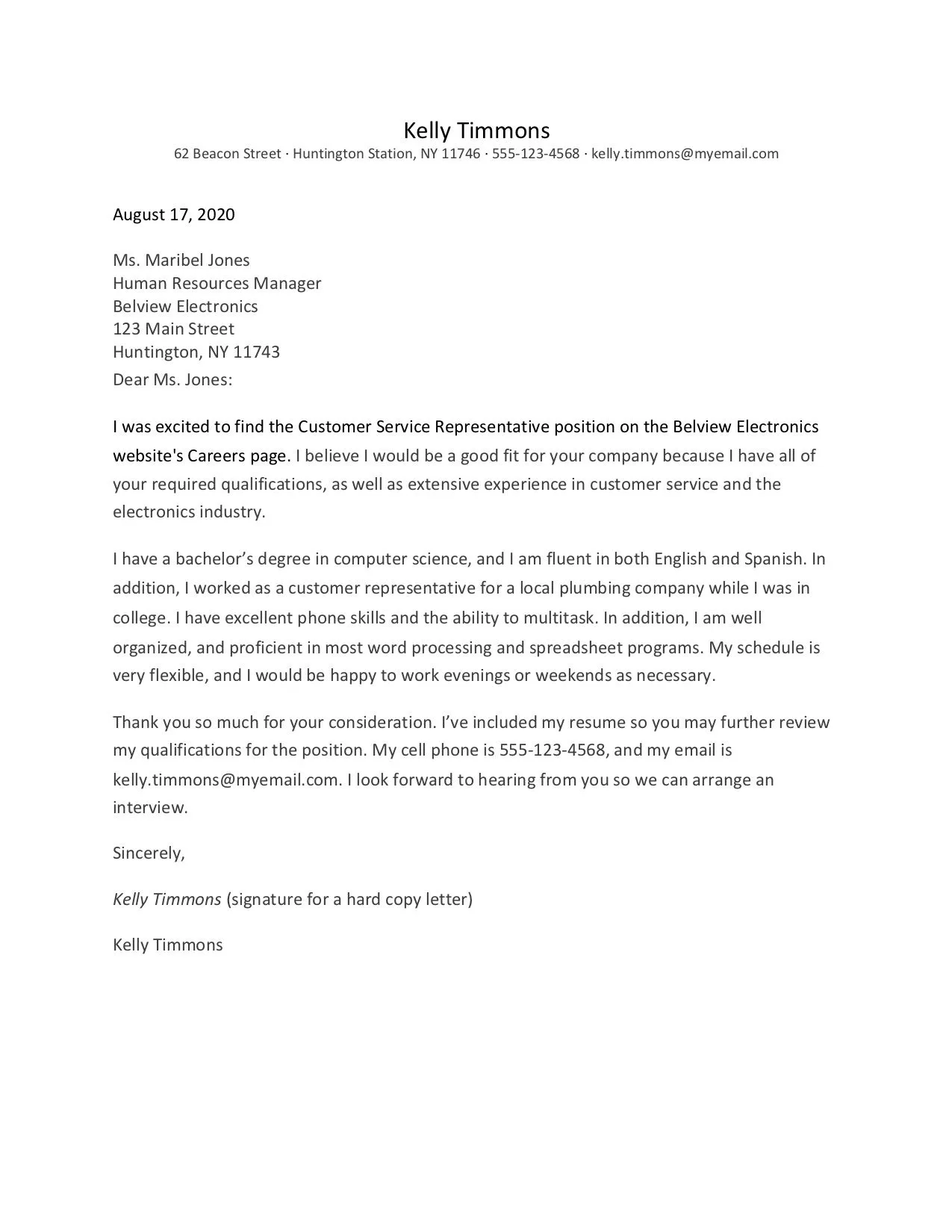
Why a Cover Letter Matters
In the competitive world of job applications, a cover letter serves as your personal introduction to a potential employer. It’s your chance to go beyond the bullet points of your resume and tell a compelling story about why you’re the perfect fit for the role. A well-crafted cover letter demonstrates your personality, communication skills, and genuine interest in the position and the company. It allows you to highlight specific experiences and skills that directly align with the job requirements, setting you apart from other applicants. Moreover, it’s an opportunity to showcase your writing ability, which is crucial in many professional settings, and to make a memorable first impression. A cover letter can be the deciding factor in whether your application gets a second look or ends up in the rejection pile.
First Impressions Grab Attention
The opening paragraph is your golden opportunity to captivate the reader’s attention. This is where you make a strong first impression and entice the hiring manager to continue reading. Avoid generic openings like “I am writing to apply for the position of…” Instead, start with a hook. This could be a compelling statement about your enthusiasm for the role or company, a brief anecdote that showcases a relevant skill, or a mention of a mutual connection. The goal is to immediately demonstrate that you understand the company’s needs and that you possess the skills to meet them. Make it clear from the beginning why you are interested in the specific role and what unique value you bring to the table. This initial paragraph sets the tone for the entire letter and determines whether the reader will be engaged and continue to the following sections.
Highlighting Key Skills and Experiences

Your cover letter should serve as a spotlight, illuminating the skills and experiences most relevant to the job you are applying for. Don’t just reiterate your resume; instead, elaborate on specific achievements and how they align with the job’s requirements. Identify the key skills the employer is looking for (often mentioned in the job description) and provide concrete examples of how you’ve demonstrated those skills in the past. Use the STAR method (Situation, Task, Action, Result) to structure your responses, providing context, outlining the task, describing the actions you took, and quantifying the results. This approach gives the hiring manager a clear understanding of your capabilities and how you can contribute to their organization. This is where you show how your unique experiences align with the role and the company’s needs, building a case for why you are a superior candidate.
Showcase Your Achievements Cover Letter
Focus on highlighting your achievements rather than simply listing your responsibilities. Instead of saying “Managed social media accounts,” say “Increased social media engagement by 30% in six months by implementing a new content strategy.” Achievements demonstrate your ability to deliver results and provide tangible evidence of your capabilities. Think about what you accomplished in previous roles, projects, or volunteer experiences. What problems did you solve? What improvements did you make? What goals did you achieve? Quantify your successes whenever possible using numbers, percentages, or specific metrics. This makes your achievements more compelling and easier for the hiring manager to understand the value you bring.
Quantify Your Accomplishments Cover Letter
Whenever possible, quantify your accomplishments. Numbers and statistics add credibility and demonstrate the impact of your work. For instance, instead of saying “Improved customer satisfaction,” write “Improved customer satisfaction scores by 15% through implementing a new feedback system.” Or, instead of saying “Managed a team,” you could say “Led a team of 10 employees, resulting in a 10% increase in project efficiency.” Providing specific data makes your accomplishments more tangible and showcases your ability to achieve measurable results. This helps the hiring manager quickly grasp the scope of your impact and assess your potential contribution to their organization. Therefore, focus on using specific data to back up your claims to impress your future employer.
Tailoring Your Cover Letter

A generic, one-size-fits-all cover letter is unlikely to impress a hiring manager. Tailoring your cover letter to each specific job application is critical. This means customizing the content to reflect the unique requirements and expectations of the role and the company. Start by carefully reviewing the job description and identifying the key skills, experiences, and qualifications the employer is seeking. Then, use your cover letter to directly address these requirements, providing specific examples of how you’ve demonstrated these qualities in the past. Mentioning the company by name, and showing that you understand their mission, values, and recent projects, are important steps. This demonstrates that you’ve done your research and that you’re genuinely interested in the opportunity, therefore, taking the time to tailor the cover letter will set you apart from other candidates.
Researching the Company
Before you start writing, research the company. Visit their website, read news articles about them, and explore their social media presence. Understanding the company’s mission, values, culture, and recent activities will help you tailor your cover letter to their specific needs. This research also enables you to show genuine enthusiasm for the role and the company. You can refer to specific projects or initiatives the company is involved in and explain how your skills and experience align with their goals. Demonstrating your knowledge of the company’s work signals that you’re committed to joining their team. Showing that you understand their current needs increases your chances of being selected for an interview.
Matching Skills to Requirements
Carefully review the job description and identify the key skills and qualifications the employer is looking for. Then, use your cover letter to directly address these requirements, providing specific examples of how you’ve demonstrated these skills in the past. For example, if the job description emphasizes project management skills, provide a brief description of a project you managed, highlighting your successes and the positive outcomes you achieved. If the role requires proficiency in a certain software program, mention your experience using it and quantify your results if possible. Make sure your relevant skills and experiences are in alignment with the qualifications listed in the job description. If you are able to address these specific requirements, you are more likely to get an interview.
The Perfect Cover Letter Structure

A well-structured cover letter is easy to read and conveys your message effectively. The basic structure typically includes a header, salutation, an introductory paragraph, body paragraphs that highlight your skills and experiences, and a closing paragraph. Each section should serve a specific purpose and contribute to the overall impact of your letter. The clear and concise layout ensures that the hiring manager can quickly grasp your key qualifications and understand why you’re a good fit for the job. Maintaining a professional and polished format is essential for making a positive impression. The format should be readable and organized, with clear headings and well-structured paragraphs.
Cover Letter Header Contact Info
The header should include your contact information, such as your name, address, phone number, and email address. This information should be clearly displayed at the top of the page so the hiring manager can easily reach you. You can also include the date and the name and address of the company or hiring manager. This information ensures that the recruiter has all the necessary details for communication. Ensure the header is clean and well-formatted. Always use a professional email address. The header sets the stage for a professional and organized presentation.
Cover Letter Salutation Addressing
The salutation sets the tone for your letter. If possible, address the hiring manager by name. Research the name of the hiring manager on LinkedIn or the company website. Use “Dear Mr./Ms. [Last Name]” or “Dear [Hiring Manager’s Name]” to start your letter. Avoid generic salutations such as “To Whom It May Concern” or “Dear Sir/Madam,” as they can make your application seem impersonal. If you can’t find a name, use a general greeting such as “Dear Hiring Team” or “Dear [Department Name] Hiring Manager.” This personal touch shows that you’ve taken the time to find the correct information and adds a layer of professionalism to your communication.
Cover Letter Body Paragraphs

The body paragraphs form the core of your cover letter. This is where you elaborate on your skills, experiences, and achievements, and explain why you’re a good fit for the role. Generally, this section is broken down into 2 or 3 paragraphs. The first paragraph should grab the reader’s attention and state your purpose. The second paragraph should showcase your skills and experience, and the third paragraph should include a call to action. Each paragraph should be focused and concise, with a clear purpose and message. Use keywords from the job description and focus on the key requirements that the employer is looking for. By structuring your cover letter in this way, you can maintain the reader’s interest and highlight the most relevant information about your qualifications.
First Paragraph Grab Attention
The first paragraph should grab the reader’s attention immediately. Start with a strong opening statement that explains your interest in the position and the company. Mention how you found out about the job and why you’re excited about the opportunity. Summarize your key qualifications and why you’re an excellent fit for the role. Keep this paragraph concise and focused on creating a positive first impression. Consider starting with a compelling statement about your enthusiasm for the role, a brief anecdote that showcases a relevant skill, or a mention of a mutual connection. The goal is to immediately demonstrate that you understand the company’s needs and that you possess the skills to meet them.
Second Paragraph Showcase Skills
The second paragraph should showcase your skills and experience in relation to the job requirements. Provide specific examples of your accomplishments and how they relate to the role. Use the STAR method (Situation, Task, Action, Result) to structure your examples, providing context, outlining the task, describing the actions you took, and quantifying the results. Highlight the key skills and qualifications that the employer is seeking, as mentioned in the job description. It is important to demonstrate your skills and qualifications by providing tangible examples. Use strong action verbs to describe your accomplishments and focus on results-oriented achievements. Also, elaborate on experiences and the impact you made in previous roles to demonstrate your value.
Third Paragraph Call to Action

The third paragraph should include a call to action. Express your enthusiasm for the position and reiterate your interest in the company. Briefly summarize your key qualifications and how they align with the job requirements. Clearly state your availability for an interview and express your eagerness to discuss your qualifications further. Thank the hiring manager for their time and consideration. Make it easy for the hiring manager to take the next step by providing your contact information and a clear call to action. Encourage them to contact you or express your hope to hear from them soon. This helps ensure that the hiring manager knows what action to take next.
Cover Letter Closing
The closing is where you express your gratitude and provide a final impression. End your letter with a professional closing, such as “Sincerely,” “Best regards,” or “Thank you.” Leave some space for your signature, and then type your full name. It’s important to thank the hiring manager for their time and consideration. Reiterate your interest in the position and express your availability for an interview. Maintain a professional tone throughout the closing, and make sure to proofread it carefully for any errors or typos. This section is crucial in leaving a positive impression and encourages the recruiter to contact you.
Proofreading and Editing Cover Letter
Before submitting your cover letter, proofread it carefully for any errors in grammar, spelling, and punctuation. Errors can undermine your credibility and make you appear unprofessional. Read your letter aloud to catch any awkward phrasing or sentence structure. Ask a friend, family member, or career advisor to review your letter for clarity and accuracy. Pay close attention to formatting, ensuring that your letter is easy to read and visually appealing. Ensure you have used the correct name and title of the hiring manager and the company. Remember, a polished and error-free cover letter demonstrates your attention to detail and your commitment to excellence.
Common Cover Letter Mistakes

Avoid these common cover letter mistakes to increase your chances of success: Using generic templates. Not tailoring your letter to the specific job and company. Making grammatical errors or typos. Including irrelevant information. Being too formal or informal. Overstating your qualifications or being dishonest. Focusing on what you want instead of what you can offer the employer. These mistakes can negatively impact your application. Focus on highlighting your achievements and how you can contribute to the company.