What is a Work Study Cover Letter?
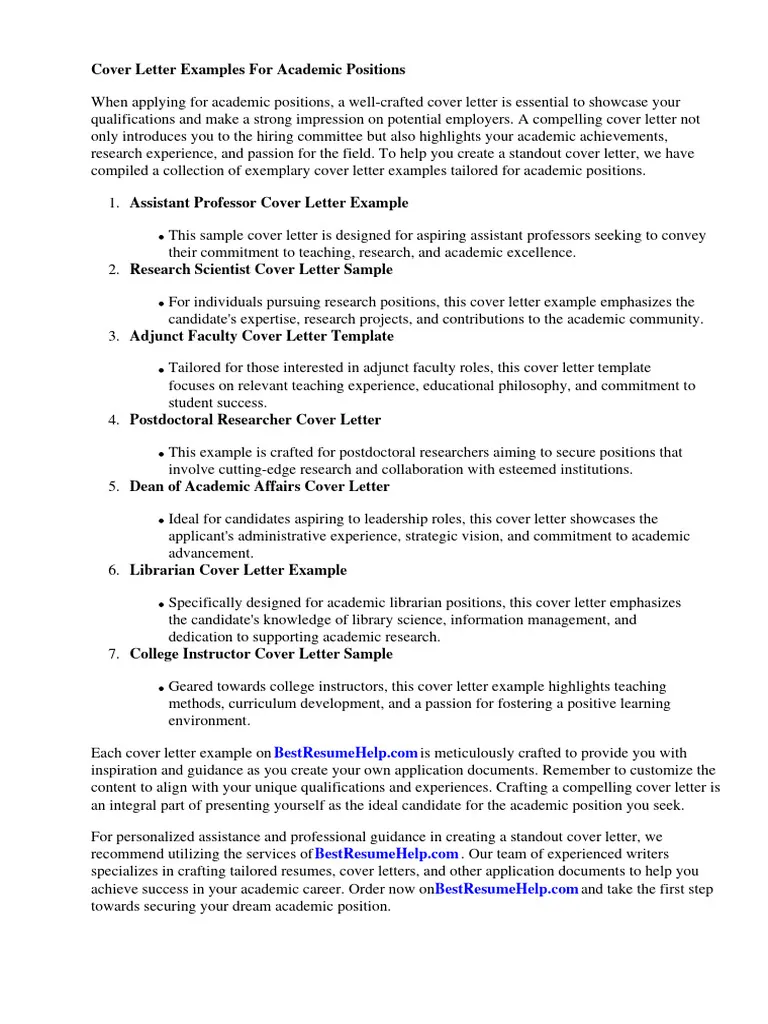
A work study cover letter is a formal document you submit with your work study application. Its primary purpose is to introduce yourself to the hiring manager, highlight your relevant skills and experiences, and express your interest in the specific work study position. Unlike a resume, which provides a summary of your qualifications, a cover letter allows you to elaborate on your abilities and explain why you are the ideal candidate for the job. This is your chance to showcase your personality, enthusiasm, and commitment to the role, setting you apart from other applicants. A well-crafted cover letter is a crucial step in securing a work study position, demonstrating your professionalism and dedication to the application process.
Why is a Strong Cover Letter Important?
A strong cover letter is crucial because it provides the first impression you make on a potential employer. It offers the opportunity to go beyond the resume and highlight specific skills and experiences relevant to the work study position. It enables you to articulate your passion for the role and explain why you are a good fit for the institution. A well-written cover letter shows your attention to detail, writing skills, and understanding of the job requirements, which can significantly increase your chances of getting selected for an interview. Furthermore, it allows you to demonstrate your understanding of the organization and your genuine interest in contributing to its mission. In a competitive field, a well-crafted cover letter can make a difference.
Key Elements of a Winning Cover Letter

A winning cover letter incorporates several key elements that work together to make a strong case for your candidacy. It starts with a professional header, including your contact information and the date, followed by the hiring manager’s details. The opening paragraph should immediately grab the reader’s attention, state the position you’re applying for, and express your interest. The body of the letter is where you showcase your skills and experiences by connecting them to the job requirements. You should also show your enthusiasm and explain your work study goals. A strong closing paragraph should reiterate your interest, and include a call to action, such as asking for an interview. Each of these elements is essential to creating a compelling cover letter.
Header and Contact Information
The header of your cover letter sets the tone for professionalism. Include your full name, address, phone number, and email address at the top left or right corner of the document. Below this, add the date. Next, include the hiring manager’s name (if known), their title, the department, and the university or organization’s name and address. Using the correct format is extremely important. Using the correct format demonstrates attention to detail and professionalism, both highly valued qualities by employers. Ensure all information is accurate and up-to-date. This is a simple yet crucial step in demonstrating your readiness for the work study position.
Addressing the Hiring Manager
Addressing the hiring manager correctly is crucial for making a positive first impression. Always try to find the name of the hiring manager and address the letter to them directly. If you cannot find the name, use a general greeting, such as “Dear Hiring Committee” or “Dear [Department Name] Hiring Team.” Avoid generic greetings like “To Whom It May Concern.” Using the hiring manager’s name shows that you’ve taken the time to research the position and demonstrates a genuine interest in the opportunity. This personalization helps you stand out from other applicants and makes your cover letter feel more engaging and relevant. Always double-check the spelling of the hiring manager’s name.
Opening Paragraph Hook
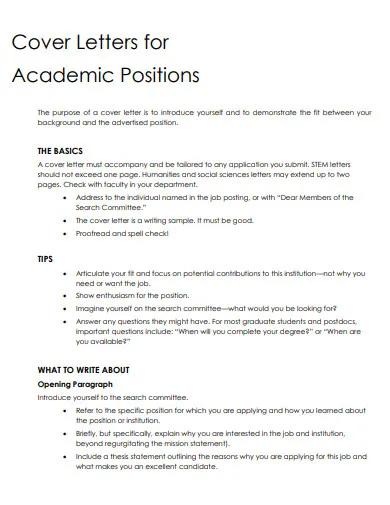
The opening paragraph is your chance to immediately grab the reader’s attention. Start by stating the specific work study position you are applying for and where you saw the advertisement. Express your enthusiasm for the position and the institution, and then briefly highlight one or two key skills or experiences that make you a strong candidate. Keep it concise and impactful. The goal is to make the hiring manager want to read more. Make your opening engaging and relevant to the job requirements. Mentioning a specific project or aspect of the organization that interests you can make your letter stand out. Ensure your opening paragraph sets the tone for the rest of your letter.
Body Paragraph 1 Why You?
The first body paragraph should focus on why you are the best fit for the role. This is where you need to highlight your relevant skills and experience, demonstrating how they align with the job requirements. Instead of simply listing your skills, provide specific examples from your past experiences that showcase your abilities. Quantify your achievements whenever possible. If the job requires strong communication skills, give an example of a time when you successfully communicated with a diverse group. If it requires organization skills, explain how you managed multiple projects or deadlines. The goal is to provide concrete evidence of your skills, making it easy for the hiring manager to see your potential.
Highlight Relevant Skills and Experience
In the body of your letter, specifically address the skills and experiences that are most relevant to the work study position. Review the job description carefully and identify the key requirements. Then, provide specific examples from your past experiences that demonstrate your skills. These could include communication, problem-solving, teamwork, organizational, or technical skills, depending on the job. For each skill, provide a short story. Describe the situation, your actions, and the results. This shows the hiring manager how you have successfully utilized these skills in the past. Be specific and provide context. Tailor your examples to match the specific requirements of the work study position.
Body Paragraph 2 Show Your Enthusiasm
In the second body paragraph, express your genuine enthusiasm for the work study position and the institution. Discuss what specifically excites you about the role and how it aligns with your academic and professional goals. Research the organization and mention any specific programs, projects, or values that resonate with you. Showing that you have taken the time to understand the organization demonstrates your interest and commitment. Moreover, if the position involves any specific tasks or responsibilities that appeal to you, mention those as well. The goal is to show the hiring manager that you are genuinely interested in contributing to their team. This makes your application much more compelling.
Connect Your Skills to the Position’s Requirements
One of the most important steps in writing a compelling cover letter is to connect your skills and experiences directly to the requirements of the work study position. Carefully review the job description and identify the key qualifications the employer is seeking. Then, in your cover letter, highlight the specific skills and experiences you possess that align with these requirements. Provide concrete examples of how you have demonstrated these skills in the past. Quantify your achievements whenever possible to show the impact of your contributions. Explain how your skills and experiences make you the ideal candidate for the job. This direct connection demonstrates that you have carefully considered the role and understand what the employer is looking for.
Body Paragraph 3 Work Study Goals and Values
In your third body paragraph, discuss your work study goals and how this position will help you achieve them. Explain what you hope to gain from the experience, such as new skills, professional development, or industry knowledge. Align your goals with the institution’s values or mission. Discuss your values, and how they align with the organization’s values. For example, if the institution values teamwork, highlight your ability to work collaboratively. If they prioritize innovation, showcase your creative thinking. This shows that you are not only interested in the job itself but also in being a valuable member of the team. Tailor this paragraph to reflect your specific aspirations and how they align with the opportunity.
Emphasize Your Interest in the Institution

Demonstrate your genuine interest in the institution by showcasing your knowledge of its mission, values, and any specific programs that attract you. Research the university or organization thoroughly and mention specific details that resonate with you. You could talk about a faculty member whose research inspires you, a particular project you admire, or the institution’s commitment to a cause that you support. This level of detail shows that you have taken the time to learn about the organization and are not just applying for any job. Mentioning a specific program or value shows your enthusiasm and demonstrates a genuine interest in being part of their community. Show that you are a great fit by showcasing your understanding of the institution’s values.
Closing Paragraph Call to Action
Your closing paragraph should reiterate your enthusiasm and include a clear call to action. Summarize your interest in the work study position and briefly restate why you are a good fit. Thank the hiring manager for their time and consideration. The most important part of the closing is the call to action. Specifically, state that you are available for an interview and provide your contact information again. Make it easy for the hiring manager to reach you by providing your phone number and email address. Make your closing paragraph professional and memorable. Leave a positive final impression. It reinforces your interest and makes it clear that you want to move forward in the hiring process.
Proofread and Edit Your Cover Letter
Proofreading and editing are absolutely essential. Before submitting your cover letter, carefully proofread it for any grammatical errors, spelling mistakes, and typos. Read it aloud to catch any awkward phrasing or unclear sentences. Ask a friend, family member, or career counselor to review it as well. A fresh pair of eyes can often catch mistakes that you might miss. Ensure your cover letter is well-organized, and easy to read. Check the formatting and ensure that it is consistent throughout the document. A polished and error-free cover letter demonstrates professionalism and attention to detail, significantly increasing your chances of success. Taking the time to proofread shows your diligence and respect for the opportunity.
Formatting Tips for a Professional Look

Formatting your cover letter correctly is crucial for a professional look. Use a standard, easy-to-read font such as Times New Roman, Arial, or Calibri, with a font size between 10 and 12 points. Ensure that the text is consistently aligned, usually left-aligned. Use single spacing within paragraphs and double spacing between paragraphs. Avoid using excessive bolding, italics, or underlining. Keep the tone professional and avoid slang or overly casual language. Maintain consistent margins, typically one inch on all sides. Ensure the layout is clean and uncluttered. Your cover letter should be visually appealing, easy to read, and free from distracting elements. A well-formatted cover letter reflects your attention to detail and professionalism.
Example Work Study Cover Letter
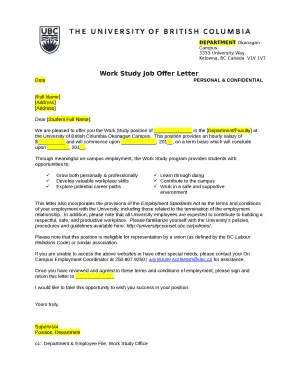
Here is a sample work study cover letter to serve as a template. [Your Name] [Your Address] [Your Phone Number] [Your Email Address] [Date] [Hiring Manager Name] [Hiring Manager Title] [Department] [University/Organization Name] [University/Organization Address] Dear [Hiring Manager Name], I am writing to express my enthusiastic interest in the work study position. I am a [Your Year] majoring in [Your Major]. I believe my skills and experience make me a strong candidate. I am eager to contribute my skills and dedication to [University/Organization Name]. Thank you for your time and consideration. I look forward to the opportunity to discuss my qualifications further in an interview. Sincerely, [Your Name].
Tips for Tailoring Your Letter
Tailoring your cover letter to each specific work study position is key to standing out. Never use a generic cover letter. Always customize your letter to align with the specific requirements of the job. Start by thoroughly reviewing the job description and identifying the key skills, experiences, and qualifications the employer is seeking. Then, highlight your relevant skills and experiences, providing specific examples that demonstrate how you meet the requirements. Use keywords from the job description throughout your letter to show that you understand the position. Research the organization and demonstrate your knowledge. Address the hiring manager by name. Tailoring your cover letter shows your attention to detail and genuine interest in the role.
Common Mistakes to Avoid

Avoid these common mistakes. Don’t use a generic cover letter; always tailor it to the specific job. Don’t make grammatical errors or spelling mistakes; proofread carefully. Do not be vague or too general; provide concrete examples. Avoid simply restating your resume. Do not use overly casual language or slang. Don’t focus on what you want; emphasize what you can offer the employer. Avoid negative language or criticizing previous employers. Do not write a letter that is too long. Keep the letter concise and focused. Finally, don’t forget to include a call to action.
Dos and Don’ts
Do tailor your letter to each job. Do highlight relevant skills. Do provide specific examples. Do research the organization. Do proofread and edit carefully. Don’t use a generic template. Don’t make grammatical errors. Don’t be vague. Don’t focus on yourself only. Don’t forget to include a call to action. Following these dos and don’ts will increase your chances of success.
Final Thoughts and Next Steps
Writing a compelling work study cover letter takes time and effort. By following these guidelines, you can create a cover letter that effectively showcases your skills, experiences, and enthusiasm. Remember to tailor your letter to each specific job, proofread it carefully, and always include a call to action. After submitting your cover letter and resume, follow up with the hiring manager if you don’t hear back within a reasonable timeframe. A well-crafted cover letter is an investment in your future. Good luck with your application. Prepare for an interview, and follow up with a thank-you note. Take the next steps to enhance your career.