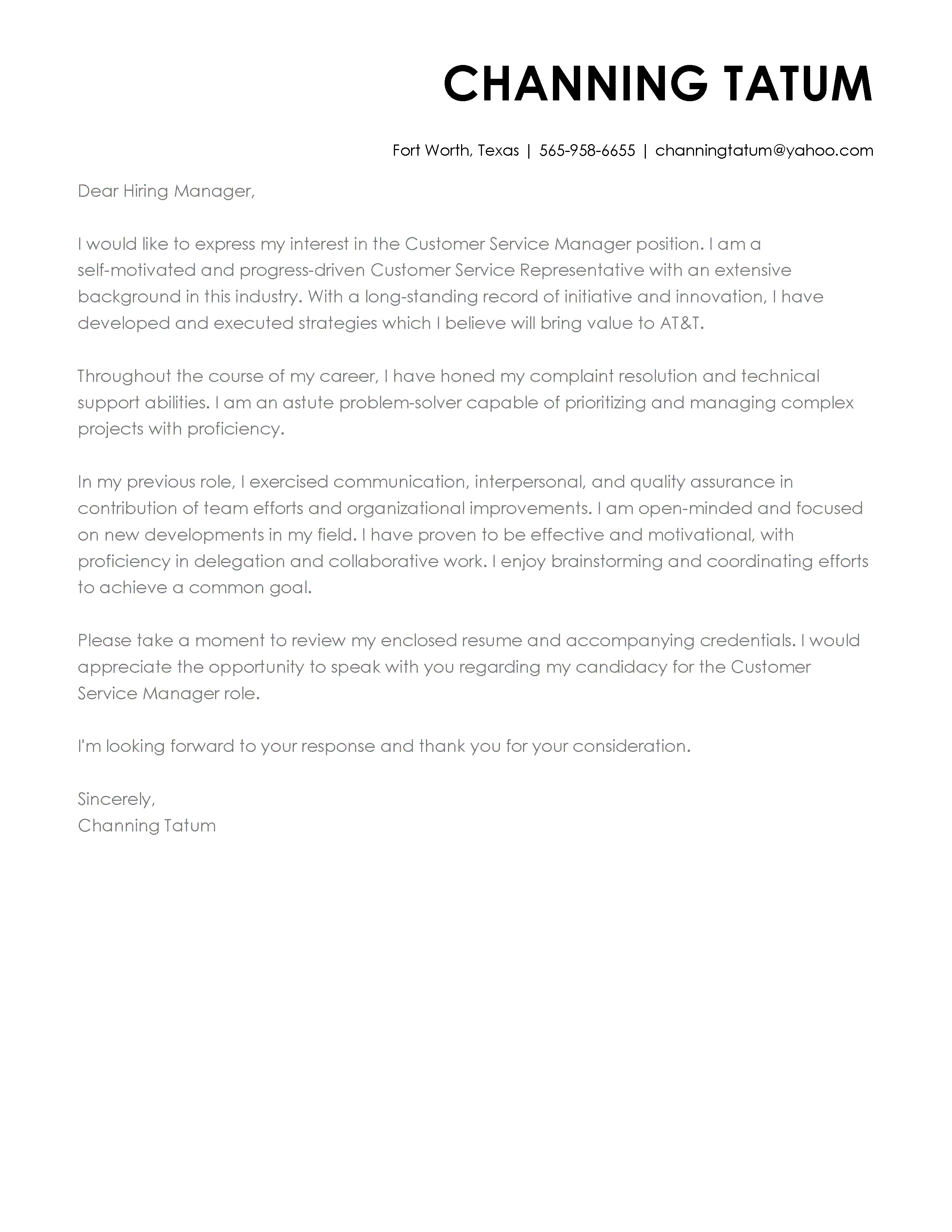
A cover letter is a crucial document in your job application package. It’s your first opportunity to make a strong impression on a potential employer and showcase why you’re the ideal candidate for the role. A well-crafted cover letter complements your resume, providing context, highlighting your relevant skills and experiences, and demonstrating your enthusiasm for the position. This guide will walk you through the essential elements of a perfect cover letter, helping you create a document that grabs the attention of hiring managers and increases your chances of landing an interview.
Cover Letter Essentials What to Include
Before diving into the specifics, it’s important to understand the core components of a cover letter. A perfect cover letter should include these key elements to be effective. Each section serves a specific purpose in conveying your qualifications and interest. Remember, the goal is to provide a clear, concise, and compelling narrative that makes the reader want to learn more about you.
Contact Information
Start with your contact information. Include your full name, phone number, email address, and optionally, your LinkedIn profile URL. This information should be prominently displayed at the top of the letter. Ensure the email address is professional and that your voicemail greeting is appropriate. This is the primary way employers will reach out to you, so accuracy and professionalism are paramount.
Date and Salutation

Following your contact information, include the date of the letter and the recipient’s information (if known). Use a professional salutation, such as “Dear Mr./Ms./Mx. [Last Name]” or “Dear Hiring Manager,” if you don’t know the specific name. Avoid generic greetings like “To Whom It May Concern.” If you cannot find a name, research the company’s website or LinkedIn to find the hiring manager’s name or the person in charge of receiving applications.
Body Paragraphs Crafting Your Message
The body of your cover letter is where you sell yourself. This section should be divided into three to four paragraphs, each serving a specific purpose. A well-structured body will provide a narrative that captures the employer’s interest. Remember, your goal is to provide a comprehensive overview of your qualifications, interest, and suitability for the position while remaining concise and engaging. Use active voice and impactful language to make your points.
First Paragraph Capturing Attention
The first paragraph is your hook. Begin by stating the position you’re applying for and where you saw the job posting. Immediately express your enthusiasm for the role and the company. You can also briefly mention something that sparked your interest, such as a company achievement or a specific aspect of the job description. This opening should be captivating and set the tone for the rest of the letter, encouraging the reader to continue.
Second Paragraph Highlighting Skills

In the second paragraph, highlight your skills and experience that are most relevant to the job requirements. Use specific examples from your past roles to demonstrate your abilities. Quantify your achievements whenever possible. For instance, instead of saying ‘Managed a team,’ you could say ‘Managed a team of 10 employees, increasing productivity by 15%.’ This paragraph should prove to the employer that you have the skills and experience needed to excel in the role.
Third Paragraph Showcasing Enthusiasm
The third paragraph should focus on your enthusiasm for the company and the specific role. Explain why you are interested in this particular company, what resonates with you about their mission, values, or culture. Show that you’ve done your research. Connect your skills and experience to the company’s goals. This is where you demonstrate that you’re not just looking for any job but genuinely want to work for them. Be authentic and let your passion shine through.
Closing Paragraph Call to Action
Conclude your cover letter with a strong call to action. Reiterate your interest in the position and express your eagerness for an interview. Thank the hiring manager for their time and consideration. Provide your contact information again. A professional closing, such as “Sincerely” or “Best regards,” followed by your name and signature (if submitting a hard copy), completes the letter. A clear and concise closing leaves a lasting positive impression.
Formatting Your Cover Letter

Proper formatting is crucial for a professional and readable cover letter. The format impacts readability and the overall impression your letter makes. Poorly formatted letters can distract readers from your qualifications. Following specific guidelines will ensure your cover letter is easy to read and visually appealing.
Font and Style
Choose a professional font, such as Times New Roman, Arial, or Calibri, in a 10- or 12-point size. Ensure consistent formatting throughout the document, including consistent margins (typically 1 inch on all sides) and spacing (single or 1.15 spacing). The goal is to create a clean and easy-to-read layout. Avoid overly decorative fonts or excessive use of bolding or italics, as these can distract the reader.
File Format
Always save your cover letter as a PDF to preserve the formatting and ensure it looks the same regardless of the recipient’s computer or software. This prevents any issues with fonts or layout that might occur if you send a Word document. Using a PDF file also helps protect your document from being altered. Ensure the file name is professional and includes your name and the job title or company name, such as ‘JohnDoe_CoverLetter_MarketingManager.pdf’.
Proofreading and Editing

Proofread your cover letter meticulously for any errors in grammar, spelling, and punctuation. Read it aloud to catch any awkward phrasing or sentences. It’s also helpful to have a friend or colleague review your letter. Typos and grammatical errors can make you appear unprofessional and can hurt your chances of getting an interview. A well-edited cover letter demonstrates attention to detail and professionalism.
Cover Letter Examples
Reviewing examples of successful cover letters can provide valuable guidance. By studying different examples, you can gain insights into how to tailor your cover letter to specific roles and industries. Always adapt these examples to reflect your unique skills and experience, tailoring it to the specific job and company you’re applying for.
Cover Letter for a Specific Role
When applying for a specific role, carefully review the job description and tailor your cover letter to match the required skills and qualifications. Highlight the specific experiences and achievements that are most relevant to the position. Use keywords from the job description to demonstrate your understanding of the role and what the employer is seeking. Provide specific examples of your accomplishments that align with the job’s needs.
Cover Letter for Internship

For internship applications, emphasize any relevant coursework, projects, volunteer experiences, or extracurricular activities. Even if you have limited work experience, showcase your transferable skills, such as communication, teamwork, and problem-solving. Highlight your enthusiasm for the internship program and the company. Explain what you hope to gain from the internship and how your skills and interest align with the company’s goals.
Cover Letter for Entry-Level Position
When applying for entry-level positions, focus on your educational background, internships, volunteer work, and any relevant skills you’ve developed. Clearly articulate your career goals and why you’re a good fit for the company and the role. Demonstrate your willingness to learn and your eagerness to contribute. Tailor your cover letter to show how your skills and experiences align with the company’s values and goals.
Cover Letter Best Practices
To maximize the impact of your cover letter, follow these best practices. Focusing on these areas will increase your chances of success, and help you to stand out from other applicants. Adhering to these guidelines ensures your application portrays you in the best possible light.
Tailoring Your Cover Letter

Customize each cover letter for the specific job and company. Avoid using a generic template. Research the company and tailor your letter to reflect their values and culture. Refer to specific aspects of the company or role that interest you, showing that you’ve done your homework. Tailoring your cover letter demonstrates your genuine interest in the opportunity and increases your chances of being selected for an interview. (Image: tailoring-cover-letter)
Using Keywords Effectively
Carefully review the job description and incorporate relevant keywords throughout your cover letter. Keywords help applicant tracking systems (ATS) identify qualified candidates. However, don’t stuff your letter with keywords. Use them naturally within the context of your sentences. Focus on the most important skills and qualifications highlighted in the job posting, and demonstrate how you meet those requirements with clear examples. (Image: using-keywords-effectively)
Common Cover Letter Mistakes
Avoid common mistakes that can undermine your application. Mistakes can immediately disqualify you. Be sure to avoid these pitfalls to boost your chances. Thoroughly review your cover letter before submitting to ensure you present your best self.
Failing to tailor your cover letter. Using a generic template. Making grammatical errors or typos. Being too generic and not providing specific examples. Not highlighting your accomplishments. Submitting a cover letter that is too long or too short. Being unprofessional or using inappropriate language. Not including a call to action.
In conclusion, a perfect cover letter is a powerful tool for your job search. By following these guidelines, you can create a cover letter that grabs the attention of employers, highlights your skills and experiences, and showcases your enthusiasm. Remember to tailor each letter to the specific job and company. Always proofread meticulously. Writing a perfect cover letter is a step towards landing your dream job.