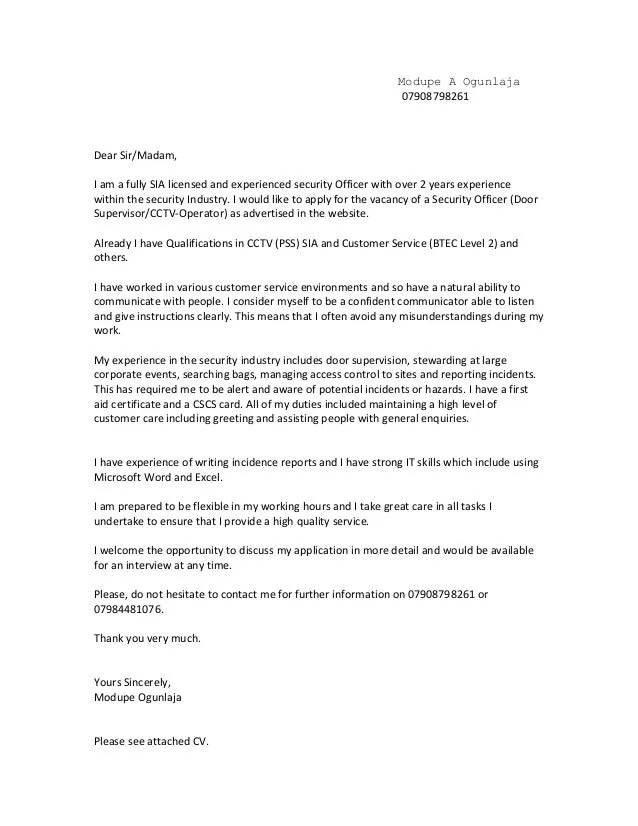
Crafting a Powerful Cover Letter
A cover letter is your first opportunity to make a strong impression on a potential employer. It’s more than just a formality; it’s a critical tool in your job search arsenal. A well-written cover letter complements your resume by providing context, personality, and a clear demonstration of your suitability for a specific role. This guide will walk you through the essential steps of crafting a powerful cover letter that grabs attention and increases your chances of landing an interview.
Understanding the Purpose of a Cover Letter
The primary purpose of a cover letter is to introduce yourself to the hiring manager and express your interest in a specific position. It allows you to personalize your application and showcase your unique qualifications and personality. Cover letters bridge the gap between your resume’s factual details and the human element of your professional identity. They give you a platform to articulate why you are the ideal candidate and how your skills align with the company’s needs.
Why Cover Letters Matter

In today’s competitive job market, a cover letter can be the deciding factor in whether your application gets noticed. It allows you to provide a narrative that contextualizes your resume, offering deeper insights into your career goals, motivations, and experiences. A well-crafted cover letter can demonstrate your communication skills, attention to detail, and genuine interest in the company and the role. It gives you an opportunity to show that you’re not just applying for any job but that you’re specifically interested in this one.
Key Components of a Cover Letter
A powerful cover letter includes several key components working in harmony to make a strong first impression. Each section serves a specific purpose, contributing to an overall persuasive argument for why you’re the best fit for the job. A clear, concise, and well-structured cover letter is essential for success. Focusing on these elements ensures you present your qualifications in the most compelling way possible. Remember, your cover letter is your personal marketing document; make it count.
Header and Contact Information
Begin with your contact information at the top of the letter. This includes your name, address, phone number, and email address. Make sure your email address is professional. Ensure the information is accurate and up-to-date so the employer can easily contact you. A clean, well-formatted header sets a professional tone from the outset. Consistency with the resume’s header is a bonus, reinforcing your attention to detail.
Date and Recipient Information

Below your contact information, include the date. Then, address the letter to the hiring manager or the specific person mentioned in the job posting. If you cannot find a name, use a professional salutation like ‘Dear Hiring Manager.’ Researching the company’s website or LinkedIn can often help you find the right person to address the letter to. Addressing the letter to a specific person immediately makes it more personal and demonstrates that you’ve done your homework.
The Salutation
The salutation sets the tone for your letter. Use ‘Dear [Hiring Manager Name]’ if you know the name, or ‘Dear Hiring Manager’ if you don’t. Avoid generic salutations like ‘To Whom It May Concern.’ Ensure the salutation matches the tone and formality of the company culture. A well-chosen salutation shows you have paid attention to detail and are respectful.
Writing a Compelling Opening
Your opening paragraph should immediately capture the reader’s attention. State the position you’re applying for and briefly explain where you saw the job posting. Then, provide a compelling statement that showcases your enthusiasm and qualifications. Consider mentioning something specific that drew you to the company or the role. This shows you’ve done your research and are genuinely interested.
Highlighting Your Skills and Experience

The body of your cover letter is where you connect your skills and experience to the job requirements. Focus on the key skills and experiences listed in the job description and explain how you’ve demonstrated them in previous roles. Use specific examples to showcase your achievements and quantify your results whenever possible. Provide context that your resume might not offer, elaborating on projects or challenges you’ve successfully handled.
Matching Skills to Job Requirements
Carefully review the job description and identify the essential skills and qualifications the employer is seeking. Then, clearly demonstrate how your skills and experience align with these requirements. Tailor your letter to the specific needs of each job application. Mention specific projects, accomplishments, or experiences that directly relate to the job. This makes it easy for the hiring manager to see you as a strong fit.
Quantifying Your Achievements
Whenever possible, quantify your achievements to demonstrate the impact of your work. Use numbers, percentages, or specific results to illustrate your accomplishments. For example, instead of saying ‘Improved customer service,’ say ‘Increased customer satisfaction scores by 15% through implementing a new training program.’ Quantifiable achievements provide tangible evidence of your value.
Demonstrating Your Enthusiasm

Express genuine enthusiasm for the role and the company. Share why you’re interested in this specific opportunity and what you hope to contribute. This could involve referencing the company’s mission, values, or recent achievements. Show that you’ve done your homework and are genuinely excited about the prospect of joining their team. Enthusiasm can be infectious and make you stand out from other applicants.
Closing the Cover Letter Effectively
Your closing should reinforce your interest in the position and thank the reader for their time and consideration. Summarize your key qualifications and reiterate your enthusiasm. Make sure your tone is confident but not overly assertive. Offer a clear call to action, such as expressing your availability for an interview. A strong closing leaves a lasting positive impression.
The Call to Action
Include a clear call to action to guide the reader. This could be a statement like, ‘I am eager to discuss how my skills and experience can benefit your team’ or ‘I am available for an interview at your earliest convenience.’ This encourages the employer to take the next step and contact you. Make it easy for them to take action.
Proofreading and Formatting

Before submitting your cover letter, meticulously proofread it for any errors in grammar, spelling, or punctuation. Errors can undermine your credibility and demonstrate a lack of attention to detail. Consider having someone else review your letter for an extra pair of eyes. Proper formatting enhances readability. This makes your letter look polished and professional, making it easier for the hiring manager to read and appreciate your qualifications.
Common Mistakes to Avoid
Avoiding common mistakes is crucial to ensuring your cover letter makes a positive impression. Certain errors can immediately disqualify you from consideration. Being aware of these pitfalls and making the necessary corrections can significantly improve your chances of success. Pay close attention to the following to ensure your cover letter is up to par.
Grammar and Spelling Errors
Errors in grammar and spelling can be the death knell for your cover letter. Proofread meticulously and use a grammar and spell-checking tool. These errors demonstrate a lack of attention to detail and make you appear unprofessional. Ensure your letter is flawless, as these mistakes create an immediate negative impression.
Generic and Vague Language

Avoid using generic language that could apply to any job. Instead, tailor your letter to the specific requirements of the position. Use specific examples to illustrate your skills and achievements. Vague language shows a lack of genuine interest and an unwillingness to put in the effort. Personalize your letter to show you’re truly interested in this specific role.
Cover Letter Length
Keep your cover letter concise and to the point. Aim for a length of one page, as busy hiring managers may not have the time to read lengthy documents. Focus on the most relevant information and use clear, concise language. A well-written, concise cover letter is more likely to hold the reader’s attention and highlight your most important qualifications.
Cover Letter Formatting Tips
Proper formatting enhances the readability and professional appearance of your cover letter. These formatting tips can help you create a document that’s easy to read and visually appealing. A well-formatted cover letter demonstrates attention to detail and professionalism, making a positive first impression.
Font Selection
Choose a professional and easy-to-read font such as Times New Roman, Arial, or Calibri. The font size should be between 10 and 12 points for easy readability. Avoid using overly decorative or unusual fonts, which can distract from the content. A clean, classic font enhances the professional look of your cover letter.
Margins and Spacing
Use standard margins of 1 inch on all sides. Single-space the body of the letter, but double-space between paragraphs. This spacing creates visual separation and makes the letter easier to read. Proper margins and spacing create a clean and professional layout.
File Format
Save your cover letter as a PDF file to ensure that your formatting remains consistent across different devices and operating systems. This will prevent any formatting issues that might arise when the employer opens the document. Always check to make sure your PDF opens properly before you submit it.
Tailoring Your Cover Letter
The most successful cover letters are tailored to each specific job application. A generic cover letter rarely makes a strong impression. Take the time to customize your letter to highlight the skills and experiences that are most relevant to the specific position and company. This level of personalization shows that you are genuinely interested in the opportunity and have taken the time to understand the job requirements.
Researching the Company
Before writing your cover letter, research the company and the role. Understand their mission, values, and recent achievements. Use this information to tailor your letter and demonstrate your understanding of their needs. Show the hiring manager that you understand what the company does and how you can contribute. The effort you put into researching will shine through.
Using Keywords
Incorporate relevant keywords from the job description into your cover letter. This helps demonstrate that your skills and experience align with the requirements of the role. Keywords can also help your application pass through Applicant Tracking Systems (ATS). But be sure to integrate the keywords naturally within your sentences. Keyword stuffing is easily detectable and can make your letter look unauthentic.
Cover Letter Examples
Reviewing cover letter examples can provide valuable insights into the structure, tone, and content of effective letters. Use examples to get ideas, but avoid copying them directly. Tailor the examples to your own skills and experiences and the specific requirements of the job. Focus on customizing these templates to fit your unique background and the needs of the position.