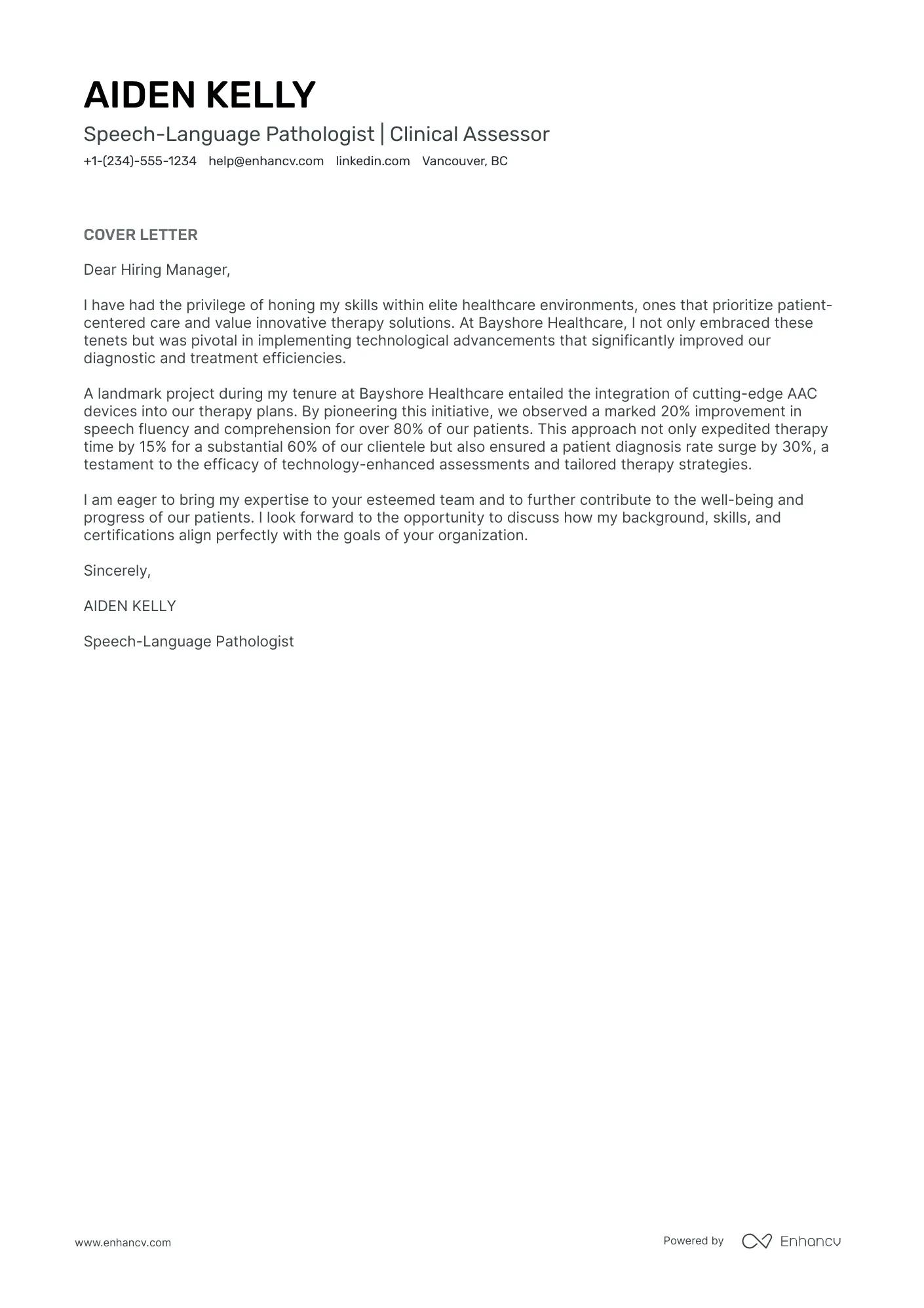
What is a Grad School Cover Letter?
A grad school cover letter is a vital part of your application package. It serves as your personalized introduction to the admissions committee, allowing you to showcase your unique qualifications, motivations, and aspirations beyond the information contained in your resume or transcripts. Unlike a resume, which presents a summary of your experiences, a cover letter provides a narrative, enabling you to explain your genuine interest in the program and highlight why you are a strong fit. It’s your opportunity to demonstrate your personality, writing skills, and enthusiasm for your chosen field. A well-crafted cover letter can significantly enhance your chances of being accepted into your desired graduate program, leaving a lasting positive impression on the admissions committee.
Why Is a Cover Letter Important
The importance of a grad school cover letter cannot be overstated. It represents your chance to make a strong first impression. Admissions committees use cover letters to evaluate your communication skills, writing ability, and enthusiasm for the program. A compelling cover letter highlights relevant aspects of your background and experiences that might not be immediately apparent from your resume or transcripts. It allows you to address any potential gaps in your academic history, such as periods of unemployment or lower grades in certain courses, by presenting them in a positive light. By clearly articulating your goals and how the program aligns with your aspirations, you demonstrate that you are a dedicated and well-prepared applicant. This showcases that you have researched the program and understand how it can help you achieve your career goals. In essence, a well-written cover letter provides a deeper understanding of who you are as a prospective student.
Key Components of a Strong Cover Letter

A strong grad school cover letter is composed of several key components that work together to create a compelling narrative. These elements are essential for effectively communicating your qualifications and aspirations to the admissions committee. A well-structured cover letter is organized, concise, and tailored to the specific program to which you’re applying. Each section contributes to the overall message, increasing its impact.
Header and Contact Information
Begin your cover letter with a professional header that includes your full name, address, phone number, and email address. This information should be clearly formatted and easy to find. Include the date and the recipient’s contact information, such as the name and title of the admissions committee member, the department, and the university’s address. This demonstrates professionalism and attention to detail. Ensure your header adheres to standard formal document formatting.
Salutation and Addressing the Recipient
Address your letter to a specific individual whenever possible. Research the program and identify the admissions committee chair or a professor whose work aligns with your interests. Use their name in your salutation (e.g., “Dear Professor Smith”). If a specific name isn’t available, use a general salutation like “Dear Admissions Committee” or “To Whom It May Concern.” Avoid generic salutations such as “Dear Sir/Madam,” which can appear impersonal. Be sure to correctly address the recipient, including the appropriate title and correct spelling, to show respect.
Body Paragraph 1 Expressing Your Interest

In the first body paragraph, clearly state your purpose—to apply to the specific graduate program. Express your genuine interest in the program and the university. Mention what initially sparked your interest in the field and what draws you to this particular program. Show that you’ve researched the program and understand its mission, values, and unique offerings. This paragraph sets the tone for your letter and captures the reader’s attention from the start, encouraging them to continue reading.
Highlighting Relevant Skills and Experiences
In your second body paragraph, highlight your skills, experiences, and achievements that align with the program’s requirements and your academic interests. Use specific examples from your academic, professional, or personal life to demonstrate your abilities. Quantify your accomplishments whenever possible (e.g., “Increased sales by 15%,” “Managed a team of 5”). Emphasize how these experiences have prepared you for graduate-level study and will contribute to your success in the program. By making your profile relatable and providing specific evidence, you strengthen your application and illustrate your potential to the admissions committee.
Body Paragraph 2 Connecting Your Profile
Use this paragraph to bridge the gap between your skills and the program’s curriculum. Show a clear understanding of the program’s focus and how your interests align with its offerings. Mention specific courses, professors, or research areas that excite you. Highlight relevant projects, publications, or presentations you’ve been involved in. Discuss why you are interested in the program’s specific approach and highlight what resources attract you, illustrating how you plan to contribute to the academic community.
Demonstrating Your Knowledge and Fit

Demonstrate your understanding of the program and how your background aligns with its goals. This is where you showcase your knowledge of the field and how your experiences have prepared you for the program. Discuss relevant research, coursework, or professional experiences that make you a strong fit. Be specific about why you are drawn to this particular program and how it aligns with your academic and career aspirations. Demonstrate your strong grasp of your target program.
Body Paragraph 3 Showcasing Your Achievements
Use this paragraph to highlight specific achievements. Provide concrete examples of your successes, such as academic awards, research projects, publications, or significant contributions in your professional life. Emphasize the skills, qualities, and experiences that make you a strong candidate. Show, don’t just tell, by providing evidence of your capabilities and potential, employing quantifiable data to illustrate your achievements, and adding clarity to your accomplishments.
Quantifying Accomplishments and Results
Quantify your accomplishments to make them more impactful. Instead of saying “improved customer satisfaction,” state “increased customer satisfaction scores by 20% by implementing a new feedback system.” Use numbers, statistics, and data to demonstrate the impact of your achievements. This adds credibility and shows that you understand the importance of results. Demonstrate to the admissions committee that you can make a difference by providing quantifiable examples.
Body Paragraph 4 Expressing Enthusiasm and Goals

In your final body paragraph, express your enthusiasm for the program and reiterate your goals. Summarize how the program will help you achieve your career objectives. Describe what you hope to gain from the program and how you envision contributing to the field after graduation. Show that you have a clear vision for your future and are committed to pursuing your academic and professional goals. Highlight your genuine interest in the program and how it can shape your career path.
The Importance of a Strong Closing
Conclude your cover letter with a strong closing. Reiterate your interest in the program and thank the admissions committee for their time and consideration. Express confidence in your ability to succeed in the program and your anticipation of hearing from them. Include a call to action, such as stating your willingness to provide additional information or attend an interview. A professional closing leaves a positive, lasting impression and reinforces your commitment to the program.
Formatting and Structure
Proper formatting and structure are essential for presenting your information clearly and professionally. Correct formatting ensures your letter is easy to read and visually appealing, making a positive impression. Well-structured content allows key points to stand out, enabling the reader to quickly grasp your qualifications and enthusiasm. Paying close attention to these elements can significantly boost the impact of your cover letter.
Font and Style

Choose a professional, easy-to-read font such as Times New Roman, Arial, or Calibri, with a font size of 11 or 12 points. Maintain consistent formatting throughout the letter, including spacing, margins, and paragraph alignment. Use standard 1-inch margins. Ensure that your text is left-aligned with a justified or flush-left format. Use single or 1.15 line spacing, with a blank line between paragraphs to improve readability. Proper formatting adds to the professional appearance of your application.
Proofreading and Editing
Meticulously proofread your cover letter to catch any grammatical errors, spelling mistakes, or typos. Errors can undermine your credibility. Use a spell checker and grammar checker, but don’t rely solely on them. Read the letter aloud to catch awkward phrasing. Ask a friend, family member, or career counselor to review your letter for feedback. A fresh perspective can help identify errors. Revise based on feedback and re-proofread before submission. Proper proofreading is essential.
Common Mistakes to Avoid
Avoiding common mistakes is crucial for ensuring that your grad school cover letter effectively showcases your qualifications. By being aware of these potential pitfalls, you can prevent them and make your letter stand out for all the right reasons. A well-crafted cover letter, free of errors, can significantly strengthen your application.
Generic Language

Avoid generic phrases that lack specific details about your experiences. Generic language demonstrates a lack of personalization and effort. Instead of saying, “I am a hard worker,” provide a specific example. Use unique language and demonstrate your knowledge of the program. Make sure your letter is original and authentic to your goals.
Focusing Too Much on Yourself
While the cover letter is about you, don’t focus solely on your needs. Balance your focus by discussing how your skills and experiences align with the program’s goals and how you can contribute to the university community. Show that you’ve researched the program. Frame your qualifications in terms of how they benefit the program.
Ignoring Instructions
Always follow the instructions provided by the program. This includes any specific requirements. Not adhering to instructions can lead to rejection. Ensure your letter aligns with the program guidelines. Following instructions shows attention to detail and commitment to the application process. Ignoring these can be a costly mistake.
Tailoring Your Letter

Tailoring your grad school cover letter is essential for demonstrating your genuine interest and fit for the specific program. A generic cover letter sent to multiple programs is easily recognizable and will not be as effective as one customized to each program’s unique requirements. Personalization allows you to address aspects of the program that match your interests, making your application stand out.
Researching the Program and Professors
Thoroughly research the program and its faculty. Visit the university website, read the program’s mission statement, and explore faculty profiles. Identify courses, research areas, or professors. Use this to tailor your letter. Mention specific professors and show how you wish to contribute, demonstrating a proactive approach.
Using Keywords
Incorporate relevant keywords from the program description. This shows that you understand their focus. Using the same language shows that you’re a good fit. Avoid overusing keywords. Use them naturally to highlight your skills and interests. This helps draw attention and shows the admissions committee that you are a strong candidate.
Examples of Effective Cover Letter Phrases
Use effective phrases to showcase your enthusiasm. Instead of saying “I am passionate about X,” say “My passion for X has driven me to…” Instead of stating “I have experience in Y,” try “I developed my skills in Y through…” Use action verbs. Customize phrases for each program.
Reviewing Successful Examples
Reviewing successful examples provides valuable insights into writing compelling letters. Analyzing these helps you structure, tailor, and present your qualifications. Learning from successful applications increases your chances of acceptance.
Additional Tips for Success
Follow these tips. Start early and allow time. Proofread carefully. Be specific, highlighting accomplishments. Show enthusiasm, and proofread for errors. Tailor the letter to each program, following all instructions and deadlines. Make your cover letter a reflection of you.
Seeking Feedback
Seek feedback from trusted sources. Ask friends, family, and career counselors. Get feedback on clarity and content. Consider asking those in the field for their opinion. Be open to criticism. Revise your work based on feedback and always proofread before submission.
Maintaining a Positive Tone
Maintain a positive and professional tone throughout your cover letter. Use a confident tone. Express genuine interest and avoid negative language. This creates a strong first impression. The cover letter is an important part of your application.
Following Up
After submitting your application, it is okay to follow up with the admissions committee. Send a polite email a few weeks after the deadline to inquire about the status. Reiterate your interest and your qualifications. Show your professionalism and attention to detail. However, respect their time, and avoid excessive follow-up requests.