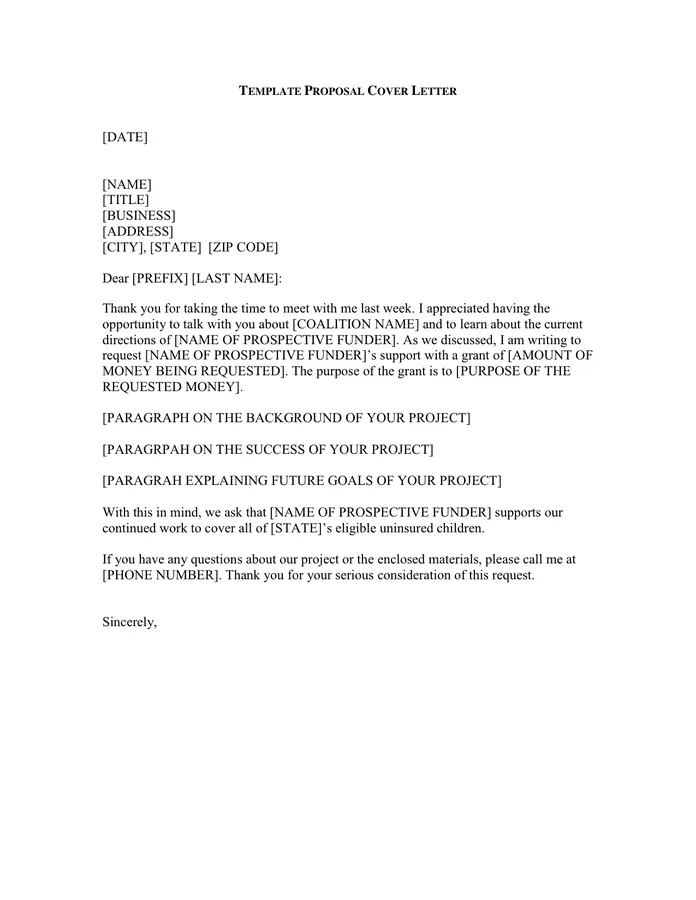
Understanding the Contract Proposal Cover Letter
A contract proposal cover letter is your first impression. It’s the initial document potential clients see, and it sets the tone for the entire proposal. A well-crafted cover letter can significantly increase your chances of securing a contract, while a poorly written one can lead to immediate rejection. It is more than just an introduction; it’s a carefully constructed sales pitch that aims to capture the reader’s attention and persuade them to delve deeper into your proposal. Think of it as your personal advocate, highlighting your value and demonstrating your understanding of the client’s needs.
Purpose of a Cover Letter
The primary purpose of a cover letter is to introduce your contract proposal and persuade the recipient to read it. It should briefly summarize your understanding of the project, highlight your qualifications, and express your enthusiasm for the opportunity. It provides a narrative context for the more detailed proposal document, which enables you to connect with the client on a more personal level, demonstrating that you are not just another applicant but someone who is genuinely interested in their project. This initial communication helps establish trust and credibility, setting the stage for a positive working relationship.
Importance of a Strong Cover Letter

A strong cover letter is crucial for several reasons. First, it showcases your communication skills, a vital aspect of any successful business relationship. Second, it allows you to personalize your proposal, demonstrating that you’ve taken the time to understand the client’s needs and tailor your response accordingly. Third, it acts as a filter, helping you stand out from the competition by highlighting your unique value proposition. In a competitive market, where clients often receive numerous proposals, a well-written cover letter is your key to getting noticed and securing the contract. It is your opportunity to make a memorable first impression.
Key Components of a Winning Cover Letter
A winning cover letter includes several key components that work together to create a compelling and persuasive message. Each element plays a vital role in conveying professionalism, demonstrating your understanding of the project, and showcasing your suitability for the role. From contact information to the closing statement, every aspect of the letter should be carefully crafted to leave a positive and lasting impression on the potential client. The following sections provide detailed guidance on how to write each of these vital components.
Your Contact Information
Start with your contact information at the top of the letter. This includes your full name, address, phone number, and email address. Ensure this information is accurate and up-to-date. Presenting your contact information clearly and professionally ensures the client can easily reach you. This also shows attention to detail, a sign of your professionalism. Your contact information should be formatted consistently across all documents, including your proposal and resume.
Date and Recipient Information

Following your contact information, include the date and the recipient’s details. Start with the date, then provide the recipient’s name, title, and company name. If you know the specific person to whom you’re addressing the letter, use their name; otherwise, address it to the appropriate department or hiring manager. This shows you’ve done your research and have personalized the letter. Accurate and specific recipient information increases the likelihood of your letter reaching the right person and helps establish a more personal connection.
Professional Salutation
Begin your letter with a professional salutation, such as “Dear Mr./Ms./Mx. [Last Name]” If you don’t know the recipient’s name, use a formal alternative like “Dear Hiring Manager” or “Dear [Department Name] Team.” Avoid generic greetings like “To Whom It May Concern,” as they can make your letter feel impersonal. Your salutation sets the tone for the entire letter. Using the correct title and name demonstrates respect and attention to detail, which can immediately improve your image. This also builds rapport and shows that you’ve taken the time to address your correspondence properly.
Compelling Opening Paragraph
The opening paragraph is your chance to grab the reader’s attention. Briefly state the purpose of your letter—to submit a proposal for the project—and mention where you found the opportunity. Express your enthusiasm for the project and demonstrate your understanding of the client’s needs. Start with a strong hook that highlights something specific about the project or the client’s organization. A compelling opening paragraph immediately captures the reader’s interest, making them want to continue reading. It sets the tone for the rest of your letter and shows you’re excited about the prospect.
Highlighting Your Understanding of the Project

Demonstrate that you’ve read and understood the project requirements. Briefly summarize the client’s needs and show how your services align with those needs. Mention specific aspects of the project that resonate with you. This shows the client that you’re not just sending a generic proposal, but have taken the time to understand their specific challenges and goals. This also assures the client that you’re capable of delivering the solution that they need. Highlighting your understanding demonstrates that you’re a suitable candidate for their project and that you’re committed to its success.
Showcasing Relevant Skills and Experience
In this section, highlight your skills and experience that are most relevant to the project. Provide specific examples of past projects where you’ve achieved similar results. Use action verbs to describe your accomplishments and quantify your achievements whenever possible. Demonstrating relevant skills and experience is critical to establishing your credibility and showcasing your ability to deliver results. Your aim is to convince the client that you have the expertise and the proven track record necessary to successfully complete their project. Focus on what makes you stand out.
Quantifiable Achievements
Back up your claims with quantifiable achievements. Instead of saying “improved website traffic,” say “increased website traffic by 30% in six months.” Providing concrete numbers and data makes your claims more credible and persuasive. It provides tangible evidence of your capabilities and demonstrates the impact you can have on the client’s project. Quantifiable achievements give the client clear proof of your past successes, which inspires confidence in your ability to deliver similar results for them. Make sure to showcase your most impressive quantifiable achievements.
Addressing the Client’s Needs and Goals

Show the client how your services will help them achieve their goals. Explain how your approach will address their specific challenges and provide a solution that meets their needs. Frame your services in terms of the value they provide to the client, such as increased revenue, improved efficiency, or cost savings. Addressing the client’s needs and goals is essential for demonstrating your ability to provide solutions. This shows that you understand their objectives and are committed to delivering value, which will likely increase their interest in your proposal.
Call to Action
Include a clear call to action. Tell the client what you want them to do next, such as schedule a meeting, review your proposal, or contact you with questions. Make it easy for them to take the next step. A clear call to action makes it easier for the client to engage with your proposal and keeps the process moving forward. Without a call to action, you risk the client being unsure of how to proceed, which might lead to them putting the proposal aside and you losing the opportunity. A strong call to action encourages the client to take the next step.
Professional Closing
End your letter with a professional closing, such as “Sincerely,” “Best regards,” or “Thank you for your consideration.” Include your full name and your title or position. Consider adding your contact information again, just in case. The closing should reflect the tone of your letter and reinforce the professionalism you’ve established throughout. A professional closing reinforces the positive impression you’ve made and allows the reader to easily find your contact information. Keep it concise and professional, matching the tone you have maintained throughout your letter.
Formatting and Presentation Tips

The formatting and presentation of your cover letter are as important as the content. A well-formatted letter looks professional and is easier to read, while a poorly formatted one can distract from your message. Using professional formatting and presentation will significantly increase the effectiveness of your cover letter by making it more readable and visually appealing. Well-formatted letters send a message of professionalism. By focusing on these details, you can improve your chances of getting noticed and creating a positive impression.
Font and Readability
Choose a clear and professional font, such as Arial, Times New Roman, or Calibri. Use a font size between 10 and 12 points for readability. Ensure your letter is easy to read by using appropriate spacing, clear paragraphs, and avoiding overly long sentences. Your font choice should reflect professionalism and clarity. Make it easy on the reader’s eyes and choose a font that won’t distract from the message. Clear formatting improves the reader’s overall experience with your cover letter.
Length and Structure
Keep your cover letter concise, ideally one page. Use a clear and organized structure, with distinct paragraphs for each section of your message. Use headings and bullet points to make the letter easy to scan. A well-structured letter demonstrates attention to detail and makes it easy for the reader to quickly grasp your key points. A well-organized cover letter improves readability, allowing the client to quickly get the information they need. Keeping it concise will also ensure the reader doesn’t lose interest.
Proofreading and Editing

Always proofread your cover letter carefully for any typos, grammatical errors, or punctuation mistakes. Use spell-check and grammar-check tools, but also read the letter yourself to catch any errors the tools might miss. A polished letter demonstrates your attention to detail. Errors can undermine your credibility. A clean, error-free document makes you look more professional. Proofreading ensures that your letter presents you and your services in the best possible light. Always review your cover letter before sending.
Tailoring the Cover Letter to the Proposal
Tailoring your cover letter to the specific project is crucial. Generic cover letters are easily identified and are often discarded. Taking the time to personalize each letter shows that you’re genuinely interested in the opportunity. By customizing your cover letter to each unique proposal, you can significantly increase your chances of getting noticed and securing the contract. This shows you’ve taken the time to understand the client’s requirements and are prepared to offer tailored solutions.
Researching the Client
Before you start writing, research the client and the project. Understand their goals, values, and challenges. Visit their website, read their social media, and gather any other available information. This allows you to tailor your cover letter to their specific needs and show that you understand their business. This step shows that you’re truly interested in working with the client. It also gives you the information you need to tailor your letter effectively.
Customizing for Each Opportunity

Customize your cover letter for each specific project. Don’t use a generic template; instead, tailor it to the client’s specific needs and requirements. Highlight the skills and experience that are most relevant to the project. Personalized letters show you’ve invested time and effort in understanding the client’s needs. This also shows you are serious about the opportunity. You will increase your chances of success when you customize your letter to meet their specific requirements.
Using Keywords
Incorporate relevant keywords from the job description or project brief into your cover letter. This can help your letter stand out when the client is scanning through multiple proposals. Keywords also show that you’re familiar with the client’s needs and requirements. This practice shows the potential client that you understand their needs. However, avoid keyword stuffing—ensure that the keywords are used naturally within the context of your writing.
Common Mistakes to Avoid
Avoiding common mistakes is essential for ensuring your cover letter is as effective as possible. Certain errors can immediately undermine your credibility and decrease your chances of success. Being aware of and avoiding these pitfalls helps you to create a more professional and persuasive document that will capture the attention of potential clients. By addressing these issues, you can increase the chances of making a positive impression and getting your foot in the door.
Generic Content
Avoid using generic, one-size-fits-all content. Your cover letter should be tailored to each specific project and client. Generic letters demonstrate a lack of interest and will not impress potential clients. Ensure each letter is unique and reflects your understanding of the project. Make sure your letter is specific to the client and project. Take time to customize each application to avoid this common mistake.
Typos and Grammatical Errors
Typos and grammatical errors can make your cover letter look unprofessional. Always proofread your letter carefully and use spell-check and grammar-check tools. Errors can undermine your credibility and make you look careless. A clean, error-free document shows that you pay attention to detail. Always check and recheck your letter to make sure that it’s free of any errors.
Focusing on Yourself Instead of the Client
Focus on the client’s needs and how you can provide solutions, rather than simply listing your qualifications. Frame your skills and experience in terms of the value they bring to the client. Showing your focus is on the client’s needs increases the likelihood that they’ll select your proposal. Always focus on the clients and their needs. Make sure they know how you can help them.
Overlooking the Call to Action
Ensure that your cover letter includes a clear call to action, telling the client what you want them to do next. Without a call to action, you leave the client unsure of how to proceed. Tell them exactly what the next steps are. Always include a clear and direct call to action. This helps the client know what is expected. A call to action directs the reader and encourages them to move forward with your proposal.
Final Thoughts and Next Steps
Writing a winning contract proposal cover letter is an essential skill for any freelancer or business professional. By understanding the purpose of the cover letter, incorporating the key components, and avoiding common mistakes, you can significantly increase your chances of securing contracts. Remember to tailor your letter to each opportunity, showcase your value, and always include a clear call to action. By applying these strategies, you can create cover letters that grab the reader’s attention and get you results. Now, it is time to apply these strategies and write your own winning cover letter.