What is a Cover Letter?
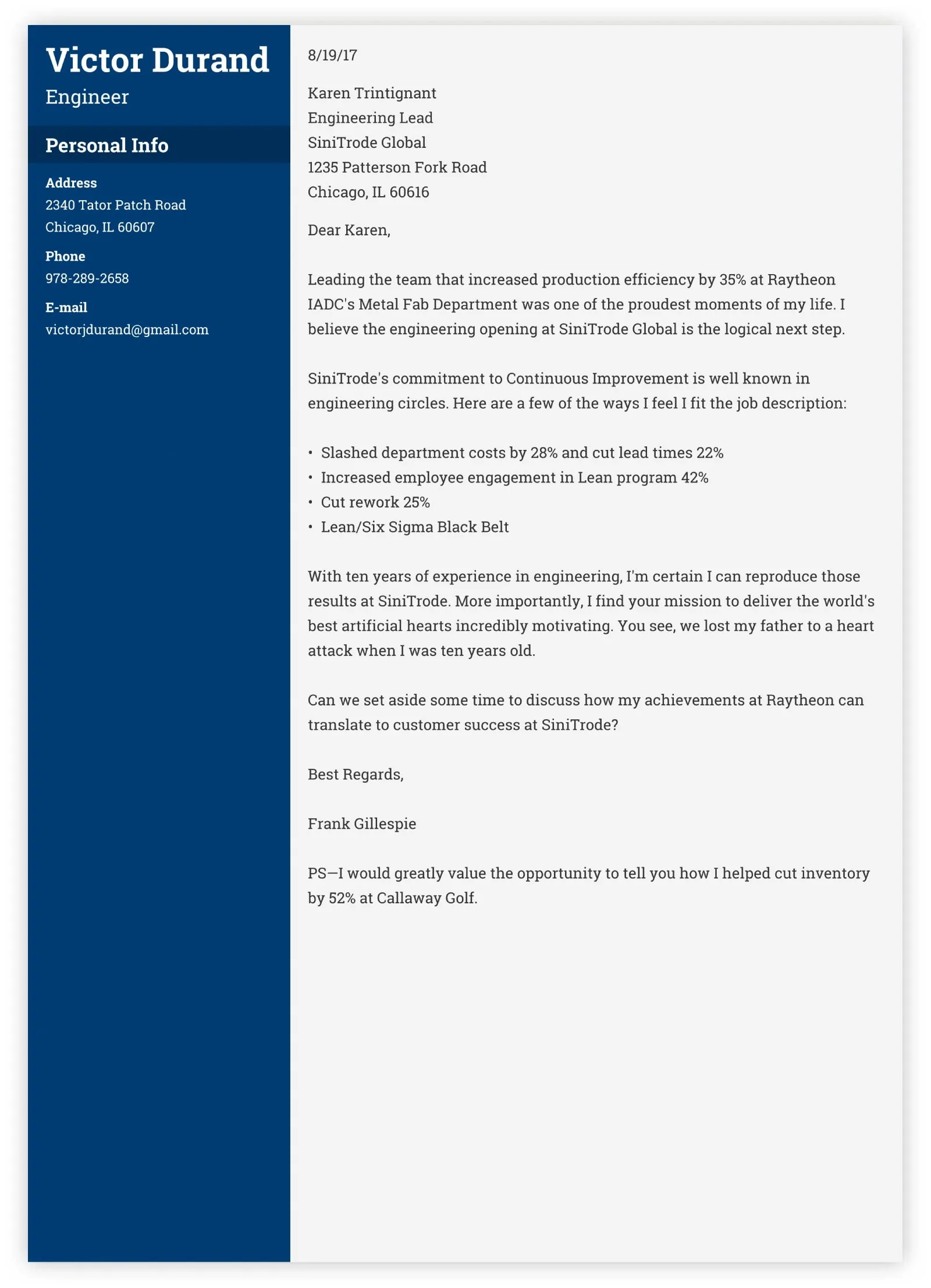
A cover letter is a crucial document that accompanies your resume when applying for a job. It serves as an introduction to your qualifications, skills, and experience, and it allows you to showcase your personality and explain why you are the perfect fit for the specific role. Unlike a resume, which provides a factual overview of your work history, a cover letter offers a chance to tell your story, demonstrating your enthusiasm and making a compelling case for why an employer should consider you. A well-crafted cover letter can significantly increase your chances of getting an interview and ultimately landing the job.
The Purpose of a Cover Letter
The primary purpose of a cover letter is to persuade the hiring manager or recruiter to read your resume and consider you for the position. It should highlight your relevant skills and experiences, explain how they align with the job requirements, and express your genuine interest in the company and the role. The cover letter also provides an opportunity to address any gaps in your resume or explain any unique circumstances that might require clarification. It helps you to distinguish yourself from other applicants and make a memorable first impression, setting the stage for the next step in the hiring process.
Cover Letter Structure

Structuring your cover letter effectively is key to ensuring that it is clear, concise, and impactful. A well-organized cover letter is easier to read and understand, allowing the reader to quickly grasp your key qualifications and your enthusiasm for the role. Following a standard structure helps maintain professionalism and ensures that you include all the necessary information. The key components of a cover letter include a header, a greeting, body paragraphs, a closing, and your signature.
Header Section
The header of your cover letter should include your contact information, the date, and the recipient’s information. This section ensures that the employer knows how to reach you and provides the necessary context for the letter.
Contact Information
Include your full name, phone number, email address, and optionally, your LinkedIn profile URL. Make sure your email address is professional and appropriate for the job application. Double-check that all contact information is accurate.
Date

Place the date on which you are sending the cover letter. This provides a reference point for the employer.
Recipient Information
Include the name of the hiring manager or the person to whom you are addressing the cover letter, their title, the company name, and the company’s address. If you cannot find a specific name, use the general department address or the company’s address.
Greeting/Salutation
Use a professional salutation to address the recipient. If you know the hiring manager’s name, use “Dear Mr./Ms. [Last Name]” If you do not know the name, use “Dear Hiring Manager” or “Dear [Department Name] Team.” Avoid generic greetings like “To Whom It May Concern”.
Body Paragraphs

The body paragraphs are the heart of your cover letter, where you make your case for why you are the ideal candidate. Each paragraph should focus on a specific aspect of your qualifications and experience. The following paragraphs structure will help to catch attention and provide information.
First Paragraph: Grab Attention
Start with a strong opening that immediately grabs the reader’s attention. Clearly state the position you are applying for and where you saw the job posting. Briefly explain why you are excited about the opportunity and the company. Highlight one or two of your most relevant qualifications or achievements that align with the job requirements. This paragraph sets the tone for the rest of your letter.
Second Paragraph: Highlight Skills and Experience
In this paragraph, delve deeper into your skills and experience. Explain how your qualifications match the requirements of the job. Provide specific examples of your achievements and how you have contributed to past successes. Use keywords from the job description to demonstrate that you have the necessary skills. Quantify your accomplishments whenever possible to demonstrate the impact of your work.
Third Paragraph: Explain Your Value

Focus on why you are the right fit for the company. Explain what motivates you to work there and what specific aspects of the company or role attract you. Express your understanding of the company’s mission, values, and culture. Discuss how your skills and experience align with the company’s goals and how you can contribute to their success. Show your enthusiasm for the position and the organization.
Fourth Paragraph: Call to Action
Conclude your letter with a clear call to action. Express your eagerness to discuss your qualifications further and reiterate your interest in the position. Thank the hiring manager for their time and consideration. Provide your contact information again and express your availability for an interview. Make sure it’s professional and positive.
Closing/Sign-off
End your cover letter with a professional closing, such as “Sincerely,” “Best regards,” or “Thank you.” Leave a space for your signature (if printing the letter) and type your full name below the closing.
Formatting and Design

The formatting and design of your cover letter are essential for making a good first impression. A well-formatted cover letter is easy to read and reflects your attention to detail. Poor formatting can detract from your message and make it difficult for the reader to focus on your qualifications.
Font and Font Size
Choose a professional and easy-to-read font, such as Times New Roman, Arial, or Calibri. Use a font size between 10 and 12 points. Avoid overly decorative or unusual fonts, as they can be distracting and unprofessional. Ensure that the font is consistent throughout the entire document.
Margins and Spacing
Use standard margins of 1 inch on all sides of the page. Use single-spaced lines within paragraphs and double-space between paragraphs. Proper spacing makes the cover letter more visually appealing and improves readability. Ensure consistent spacing throughout the document.
Proofreading and Editing

Proofreading and editing are critical steps in ensuring that your cover letter is polished and professional. Errors in grammar, spelling, or punctuation can create a negative impression and undermine your credibility. Thoroughly proofread your cover letter multiple times, and consider asking a friend or career counselor to review it as well. Make sure to check for any inconsistencies or errors in the document.
Common Cover Letter Mistakes
Avoiding common cover letter mistakes can significantly improve your chances of success. Here are some common mistakes to avoid: using generic language, not tailoring the letter to the specific job, repeating information from your resume, having typos or grammatical errors, and using overly casual language. Always proofread your cover letter carefully and tailor it to the specific job and company.
By following these guidelines, you can write a winning cover letter that effectively showcases your skills, experience, and enthusiasm, helping you stand out from the competition and land your dream job. Take the time to craft a compelling cover letter and take your career to the next level.