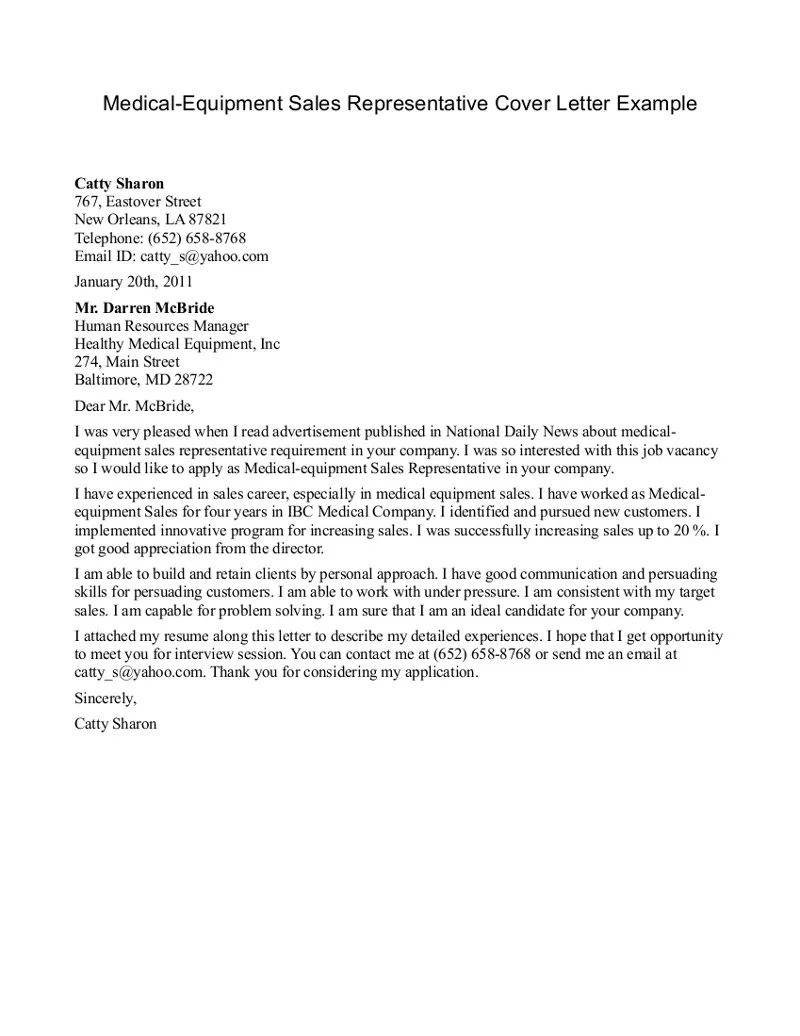
The Purpose of a Cover Letter
A cover letter serves as your initial introduction to a potential employer, offering a crucial opportunity to make a strong first impression and significantly enhance your chances of landing an interview. This document goes beyond simply reiterating the information presented in your resume; it provides a platform to showcase your personality, express genuine interest in the specific position, and demonstrate how your unique skills and experiences align with the company’s needs and values. In essence, a well-crafted cover letter is your personal marketing tool, designed to convince the hiring manager that you are the perfect fit for the role and the organization.
Why a Cover Letter Matters
In today’s competitive job market, a cover letter can make a substantial difference in setting you apart from other candidates. It allows you to highlight your key accomplishments and tailor your qualifications to the specific requirements outlined in the job description. This personalized approach demonstrates to the employer that you have taken the time to understand their needs and are genuinely enthusiastic about the opportunity. Furthermore, a cover letter provides a space to address any potential gaps in your resume, offer context to your career choices, and express your long-term career goals, solidifying your candidacy and increasing your chances of moving forward in the hiring process.
Understanding the Role of a Cover Letter

The primary role of a cover letter is to bridge the gap between your resume and the job description. It is an opportunity to tell your story, connecting your experiences and skills to the employer’s needs in a compelling narrative. It serves as a preview of your professional capabilities and demonstrates your ability to communicate effectively. Through your cover letter, you can clarify any ambiguities, highlight relevant achievements, and express your enthusiasm for the position and the company. This detailed explanation helps the employer understand your potential contributions and assess your overall fit within the organization. A cover letter is more than just a formality; it’s a strategic document designed to get you the interview.
Essential Components of a Cover Letter
Crafting an effective cover letter involves a delicate balance of information and presentation. Each component plays a critical role in creating a cohesive and compelling narrative. A well-structured cover letter comprises several essential parts, including clear contact information, a personalized salutation, a compelling overview of your skills and experience, an expression of your enthusiasm, and a strong call to action. Properly integrating these elements helps present a professional and persuasive case for your candidacy, which enhances the overall impact of your application.
Contact Information
At the top of your cover letter, always include your contact information, such as your full name, phone number, email address, and LinkedIn profile URL (if applicable). This ensures that the hiring manager can easily reach you if they wish to schedule an interview or request more information. Ensure that the contact details listed in your cover letter match those on your resume for consistency. Double-check all details for accuracy to avoid any communication issues. Presenting professional contact information is essential for conveying your attention to detail and commitment to the application process, which demonstrates your professionalism.
Personalized Salutation

Address the hiring manager by name whenever possible, as it shows that you’ve taken the time to research the company and the specific role. Use formal greetings such as “Dear Mr./Ms./Mx. Last Name.” If you are unable to find the hiring manager’s name, use a professional alternative like “Dear Hiring Manager” or “Dear [Department] Team.” Avoid generic salutations like “To Whom It May Concern” because they create the impression that the letter is a generic application. A personalized salutation immediately captures the reader’s attention and sets a tone of respect and attention to detail, highlighting your commitment to the opportunity.
Highlighting Your Skills and Experience
This is the most critical part of the cover letter, where you connect your skills and experiences to the job description. Clearly state the position you’re applying for and explain why you’re interested. Provide specific examples of how your skills, experiences, and achievements match the requirements outlined in the job posting. Avoid simply restating your resume; instead, explain how your qualifications align with the company’s needs and the role’s responsibilities. Tailoring this section to each job application will demonstrate your understanding of the role and your ability to contribute to the company’s success.
Tailoring to the Job Description
Carefully review the job description and identify the key requirements and qualifications that the employer is seeking. Customize your cover letter by highlighting the specific skills, experiences, and achievements that directly align with those requirements. Use keywords and phrases from the job description to show that you understand the role and the company’s needs. Demonstrate your understanding of the role by providing specific examples of how you have used your skills to address similar challenges in the past. Highlighting directly relevant experiences will make a strong case for your candidacy and substantially increase the chances of your application standing out.
Quantifying Achievements

Whenever possible, quantify your achievements with data and numbers. Use metrics to demonstrate the impact of your work, showing the results you have delivered in previous roles. For example, instead of saying, “Managed social media,” state “Increased social media engagement by 40% in six months.” Quantifying your achievements provides concrete evidence of your capabilities and validates your claims, making your accomplishments more compelling and memorable. The use of data-driven accomplishments adds credibility to your claims and clearly illustrates the value you bring to the organization.
Expressing Enthusiasm and Interest
Express your genuine enthusiasm for the position and the company. Explain why you are interested in the specific role and what excites you about the opportunity. Show that you have researched the company and understand its mission, values, and recent achievements. Clearly state your understanding of what the role entails and how your skills and experience can help the organization achieve its goals. Demonstrate that you are eager to contribute to the company’s success and that you are passionate about the field. By expressing your enthusiasm, you differentiate yourself from other candidates, showing your dedication and willingness to go above and beyond.
Call to Action and Closing
Conclude your cover letter with a clear call to action, expressing your interest in an interview. Thank the hiring manager for their time and consideration. Restate your excitement about the opportunity and reiterate your contact information. Use a professional closing such as “Sincerely,” “Best regards,” or “Thank you,” followed by your name. Ensuring that your closing leaves a strong positive impression, expressing gratitude and providing a clear call to action is essential to the end of your cover letter, making it the right way to ensure further action.
Formatting and Presentation

The formatting and presentation of your cover letter are just as important as the content. A well-formatted letter is easy to read and visually appealing, which makes a positive impact on the reader. Make sure your cover letter reflects professionalism and attention to detail with formatting and presentation. Poor formatting can detract from your message and potentially cost you the opportunity for an interview. Ensuring that your formatting is consistent throughout the document is essential.
Font and Readability
Choose a professional and easy-to-read font, such as Times New Roman, Arial, or Calibri. The standard font size should be 11 or 12 points. Use a clear and consistent font style throughout the entire document. Employ adequate white space between paragraphs and sections to enhance readability. Avoid using overly stylized fonts or excessive formatting, which can distract the reader. A clear and professional font ensures that your message is easy to digest and is a sign of respect for the reader’s time.
Length and Structure
Keep your cover letter concise and to the point. Aim for a one-page length, as hiring managers often have limited time to review applications. Use a clear structure with distinct paragraphs for each section. Start with an introduction that states your purpose. Follow this by highlighting your skills and experiences, and conclude with a call to action. Use bullet points or numbered lists to make your points easier to read and digest, whenever relevant. A well-structured letter reflects your organizational skills and makes a strong impact.
Proofreading and Editing

Before submitting your cover letter, proofread it carefully for any grammatical errors, spelling mistakes, and punctuation issues. Errors in grammar, spelling, or punctuation can significantly damage your credibility and suggest a lack of attention to detail. Read your cover letter multiple times, and if possible, ask a friend, family member, or career advisor to review it. Use spell-check and grammar-check tools, but don’t rely solely on them, as they may not catch all errors. Proofreading is an essential step in creating a professional and polished cover letter.
Seven Tips for a Winning Cover Letter
Writing a winning cover letter involves more than just listing your skills and experiences. The best cover letters stand out from the crowd and grab the reader’s attention immediately. Implement these key tips to craft a cover letter that significantly improves your chances of landing an interview and securing your desired job. From the company research to the final proofread, each step contributes to the effectiveness of your application. This will help to ensure your cover letter helps you stand out from other candidates and show the hiring manager why you are the ideal candidate.
Research the Company
Before you begin writing your cover letter, conduct thorough research about the company you are applying to. This research is crucial to demonstrate your genuine interest and tailor your letter effectively. Visit the company’s website, explore their social media profiles, and read news articles or press releases about the organization. Understand the company’s mission, values, recent achievements, and industry position. This research will provide valuable insights that you can use to personalize your cover letter and show the hiring manager that you are not just submitting a generic application but are specifically interested in their company. This detailed research shows you’re invested in the company.
Customize for Each Application

Avoid using a generic cover letter template. Each job application should be tailored to the specific role and company. Review the job description carefully and highlight the skills and experiences that align with the requirements. Tailor your language, tone, and examples to demonstrate your understanding of the role and the company’s needs. This level of customization shows that you have taken the time to understand the role and are genuinely interested in the opportunity. Generic cover letters are often ignored, as they do not show the personalized approach needed for today’s application process.
Show, Don’t Tell
Instead of simply stating your skills and qualifications, use specific examples to demonstrate your abilities. Provide concrete evidence of your achievements and how you have applied your skills in past experiences. For example, instead of saying “I am a good communicator,” describe a situation where you successfully delivered a presentation or resolved a conflict through effective communication. Use the STAR method (Situation, Task, Action, Result) to structure your examples and make them more impactful. This approach adds credibility to your claims and paints a clear picture of your capabilities. Demonstrate, don’t just list, and make your application truly stand out.
Focus on Achievements
Highlight your accomplishments and quantify your achievements whenever possible. Focus on the results you have delivered in past roles, and demonstrate how you have contributed to the success of previous organizations. Use metrics and data to support your claims, such as “Increased sales by 20%” or “Reduced costs by 15%.” Highlighting your accomplishments provides tangible evidence of your value to the company and showcases your ability to deliver results. By focusing on achievements, you showcase your skills and experience and provide a clear demonstration of what you bring to the table.
Use Keywords Strategically
Carefully review the job description and incorporate relevant keywords and phrases into your cover letter. This helps you showcase your understanding of the role and ensures that your application is easily identified by applicant tracking systems. Do not overuse keywords or stuff them unnaturally into your letter; instead, integrate them naturally within your sentences. Show your understanding of the role by using the same language and keywords found in the job description. Strategically using keywords helps your cover letter match the job description, making it easier for you to be selected.
Keep it Concise
Keep your cover letter concise and to the point. Aim for a one-page length, focusing on the most relevant information. Avoid unnecessary details or lengthy explanations. Use clear and straightforward language and avoid jargon or overly complex sentence structures. Edit your cover letter carefully, removing any redundant information. A concise cover letter shows that you respect the reader’s time and that you can communicate effectively.
Proofread Meticulously
Proofreading your cover letter is one of the most important steps in the writing process. Proofread multiple times and check for any grammatical errors, spelling mistakes, and punctuation issues. Errors in your cover letter can create a negative impression and damage your credibility. Ask a friend or family member to review your letter for a fresh perspective. Proofreading demonstrates your attention to detail and professionalism, which are essential qualities for any job application.
Conclusion The Power of a Great Cover Letter
A well-crafted cover letter can significantly improve your chances of getting an interview and landing your desired job. By understanding the purpose and components of a cover letter and following the tips outlined in this article, you can create a compelling document that captures the attention of hiring managers. Remember to tailor your cover letter to each job application, highlight your skills and achievements, and demonstrate your enthusiasm for the opportunity. The time and effort you invest in writing a winning cover letter will be rewarded with an increased likelihood of securing interviews and advancing your career goals. By paying attention to detail and following these best practices, you can create a cover letter that stands out and makes a lasting impression.