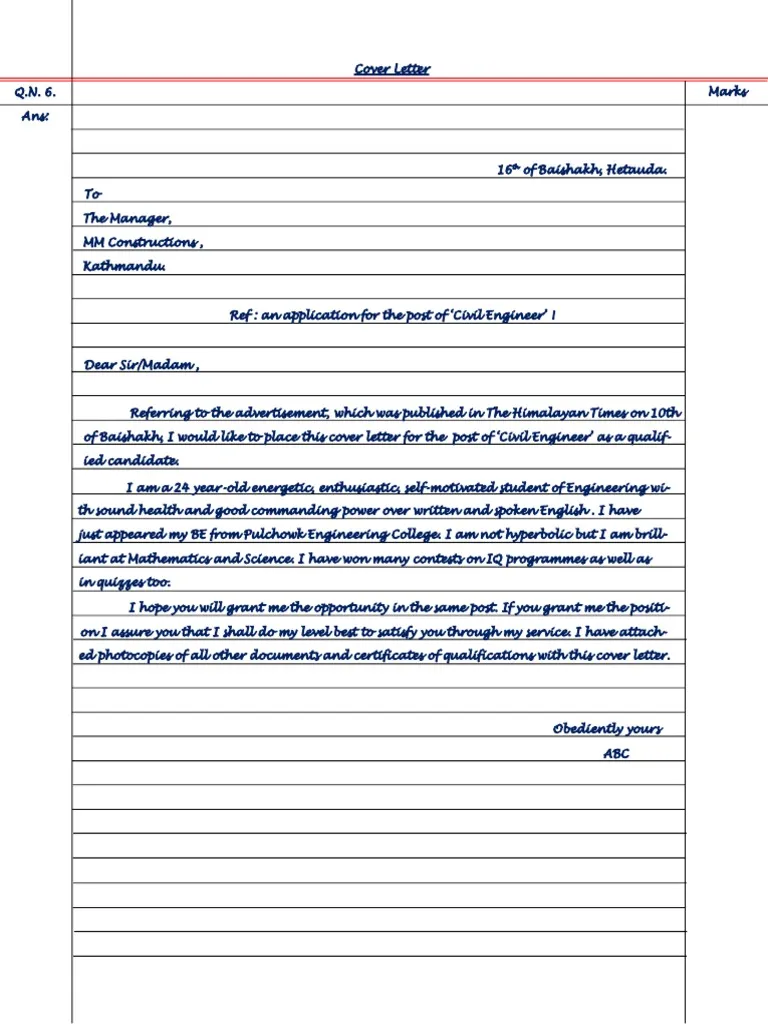
What is a Cover Letter
A cover letter is a one-page document that you submit as part of your job application alongside your resume. It serves as an introduction, providing more context and detail about your qualifications, skills, and experiences. Unlike a resume, which provides a concise overview, a cover letter allows you to elaborate on why you are a good fit for the specific role and company. It showcases your writing ability, personality, and your genuine interest in the opportunity. When used effectively, a cover letter is a powerful tool that helps you stand out from other candidates, making it a crucial component of any successful job application strategy. It’s your chance to make a strong first impression and persuade the hiring manager to review your resume closely and consider you for an interview.
Why Cover Letters are Important
In today’s competitive job market, a well-crafted cover letter can significantly increase your chances of landing an interview. It provides an opportunity to personalize your application, demonstrating that you’ve taken the time to understand the company and the specific role. It complements your resume by offering a narrative that connects your skills and experiences to the job requirements, highlighting your suitability in a way that a resume alone cannot. Furthermore, a cover letter allows you to address any potential gaps in your resume, such as career changes or periods of unemployment, providing context and reassuring the hiring manager. It also showcases your communication skills, as the way you structure your letter, the language you use, and your overall writing style, all reflect your professionalism and attention to detail. In essence, a cover letter isn’t just a formality it’s a strategic advantage, giving you a crucial edge in the hiring process.
Step 1 Research the Company and Job

Before you start writing, thorough research is key. This step involves understanding the company’s mission, values, and recent news. Familiarize yourself with their products or services and their position within the industry. Next, carefully analyze the job description, paying close attention to the required skills, qualifications, and responsibilities. Identify the key requirements and keywords that the employer is looking for. This research informs your cover letter, allowing you to tailor your application and demonstrate that you’ve put in the effort to understand their needs. It also helps you identify the hiring manager or the appropriate contact person, enabling you to personalize your letter and make a strong initial impression. Failing to research will lead to a generic cover letter, making it less likely to get noticed.
Find Key Information
Use the company website, LinkedIn, and other online resources to gather information. Look for information about the company culture, recent projects, and industry awards. Study the ‘About Us’ section, news articles, and social media profiles to gain a deeper understanding of the company’s values and goals. On LinkedIn, search for employees in similar roles to the one you are applying for, reading their profiles to understand the skills and experiences they possess. Also, explore the company’s blog or press releases to identify current priorities and challenges. This knowledge will not only help you tailor your cover letter but also prepare you for the interview process, demonstrating your genuine interest and due diligence.
Understand the Job Requirements
Carefully examine the job description. Break it down into key requirements, skills, and responsibilities. Highlight the essential qualifications, as well as the desired experience. Note the keywords used in the job description. These keywords are crucial and should be incorporated throughout your cover letter and resume. Assess which of your skills and experiences align with the requirements. Make a list of your accomplishments that directly relate to the job responsibilities, quantifying your achievements whenever possible. Review any specific instructions provided by the employer. This detailed analysis ensures you address all the requirements effectively, making your application stand out from others who might not have taken the time to fully understand the role.
Step 2 Craft a Compelling Opening

The opening of your cover letter is crucial, as it sets the tone and captures the hiring manager’s attention. Avoid generic greetings, such as ‘To Whom It May Concern.’ Instead, use a personalized greeting, if possible. Find the hiring manager’s name on LinkedIn or the company website, or search for it on the job posting. State the position you are applying for and how you found the job. Make your opening statement compelling, using a strong hook to capture the reader’s interest. Briefly express your enthusiasm for the role and the company. This will give the hiring manager a quick snapshot of why you are a great fit. Your introduction is your first chance to shine, making it imperative that it is well-written, enthusiastic, and directly relevant to the role. A strong opening shows you’ve done your homework and are genuinely interested in the position.
Address the Hiring Manager
Personalize your cover letter by addressing the hiring manager by name. If you cannot find a specific name, use a professional title, like ‘Hiring Manager.’ Addressing the letter to a specific individual shows that you have taken the time to research and are genuinely interested in the opportunity. It also demonstrates attention to detail, a critical attribute for most professional roles. Using a personal greeting helps establish an immediate connection and makes your letter more engaging. Avoid generic greetings, which can make your application feel impersonal and may decrease your chances of getting noticed. If the job posting does not specify a contact, check the company’s website or LinkedIn for contact information. This small effort can make a significant difference.
State Your Purpose Clearly
Clearly state the position you are applying for in your opening paragraph. This should be direct and concise, leaving no ambiguity about your intent. You might start with a sentence like ‘I am writing to express my interest in the [Job Title] position at [Company Name], as advertised on [Platform].’ Also, briefly explain why you are interested in the role and the company. Highlight what attracted you to the opportunity, whether it’s the company’s mission, culture, or the job’s specific responsibilities. Conclude your opening with a brief overview of your key qualifications, giving the hiring manager a quick glimpse of what you offer. Make sure your purpose is straightforward and compelling. This is the first impression that the recruiter has of you, so make it count.
Step 3 Highlight Relevant Skills and Experience

The body of your cover letter is where you demonstrate how your skills and experiences align with the job requirements. Select 2-3 key skills and experiences that closely match the job description. For each, provide specific examples of how you have used those skills in previous roles. Use the STAR method (Situation, Task, Action, Result) to structure your examples effectively. Describe the situation, explain the task you needed to complete, detail the actions you took, and highlight the results you achieved. Quantify your accomplishments whenever possible to demonstrate the impact of your work, such as ‘Increased sales by 15%’ or ‘Reduced customer complaints by 20%’. The goal is to provide concrete evidence of your abilities and your potential to succeed in the new role.
Showcase Achievements
Focus on your achievements rather than just listing your responsibilities. Instead of saying ‘Managed social media accounts,’ provide details on how you improved metrics. For example, ‘Grew social media engagement by 40% within six months by implementing a new content strategy.’ Use strong action verbs, such as ’led,’ ‘developed,’ ‘achieved,’ ‘implemented,’ and ‘managed,’ to make your statements more impactful. Focus on your accomplishments that are most relevant to the job you are applying for, demonstrating your value to the company. Quantify your achievements, if possible, to show the measurable impact of your work. Make your successes tangible and easy for the hiring manager to understand.
Quantify Your Accomplishments
Use numbers, percentages, and data to support your claims. Instead of saying ‘Improved customer satisfaction,’ state ‘Increased customer satisfaction by 15% through implementing a new customer service protocol.’ Quantitative data adds credibility and shows the tangible results you have achieved. Provide specific examples whenever possible. For instance, if you led a project, state the project’s budget, the number of team members, and the successful outcomes. When describing your work, use numerical values to emphasize the impact of your actions. This will make your accomplishments more compelling. Whenever possible, include metrics that are important to the role you are applying for, which will help you capture the recruiter’s attention.
Step 4 Tailor Your Letter to the Job

Avoid using a generic cover letter. Tailor each application to the specific job and company. Customize the content of your letter to reflect the job requirements. Review the job description again and identify the key skills and experiences the employer is looking for. Then, demonstrate that you meet these requirements by using relevant examples from your background. Make sure your letter matches the language and tone used in the job posting. If the job description emphasizes specific skills, address them directly and provide examples of how you have used them. Be aware of the company’s values and culture, and tailor your letter to reflect an understanding of their values.
Match Skills to Requirements
Closely align the skills and experiences you highlight in your cover letter with the requirements outlined in the job description. For each skill or experience mentioned in the job posting, provide a clear example from your past roles. It is not enough to list your skills; show how you have applied them in real-world situations. Use the STAR method (Situation, Task, Action, Result) to provide specific examples. This will help the hiring manager understand the value you will bring to the company. Make sure the skills and experiences you showcase are relevant to the job and that you can provide a clear narrative that shows your value. This ensures that your letter remains focused and provides the most compelling evidence of your suitability for the role.
Use Keywords from the Job Description
Integrate keywords from the job description naturally throughout your cover letter. Keywords are terms and phrases the employer uses to describe the role. Incorporating them shows that you understand the job requirements and are a good fit. Review the job description and identify the key skills, qualifications, and responsibilities. Use these keywords in your cover letter to emphasize the relevance of your experience. Avoid keyword stuffing, which can make your letter sound unnatural. Instead, seamlessly incorporate keywords into your sentences, demonstrating how your skills align with the job requirements. This targeted approach can help your application stand out and increase your chances of making a positive impression.
Step 5 Close with a Call to Action

Your closing paragraph should reiterate your interest and encourage the hiring manager to take action. Reiterate your enthusiasm for the position and the company. Express your eagerness to discuss your qualifications further. Thank the hiring manager for their time and consideration. Include a clear call to action, such as requesting an interview. Make sure you provide your contact information, including your phone number and email address. Ensure you are easily reachable so that the recruiter can quickly reach you to schedule an interview. Make sure to proofread your cover letter before submitting. This will ensure it presents you as organized and detail-oriented, making a positive impact.
Express Enthusiasm
In your closing, briefly express your enthusiasm for the opportunity and the company. Mention a specific aspect of the job or company that appeals to you, and let them know how excited you are about the possibility of joining the team. Briefly state your genuine interest in the position and how you believe your skills and experience make you a suitable candidate. Ensure your closing statement conveys enthusiasm, showing that you are eager to learn more and contribute to the company’s success. If you can, reference a specific aspect of the job description or company mission that resonates with you. Show you’re looking forward to an opportunity to learn more.
Include Contact Information
Include your contact information in your closing paragraph, making it easy for the hiring manager to reach you. Provide your phone number, email address, and any other relevant contact details. Also, provide a link to your LinkedIn profile or online portfolio. Make sure that the contact information is correct. Double-check your email address and phone number. Ensure your voicemail is set up professionally. Make it simple for the hiring manager to contact you. By providing easy access to your contact information, you make it simple for employers to schedule an interview or follow up with any additional questions.
Proofread and Edit Your Letter

Before submitting your cover letter, proofread it carefully. Check for spelling, grammar, and punctuation errors. Ensure your language is clear, concise, and professional. Read your cover letter aloud to catch any awkward phrasing or unclear sentences. Have a friend, family member, or career counselor review your cover letter for feedback. Poorly written letters can lead to immediate rejection. Double-check the formatting to ensure it is consistent and easy to read. Your cover letter reflects your attention to detail. A well-proofread letter demonstrates your professionalism. By proofreading and editing, you demonstrate that you value quality and are serious about the job. Before sending, take time to go over the document to catch mistakes.
Common Cover Letter Mistakes to Avoid
Avoid common mistakes that can damage your application. These include generic openings, typos, and using the wrong company name. Ensure your cover letter is not overly long or rambling. Always tailor your cover letter to the specific job requirements and company. Do not include any negative information or irrelevant personal details. Proofread carefully and make sure that your letter is free of errors. Reviewing the cover letter is essential. A well-written cover letter increases your chances of landing an interview.