Understanding the Importance of a Coaching Cover Letter
In the competitive world of athletic coaching, a well-crafted cover letter is not just a formality; it’s your first opportunity to make a strong impression. It’s a crucial tool that complements your resume and provides a platform to showcase your unique qualifications, coaching philosophy, and passion for the sport. The cover letter allows you to go beyond the bullet points of your resume and tell your story in a compelling and personalized way. It helps you connect with the hiring manager on a deeper level, demonstrating your understanding of the specific role and the values of the organization. A well-written cover letter can significantly increase your chances of securing an interview and ultimately landing your dream coaching position.
Why a Cover Letter Matters
A cover letter serves multiple critical functions in the job application process. Firstly, it provides context to your resume, explaining how your skills and experiences align with the specific requirements of the coaching position. It allows you to highlight your most relevant achievements and tailor your application to the needs of the employer. Secondly, a cover letter demonstrates your communication skills, attention to detail, and professionalism. It shows that you’ve taken the time to research the organization and understand their mission. Furthermore, a strong cover letter can set you apart from other applicants by showcasing your personality, enthusiasm, and coaching philosophy, making you more memorable to the hiring committee. This personalized approach can make all the difference in a competitive job market.
Highlighting Your Coaching Philosophy

Your coaching philosophy is the cornerstone of your approach to the sport and the development of your athletes. A well-defined philosophy demonstrates your values, goals, and the strategies you employ to achieve success. When writing your cover letter, clearly articulate your coaching philosophy, highlighting your commitment to athlete development, sportsmanship, and teamwork. Explain how you foster a positive and supportive environment where athletes can thrive both on and off the field. Provide examples of how your coaching philosophy has led to positive outcomes in the past, such as improved team performance, athlete growth, and positive relationships with players and parents. Ensure your philosophy aligns with the values of the organization to show you are a good fit.
Key Elements of a Winning Athletic Coaching Cover Letter
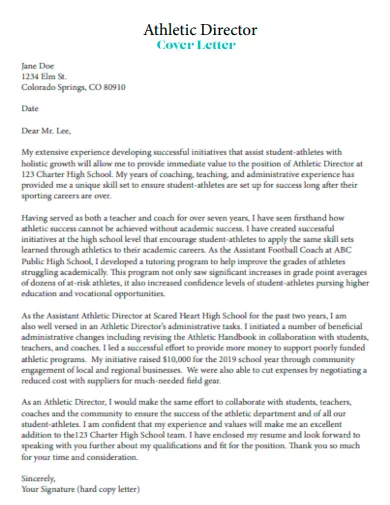
A successful athletic coaching cover letter includes several essential components. Begin with your contact information and the date, followed by the hiring manager’s name and title if known. The opening paragraph should immediately grab the reader’s attention and state the position you’re applying for. In the body of the letter, highlight your relevant experience, skills, and accomplishments, quantifying them whenever possible. Showcase your coaching philosophy and explain how it aligns with the organization’s values. Emphasize leadership, teamwork, and your ability to motivate athletes. In the closing paragraph, express your enthusiasm for the position and include a call to action, such as inviting the hiring manager to contact you for an interview. Proofread meticulously for any errors in grammar or spelling.
Contact Information and Formatting
Proper formatting is crucial for creating a professional and polished cover letter. Begin by including your full name, address, phone number, and email address at the top of the letter. If you know the hiring manager’s name and title, address the letter directly to them; otherwise, use a general salutation like ‘Dear Hiring Committee’. Use a standard business letter format with a clear font such as Times New Roman or Arial, and maintain consistent margins and spacing throughout the document. Keep the letter concise and focused, aiming for one page in length. Use clear, concise language and avoid jargon or overly complex sentences. Make sure the letter is well-organized and easy to read.
Opening Paragraph that Grabs Attention

The opening paragraph is your first opportunity to make a strong impression, so make it count. Start by immediately stating the position you’re applying for and where you saw the job posting. Then, briefly highlight your most relevant qualification or achievement to capture the reader’s interest. Consider mentioning something specific about the organization that resonates with you, demonstrating that you’ve done your research. Show enthusiasm and passion for the sport and the coaching opportunity. Avoid generic opening lines; instead, personalize your introduction to show that you’ve taken the time to tailor your application to this specific role and organization. Make sure to express your excitement about the prospect of contributing to their athletic program.
Crafting Your Experience Section
In the experience section of your cover letter, provide a concise overview of your coaching history, emphasizing the most relevant experiences. Focus on positions that align with the job requirements and showcase your accomplishments. For each position, mention the team or organization, your role, and the duration of your involvement. Describe your key responsibilities and the specific tasks you performed. Instead of simply listing your duties, elaborate on how you applied your skills and what results you achieved. Tailor this section to match the job description, ensuring you highlight the skills and experiences that the employer values most. Use action verbs to describe your contributions and make your experience come alive.
Showcasing Accomplishments and Skills
Instead of just listing your responsibilities, focus on demonstrating your achievements and skills. Highlight the positive outcomes of your coaching efforts. Did your team improve its win-loss record? Did individual athletes achieve personal bests? Did you implement any new training strategies that led to positive results? Did you improve team morale or foster a stronger team culture? Clearly articulate your skills, such as your ability to develop athletes, implement effective training programs, and communicate effectively with players, parents, and administrators. Provide specific examples to support your claims and demonstrate your expertise. This will give the employer a clear sense of your capabilities and the value you can bring to the team.
Quantifying Your Achievements

Quantifying your accomplishments is a powerful way to demonstrate your effectiveness as a coach. Use numbers and data to provide concrete evidence of your successes. For example, instead of saying ‘Improved team performance,’ state ‘Increased the team’s win percentage by 30%’. Instead of saying ‘Developed athletes,’ state ‘Helped 5 athletes achieve All-Conference honors’. Quantify the impact of your training programs, the number of athletes you’ve mentored, or any other measurable results. Using numbers makes your achievements more tangible and credible. It gives the hiring manager a clear understanding of the positive impact you can make on their program. Use data whenever possible to support your claims and show your value.
Highlighting Relevant Skills
In addition to showcasing your achievements, it’s important to highlight the specific skills that make you a successful athletic coach. Carefully review the job description and identify the skills that the employer values most. These may include leadership, communication, motivation, tactical knowledge, recruiting, and player development. Provide examples of how you’ve demonstrated these skills in the past. Describe your ability to build positive relationships with athletes, parents, and administrators. Highlight your experience in developing training programs, analyzing game film, and implementing effective strategies. Showcase your ability to adapt to different coaching situations, manage a team effectively, and motivate athletes to reach their full potential. Match your skills with the job description to prove you are a good fit.
Demonstrating Your Coaching Philosophy
Your coaching philosophy should be a central theme of your cover letter. Express your beliefs about the role of a coach, the importance of athlete development, and the values you instill in your players. Emphasize your commitment to creating a positive and supportive environment where athletes can learn, grow, and achieve their goals. Explain how you promote sportsmanship, teamwork, and respect for opponents. Describe your strategies for motivating athletes, building team unity, and fostering a winning culture. Provide examples of how your philosophy has influenced your coaching approach and contributed to success. Align your philosophy with the values of the organization to demonstrate that you are a great match for the team.
Emphasizing Leadership and Teamwork
Coaching is all about leadership and teamwork. Highlight your leadership skills by describing your ability to inspire and motivate athletes, set clear expectations, and provide constructive feedback. Provide examples of times when you’ve taken on a leadership role or guided a team through a challenging situation. Demonstrate your ability to build strong relationships with players and staff, creating a positive and collaborative environment. Emphasize your teamwork skills by describing how you work with other coaches, athletic trainers, and administrators to achieve common goals. Show how you promote communication, collaboration, and a shared sense of responsibility within the team. Illustrate how you foster a culture of respect, trust, and mutual support, which are essential elements for success.
Closing the Letter with Impact
Your closing paragraph is your final opportunity to make a strong impression. Reiterate your enthusiasm for the coaching position and the organization. Summarize your key qualifications and why you believe you are the best fit for the role. Express your confidence in your ability to contribute to the team’s success. Include a clear and specific call to action, such as inviting the hiring manager to contact you for an interview or providing information on how they can reach you. Thank the hiring manager for their time and consideration. Make sure the tone of your closing is professional, enthusiastic, and memorable, leaving a positive and lasting impression.
Expressing Enthusiasm and Call to Action
In the closing paragraph, express your genuine enthusiasm for the coaching opportunity and the organization. Show that you’ve done your research and that you are genuinely excited about the prospect of joining their team. Reiterate your interest in the position and your commitment to achieving the team’s goals. End with a clear call to action. Invite the hiring manager to contact you for an interview, providing your phone number and email address. Make it easy for them to take the next step. Indicate your availability for an interview and express your willingness to provide any additional information they may need. End on a positive note, thanking the hiring manager for their time and consideration. This will leave a lasting and positive impression.
Proofreading and Editing for Perfection

Before submitting your cover letter, it’s crucial to proofread and edit it meticulously. Errors in grammar, spelling, and punctuation can undermine your credibility and professionalism. Read the letter carefully multiple times, checking for any mistakes. Consider having a friend, colleague, or career counselor review your letter as well. They can provide a fresh perspective and catch any errors that you might have missed. Make sure the language is clear, concise, and easy to understand. Ensure that the letter is well-organized and flows logically. Use a spell checker and grammar checker, but don’t rely on them entirely. Pay close attention to the details, as they can make a big difference in the impression you make. A polished, error-free cover letter shows that you are detail-oriented and committed to excellence.