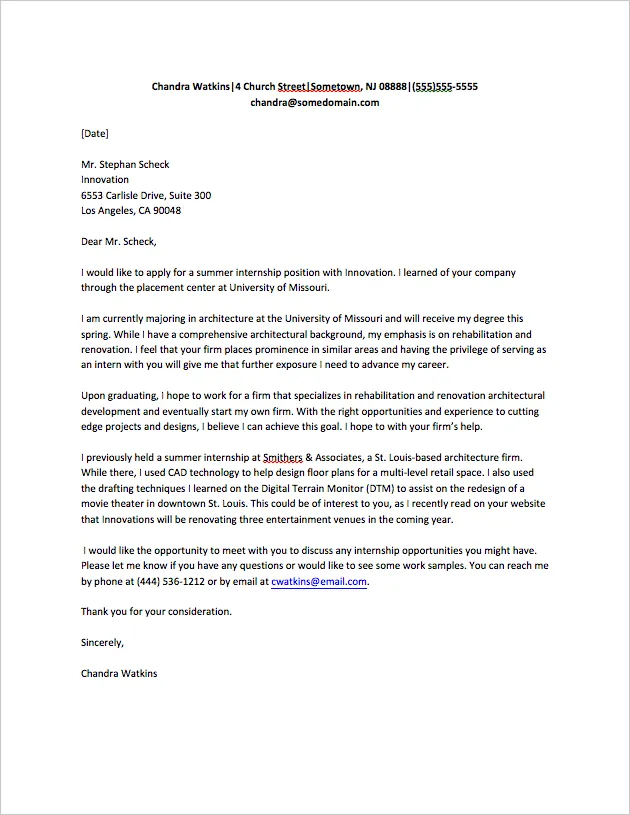
What Is an Internship Cover Letter
An internship cover letter is a formal document that accompanies your resume when applying for an internship position. It serves as a personal introduction and provides an opportunity to highlight your skills, experiences, and enthusiasm for the role. Unlike a resume, which presents a factual summary of your qualifications, a cover letter allows you to explain why you are a good fit for the specific internship, demonstrating your personality, and expressing your interest in the company. It should be tailored to each application, showcasing your understanding of the role and the company’s needs. A well-written cover letter significantly increases your chances of getting noticed and securing an interview, making it a crucial element of your internship application strategy. It gives you a chance to stand out from the crowd and make a memorable impression on the hiring manager, setting the stage for a successful application process.
Why Is a Cover Letter Important for an Internship
A cover letter is important for an internship because it provides context to your resume and allows you to tell a story about your aspirations and how they align with the internship opportunity. It offers a chance to personalize your application, demonstrating your genuine interest in the company and the specific role. It also helps to showcase your communication skills, as a well-written letter reflects your ability to articulate your thoughts clearly and concisely. In a competitive job market, a cover letter can be the differentiating factor that sets you apart from other applicants, especially if you have limited work experience. Furthermore, a cover letter demonstrates your professionalism and attention to detail, which are essential qualities for any internship. It’s an opportunity to convince the hiring manager that you have the potential to thrive in the internship and contribute to the company’s goals. This is a great way to stand out and showcase your personality and enthusiasm.
Key Components of a Strong Internship Cover Letter

A strong internship cover letter is structured effectively and contains key components that collectively make it stand out. These elements include a clear heading, a professional salutation, a compelling opening paragraph, detailed body paragraphs highlighting relevant skills and experience, a closing paragraph with a call to action, a complimentary close, and a signature. Each section plays a critical role in conveying your suitability for the position. The heading should include your contact information, the date, and the employer’s details. The opening paragraph should immediately grab the reader’s attention and state your interest in the internship. Body paragraphs must showcase your relevant skills and experience, and express enthusiasm for the company and the role. The closing paragraph reiterates your interest and includes a clear call to action, such as requesting an interview. Proper formatting, grammar, and punctuation are crucial for a polished look. These elements together demonstrate your professionalism and attention to detail, leaving a positive and lasting impression.
Heading Section
The heading section is the very first part of your internship cover letter, and it must include your contact information, the date, and the employer’s contact details. Start with your full name, address, phone number, and professional email address. This ensures that the employer can easily reach you. Below your information, place the date you are writing the letter. Then, include the hiring manager’s name, title, the company name, and the company’s address. If you do not know the hiring manager’s name, research the company website or LinkedIn to find the correct person. This demonstrates that you have taken the initiative to personalize your application. Accurate and complete information in the heading section sets a professional tone and enables the employer to easily contact you. A clean and well-formatted heading is the start of making a great first impression.
Your Contact Information
Your contact information at the heading of your internship cover letter should be easy to find and accurate. Include your full name, professional email address, and a phone number where you can be easily reached. Ensure your email address is professional and suitable for job applications; avoid using informal usernames. Make sure the phone number is up to date and that you have a voicemail set up. It’s beneficial to also add a link to your LinkedIn profile. This provides the employer with quick access to more information about your background and professional network. Your contact information is the crucial part to ensure the employer can easily contact you for an interview. Double-check all the details to prevent any errors that could hinder communication. Keep your contact information clear, concise, and professional to make a positive first impression and facilitate easy contact.
Date

The date on your internship cover letter indicates when you are submitting your application. It should be placed directly below your contact information and is typically formatted in a standard way, such as Month, Day, Year (e.g., May 15, 2024). Using a consistent and professional format demonstrates your attention to detail. The date is important for record-keeping purposes for both you and the employer. It provides context to your application and helps the hiring manager track when the letter was received. Ensure you use the current date to demonstrate that your application is timely and that you are actively seeking opportunities. Always double-check the date to avoid errors and maintain a professional presentation. This shows you’re organized and current with your application, which is crucial for internship applications.
Employer Contact Information
The employer contact information is an essential part of the heading section of your internship cover letter. It typically includes the hiring manager’s name, title, the company’s name, and the company’s address. If the job posting does not specify a contact person, do your research to find the correct name. You can check the company website, LinkedIn, or any job boards. Address your cover letter to the specific person in charge of hiring. This shows that you have taken the initiative to personalize your application. If you cannot find a specific name, you can use a general title like “Hiring Manager.” Accurate and complete employer contact information demonstrates your attention to detail and professionalism. It helps ensure that your application reaches the right person and makes a positive first impression.
Salutation
The salutation is the greeting you use to address the recipient of your internship cover letter, and it sets the tone for the entire document. The most professional salutation is “Dear [Hiring Manager’s Name].” If you do not know the hiring manager’s name, you can use “Dear Hiring Manager,” “Dear [Company Name] Hiring Team,” or “Dear [Department Name] Team.” Avoid using generic greetings like “To Whom It May Concern,” as they can make your letter feel impersonal. Always try to find a specific name to personalize your letter. Ensure you spell the recipient’s name correctly. The salutation should be followed by a colon. A well-crafted salutation shows that you pay attention to detail and have taken the effort to personalize your application, which increases the impact of your cover letter.
Opening Paragraph: Grab Attention

The opening paragraph of your internship cover letter is crucial because it’s the first thing the hiring manager will read. It should immediately grab their attention and make them want to read further. Start by stating the specific internship you are applying for and where you found the job posting. Then, briefly mention why you are interested in the position and the company. Instead of a generic opening, try to express your genuine enthusiasm for the opportunity. Briefly highlight a key skill or experience that aligns with the internship’s requirements. The goal is to make a strong first impression, express your interest, and give the reader a reason to continue. It should be concise, engaging, and demonstrate your understanding of the internship. Use an intriguing statement to draw the reader in.
Body Paragraph 1: Showcase Your Skills
The first body paragraph of your internship cover letter should showcase your skills that are relevant to the internship you are applying for. Focus on the skills mentioned in the job description and provide specific examples of how you have used those skills in previous experiences, such as coursework, projects, or other jobs. Quantify your achievements whenever possible. For example, instead of saying “Improved customer service,” state “Improved customer satisfaction scores by 15%.” Use the STAR method (Situation, Task, Action, Result) to structure your examples and provide clear, concise details about your accomplishments. Tailor this section to the specific requirements of the internship and avoid simply listing your skills. Demonstrate your understanding of how your skills can benefit the company and contribute to their goals. This shows the hiring manager that you have the practical abilities required to excel in the role.
Body Paragraph 2: Highlight Your Experience
In the second body paragraph, highlight your relevant experiences, demonstrating how they align with the internship requirements. Focus on experiences like projects, extracurricular activities, or previous jobs that are similar to the internship role. Describe the tasks you performed, the responsibilities you held, and the accomplishments you achieved. Quantify your results whenever possible. For instance, if you managed a project, mention how you successfully completed it on time and within budget. Focus on how your previous experiences prepared you for the internship, showcasing that you have a solid foundation for success in the role. Tailor your examples to the specific requirements of the internship and the company’s needs. Mentioning specific projects or initiatives, you were involved in, show how your background makes you a strong candidate. This is an excellent opportunity to demonstrate your hands-on experience, showing the hiring manager that you are prepared for the role.
Body Paragraph 3: Express Enthusiasm

The third body paragraph of your internship cover letter should express your enthusiasm for the internship and the company. Explain why you are excited about the specific opportunity and what you hope to gain from the experience. Discuss what attracts you to the company’s mission, values, and culture. Show that you have researched the company and understand its goals. Emphasize how the internship aligns with your career aspirations and how it can help you develop your skills and knowledge. Demonstrate your eagerness to contribute to the company’s success. Be genuine and passionate in your expression. Avoid generic statements; instead, provide specific examples that highlight your genuine interest. Conclude by restating your interest in the position, showing the hiring manager your enthusiasm for the role.
Closing Paragraph: Call to Action
The closing paragraph is where you summarize your interest and include a call to action. Restate your enthusiasm for the internship opportunity, and reiterate how your skills and experience make you a good fit for the role. Include a clear call to action, such as requesting an interview. Thank the hiring manager for their time and consideration, and express your eagerness to discuss your qualifications further. Provide your contact information again, ensuring that it is easy to find. Keep it concise, professional, and focused on the next steps. This section is designed to leave a lasting positive impression. It also makes it easy for the hiring manager to take the next step in the application process.
Complimentary Close
The complimentary close is a polite closing remark used to end your internship cover letter. Common examples include “Sincerely,” “Best regards,” “Thank you,” or “Respectfully.” Select a closing that is professional and appropriate for the tone of your letter. Place your signature directly below the complimentary close, leaving space for your handwritten signature if you are submitting a physical copy. Always capitalize the first word of the complimentary close and follow it with a comma. Make sure to use the correct closing, demonstrating your attention to detail and professionalism. A well-chosen complimentary close sets a positive end and reinforces your professional demeanor.
Signature

The signature is your way of officially ending your internship cover letter and confirming the authenticity of your application. If you are submitting your cover letter electronically, type your full name below the complimentary close. If you are submitting a physical copy, leave space for your handwritten signature above your typed name. The signature confirms your commitment to the application. When printing your cover letter, use high-quality paper and ensure the print is clear and easy to read. Double-check your name and contact information to ensure they are correct. The signature symbolizes your personal commitment to the application.
Proofreading and Editing
Proofreading and editing your internship cover letter are essential steps to ensure it is error-free and professionally presented. Carefully review your letter for any grammatical errors, spelling mistakes, and punctuation errors. Read your cover letter aloud to catch awkward phrasing and ensure the flow of the content makes sense. Check for consistency in formatting and font style. Ask a friend, family member, or career counselor to review your cover letter and provide feedback. A second pair of eyes can help you identify any mistakes you might have missed. Pay attention to the tone and clarity of your writing. Make sure your cover letter is well-organized, easy to read, and tailored to the specific internship. Proofreading demonstrates your attention to detail, which is crucial for making a positive first impression. Before submitting, ensure your cover letter is polished and presents you in the best possible light. This is the final step to make a strong impact.