Cover Letter for Internship What You Need to Know
A well-crafted cover letter is your first introduction to a potential employer and can significantly increase your chances of landing an internship. It’s more than just a formality; it’s an opportunity to showcase your personality, enthusiasm, and suitability for the role. This guide provides essential tips and strategies to help you create a compelling cover letter that grabs the attention of hiring managers and sets you apart from other candidates. By following these guidelines, you can effectively communicate your value and increase your prospects of securing a valuable internship opportunity. Remember, the goal is to demonstrate not only your qualifications but also your genuine interest in the company and the specific internship position.
Research the Company and Position
Before you even start writing, thoroughly research the company and the specific internship position. Understanding the company’s mission, values, and recent projects shows that you’re genuinely interested and have taken the time to learn about them. This is a key aspect of making a good impression, as it reflects initiative and a proactive approach. Explore the company’s website, social media profiles, and any recent news or publications to gather information. Also, carefully review the internship description to understand the responsibilities, required skills, and what the company is looking for in an intern. This research will inform your cover letter and help you tailor it to address the specific needs and expectations of the employer.
Why Company is a Good Fit for You

After researching the company, reflect on why you are a good fit for them. Consider how your skills, interests, and career goals align with the company’s mission, values, and the specific internship role. Are you passionate about their industry? Do you admire their work culture or values? Identifying these connections is crucial as it helps you articulate your reasons for wanting to join the company. In your cover letter, clearly state why you’re interested in the company and what attracts you to the internship. This demonstrates your genuine interest and gives the impression that you’ve carefully considered the position and how it fits into your career aspirations.
Highlight Relevant Skills and Experiences
Identify the key skills and experiences that are relevant to the internship. Review the job description and make a list of the requirements and preferred qualifications. Then, review your own resume and experiences (academic projects, extracurricular activities, part-time jobs, etc.) to find examples that demonstrate those skills. Focus on highlighting these relevant experiences in your cover letter. Don’t just list your skills; provide specific examples of how you’ve used them to achieve results. This could include project outcomes, tasks you successfully managed, or challenges you overcame. Use action verbs to describe your accomplishments and quantify your achievements whenever possible. For instance, instead of saying ‘Managed social media,’ say ‘Increased social media engagement by 30% by implementing a new content strategy.’
Tailor Your Cover Letter
Avoid sending a generic cover letter to every company. Tailor your letter to each specific internship and company. This personalization shows that you have taken the time to understand the position and are genuinely interested in the opportunity. Customize your letter by addressing the specific requirements of the internship, mentioning the company’s values or recent projects that resonate with you, and highlighting how your skills align with their needs. Use keywords from the job description throughout your letter to show that you meet the requirements. Furthermore, show them why you are a great fit by adding your interest to the company’s culture.
Quantify Your Achievements

Whenever possible, quantify your achievements to make your cover letter more impactful. Instead of saying, ‘Improved customer service,’ say ‘Improved customer satisfaction scores by 15% by implementing a new customer support system.’ Use numbers, percentages, and specific metrics to demonstrate the impact of your work. This approach makes your accomplishments more concrete and allows the employer to better understand the value you could bring to their company. Quantifiable results add credibility to your claims and showcase your ability to deliver tangible outcomes, making you a more attractive candidate. Remember to always use data when possible to impress employers.
Showcase Your Passion and Enthusiasm
Your cover letter is an opportunity to express your enthusiasm for the internship and the company. Let your passion shine through in your writing. Share why you’re excited about the role, what interests you about the company’s work, and how the internship aligns with your career goals. Your enthusiasm will make you stand out from other applicants and leave a memorable impression on the hiring manager. When showcasing your passion, be genuine and specific. Avoid generic phrases and clichés; instead, describe specific aspects of the role or company that excite you. For instance, if you’re interested in a marketing internship, you could mention a specific marketing campaign you admire or a particular skill you are eager to develop.
Expressing Your Interest
Clearly state your interest in the internship and the company. In the introduction, immediately express your interest in the role and mention where you found the job posting. Then, throughout your cover letter, reiterate your enthusiasm for the opportunity. Show them how your skills and experiences align with the position and how excited you are about contributing to their team. Ensure your letter shows how eager you are to make an impact. A strong expression of interest will help to ensure the company’s hiring team knows you are a motivated candidate.
Highlighting Your Enthusiasm

Highlighting your enthusiasm can involve more than just stating that you are enthusiastic. Use vivid language and showcase your excitement. Mention specific projects or initiatives that you admire from the company, or talk about the skills you’re eager to learn during the internship. By including these details, you show a genuine interest that goes beyond a simple statement of interest. It demonstrates your willingness to go the extra mile. Highlight your enthusiasm through specific examples and details that resonate with the company’s values and goals.
Formatting and Structure
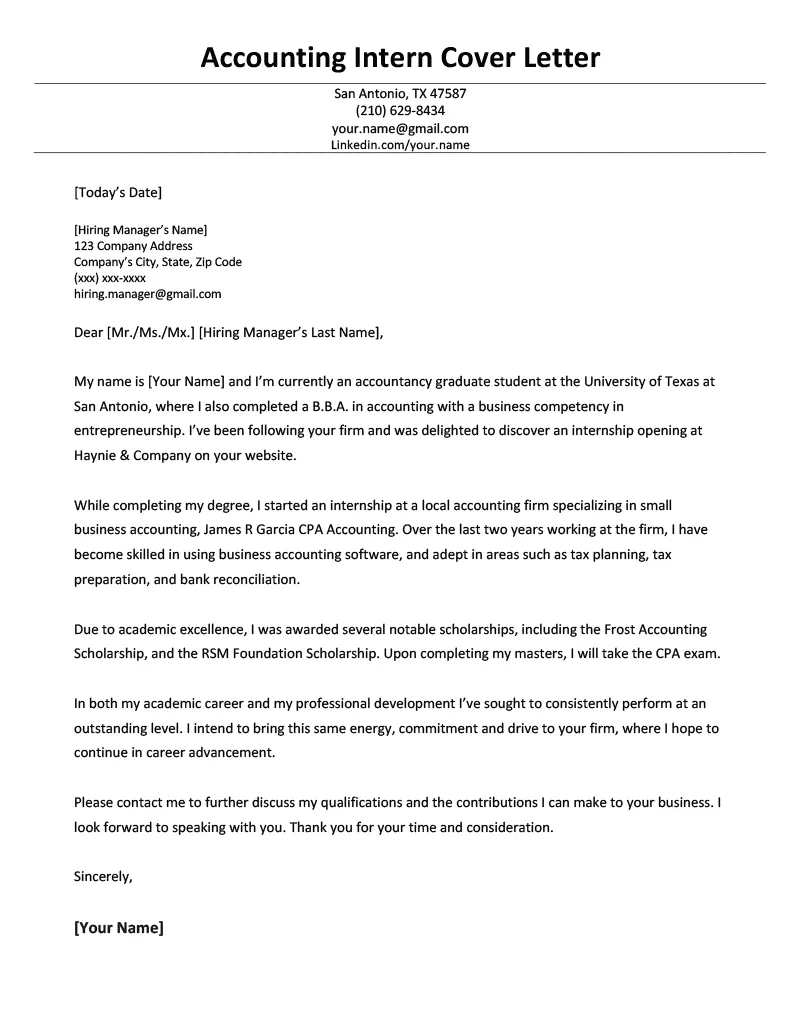
The format and structure of your cover letter are just as important as the content. A well-formatted letter is easy to read and shows that you pay attention to detail. Use a professional font (such as Times New Roman, Arial, or Calibri) and a standard font size (11 or 12 points). Keep your letter concise, ideally one page long. Use clear headings, paragraphs, and bullet points to organize your information and make it easy for the reader to scan. Ensure there is consistent spacing and proper alignment. Proofread your letter carefully to avoid any typos or grammatical errors. A well-structured cover letter is more likely to be read and considered by the hiring manager.
Choose the Right Format
Choose a format that is easy to read. Use a professional font like Times New Roman, Arial, or Calibri. Use clear headings, paragraphs, and bullet points to organize your information and make it easy for the reader to scan. Ensure there is consistent spacing and proper alignment. A well-structured cover letter is more likely to be read and considered by the hiring manager. The format needs to be clean and organized to allow the reader to easily take in the information without a struggle.
Proofread and Edit Carefully

Before submitting your cover letter, proofread and edit it carefully. Typos, grammatical errors, and formatting inconsistencies can make a negative impression and undermine your credibility. Check for any spelling mistakes, incorrect punctuation, and awkward sentence structures. Ask a friend, professor, or career counselor to review your letter for feedback. Consider using grammar-checking software to identify any potential errors. Proofreading and editing are critical steps that ensure your cover letter is polished, professional, and free of errors.
Common Mistakes to Avoid
Be aware of common mistakes that can damage your chances of landing an internship. These mistakes can range from sending a generic letter to failing to tailor your application to the specific role. By avoiding these common pitfalls, you can create a more effective cover letter and increase your chances of success. Pay attention to details and ensure that your cover letter reflects your professionalism and attention to detail.
Generic Cover Letters
Avoid sending a generic cover letter that could be sent to any company or position. Generic cover letters lack the personalization and specific details that demonstrate your genuine interest in the internship. Tailor your letter to each company and position by researching the company, highlighting relevant skills and experiences, and customizing your letter to address the specific requirements. Make sure it showcases that you’ve taken the time to understand the role and that you are a great fit for the company.
Typos and Grammatical Errors

Typos and grammatical errors can make a negative impression and undermine your credibility. Always proofread your cover letter carefully before submitting it. Check for any spelling mistakes, incorrect punctuation, and awkward sentence structures. Ask a friend, professor, or career counselor to review your letter for feedback. Consider using grammar-checking software to identify any potential errors. It’s vital to ensure your cover letter is polished, professional, and free of errors.
Ignoring the Specifics of the Internship
Ignoring the specifics of the internship is a common mistake that applicants make when sending a cover letter. Always make sure that your cover letter is tailored to the specific position and company. Address the requirements of the internship, mention the company’s values or recent projects that resonate with you, and highlight how your skills align with their needs. Use keywords from the job description throughout your letter to show that you meet the requirements. It is crucial to show that you are aware of the company’s needs.
Follow-Up and Next Steps
After submitting your cover letter and application, take appropriate follow-up steps. These steps can demonstrate your continued interest and professionalism. Follow-up actions show that you are proactive and committed to landing the internship. Follow-up correctly to ensure your application does not get overlooked.
Sending Your Cover Letter

When sending your cover letter, use a professional format. Save your cover letter as a PDF to maintain the formatting. Use a clear and professional email subject line that includes your name and the position you’re applying for. Address the hiring manager by name if possible, otherwise, use a formal salutation. Make sure the email is professional and free of typos. Double-check the email address and ensure that your contact information is correct and up-to-date.
Following Up with the Employer
Following up with the employer can demonstrate your continued interest in the internship. After submitting your application, wait a reasonable amount of time (usually one to two weeks) before sending a follow-up email. In your email, reiterate your interest in the position, briefly mention your qualifications, and inquire about the status of your application. Thank the hiring manager for their time and consideration. Follow-up politely and professionally, and avoid being overly persistent. This shows that you are committed to the position and attentive to details.
Conclusion
Writing a compelling cover letter is essential for securing an internship. By following these tips and avoiding common mistakes, you can create a cover letter that showcases your qualifications, demonstrates your enthusiasm, and grabs the attention of hiring managers. Remember to tailor your letter to each specific internship, highlight your relevant skills and experiences, and quantify your achievements whenever possible. Proofread and edit carefully to ensure your letter is polished and professional. Follow up appropriately to show your continued interest. With a well-crafted cover letter, you can increase your chances of landing a valuable internship and taking a crucial step toward your career goals.