Understanding the Importance of a Cover Letter
In the competitive landscape of job applications, a well-crafted cover letter is your key to unlocking the door to an interview. It’s your first opportunity to make a strong impression on a potential employer and set yourself apart from the countless other applicants vying for the same position. A cover letter serves as more than just an introduction; it’s a powerful tool that allows you to showcase your personality, enthusiasm, and qualifications in a way that a resume alone cannot. By demonstrating your genuine interest in the role and the company, you increase your chances of being noticed and considered for an interview, ultimately paving the way to your desired career path. The cover letter offers a unique opportunity to tell your story and how your skills align with the specific job requirements.
Why Cover Letters Are Crucial for Interview Requests
Cover letters play a pivotal role in securing interview opportunities. They allow you to provide context to your resume, explaining how your skills and experiences align with the specific needs of the employer. A compelling cover letter demonstrates your understanding of the company’s mission, values, and the requirements of the position. This shows that you’ve invested time and effort in tailoring your application. It’s a chance to highlight your personality, passion, and work ethic. By expressing your genuine enthusiasm for the role, you create a positive first impression, making you more memorable to the hiring manager. This personalized touch enhances your application, making it stand out from the numerous generic applications and significantly increasing your chances of receiving an interview invitation. The cover letter is also an opportunity to address any potential gaps or weaknesses in your application.
Cover Letter Essentials

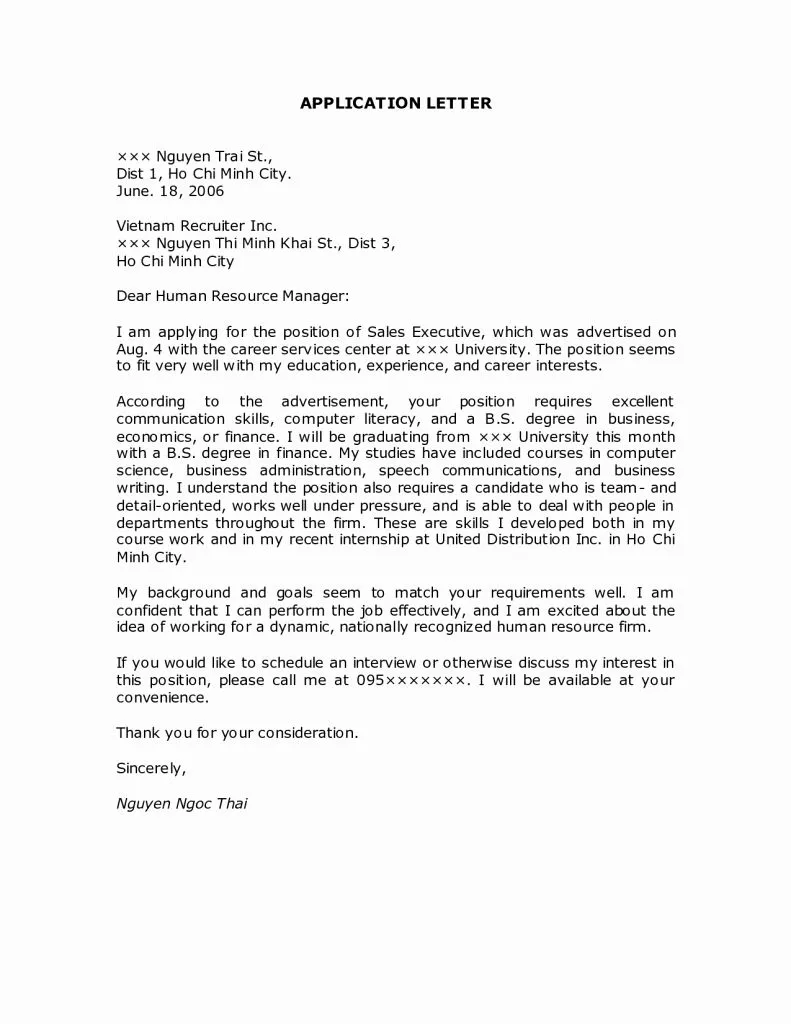
Crafting an effective cover letter starts with understanding its core components. Begin with a professional header that includes your contact information, the date, and the hiring manager’s name and address. The salutation should be personalized, addressing the hiring manager by name whenever possible, rather than using generic greetings like “To Whom It May Concern.” Your introduction should immediately grab the reader’s attention, clearly stating the position you’re applying for and expressing your enthusiasm. The body paragraphs should elaborate on your relevant skills and experiences, providing specific examples of your accomplishments and quantifying your results whenever possible. Close with a strong call to action, reiterating your interest in the role and expressing your availability for an interview. Remember to proofread meticulously for any grammatical errors or typos. This attention to detail demonstrates your professionalism and commitment to the role.
Personalizing Your Cover Letter for Maximum Impact
Generic cover letters often end up in the rejection pile. To make your application stand out, personalization is key. Start by researching the specific requirements of the job description and tailoring your cover letter to address them directly. Highlight the skills and experiences that align with the employer’s needs, providing concrete examples of how you’ve demonstrated these skills in the past. Instead of simply restating your resume, use the cover letter to tell a story about your professional journey, showcasing your passion for the field and your genuine interest in the company. If possible, mention specific projects, initiatives, or values that resonate with you. This personalization signals to the hiring manager that you’ve taken the time to understand their needs and are genuinely interested in the opportunity. Avoid using a generic template and demonstrate that you understand the company’s culture and the specifics of the role.
Researching the Company and Role
Before you begin writing your cover letter, thorough research is essential. Start by visiting the company’s website to learn about its mission, values, and recent news. Explore their social media profiles to get a sense of their culture and brand. Study the job description carefully, paying close attention to the required skills, qualifications, and responsibilities. Understanding the company’s needs allows you to tailor your cover letter to address their specific requirements. Identify the key challenges the company faces and consider how your skills and experience can contribute to solving those challenges. Research the hiring manager, if possible, to gain insights into their background and interests. This in-depth research demonstrates your initiative and helps you create a more compelling and targeted cover letter, increasing your chances of capturing the hiring manager’s attention and securing an interview.
Highlighting Relevant Skills and Experience

Your cover letter is the ideal platform to showcase your most relevant skills and experiences. Identify the key skills and qualifications mentioned in the job description and highlight how your background aligns with those requirements. Provide specific examples of your accomplishments, quantifying your results whenever possible. Instead of simply listing your responsibilities, describe how you used your skills to achieve positive outcomes. For instance, if the job requires project management skills, describe a project you managed, outlining the challenges you faced, the strategies you employed, and the successful results you achieved. Quantify your achievements with numbers and metrics to demonstrate your impact, such as increasing sales by a specific percentage or improving efficiency by a certain margin. By providing concrete examples, you transform your cover letter into a powerful testament to your abilities, making a strong case for why you are the ideal candidate for the position.
Structuring Your Cover Letter Effectively
A well-structured cover letter guides the reader through your qualifications and makes a strong impression. Begin with a compelling introduction that clearly states the position you’re applying for and immediately captures the reader’s interest. In the body paragraphs, elaborate on your relevant skills and experiences, providing specific examples to support your claims. Group related skills and experiences together to create a logical flow. Use concise and clear language, avoiding jargon or overly complex sentence structures. The use of bullet points is also a fantastic practice, but be careful not to overdo it. Include a call to action, expressing your interest in an interview and your availability. A clear structure makes your cover letter easy to read and allows the hiring manager to quickly grasp your qualifications. Remember to keep each paragraph focused and relevant.
Opening with a Strong Statement
The opening of your cover letter is your first and often only chance to grab the reader’s attention. Begin with a strong statement that immediately conveys your interest in the role and the company. You can start by expressing your enthusiasm for the opportunity and briefly mentioning how your skills and experience align with the job requirements. Alternatively, you can open with a concise summary of your key accomplishments, highlighting your most relevant skills. Avoid generic phrases like “I am writing to express my interest.” Instead, personalize your introduction by mentioning something specific about the company or the role that excites you. This initial statement should provide a clear indication of your qualifications and pique the reader’s interest, encouraging them to continue reading. The goal is to make a strong first impression and convince the hiring manager to learn more about you.
Body Paragraphs Detailing Your Value

The body paragraphs of your cover letter are where you demonstrate your value to the employer. Use these paragraphs to elaborate on your key skills, experiences, and accomplishments, providing specific examples to support your claims. Focus on the requirements mentioned in the job description and highlight how your background aligns with those needs. Provide evidence of your successes by quantifying your results whenever possible, using metrics to showcase your impact. Instead of simply listing your responsibilities, describe how you used your skills to solve problems, improve processes, or achieve positive outcomes. Use each paragraph to address a specific skill or experience, ensuring a clear and logical flow. By showcasing your value in the body paragraphs, you demonstrate your potential contributions to the company and increase your chances of securing an interview.
Crafting a Compelling Closing
The closing of your cover letter should leave a lasting positive impression and encourage the hiring manager to contact you. Reiterate your interest in the role and express your enthusiasm for the opportunity to contribute to the company’s success. Thank the hiring manager for their time and consideration, and clearly state your availability for an interview. Include a call to action, such as inviting them to review your resume or visit your online portfolio. Avoid generic phrases like “I look forward to hearing from you.” Instead, use a more proactive and engaging closing. Proofread your closing carefully to ensure it’s free of any errors. A well-crafted closing leaves the hiring manager with a sense of confidence in your abilities and reinforces your desire to move forward in the hiring process, increasing your chances of receiving an interview invitation.
Formatting and Proofreading Your Cover Letter
The appearance of your cover letter reflects your attention to detail and professionalism. Choose a clean and easy-to-read font, such as Times New Roman, Arial, or Calibri, and maintain a consistent font size throughout the document, typically 11 or 12 points. Use standard margins (1 inch on all sides) and single spacing to create a visually appealing layout. Break up large blocks of text with white space and use headings to clearly delineate different sections of the letter. Before submitting your cover letter, carefully proofread it for any grammatical errors, typos, or spelling mistakes. Ensure that your contact information is accurate and up-to-date. Consider having a friend or colleague review your cover letter for a fresh perspective. Paying attention to formatting and proofreading demonstrates your commitment to quality and professionalism, increasing your chances of making a positive impression.
Choosing the Right Font and Layout
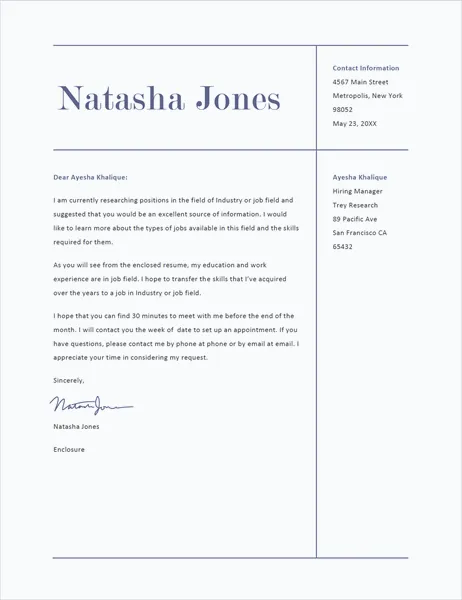
Selecting the appropriate font and layout is essential for creating a professional cover letter. The font should be legible and easy on the eyes. Avoid using overly decorative or unusual fonts that could distract the reader. Stick to standard fonts like Times New Roman, Arial, or Calibri, and maintain a consistent font size throughout the document, typically 11 or 12 points. A well-structured layout is equally important. Use standard margins (1 inch on all sides) and single spacing to create a clean and uncluttered appearance. Break up large blocks of text with white space to improve readability. Use headings to clearly organize different sections of the letter, making it easy for the hiring manager to quickly scan your qualifications. Ensure your contact information is prominently displayed at the top of the letter. Choosing the right font and layout enhances the overall presentation of your cover letter, increasing your chances of making a positive impression.
Proofreading for Grammar and Spelling
A polished cover letter is free of grammatical errors, typos, and spelling mistakes. Before submitting your cover letter, carefully proofread it multiple times to catch any errors. Pay close attention to sentence structure, subject-verb agreement, and punctuation. Spell-check your document using a grammar and spell-check tool, but don’t rely solely on this; manual proofreading is crucial. Read your cover letter aloud to identify any awkward phrasing or inconsistencies. Consider having a friend or colleague review your letter for a fresh perspective and to catch any errors you may have missed. The attention to detail demonstrated by a well-proofread cover letter reflects your professionalism and commitment to the role, significantly increasing your chances of making a positive impression on the hiring manager and securing an interview.
Tailoring Your Cover Letter to Specific Industries
To maximize your chances of success, tailor your cover letter to the specific industry and the specific requirements of the job. Research industry-specific language, terminology, and best practices. If you’re applying for a position in a creative field, such as marketing or design, consider showcasing your creativity in the design and content of your cover letter. For technical roles, such as engineering or software development, emphasize your technical skills and experience. Demonstrate your understanding of the industry and its challenges by highlighting relevant accomplishments and providing examples of how you have addressed similar issues in the past. Tailoring your cover letter to the specific industry demonstrates your knowledge and experience, and your commitment to the role, ultimately increasing your chances of securing an interview and landing the job.
Cover Letter Examples

Reviewing cover letter examples can provide valuable insights and inspiration as you craft your own. Look for examples that align with your industry, experience level, and the specific roles you are targeting. Pay attention to how the authors structure their letters, highlight their skills, and express their enthusiasm for the opportunity. Analyze the language used, paying attention to the tone and the types of accomplishments highlighted. Use these examples as a guide, but avoid simply copying and pasting content. Instead, adapt the examples to reflect your own unique qualifications and experiences. By studying various cover letter examples, you’ll gain a better understanding of best practices and learn how to effectively communicate your value to potential employers.
Cover Letter Examples for Different Industries
The structure and content of a cover letter can vary depending on the industry you’re applying to. For example, a cover letter for a creative role may emphasize your portfolio and design skills, while a cover letter for a technical role may focus on your technical expertise and problem-solving abilities. Research cover letter examples specific to the industry you’re targeting, such as marketing, finance, healthcare, or software engineering. Pay attention to the language used, the types of skills highlighted, and the overall tone. Adapt these examples to reflect your own unique qualifications and experiences, tailoring your cover letter to the specific requirements of each industry. Consider including industry-specific keywords and using language that resonates with the hiring managers in your field. By tailoring your cover letter to the industry, you demonstrate your understanding of the field and increase your chances of making a strong impression.
Cover Letter for a Marketing Position
A cover letter for a marketing position should showcase your understanding of marketing principles and your ability to drive results. Start by highlighting your passion for marketing and your familiarity with the company’s brand and products. Emphasize your relevant skills, such as content creation, social media management, SEO/SEM, and data analysis. Provide specific examples of your marketing accomplishments, quantifying your results whenever possible. For example, you might mention increasing website traffic by a certain percentage, improving conversion rates, or successfully launching a marketing campaign. Demonstrate your creativity by including examples of your marketing campaigns or content. Tailor your cover letter to the specific requirements of the marketing role, highlighting your experience with relevant marketing tools and platforms. By showcasing your marketing expertise and your ability to deliver results, you can make a strong case for why you are the ideal candidate.
Cover Letter for a Software Engineer

A cover letter for a software engineer position should highlight your technical skills and experience. Start by mentioning the specific programming languages, frameworks, and tools you are proficient in. Provide examples of your software development projects, emphasizing your role, the technologies used, and the outcomes achieved. Demonstrate your problem-solving abilities and your ability to work collaboratively in a team. Mention any relevant certifications, open-source contributions, or personal projects that showcase your skills. Tailor your cover letter to the specific requirements of the software engineering role, highlighting your experience with relevant technologies and methodologies. By showcasing your technical expertise, your problem-solving skills, and your passion for software development, you can make a strong impression on the hiring manager and secure an interview.
Avoiding Common Cover Letter Mistakes
Many cover letters fail to make a strong impression because of common mistakes. Avoid generic and uninspired content; tailor each cover letter to the specific role and company. Don’t focus on what you want, but rather on what you can offer to the employer. Do not simply restate your resume; use the cover letter to elaborate on your accomplishments and explain how your skills align with the job requirements. Avoid grammatical errors, typos, and spelling mistakes. A poorly written cover letter immediately reflects poorly on your attention to detail. Don’t make your cover letter too long; keep it concise and to the point, typically no more than one page. Proofread your cover letter carefully before submitting it to ensure it is free of any errors.
Generic and Uninspired Content
One of the most common mistakes in cover letters is the use of generic and uninspired content. Avoid using generic phrases like “I am writing to express my interest.” Instead, personalize your cover letter by mentioning something specific about the company or the role that excites you. Don’t simply list your skills and experience. Tell a story about your professional journey, highlighting your passion for the field and your genuine interest in the company. Tailor your cover letter to address the specific requirements of the job, and show that you’ve taken the time to understand their needs. Avoid using a generic template, demonstrate that you understand the company’s culture and the specifics of the role.
Focusing on What You Want, Not What You Can Offer

A cover letter is not a place to simply state your career goals. Instead of focusing on what you want from the job, emphasize what you can offer to the employer. Showcase your skills, experience, and accomplishments in a way that demonstrates your value. Highlight how your background aligns with the job requirements and provide specific examples of your successes. Instead of saying “I want to learn,” state what you can contribute. By focusing on how you can solve their problems, improve their processes, or achieve their goals, you demonstrate that you are a valuable asset to the company.
How to Submit Your Cover Letter Effectively
After crafting a compelling cover letter, it’s important to submit it effectively. Follow the application instructions provided by the employer. Typically, you’ll attach your cover letter and resume to your online application. If the job posting specifies a particular format, adhere to it. Otherwise, a PDF format is generally preferred, as it preserves the formatting of your document. Use a professional file name for your cover letter and resume, such as “YourName_CoverLetter” and “YourName_Resume.” Be sure to proofread your entire application, including your cover letter, resume, and any other required documents, before submitting. Accurate and complete applications showcase your attention to detail and increase your chances of being considered for an interview.
Attaching Your Cover Letter and Resume
When submitting your application, ensure that your cover letter and resume are properly attached. Follow the application instructions carefully, as the requirements may vary. If the application is online, you’ll typically find a section to upload your documents. Use a professional file name for both your cover letter and resume, such as “YourName_CoverLetter” and “YourName_Resume.” This helps the hiring manager easily identify your documents. Before submitting, double-check that you have attached the correct files and that they are in the correct format. Make sure your name and the date are included in the header of both documents, which can help maintain file consistency. A well-organized application process demonstrates your professionalism and attention to detail. If asked, make sure your file sizes are compliant with the application’s guidelines.
Following Up on Your Interview Request
After submitting your cover letter and resume, following up is an important step in the job search process. If you haven’t heard back within the timeframe specified in the job posting, or within a reasonable timeframe (typically one to two weeks), consider sending a polite follow-up email. In your email, reiterate your interest in the role and the company. Express your enthusiasm for the opportunity and briefly mention your qualifications. Thank the hiring manager for their time and consideration. Avoid being overly persistent, and keep your email concise and professional. Following up shows your continued interest and can help you stay top-of-mind. However, avoid sending multiple follow-up emails, as this could be perceived as annoying. A thoughtful follow-up can positively impact your chances of landing an interview.