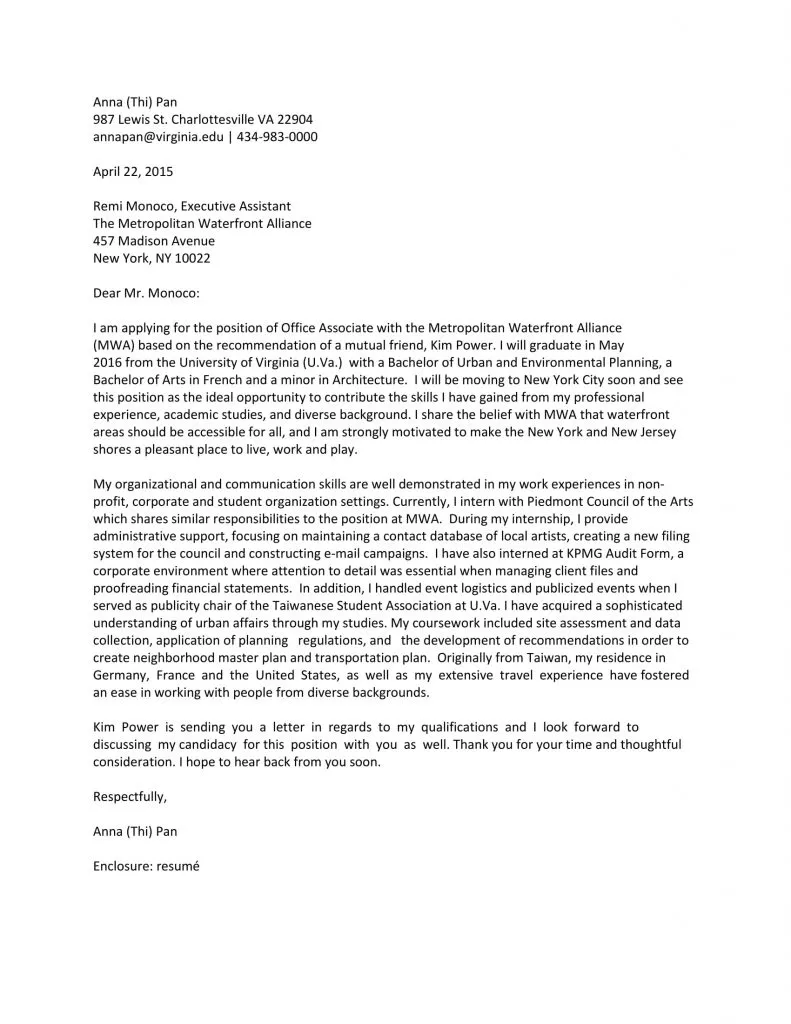
In the competitive world of Information Technology, your resume is your first impression, but your IT cover letter is where you truly get to shine. It’s your opportunity to go beyond the bullet points and showcase your personality, passion, and the unique value you bring to the table. A well-crafted cover letter is not just a formality; it’s a powerful tool that can significantly increase your chances of landing an interview and ultimately, your dream IT job. Understanding the importance of a strong cover letter is the first step toward crafting a compelling narrative that grabs the attention of hiring managers.
Why a Strong IT Cover Letter Matters
A compelling IT cover letter acts as your personal introduction to a potential employer. It sets the tone for your application and highlights your enthusiasm for the role and the company. Unlike your resume, which is a factual account of your skills and experience, the cover letter allows you to tell a story. It provides context, explains your career trajectory, and connects your skills to the specific requirements of the job. This is particularly crucial in IT, where technical skills are often accompanied by soft skills like problem-solving, communication, and teamwork. The best cover letters are tailored, showing that you’ve researched the company and understand their needs. The ability to demonstrate genuine interest and understanding can set you apart from other applicants, showcasing your commitment and foresight.
Grabbing Attention with Your IT Cover Letter
The opening paragraph is your chance to make a great first impression, and you should use it wisely. Avoid generic openings like “I am writing to express my interest…” Instead, aim for a hook that immediately captures the reader’s attention. Start with a strong statement, a brief anecdote, or an intriguing fact that relates to the company or the role. For instance, if you’re applying for a cybersecurity position, you might mention a recent security breach and your eagerness to contribute to the company’s protection. Always customize your opening to resonate with the specific job and company. Show your genuine enthusiasm for the role and the company. Make it clear why you’re excited about the opportunity and what unique skills and perspectives you can bring to the table. This initial impact is vital; it convinces the reader to continue and learn more about you.
Highlighting IT Skills and Experience

While your resume details your skills and experience, your cover letter lets you elaborate on them. Select a few of your most relevant skills and provide specific examples of how you’ve used them in previous roles. Showcase how these skills align with the job requirements. Use action verbs to describe your accomplishments and quantify your results whenever possible. Did you reduce network downtime by 30%? Did you successfully implement a new security protocol? Such specific examples demonstrate the tangible impact you’ve had in previous roles. Moreover, explain how your skills translate to the specific needs of the company you’re applying to. If the job description emphasizes cloud computing, for example, describe your experience with AWS, Azure, or Google Cloud. This demonstrates your ability to understand and meet the expectations of the role.
Tailoring Your Cover Letter to the Job
One of the most crucial steps in writing an effective IT cover letter is tailoring it to each specific job application. Generic cover letters are easy to spot and often end up in the rejection pile. Instead, take the time to carefully review the job description and identify the key requirements and keywords. Then, structure your cover letter to address these specific points, highlighting how your skills and experience align with the needs of the role. Research the company; show that you understand their mission, values, and the challenges they face. Mention specific projects or technologies they use and how your experience is relevant to their environment. This demonstrates your genuine interest and your understanding of what the company is looking for, thereby significantly boosting your chances of getting noticed.
Key Sections of an IT Cover Letter
Your Contact Information and the Date

At the top of your cover letter, include your contact information: your full name, phone number, email address, and optionally, your LinkedIn profile URL. This ensures that the hiring manager can easily reach you if they want to schedule an interview. Also, include the date; this is important for record-keeping. This section is simple, but its accuracy is critical. Double-check all information to avoid typos or errors.
The Hiring Manager’s Information
If possible, address your cover letter to a specific person, such as the hiring manager or the team lead. Finding the name of the hiring manager makes your cover letter more personal. This shows you’ve done your research and are truly interested in the opportunity. If you can’t find a specific name, use a professional salutation like “Dear Hiring Manager” or “Dear [Department] Team.” However, try your best to find a name; it shows effort. The more personalized your approach, the higher your chances of getting noticed. The hiring manager feels valued when they see that their name is used.
Opening Paragraph — Making a Great First Impression
As mentioned earlier, the opening paragraph is your chance to make a strong first impression. Start with a hook that grabs the reader’s attention. You can mention your excitement about the role, a relevant achievement, or a specific skill. Keep it concise and focused on why you’re the right fit for the job and how you can help the company achieve its goals. For example, you could begin by stating your enthusiasm for contributing to the company’s cybersecurity efforts or detailing a previous project where you successfully implemented a new network infrastructure. The goal is to immediately engage the reader and encourage them to continue reading to learn more about your qualifications and what makes you a standout candidate.
Body Paragraphs — Showcasing Your IT Expertise

The body of your cover letter is where you provide detailed examples of your skills and experience, and show how you can help them achieve their goals. It’s not enough to just list your skills; you must demonstrate them. Use the STAR method (Situation, Task, Action, Result) to structure your examples. Describe the situation you faced, the task you were assigned, the actions you took, and the results you achieved. This will provide clear, concise, and convincing evidence of your abilities. By linking your expertise to the job requirements, you will be seen as a strong candidate. The body paragraphs should clearly connect your skills to the company’s needs, making it evident how your skills and experiences align with the role and the company’s objectives.
Quantifying Achievements and Results
Whenever possible, quantify your achievements with numbers and metrics. Instead of saying you “improved network performance,” state that you “reduced network latency by 40%.” Quantifying your accomplishments demonstrates the tangible impact you’ve made in previous roles. This is especially crucial in IT, where performance metrics are standard. Did you reduce help desk ticket resolution times? Did you improve system uptime? Were you able to implement cost-saving measures? Providing concrete examples of your achievements shows your potential and the value you can bring to the company. Quantifiable achievements are much more impactful and provide specific evidence to back up your claims, making your application more persuasive.
Closing Paragraph — Call to Action
Your closing paragraph should summarize your interest in the role and reiterate your enthusiasm. This is also your opportunity to include a call to action. Invite the hiring manager to contact you for an interview. Thank them for their time and consideration. Make it clear that you are eager to discuss your qualifications further. A confident, professional closing paragraph leaves a lasting positive impression, increasing the likelihood of receiving a response. A simple, polite, yet assertive closing paragraph, that reiterates your value, will increase your chances of being invited to an interview.
Formatting and Proofreading Your IT Cover Letter

Choosing the Right Font and Layout
The layout and formatting of your IT cover letter are essential in creating a professional appearance. Choose a clean, easy-to-read font like Arial, Calibri, or Times New Roman. Stick to a standard font size (11 or 12 points) for readability. Use a clear and consistent layout with adequate white space to avoid overwhelming the reader. Proper formatting makes it easy for the hiring manager to read your letter, ensuring your qualifications are easily understood. A well-formatted cover letter reflects your attention to detail and professionalism, which are crucial in the IT field.
Proofreading for Errors
Proofreading is one of the most critical steps. Typos, grammatical errors, and inconsistencies can undermine your credibility and convey a lack of attention to detail. Carefully review your cover letter for any mistakes. It is always best to read your letter aloud, as this helps you catch any errors that might be missed when reading silently. It’s also a good idea to have a friend or family member review your cover letter. They can provide a fresh perspective and catch errors that you might have missed. Pay close attention to spelling, grammar, punctuation, and sentence structure to present yourself professionally. This demonstrates your ability to create clear, error-free documentation, a skill highly valued in the IT field.
Using Keywords Strategically

Use keywords from the job description in your cover letter, but don’t overdo it. Integrating these terms naturally shows that you meet the requirements of the role. Ensure that these keywords are woven seamlessly into your sentences. Read the job description and identify the key skills, technologies, and qualifications they are looking for. Incorporate these keywords into your cover letter. This helps your application get past applicant tracking systems and ensures that hiring managers quickly see your relevance to the role. This approach makes your cover letter more relevant to the job and increases your chances of getting noticed.
Examples of Effective IT Cover Letters
Studying examples of effective IT cover letters can provide valuable insight. Analyzing different formats, styles, and approaches will allow you to create a cover letter that best suits your needs. Tailoring the format to your specific experience, the job requirements, and the company culture is essential for a strong application. Many online resources and resume-writing services offer sample cover letters for various IT roles. Remember, adapt the examples to fit your background and the specific job you’re applying for.
Example 1: Entry-Level IT Support
For an entry-level IT support position, your cover letter should highlight your foundational skills and your eagerness to learn. Focus on any relevant coursework, projects, or volunteer experiences where you’ve demonstrated problem-solving skills or a passion for technology. Also, show your familiarity with the company’s products, services, or values. Highlight any certifications or training you have. This type of letter should demonstrate the fundamentals and your enthusiasm for the IT field. Show your interest in starting your IT career with their organization.
Example 2: Experienced Network Administrator

An experienced network administrator cover letter must emphasize your technical expertise and past achievements. Include details of your certifications, the technologies you’ve worked with, and your success in managing and maintaining networks. Give specific examples of how you have improved network performance, reduced downtime, or enhanced security. Be sure to include quantifiable results to show your impact. Also, show how your skills and expertise align with the specific needs of the job and the company. Demonstrate your capabilities with real-world examples, supporting your skills with metrics and achievements, especially your positive contributions in prior roles.
Example 3: IT Project Manager
In an IT project manager cover letter, your leadership, communication, and project management skills should be emphasized. Describe your experience in leading IT projects, managing budgets, and collaborating with cross-functional teams. Use examples to illustrate your success in delivering projects on time and within budget. Highlight your use of project management methodologies like Agile or Scrum and show how you have handled challenges and resolved issues. Include instances where you have successfully managed large projects from start to finish. Demonstrate your ability to bring IT projects to a successful completion and add value.
Common Mistakes to Avoid in Your IT Cover Letter
Generic Cover Letters
Avoid using a generic cover letter that isn’t customized to the specific job or company. These are easily recognizable and often get immediately discarded. Tailor each cover letter to the specific role and company. Always adjust the tone and language to match the job description and company culture. Demonstrate that you understand the company’s mission, values, and the challenges they face. Always personalize your cover letter to the hiring manager and the specific role. This proves that you’ve invested time and effort, thereby increasing the chance of your application being read and considered.
Typos and Grammatical Errors
Carelessly written cover letters with numerous typos, spelling mistakes, and grammatical errors can create a negative impression and reflect a lack of attention to detail. Always proofread your cover letter to ensure that it’s free from errors. Review your cover letter to avoid any potential mistakes. Errors can detract from your credibility and make you seem less professional. Carefully check your grammar and spelling, as well as the overall flow and readability of your writing. A well-written and error-free cover letter boosts your chances of being taken seriously. Use tools such as Grammarly or other proofreading software, but always proofread your work yourself.
Focusing on the Negative
Avoid negative language and do not dwell on past failures or rejections. Instead, emphasize your skills, experience, and enthusiasm for the job and the company. Focus on your accomplishments and what you can bring to the table. Always keep a positive and confident tone throughout your cover letter, and demonstrate your excitement for the position. Highlight your strengths and successes. By keeping your tone positive, you create a compelling case for yourself. Focus on what you can offer and what you hope to achieve in the role.
The Importance of Following Up
After submitting your IT cover letter and resume, it’s crucial to follow up. Send a polite email or phone call to the hiring manager within a week or two of submitting your application. This shows your continued interest in the position and reminds the hiring manager of your application. In your follow-up, reiterate your enthusiasm and ask if they need any additional information from you. This shows that you’re genuinely interested in the role. Use your follow-up to reaffirm your interest, making you more memorable. By following up, you demonstrate your professionalism and commitment. Following up is a great way to stay top of mind and show you have a real interest in the position.
Crafting the perfect IT cover letter requires time, effort, and attention to detail, but the payoff can be significant. By following the guidelines discussed in this article, you can create a compelling cover letter that showcases your skills, experience, and passion for IT. Remember to tailor your cover letter to each job, highlight your achievements with quantifiable results, and always proofread for errors. With a well-crafted cover letter, you’ll be well on your way to landing your dream IT job.