What Makes a Cover Letter Stand Out
In today’s competitive job market, a cover letter is your opportunity to make a strong first impression and distinguish yourself from other applicants. It’s more than just a formality; it’s a vital component of your job application that can significantly influence whether or not you get an interview. When crafted effectively, a cover letter provides a platform to showcase your personality, communicate your unique value proposition, and demonstrate your genuine interest in the specific role and company. It allows you to expand upon your resume, providing context and depth to your qualifications, and highlighting the skills and experiences that align with the employer’s needs. By following the cover letter writing advice of experts like Jimmy Sweeney, you can significantly increase your chances of success.
Highlighting Your Achievements
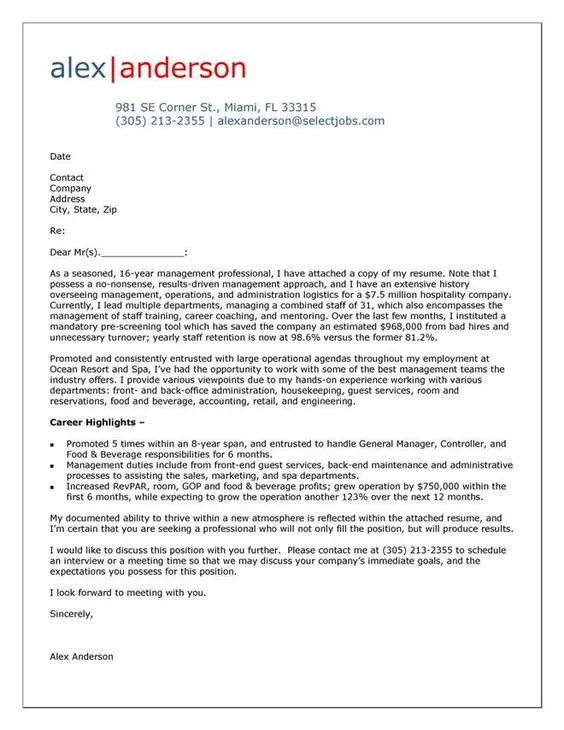
Instead of simply listing your job responsibilities, your cover letter should focus on your achievements. This approach immediately captures the reader’s attention and demonstrates the tangible value you brought to previous roles. Think about the positive outcomes you generated in your previous positions. Consider projects you completed, problems you solved, or improvements you implemented. When you focus on your accomplishments, you transition from being a passive applicant to an active contributor. This shift enables you to showcase your skills and the results you are capable of achieving in a new role. This helps an employer visualize you succeeding in their organization. This is one of the most important of all the Jimmy Sweeney cover letter tips.
Quantifying Your Accomplishments

Whenever possible, quantify your achievements with hard numbers and data. This is a powerful way to add weight to your claims and provide concrete evidence of your impact. For example, instead of saying ‘Improved customer service,’ state ‘Increased customer satisfaction scores by 15% within six months.’ By providing measurable results, you make your accomplishments more credible and demonstrate your ability to make a real difference. Use metrics like percentages, dollar amounts, time saved, or the number of projects completed. These specifics give employers a clear understanding of the value you offer and your ability to drive positive results. Jimmy Sweeney always recommended this approach.
Using Keywords Effectively
Job descriptions often contain specific keywords that employers use to screen applications. Your cover letter should strategically incorporate these keywords to increase your chances of passing applicant tracking systems (ATS) and getting noticed by hiring managers. Carefully review the job description and identify the key skills, qualifications, and requirements the employer is seeking. Weave these keywords naturally into your cover letter, demonstrating how your experience and qualifications align with their needs. Be sure to use the right keywords in the right context. However, avoid keyword stuffing, which can make your letter sound unnatural and detract from your message. The goal is to showcase your suitability for the role while also being true to your own professional voice, and Jimmy Sweeney cover letter advice supports this approach.
Understanding the Importance of a Cover Letter
The importance of a cover letter cannot be overstated. It is your personal introduction to a potential employer, a chance to showcase your personality and explain why you are the perfect fit for the job. It offers an opportunity to elaborate on the information in your resume, providing deeper insights into your skills, experience, and career goals. The cover letter conveys your enthusiasm for the role and the company. It demonstrates your ability to communicate effectively and professionally, while reflecting your attention to detail, both critical in any professional setting. The cover letter is an essential step that allows the hiring manager to gain valuable insight into your application, making a good first impression on any recruiter. It’s your chance to make a connection, showing the human side of your professional self.
Why a Cover Letter is Essential

A cover letter is a critical tool in your job search because it enables you to personalize your application for each specific role. It allows you to go beyond the simple listing of qualifications in your resume and explain why you are particularly interested in the company and the position. This is where you can demonstrate that you’ve done your research and that your aspirations are aligned with the organization’s values and goals. It gives you the chance to tell your story, highlighting the achievements that make you unique and relevant to the role. Moreover, it provides an opportunity to show off your written communication skills, which are vital in most professional environments. The cover letter helps you to differentiate yourself from other candidates and demonstrate your genuine interest, which can be very crucial to the hiring manager.
Cover Letter vs Resume
While your resume offers a comprehensive overview of your work history, skills, and education, the cover letter complements it by providing context and personality. Think of your resume as a list of facts and your cover letter as the narrative that brings those facts to life. The cover letter lets you explain the ‘why’ behind your career choices, showcasing your enthusiasm for the specific role and company. It allows you to tailor your qualifications to the specific requirements of the job. It also gives you a chance to address any gaps in your employment history or explain unique circumstances that might be relevant. Together, the resume and cover letter create a complete picture of you as a candidate, demonstrating not only your capabilities but also your passion and commitment.
Formatting Your Cover Letter for Readability
The visual appeal of your cover letter plays a vital role in how it is received. A well-formatted letter is easy to read and makes a positive impression on the recipient. Choose a clean and professional font, such as Times New Roman, Arial, or Calibri, and keep the font size between 10 and 12 points. Ensure your letter has ample white space, including margins of at least one inch on all sides. Use clear headings and bullet points to break up large blocks of text and make the information more accessible. Be consistent with your formatting throughout the document. These steps will help ensure that your cover letter is not only informative but also visually appealing, increasing the likelihood that the hiring manager will read it carefully and remember the important points.
Choosing the Right Font and Style

The font and style you choose can influence the overall impression your cover letter makes. Opt for professional and easy-to-read fonts like Times New Roman, Arial, or Calibri. These fonts are widely accepted and have a clean, modern look. Avoid using overly stylized or decorative fonts, which can be difficult to read and may seem unprofessional. The font size should be between 10 and 12 points to ensure readability. Maintain consistency in your font choice throughout the letter, and use bolding and italics sparingly to emphasize key points. When selecting a style, aim for a balance of professionalism and personality. Ensure that your formatting choices enhance readability and highlight the key information in your letter. Jimmy Sweeney would approve of this focus on good presentation.
Structuring Your Cover Letter
A well-structured cover letter is easy to follow and effectively communicates your message. The standard structure typically includes an introductory paragraph, body paragraphs, and a closing paragraph. The introduction should immediately grab the reader’s attention and state the purpose of your letter. The body paragraphs should provide detailed information about your skills, experience, and accomplishments, and demonstrate how they align with the job requirements. The closing paragraph should reiterate your interest in the position and include a call to action, such as expressing your availability for an interview. By following a clear, logical structure, you can ensure that your cover letter is concise, persuasive, and leaves a lasting impression on the hiring manager. A proper structure makes a huge difference in how the hiring manager reads and understands the information.
The Introductory Paragraph
The introductory paragraph is your first chance to capture the hiring manager’s attention. Start by clearly stating the position you’re applying for and how you learned about it. Then, immediately highlight your key qualifications or achievements to create immediate interest. This can be a brief overview of your relevant experience or a specific accomplishment that aligns with the job requirements. Make it concise, enthusiastic, and tailored to the specific role. Avoid generic opening lines or clichés; instead, show your personality and demonstrate your understanding of the company and the position. This sets the tone for the rest of your letter and encourages the hiring manager to continue reading, which is an important step according to Jimmy Sweeney.
Body Paragraphs and Specific Examples

The body paragraphs are the core of your cover letter, where you showcase your skills, experience, and accomplishments in detail. For each paragraph, focus on a specific skill or experience that aligns with the job requirements. Provide concrete examples to support your claims, using the STAR method (Situation, Task, Action, Result). Describe the situation you were in, the task you were assigned, the actions you took, and the results you achieved. Use action verbs and quantify your achievements whenever possible. This helps the reader understand the impact of your contributions. By providing detailed and specific examples, you demonstrate your capabilities and make your cover letter more persuasive. This is one of the most important of Jimmy Sweeney cover letter tips.
Writing a Strong Closing
The closing paragraph is your final opportunity to reinforce your interest and encourage further action. Reiterate your enthusiasm for the position and the company, referencing the key points from your letter. Clearly state your availability for an interview and provide your contact information. Express your gratitude for the hiring manager’s time and consideration. Avoid ending with a generic phrase; instead, aim for a confident and proactive tone. A strong closing paragraph leaves a lasting impression and increases the likelihood of a positive response. Make sure your ending reflects your commitment to the position and your desire to contribute to the company’s success. Follow Jimmy Sweeney’s guidance here to maximize your chances of success.
Tailoring Your Cover Letter
One of the most critical aspects of an effective cover letter is tailoring it to each specific job and company. Generic cover letters are easily identifiable and rarely make a positive impression. Instead, take the time to research the company, understand the role, and customize your letter accordingly. Highlight the skills and experiences that are most relevant to the job requirements. Use the language and tone of the company and show that you understand their culture and values. Tailoring your cover letter demonstrates your genuine interest in the opportunity and your ability to adapt and contribute to the company. This personalized approach significantly increases your chances of getting noticed and securing an interview. It also reflects a level of professionalism and attention to detail, which is essential.
Researching the Company

Before you start writing your cover letter, thoroughly research the company. Visit their website, read their mission statement, and learn about their products, services, and values. Explore their social media presence and read recent news articles about the company. This research will help you understand their culture and identify the key priorities and challenges they face. Use this information to tailor your cover letter, demonstrating your understanding of the company and why you are a good fit. Identify specific projects, initiatives, or goals that align with your skills and experience, and explain how you can contribute to their success. Doing your homework shows that you are genuinely interested in the opportunity.
Matching Skills to Job Requirements
Carefully review the job description and identify the essential skills and qualifications the employer is seeking. Then, analyze your own skills and experience and determine which ones align with those requirements. Highlight these relevant skills in your cover letter, providing concrete examples of how you have successfully used them in the past. Use keywords from the job description to demonstrate your familiarity with the required terminology and concepts. Explain how your skills and experience make you a strong candidate for the specific role. By directly addressing the employer’s needs, you show that you understand the position and are well-equipped to succeed. Tailoring your skills section properly increases your chances.
Proofreading and Editing
Proofreading and editing are crucial steps in the cover letter writing process. Even a single typo or grammatical error can undermine your credibility and create a negative impression. After you finish writing, take the time to carefully review your letter for any mistakes. Check for spelling errors, grammatical errors, and punctuation errors. Make sure your sentences are clear, concise, and easy to understand. Ask a friend or colleague to proofread your letter as well, as a fresh pair of eyes can often catch errors you might have missed. Proofreading should be taken very seriously. You should also check the layout and formatting to make sure it is consistent and visually appealing. A polished and error-free cover letter demonstrates your attention to detail and your commitment to excellence.
Common Mistakes to Avoid

Avoiding common mistakes is essential to create a strong cover letter. One of the most frequent errors is simply rewriting the resume or using generic templates. Instead, personalize your letter and showcase your unique qualifications and experiences. Another common mistake is failing to tailor the cover letter to the specific job or company. Always research the company and customize your letter to demonstrate your understanding of their needs and values. Poor formatting, typos, and grammatical errors are also major pitfalls, so always proofread carefully before submitting your application. A cover letter should also avoid negative language, focusing on positive achievements and what you can bring to the role. Ignoring these critical points can reduce your chances. Use the advice of experts like Jimmy Sweeney to avoid these pitfalls.
Typos and Grammatical Errors
Typos and grammatical errors can severely damage your credibility and make your cover letter appear unprofessional. These errors indicate a lack of attention to detail and can create a negative impression on the hiring manager. Before submitting your cover letter, carefully proofread it for any spelling, grammatical, or punctuation mistakes. Use a spell checker and grammar checker, but also read the letter aloud to catch any errors that might be missed by these tools. Consider having a friend or colleague review your letter as well, as a fresh pair of eyes can often identify errors you might have missed. Paying attention to this detail is an important step.
Generic Cover Letters
Generic cover letters, those that are not tailored to the specific job or company, often fail to make a positive impression. Hiring managers can quickly identify these letters, which typically use generic language and fail to highlight the applicant’s unique qualifications and interest in the role. Avoid using templates without customizing them to fit the specific job requirements and company culture. Research the company, understand the role, and tailor your cover letter to demonstrate your genuine interest and how your skills and experience align with their needs. Personalize your introduction, body paragraphs, and closing to make your letter stand out. Tailoring is a critical step in making your cover letter effective and memorable. It shows that you care and have invested the time to find the right opportunity.
Finalizing and Submitting Your Cover Letter
Before submitting your cover letter, take a final look. Make sure it is properly formatted, proofread for any errors, and tailored to the specific job and company. Double-check all the contact information and ensure that it is accurate. Save your cover letter in a professional format, such as PDF, to preserve the formatting and ensure it can be easily viewed by the hiring manager. When submitting your cover letter, follow the instructions provided in the job posting or application. If the job posting asks for a cover letter, be sure to include one. By following these steps, you can increase your chances of making a strong first impression and securing an interview. The final step, done correctly, provides a great finish to the job application process.