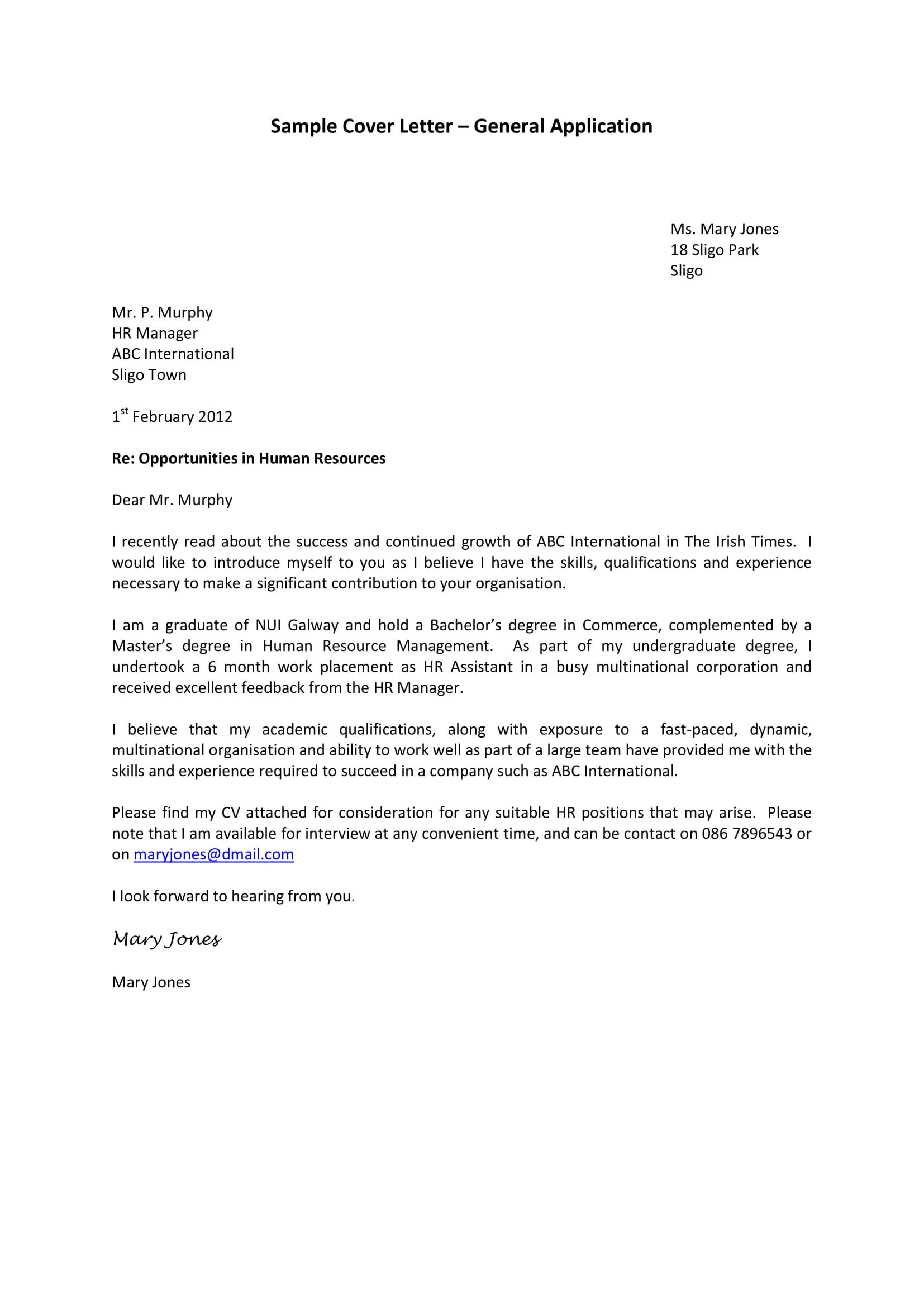
What is a Professional Cover Letter?
A professional cover letter is a crucial document that accompanies your resume when applying for a job. It serves as your first introduction to a potential employer, providing an opportunity to showcase your personality, skills, and enthusiasm for the position. Unlike a resume, which provides a concise summary of your experience, a cover letter allows you to elaborate on your qualifications and explain why you are the ideal candidate. A well-crafted cover letter can significantly increase your chances of landing an interview by capturing the hiring manager’s attention and making a positive first impression. The primary goal is to persuade the reader to review your resume and consider you for an interview. It’s a chance to demonstrate your writing skills, attention to detail, and understanding of the specific job requirements.
Key Components of a Professional Cover Letter
A compelling professional cover letter consists of several essential components that work together to present a cohesive and persuasive argument for your candidacy. These components include your contact information, the hiring manager’s contact information, a professional salutation, the body of the letter, a formal closing, and your signature. Each section plays a critical role in conveying your professionalism, highlighting your skills, and expressing your interest in the position. Ignoring any of these components or failing to execute them effectively can weaken your application. Taking the time to carefully craft each part of your cover letter will significantly increase your chances of making a positive impression and securing an interview. The key is to provide relevant information while maintaining a professional tone.
Your Contact Information

Begin your cover letter by clearly stating your contact information. This typically includes your full name, address, phone number, and email address. Ensure that your email address is professional and appropriate for a job application; avoid using nicknames or informal email addresses. This information allows the hiring manager to easily contact you for an interview or further communication. Place your contact information at the top of the letter, either on the left or right side. Ensuring that your contact details are accurate and up-to-date is a fundamental step, and a careless mistake here can cost you an opportunity. Accuracy is key; double-check all details before submitting your application. This section is the first piece of information the recruiter or hiring manager will review, so make sure it is correct.
The Hiring Manager’s Contact Information
If possible, address your cover letter to a specific person at the company, rather than using a generic greeting like “To Whom It May Concern.” Research the hiring manager’s name and title through the company website, LinkedIn, or by contacting the company’s HR department. Addressing your letter to a specific person shows that you’ve taken the time to research the company and that you are genuinely interested in the position. This personalized approach demonstrates initiative and attention to detail. If you are unable to find a specific contact, then it is acceptable to use the title of the position. Researching the hiring manager can set you apart from other applicants, making a positive impression before they have even started reading the body of your letter. The more personal you can make your application, the better.
Professional Salutations
The salutation sets the tone for your entire cover letter. Use a professional greeting such as “Dear Mr./Ms./Mx. [Last Name]” when you know the hiring manager’s name. Always use the correct title and spelling of their name. If you are unsure of the gender, it is acceptable to use the full name without a title. Avoid overly casual greetings like “Hi [Name].” If you are unable to find a specific contact, use a formal greeting such as “Dear Hiring Manager” or “Dear [Department] Team.” The salutation sets the initial tone of professionalism and respect. The salutation should be followed by a colon. A well-chosen salutation demonstrates your respect for the reader and helps to establish a positive rapport from the start.
Writing the Body of Your Professional Cover Letter

The body of your cover letter is where you sell yourself to the hiring manager. This section should be well-structured, concise, and tailored to the specific job requirements. It’s the place where you elaborate on your qualifications and explain why you are the perfect candidate. The body typically consists of three to four paragraphs, each serving a specific purpose. The first paragraph should express your interest in the position and state where you found the job posting. The subsequent paragraphs should highlight your relevant skills and experience, providing specific examples to support your claims. The final paragraph should summarize your qualifications and reiterate your enthusiasm for the role, while requesting an interview. Maintain a professional and enthusiastic tone throughout the body of your letter.
Expressing Your Interest and Value
Start the first paragraph by clearly stating the position you are applying for and where you found the job posting. Then, express your strong interest in the opportunity and the company. Briefly mention what attracts you to the role and why you are excited about the prospect. Demonstrate your knowledge of the company and its mission, which shows that you have researched the organization and are genuinely interested in working there. This demonstrates to the hiring manager that you are serious about the position and that you have taken the time to learn about the company. This section should be concise and enthusiastic, setting a positive tone for the rest of the letter. Make sure the language is clear and direct.
Highlighting Relevant Skills and Experience
In the body paragraphs, highlight your relevant skills and experience, aligning them with the requirements outlined in the job description. Provide specific examples that showcase your achievements and demonstrate your ability to perform the job effectively. Quantify your accomplishments whenever possible, using numbers and data to support your claims. For instance, instead of saying “Managed a team,” state “Managed a team of 10 employees, increasing productivity by 15%.” Use strong action verbs to describe your accomplishments and skills. This section should be the meat of your letter, so make sure you are thorough and provide enough detail. Providing specific examples that demonstrate your skills is key to proving your value to the hiring manager.
Tailoring Your Cover Letter to the Job Description

Customize each cover letter to match the specific job description. Carefully review the job requirements and identify the key skills and qualifications the employer is seeking. Then, in your cover letter, emphasize your relevant skills and experience, using the same keywords and phrases as the job description whenever possible. This will help the hiring manager quickly see that you possess the qualities they are looking for. Avoid sending generic cover letters. Each cover letter should be tailored to the specific role and company. Customizing your letter to match the job requirements shows your attention to detail and your genuine interest in the position. Using a template is acceptable, but make sure to personalize it each time.
Using Strong Action Verbs
Use strong action verbs to describe your accomplishments and skills in your cover letter. Action verbs are dynamic words that make your statements more impactful and engaging. Instead of stating “I was responsible for,” use action verbs like “Managed,” “Led,” “Developed,” “Implemented,” or “Achieved.” Action verbs convey a sense of initiative, competence, and leadership, which will make your cover letter stand out. A powerful vocabulary and a great command of the English language can set you apart from other applicants. When describing your accomplishments, focus on what you did and what results you achieved. This provides more context to your skills. Choose verbs that best represent the skills and actions required for the job.
Formatting Your Cover Letter
The formatting of your cover letter is as important as its content. A well-formatted letter is easy to read and presents you in a professional light. Formatting includes font choice, font size, margins, spacing, and the overall layout of the letter. Ensure that your cover letter is visually appealing and organized. Poor formatting can detract from the content, making your letter less effective. Following proper formatting guidelines will help you make a positive first impression. Maintain consistency throughout your cover letter in terms of font, size, and spacing. Be careful to ensure that the formatting is suitable for a professional document. A clean and organized layout is a key factor.
Choosing the Right Font and Font Size

Choose a professional and easy-to-read font for your cover letter. Common fonts like Times New Roman, Arial, Calibri, and Helvetica are safe choices. The font size should be between 10 and 12 points to ensure readability. Avoid using overly decorative or unusual fonts, which can be distracting and make your letter difficult to read. A standard font will help make your cover letter look clean and professional. Avoid anything that looks too casual or unconventional, as it may give the wrong impression. The goal is to make the document easy to read for the hiring manager. Make sure the font is a universal option and compatible with all word processors.
Formatting Sections with Proper Spacing
Use consistent spacing throughout your cover letter to enhance readability. Use single spacing within paragraphs and double spacing between paragraphs. Use 1-inch margins on all sides of the document. Properly formatted spacing creates visual breaks that make the document easier to read. Use a clean and professional layout. Use appropriate spacing to separate different sections of your letter, such as your contact information, the body, and the closing. Overly dense text can make it difficult to digest the information. Good spacing can make your letter more appealing and easier for the hiring manager to review.
Proofreading and Editing Your Cover Letter
Before submitting your cover letter, carefully proofread and edit it to ensure it is free of errors. Errors in grammar, spelling, and punctuation can make a negative impression and undermine your credibility. Read your cover letter aloud to catch any awkward phrasing or sentence structure issues. Ask a friend, family member, or career counselor to review your letter for feedback. Proofreading is a critical step in ensuring that your application is polished and professional. Ensure that your language is clear, concise, and error-free. Even a minor typo can distract the hiring manager from the strengths of your application. Make sure the document is free of mistakes before you send it out.
Common Mistakes to Avoid in a Professional Cover Letter

Avoid common mistakes that can damage your chances of getting an interview. These mistakes include poor grammar and spelling errors, generic cover letters, and ignoring the job description. Avoiding these errors will significantly improve the quality of your cover letter and show that you are serious about getting the job. Taking the time to ensure that your cover letter is free of errors and tailored to the job is essential for making a positive impression. A cover letter full of errors may have the opposite effect and can be a cause for immediate rejection. The cover letter is your opportunity to make a good first impression, so make it count.
Poor Grammar and Spelling Errors
Poor grammar and spelling errors can immediately disqualify your application. Always proofread your cover letter carefully for any mistakes. Use a spell-checker and grammar-checker, but also read the letter aloud to catch any awkward phrasing or sentence structure issues. Ask a trusted friend or family member to review your letter for a fresh perspective. These errors demonstrate a lack of attention to detail and can make you seem unprofessional. Make sure every sentence is grammatically correct and that there are no spelling mistakes. Errors in the application process will be a red flag for the recruiter. Always double-check every detail before submitting your letter.
Generic Cover Letters
Sending a generic cover letter that is not tailored to the specific job or company is a mistake. Generic letters show a lack of effort and interest in the position. Make sure to customize each cover letter to match the job description, highlighting your skills and experience in relation to the specific requirements. Generic cover letters are easily recognizable and do not stand out from the crowd. Research the company and demonstrate your understanding of its mission, values, and goals. This will show your genuine interest in the position and make your cover letter more compelling. Tailor each cover letter to the specific role and company.
Ignoring the Job Description

Failing to address the requirements outlined in the job description is a common mistake. Carefully review the job description and identify the key skills, qualifications, and experience the employer is seeking. Then, in your cover letter, highlight your relevant skills and experience, using the same keywords and phrases as the job description whenever possible. Demonstrating how your skills align with the employer’s needs increases your chances of getting an interview. Ignoring the job description sends the message that you are not a good fit for the position. Always tailor your cover letter to match the job requirements.
Closing Your Professional Cover Letter
The closing of your cover letter is your final opportunity to make a positive impression. It should be professional, courteous, and leave a lasting impression on the hiring manager. The closing typically includes a formal closing, your signature, and an expression of gratitude. A strong closing can reinforce your interest in the position and encourage the hiring manager to contact you. This is your last chance to leave a good impression, so make sure it is effective. A well-crafted closing can have a significant impact on whether you get the job. Ensure that you are showing appreciation for the hiring manager’s time.
Formal Closing and Signature
Use a formal closing such as “Sincerely,” “Respectfully,” or “Best regards” before your signature. Avoid casual closings like “Thanks” or “Cheers.” After your closing, leave a space for your handwritten signature, followed by your typed name. This adds a personal touch to your cover letter. Always use a professional closing. A formal closing demonstrates respect and professionalism. A well-chosen closing statement adds the final touch. After printing the document, you should sign in the space provided. If submitting the document electronically, you may use a scanned signature or type your name.
Expressing Gratitude
Express your gratitude for the hiring manager’s time and consideration in your closing. Thank them for reviewing your application and reiterate your interest in the position. You can also express your willingness to provide any additional information or schedule an interview at their convenience. This shows that you appreciate their time and effort. A simple expression of gratitude can go a long way in making a positive impression. This will reiterate your interest and enthusiasm. Expressing gratitude will set a positive tone for future communications.
Submitting Your Professional Cover Letter
When submitting your cover letter, always follow the instructions provided in the job posting. If the job posting specifies a particular format, file type, or method of submission, adhere to those guidelines. Ensure that your cover letter is properly formatted, free of errors, and easy to read before submitting it. Your cover letter is a reflection of your professionalism and attention to detail, so treat it accordingly. The best cover letter is useless if you cannot follow simple instructions. Adhering to all the required guidelines is the key to the process. Proper submission is just as important as the content of the cover letter.