Why a Cover Letter is Important
A cover letter is a crucial component of your job application, serving as your first introduction to a potential employer. It’s more than just a formality; it’s an opportunity to showcase your personality, skills, and enthusiasm for the role. Unlike your resume, which provides a concise summary of your qualifications, a cover letter allows you to elaborate on your experiences, explain your career goals, and demonstrate why you’re a perfect fit for the specific position and company. A well-crafted cover letter can significantly increase your chances of getting an interview, making it a vital investment of your time and effort in the job search process. Neglecting a cover letter can be a missed opportunity to make a strong first impression and set yourself apart from other applicants, emphasizing your unique value and making a compelling case for why you deserve the job.
Cover Letter Structure Essentials
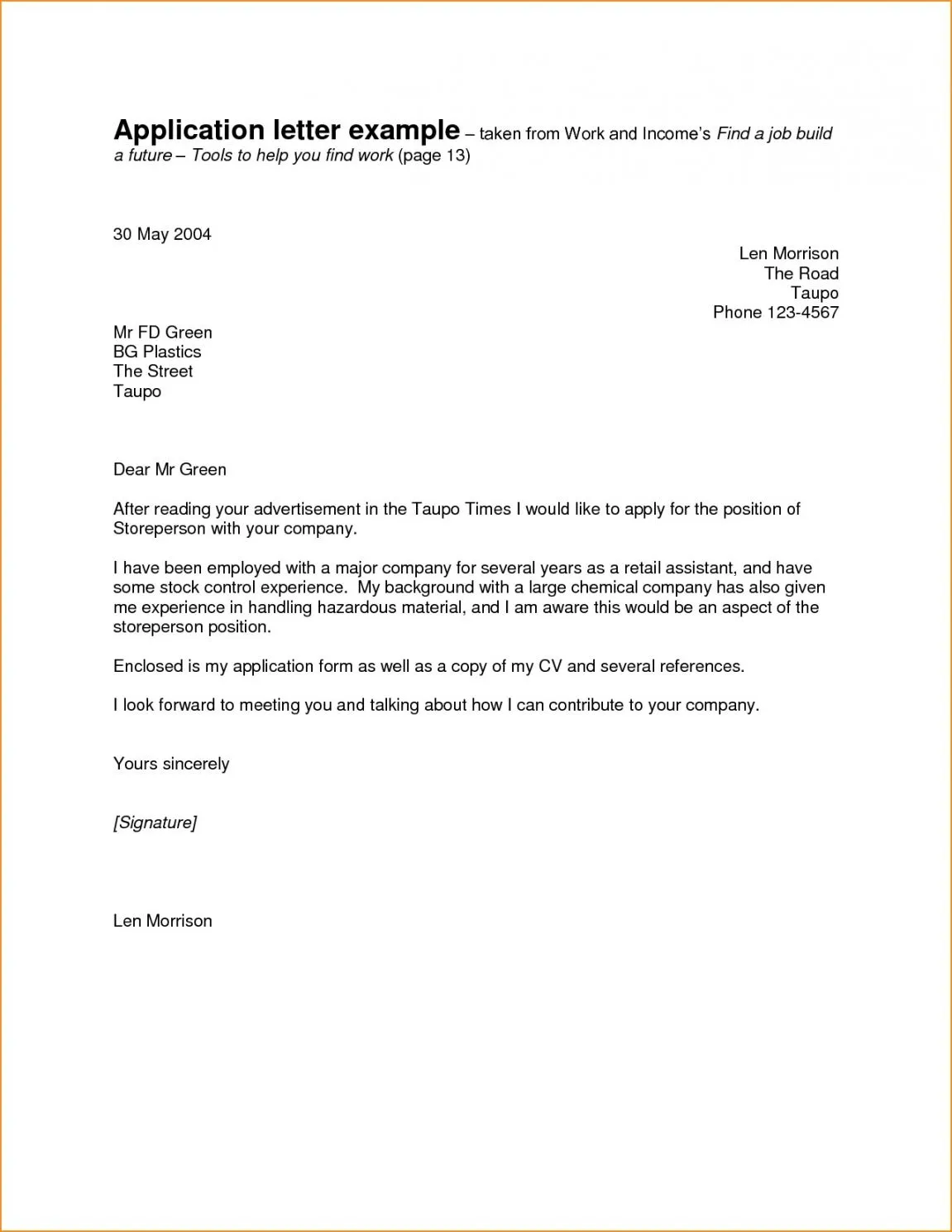
A well-structured cover letter is key to capturing a hiring manager’s attention and effectively communicating your qualifications. The standard structure includes several essential elements that work together to present a cohesive and persuasive argument for your candidacy. This starts with your contact information at the top, followed by the date and the recipient’s details. The opening paragraph is crucial for grabbing the reader’s attention, setting the tone, and stating the position you’re applying for. The body paragraphs should highlight your skills and experience, connecting them directly to the job requirements. You should then use action verbs to convey what you have done in the past and quantify your accomplishments using numbers and statistics. Finally, the closing paragraph should express your enthusiasm and include a call to action. Proofreading and formatting are crucial to ensure your professionalism shines through.
Your Contact Information

At the very top of your cover letter, include your full name, phone number, email address, and optionally, your LinkedIn profile URL. This allows the hiring manager to quickly and easily reach you if they are interested in moving forward with your application. Ensure that the email address you use is professional, avoiding nicknames or unprofessional terms. Keep your contact information concise and easily accessible, so it’s readily available for the recruiter’s convenience. The goal is to facilitate a smooth and efficient communication process.
Date and Recipient Details
Below your contact information, include the date of the letter. Following this, address the hiring manager or the appropriate person in the company. Research the company to find the correct contact person, and always use their name when possible. If you are unable to find a specific name, address the letter to the Hiring Manager or the relevant department. Include the company’s name and address as well. This level of detail demonstrates your attention to detail and your genuine interest in the position.
Opening Paragraph Grab Attention
Your opening paragraph is your first and arguably most important opportunity to grab the reader’s attention. It should be concise, engaging, and immediately state the position you are applying for. Avoid generic phrases like ‘I am writing to apply for the position of…’ Instead, try a hook that demonstrates your enthusiasm and understanding of the company. Mentioning where you saw the job posting or highlighting a specific aspect of the company that resonates with you can be a good way to start. The opening should set the tone for the rest of the letter, quickly capturing the reader’s interest and encouraging them to continue reading.
Highlight Your Skills and Experience

The body of your cover letter should highlight your relevant skills and experience. Focus on the aspects of your background that are most relevant to the job description. Don’t just list your responsibilities; instead, provide specific examples of your achievements and how you’ve utilized your skills in the past. Use the STAR method (Situation, Task, Action, Result) to structure your examples, providing context, describing the task, explaining the actions you took, and quantifying the results you achieved. This approach provides tangible evidence of your abilities and demonstrates your value to the employer.
Connect Your Skills to Job Requirements
A successful cover letter goes beyond simply listing your skills; it actively connects those skills to the specific requirements outlined in the job description. Carefully review the job posting and identify the key qualifications the employer is seeking. Then, in your cover letter, explicitly demonstrate how your skills and experiences align with those requirements. Provide clear examples of how you’ve successfully used those skills in the past to achieve results. This shows the hiring manager that you understand the role and how you can contribute to the company’s success, making your application much more compelling.
Use Strong Action Verbs
Using strong action verbs is crucial to make your cover letter compelling and impactful. Action verbs add dynamism and assertiveness to your writing, vividly illustrating your accomplishments and skills. Instead of using passive phrases like ‘Responsible for,’ use active verbs like ‘Managed,’ ‘Developed,’ ‘Led,’ or ‘Implemented.’ This approach not only makes your letter more engaging but also highlights your proactive approach and ability to drive results. Choosing the right action verbs allows you to show, not just tell, what you have achieved and how you can benefit the employer.
Quantify Your Achievements

Whenever possible, quantify your achievements to provide concrete evidence of your impact. Instead of saying ‘Improved customer satisfaction,’ say ‘Increased customer satisfaction by 15%.’ Using numbers, percentages, and statistics makes your accomplishments more tangible and demonstrates your ability to achieve results. This not only adds credibility to your claims but also gives the hiring manager a clear understanding of the value you can bring to their organization. Quantifying your achievements transforms your cover letter from a general overview to a compelling narrative of your success.
Showcase Your Personality
While maintaining professionalism, it’s important to let your personality shine through in your cover letter. Your cover letter is an excellent opportunity to show the hiring manager who you are as a person, which helps build rapport and demonstrate your enthusiasm. Use a tone that reflects your individual style and the company culture. Share your genuine interest in the role and the company. This can include specific details about why you are drawn to the opportunity and what motivates you. By showcasing your personality, you can create a more memorable impression and increase your chances of standing out from other applicants.
Closing Paragraph Call to Action
The closing paragraph of your cover letter should include a strong call to action. Reiterate your interest in the position and the company, and express your enthusiasm for the opportunity to discuss your qualifications further. Clearly state your willingness to be interviewed and provide your contact information again if needed. Thank the hiring manager for their time and consideration. A well-crafted call to action encourages the reader to take the next step and increases the likelihood of receiving a positive response.
Express Your Enthusiasm

Throughout your cover letter, express your enthusiasm for the position and the company. This demonstrates your genuine interest and helps create a positive impression. Highlight what excites you about the opportunity and why you are particularly drawn to the company. Demonstrating your genuine interest can make you stand out from other candidates, as it shows you have done your research and are truly invested in the prospect of joining the team. Expressing enthusiasm also signals that you are motivated and eager to contribute to the company’s success.
Thank the Reader
Always thank the reader for their time and consideration. A simple expression of gratitude shows respect for the hiring manager and the effort they put into reviewing applications. It’s a gesture of professionalism that leaves a positive impression and can influence the reader’s perception of you. The thank you can be included in the closing paragraph, where you can also reiterate your interest and willingness to discuss your qualifications further. Acknowledging the reader’s time is a small but important detail that can enhance your application.
Formatting and Proofreading
Formatting and proofreading are essential steps that can significantly impact the impression your cover letter makes. Ensure your cover letter is well-formatted, easy to read, and free of errors. Use a professional font, maintain consistent spacing, and choose a clean layout. Always proofread your letter meticulously, checking for any grammatical errors, typos, or inconsistencies. A well-formatted and error-free cover letter demonstrates your attention to detail and professionalism, making a positive first impression and increasing your chances of moving forward in the application process. A poorly formatted letter with errors may suggest a lack of care and attention to detail, potentially leading to rejection.
Choose a Professional Font

Choosing a professional font is a simple but important aspect of formatting your cover letter. Stick to classic, readable fonts like Times New Roman, Arial, Calibri, or Helvetica. Avoid using fancy or overly stylized fonts that might be difficult to read or distract the reader. The goal is to make the cover letter easy to scan and read, ensuring the hiring manager can quickly grasp the information you’re presenting. Consistency is crucial; use the same font throughout the entire letter to maintain a clean, polished appearance.
Proofread Carefully
Proofreading your cover letter is a non-negotiable step in the writing process. Carefully review your letter for any grammatical errors, typos, and inconsistencies. Check spelling, punctuation, and sentence structure to ensure your writing is clear and professional. Using spell-check software can help, but it’s important to also read your letter manually, as these programs often miss context-based errors. Consider having a friend or family member read over your letter for a fresh perspective. A well-proofread cover letter projects professionalism and attention to detail, which can significantly increase your chances of making a positive impression.
Tailoring Your Cover Letter
Customizing your cover letter is crucial for maximizing your impact. Never use a generic cover letter for multiple job applications. Each letter should be tailored to the specific role and company. Research the company, understand its values and culture, and highlight how your skills and experiences align with the job description. Personalizing your letter by referencing specific projects, achievements, or goals that relate to the position shows the hiring manager that you’ve taken the time to understand their needs. The more customized your letter is, the more likely you are to make a positive impression and stand out from other applicants.
Research the Company

Before writing your cover letter, research the company thoroughly. Visit their website, read their mission statement, and explore their recent news and projects. Understanding the company’s values, culture, and current initiatives will help you tailor your letter to their specific needs and show your genuine interest. Demonstrate your knowledge of the company by mentioning specific projects or achievements that resonate with you and align with their goals. This level of personalization shows that you are proactive and genuinely interested in contributing to their success, greatly enhancing the impact of your application.
Customize for Each Job
Customizing your cover letter for each job application is an essential step to success. Every job is unique, and the skills and experiences that are most relevant will vary. Review the job description carefully and identify the key requirements and desired qualifications. Then, tailor your cover letter to address these specifics, emphasizing how your skills and experiences align with what the employer is looking for. Avoid using generic phrases or a one-size-fits-all approach. Show the hiring manager that you understand the role and are excited about how you can contribute to their team’s success by carefully crafting your letter to fit each unique opportunity.
Cover Letter Examples
Reviewing cover letter examples can be a highly beneficial step in the job application process. Use these examples as inspiration and guidance, and learn how others have successfully presented their skills and experiences. Pay attention to the structure, tone, and language used in each example. Keep in mind that while examples can be helpful, it’s crucial to tailor your cover letter to your unique experiences and the specific job requirements. Ensure your letter accurately reflects your skills, experiences, and what makes you the perfect candidate for the job.
Cover Letter Example Sales
A sales cover letter example should highlight your ability to generate leads, close deals, and meet or exceed sales targets. Showcase your sales experience by including specific achievements and data, such as ‘Increased sales by 20% in Q2 2023’. Focus on your communication skills, relationship-building abilities, and your understanding of the sales process. Tailor your letter to the specific sales role, emphasizing how your skills align with the company’s sales strategy and values. The goal is to show your potential employer that you can drive revenue and contribute to their sales goals.
Cover Letter Example Marketing
A marketing cover letter should demonstrate your marketing expertise and your ability to execute successful marketing campaigns. Focus on how your skills align with the specific job requirements, providing examples of campaigns you’ve managed, the results you achieved, and the tools you used. Include metrics that quantify your success, such as ‘Increased website traffic by 30%’ or ‘Generated 100+ qualified leads.’ Show your experience with social media, content marketing, SEO, and digital advertising, while also highlighting your creativity and ability to work collaboratively. Tailor your cover letter to demonstrate how you will contribute to the company’s marketing success.