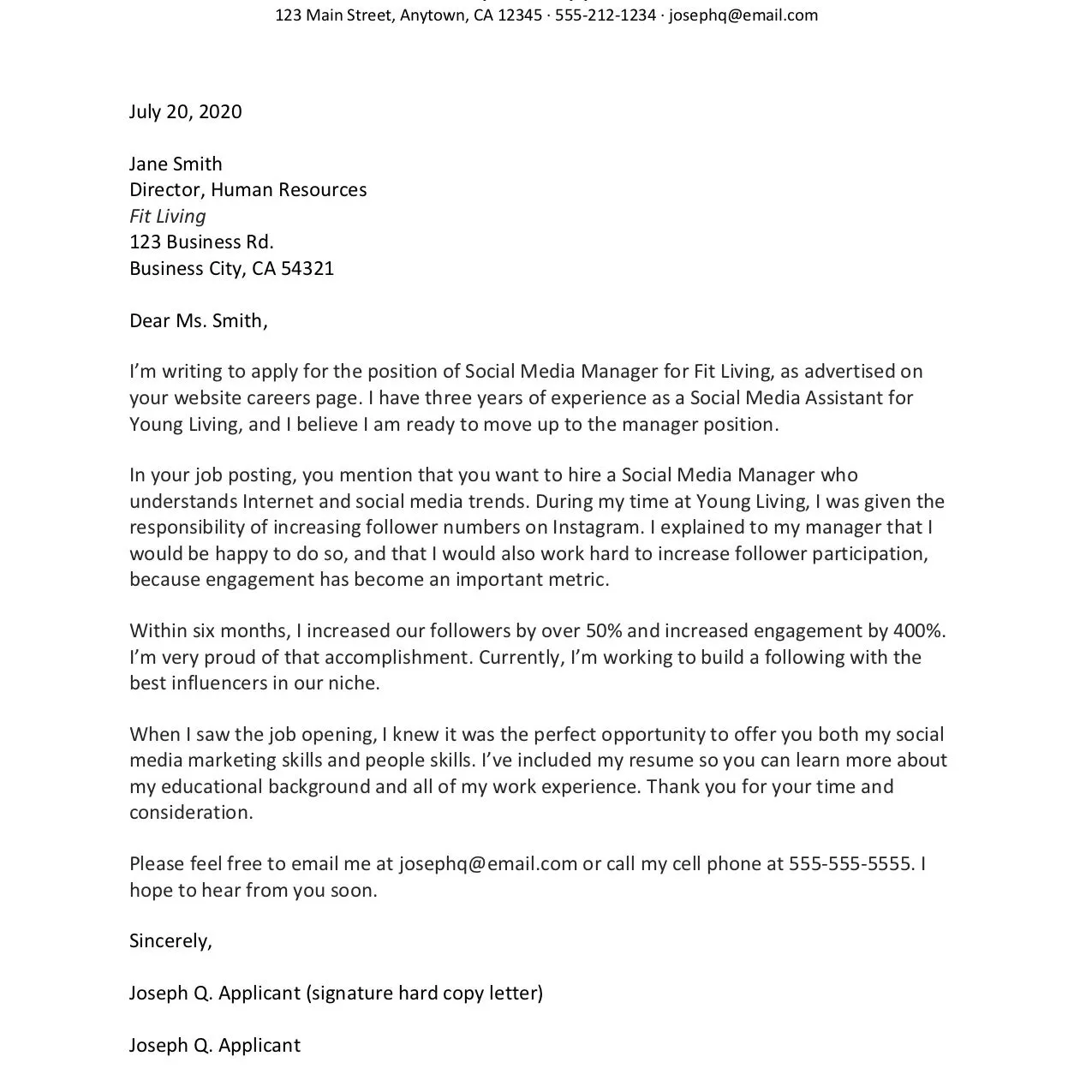
Cover Letter Essentials What to Include (H2)
A well-crafted cover letter is your first impression on a potential employer. It’s an opportunity to showcase your personality, highlight your skills, and express your genuine interest in the position. Unlike a resume, which is a summary of your experience, a cover letter allows you to tell a story and explain why you are the perfect fit for the role and the company. This guide breaks down the essential components of a winning cover letter, helping you stand out from the competition and increase your chances of landing an interview.
Your Contact Information & Date (H3)
At the very top of your cover letter, you need to include your contact information. This should include your full name, phone number, email address, and optionally, your LinkedIn profile URL or personal website. Make sure this information is accurate and up-to-date. Beneath your contact details, include the date you are sending the letter. This helps the recipient understand when the application was submitted and is a standard professional practice. Keep the formatting clean and easy to read.
Recipient’s Information (H3)

Next, you need to address the letter to the hiring manager or the specific person responsible for reviewing applications if you know their name. If you can’t find a name, try researching the company website or LinkedIn to identify the correct person. Addressing the letter to a specific individual demonstrates initiative and personalization. If you’re unable to find a name, a general greeting such as ‘Dear Hiring Team’ is acceptable, but try your best to personalize it.
Salutation (H3)
The salutation sets the tone for your letter. Use a formal greeting like ‘Dear Mr./Ms./Mx. [Last Name]’ if you know the hiring manager’s name. If you don’t know the name, ‘Dear Hiring Manager’ or ‘Dear [Company Name] Team’ are appropriate alternatives. Avoid casual greetings like ‘Hi’ or ‘Hello’ unless the company culture is known to be informal. A professional and respectful salutation is crucial for making a positive first impression.
Crafting a Compelling Opening (H2)
The opening paragraph is your chance to grab the reader’s attention. It should clearly state the position you are applying for and briefly explain why you are interested in the role and the company. Avoid generic opening lines. Instead, make it personal and demonstrate your genuine enthusiasm. Consider mentioning where you saw the job posting and a brief statement about why you are excited about the opportunity. This section should immediately capture the reader’s attention and set the stage for the rest of your letter.
Highlighting Your Value Proposition (H3)

In the body of your cover letter, explain how your skills and experience align with the job requirements. Instead of simply listing your skills, focus on highlighting your value proposition. This means explaining what you can bring to the company and how you can solve their problems or achieve their goals. Use specific examples from your previous experiences to showcase your accomplishments and the positive impact you made in previous roles. This is where you differentiate yourself from other applicants. Use strong action verbs and quantifiable results to support your claims.
Showcasing Relevant Skills and Experience (H3)
The most important part of your cover letter is to showcase the skills and experience that are most relevant to the job you are applying for. Carefully review the job description and identify the key skills and qualifications the employer is seeking. Then, provide specific examples of how you have demonstrated those skills in your previous roles. Use the STAR method (Situation, Task, Action, Result) to structure your examples, making them clear, concise, and impactful. This approach helps the hiring manager understand your capabilities and potential contributions to the company. Tailor each letter to match the specific requirements of the role.
Quantifying Your Achievements (H4)
Whenever possible, quantify your achievements. Numbers and data make your accomplishments more tangible and impressive. Instead of saying ‘Improved customer satisfaction,’ say ‘Improved customer satisfaction by 15% through implementing a new feedback system.’ This provides concrete evidence of your capabilities and demonstrates the value you can bring to the company. Use metrics, percentages, and other data points to support your claims and show the tangible results you achieved in previous roles.
Tailoring Your Cover Letter (H3)

A generic cover letter will not impress a hiring manager. Always tailor your cover letter to each specific job you apply for. This means customizing the content to match the job description, the company culture, and the specific requirements of the role. Research the company and show that you understand their mission, values, and recent activities. This personalization demonstrates your genuine interest and shows that you are not just sending out a mass application. Tailoring your cover letter is essential for making a strong impression and increasing your chances of getting an interview.
Addressing the Job Requirements (H4)
Carefully review the job description and address each of the key requirements in your cover letter. Highlight how your skills and experience align with the specific needs of the role. Use the same keywords and phrases from the job description to show that you understand the requirements and are a good fit for the position. This demonstrates that you have taken the time to understand the role and are prepared to meet its challenges. Aligning your skills and experience with the job description is one of the most important ways to get noticed.
Researching the Company (H4)
Before writing your cover letter, research the company you are applying to. Understand their mission, values, and recent activities. This information will help you tailor your letter and demonstrate your genuine interest in the company. Mention specific projects or initiatives the company is involved in, or highlight aspects of the company culture that appeal to you. Researching the company is important for demonstrating that you are serious about the opportunity and are not simply sending out a generic application. This research shows initiative and a proactive approach to your job search.
Writing a Strong Closing (H2)

The closing paragraph should reinforce your interest in the role and encourage the hiring manager to contact you. Keep it concise and professional. The closing should reiterate your enthusiasm, summarize your key qualifications, and express your eagerness for an interview. Make sure to thank the hiring manager for their time and consideration. The closing paragraph should leave a lasting positive impression and make the hiring manager want to learn more about you.
Expressing Enthusiasm and Interest (H3)
Reiterate your enthusiasm for the position and the company. Briefly explain why you are excited about the opportunity and what you hope to achieve in the role. Show that you are genuinely interested in the company and its mission. This positive and enthusiastic tone will make you more memorable and demonstrate your commitment to the role. Expressing your interest is essential for creating a strong and positive final impression.
Call to Action (H3)
End your cover letter with a clear call to action. This could be a statement that you are eager to discuss your qualifications further or a suggestion that you are available for an interview at their earliest convenience. Provide your contact information again, just in case the hiring manager has to locate it again quickly. A clear call to action makes it easy for the hiring manager to take the next step and move forward with your application. The best call to action is direct and professional.
Proofreading and Formatting (H2)

Before submitting your cover letter, carefully proofread it to check for any errors in grammar, spelling, and punctuation. Poorly written cover letters can damage your credibility and reduce your chances of getting an interview. Ensure your cover letter is easy to read and well-formatted. Proofreading and formatting are critical steps in creating a professional and compelling cover letter. A polished and error-free cover letter shows attention to detail and a commitment to excellence.
Reviewing for Errors (H3)
Carefully review your cover letter for any errors in grammar, spelling, and punctuation. Use a grammar checker and ask a friend or family member to review your letter as well. Errors can undermine your credibility and make a bad impression. Check for any typos or inconsistencies in your contact information and other details. Proofreading is essential for ensuring your cover letter is professional and polished.
Formatting Guidelines (H3)
Use a professional and easy-to-read font such as Times New Roman, Arial, or Calibri, with a font size between 10 and 12 points. Use standard margins (1 inch on all sides) and single-space the text, leaving a blank line between paragraphs. Ensure the letter is well-organized and easy to scan. Formatting your cover letter correctly shows that you pay attention to detail and can communicate clearly and professionally. Maintain consistency throughout your letter to provide a clean look.
Cover Letter Examples (H2)

Reviewing example cover letters can help you understand the best practices and learn how to structure your letter effectively. There are examples for various industries and experience levels. Choose examples that match your specific situation and use them as a guide to write your own cover letter. Studying examples can help you tailor your writing style and content, and adapt them to your personal needs. Look for examples that demonstrate the principles and structure that we discussed earlier.
Example 1 Entry-Level Position (H3)
For entry-level positions, the cover letter should highlight your academic achievements, internships, and relevant coursework. Focus on transferable skills such as communication, problem-solving, and teamwork. Quantify your achievements whenever possible, even if they are from academic projects or volunteer experiences. Make it clear that you are eager to learn and contribute to the company. The cover letter should demonstrate your passion for the field and your willingness to work hard.
Example 2 Experienced Professional (H3)
Experienced professionals should use their cover letters to showcase their accomplishments and their value proposition. Highlight your key skills, experience, and quantifiable achievements. Provide specific examples of your past successes and how you have made a positive impact in previous roles. Tailor the letter to match the specific job requirements and demonstrate your understanding of the company’s needs. Include any awards, certifications, or special recognitions that underscore your qualifications.