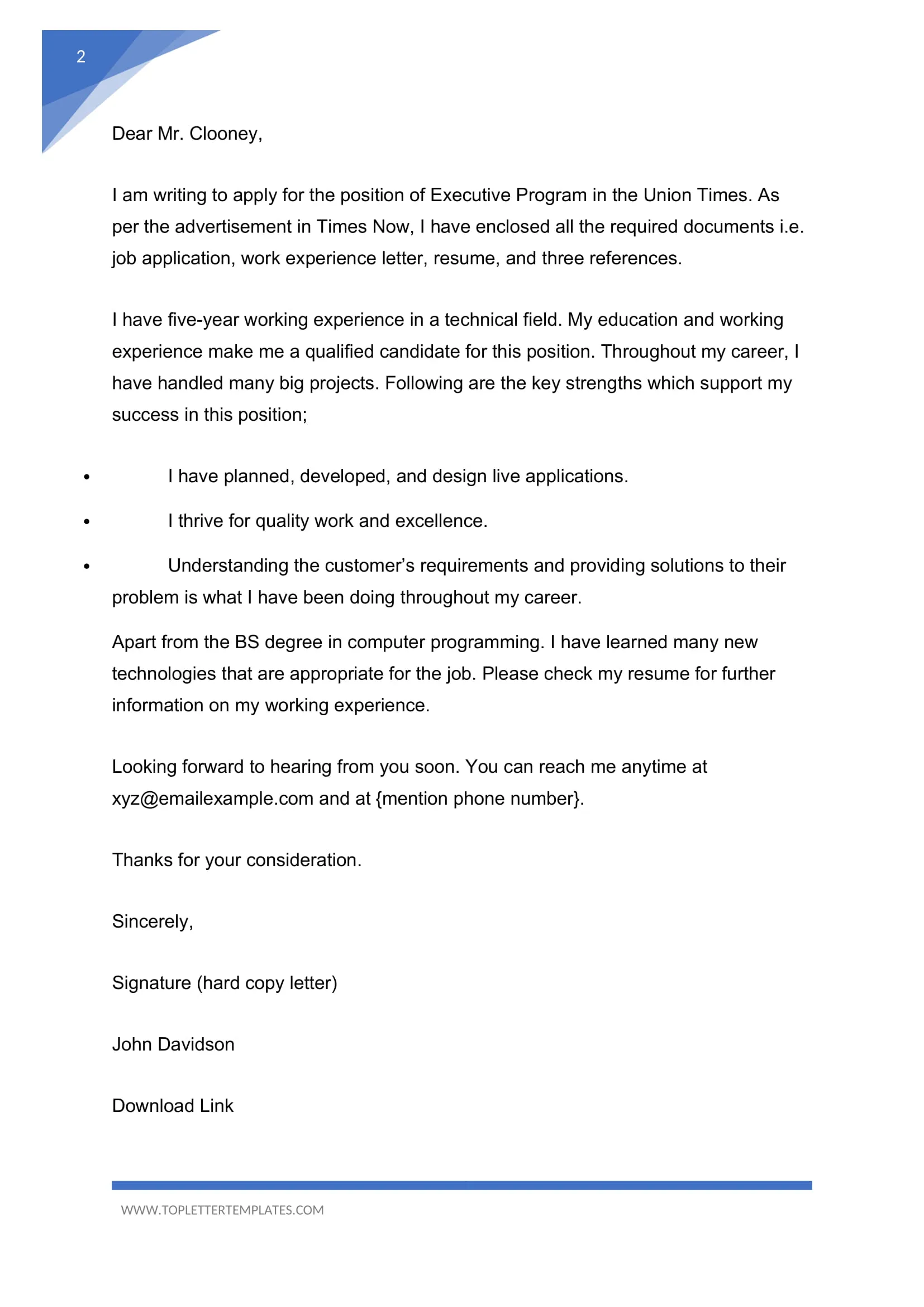
What is a Job Cover Letter
A job cover letter is a crucial document that accompanies your resume when applying for a job. It serves as your first introduction to a potential employer, providing an opportunity to elaborate on your skills, experience, and qualifications in a more personalized manner than a resume allows. It is a written introduction that complements your resume, providing a narrative to your professional background. The cover letter offers you a platform to express your enthusiasm for the specific position and the company, making your application more compelling and increasing your chances of securing an interview. A well-crafted cover letter can significantly impact the hiring manager’s perception of your application, setting the stage for a successful job search.
Why is a Job Cover Letter Important
A job cover letter is important because it allows you to go beyond the basic information provided in your resume. It provides an opportunity to showcase your personality, writing skills, and genuine interest in the role and the company. Unlike a resume, which typically presents a factual account of your work history and skills, a cover letter allows you to tell a story, to explain why you’re a good fit for the specific job and company. It can also demonstrate your communication skills, attention to detail, and ability to tailor your application to the specific requirements of the position. For many hiring managers, a cover letter is an essential element in evaluating a candidate’s suitability, often influencing whether they move forward to the next stage of the hiring process.
Essential Elements of a Job Cover Letter

A strong cover letter should include several key elements to effectively present your qualifications and interest. The core components include a professional header with your contact information, a personalized greeting to the hiring manager or relevant contact person, a compelling opening paragraph that captures attention, well-structured body paragraphs highlighting relevant skills and experience, specific examples of achievements, and a confident closing with a clear call to action. Each element plays a crucial role in conveying your qualifications, enthusiasm, and professionalism. Omitting any of these elements can weaken the impact of your application and potentially reduce your chances of being considered for the job.
Header and Contact Information
The header of your job cover letter should include your full name, professional contact details (phone number and email address), and optionally, your LinkedIn profile URL. Ensure that your contact information is accurate, professional, and easy to read. Place the header at the top left or right of the page, and use a clean, simple font to maintain a professional look. The inclusion of a header is important because it immediately provides the hiring manager with your contact information, allowing them to easily reach out to you for an interview. Furthermore, the header establishes a professional tone, signaling to the employer that you are organized and detail-oriented, key qualities employers look for in potential candidates.
Greeting and Opening
Start your job cover letter with a professional greeting. If possible, address the hiring manager or the specific person in charge of hiring. Research the company’s website or use LinkedIn to find the correct name. If you can’t find a specific name, use a general greeting like “Dear Hiring Manager.” Your opening paragraph is crucial; it should immediately grab the reader’s attention. Briefly state the position you’re applying for and how you found the opportunity. Show enthusiasm for the role and the company, and consider including a brief statement of your key qualifications or a compelling statement about why you’re a great fit. This sets the stage for the rest of the letter and encourages the hiring manager to continue reading.
Body Paragraphs

The body paragraphs are where you expand on your skills, experience, and qualifications. Structure these paragraphs logically, focusing on how your experience aligns with the job’s requirements. Use specific examples and achievements to demonstrate your abilities, and tailor each paragraph to highlight the aspects of your experience that are most relevant to the position. Avoid generic statements and focus on quantifiable results whenever possible. Aim to write two or three body paragraphs, each focusing on a different area of your qualifications. This helps you present a concise, focused, and persuasive argument for why you’re a good fit for the role.
Highlighting Relevant Skills and Experience
When highlighting your skills and experience, be specific and relevant. Review the job description carefully and identify the key skills and qualifications the employer is seeking. Then, in your cover letter, provide concrete examples of how you have demonstrated these skills in previous roles or projects. Use action verbs to describe your accomplishments and focus on the results you achieved. If the job description mentions specific software or technologies, be sure to mention your proficiency with them. The aim is to show the employer that you not only possess the necessary skills but also have a proven track record of success.
Tailoring Your Letter to the Job
Customizing your cover letter for each job application is essential. Generic cover letters often fail to capture the hiring manager’s attention. Customize your letter by carefully reviewing the job description and addressing the specific requirements outlined. Show that you understand the company’s mission, values, and the role’s responsibilities. Incorporate keywords from the job description to make your letter more relevant, and tailor your examples to align with the employer’s needs. This level of personalization demonstrates your genuine interest and increases your chances of making a positive impression. It proves you’ve taken the time to understand the role, making your application much more compelling.
Quantifying Achievements

Whenever possible, quantify your achievements with numbers and data. Instead of simply stating that you increased sales, specify by how much (e.g., “Increased sales by 15% in the first quarter”). If you improved efficiency, state the percentage or specific metrics (e.g., “Reduced project completion time by 20%”). Providing quantifiable results makes your achievements more tangible and demonstrates your value to potential employers. This level of detail adds credibility to your claims and allows the hiring manager to quickly understand the impact you can make in their organization. Quantifiable achievements showcase your ability to deliver results and make your application more impactful.
Demonstrating Company Knowledge
Show that you’ve researched the company by including specific details about their mission, values, and recent achievements in your cover letter. This demonstrates your genuine interest and initiative. Mention specific projects, products, or initiatives you admire, and explain how your skills and experience can contribute to their goals. Showing your knowledge of the company also helps you tailor your letter to the job by aligning your skills and experience with their specific needs. This demonstrates your commitment and professionalism, increasing the likelihood of your application making a favorable impression.
Closing and Call to Action
Conclude your cover letter with a strong closing statement that reiterates your interest in the position and the company. Express your confidence in your ability to contribute to their success and include a clear call to action. State that you’re eager to discuss your qualifications further and are available for an interview. Thank the hiring manager for their time and consideration. Avoid generic phrases and opt for a closing that is both professional and enthusiastic. A well-crafted closing leaves a lasting positive impression and prompts the hiring manager to take the next step in the hiring process.
Proofreading and Editing

Before submitting your job cover letter, carefully proofread and edit it for any errors. Typos, grammatical mistakes, and formatting inconsistencies can damage your credibility and professionalism. Read the letter multiple times, and consider having a friend, family member, or career counselor review it for accuracy and clarity. Pay close attention to the tone, making sure it is professional and enthusiastic. Ensure the letter is well-organized, easy to read, and accurately reflects your skills and qualifications. Thorough proofreading and editing are crucial steps in ensuring your cover letter makes a positive impression.
Formatting and Design
The formatting and design of your job cover letter should be clean, professional, and easy to read. Use a standard font such as Times New Roman or Arial, with a font size between 10 and 12 points. Maintain consistent margins and spacing, and avoid using flashy or overly ornate designs. Ensure your letter is well-structured, with clear headings and paragraphs that are easy to follow. When saving your cover letter, save it as a PDF to ensure that your formatting remains consistent across different devices. These formatting tips will help ensure your cover letter makes a professional and positive impact.