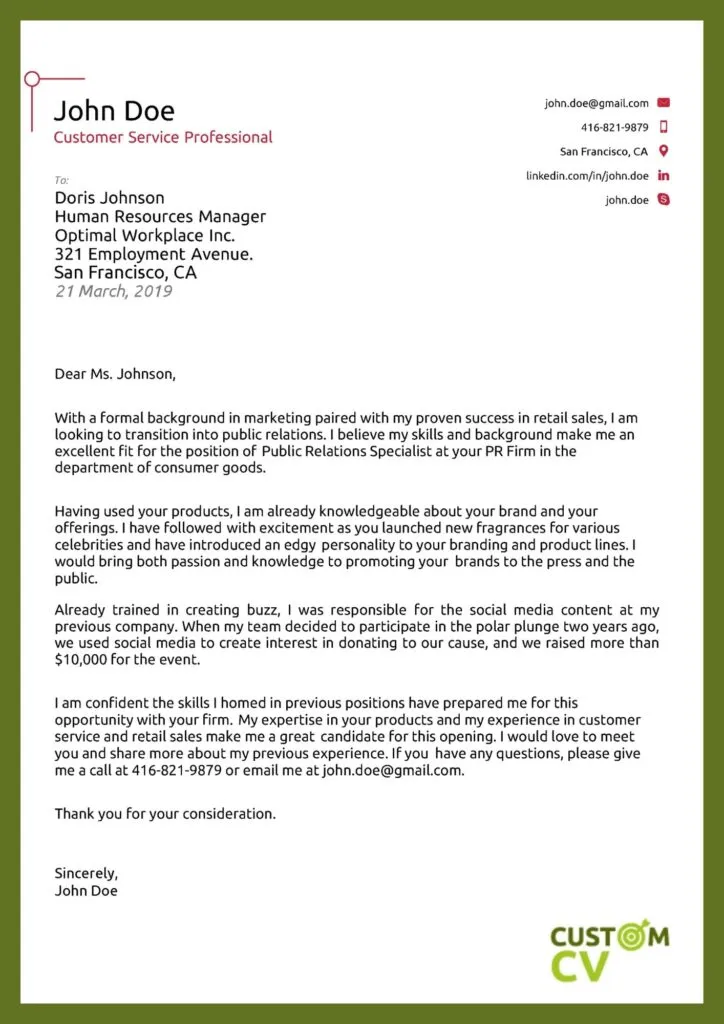
What is a Cover Letter
A cover letter is a crucial document that accompanies your resume when you apply for a job. It serves as an introduction, providing an opportunity to elaborate on your qualifications, skills, and experiences in a way that a resume alone cannot. Unlike a resume, which provides a concise overview of your work history and education, a cover letter allows you to tell a story, explaining why you are the ideal candidate for the specific position you are applying for. It’s your chance to showcase your personality, express your enthusiasm, and demonstrate how your skills align with the company’s needs and values. A well-written cover letter can significantly increase your chances of getting an interview.
Why are Cover Letters Important
Cover letters are important because they provide context to your resume. They allow you to highlight specific achievements and experiences that are most relevant to the job you are seeking. Many hiring managers use cover letters to assess a candidate’s communication skills, attention to detail, and overall fit for the role and the company culture. A compelling cover letter can make you stand out from other applicants, especially if your resume is similar to others. It demonstrates your genuine interest in the position and shows that you have taken the time to understand the company’s needs and how you can contribute to its success. Ignoring cover letter requests may lead your resume to the trash.
Cover Letter vs Resume

The relationship between a cover letter and a resume is complementary. The resume provides a snapshot of your professional history, detailing your work experience, education, and skills in a structured format. On the other hand, a cover letter offers a narrative, expanding on the information in your resume and allowing you to express your personality and enthusiasm. The resume is fact-based, while the cover letter gives you an opportunity to connect with the hiring manager on a more personal level. Use the cover letter to explain why you are interested in the company and how your skills and experiences align with the job description. The resume will support your claims with quantifiable data and objective evidence.
Key Elements of a Cover Letter
A successful cover letter contains several key elements that work together to create a compelling introduction and pitch. A well-structured cover letter should include a header with your contact information, a professional greeting, an engaging opening paragraph, supporting body paragraphs that highlight relevant skills and experiences, and a strong closing with a call to action. Each of these components plays a vital role in conveying your qualifications and expressing your interest in the position. The overall tone should be professional and enthusiastic, and the letter should be free of errors.
Header and Contact Information
The header of your cover letter should mirror the format of your resume’s header. Include your full name, phone number, email address, and LinkedIn profile URL (if applicable). Below this, include the date and the hiring manager’s name and title, along with the company’s address. If you cannot find the name of the hiring manager, use a general title such as ‘Hiring Manager’ or ‘Recruiting Team’. Make sure that all your contact information is accurate and up-to-date so the hiring manager can easily reach you.
Greeting the Hiring Manager

The greeting sets the tone for your cover letter. It should be professional and personalized whenever possible. Use ‘Dear Mr./Ms./Mx. [Last Name]’ if you know the hiring manager’s name. If you are unsure, use a general greeting such as ‘Dear Hiring Manager’ or ‘Dear [Company Name] Recruiting Team’. Avoid overly casual greetings. Make sure to spell the hiring manager’s name correctly; it shows you have taken the time to do your research and are paying attention to details.
Body Paragraph 1 Grab Attention
The opening paragraph is your opportunity to capture the hiring manager’s attention. State the position you are applying for and briefly mention where you saw the job posting. Then, make a strong statement about why you are interested in the role and what makes you a good fit. Briefly highlight your most relevant skills or experiences, creating a compelling reason for the reader to continue reading. Avoid generic openings and instead, focus on demonstrating your enthusiasm and understanding of the company’s needs.
Highlight Skills & Experience
The body of your cover letter should provide detailed examples of your skills and experiences. Focus on the experiences that directly relate to the job requirements, using the job description as your guide. Describe specific accomplishments and how you have applied your skills in previous roles. Use keywords from the job description to show that you have the qualifications they are looking for. Instead of simply listing your duties, showcase how you have excelled, solved problems, and contributed to the success of previous employers. Use the STAR method (Situation, Task, Action, Result) to structure your examples and make them more impactful.
Body Paragraph 2 Show Your Value

In the second body paragraph, elaborate further on your value proposition. Discuss specific projects, initiatives, or situations where you demonstrated your abilities and achieved positive outcomes. Tailor your examples to the specific requirements of the role and the company’s culture. The objective is to convince the hiring manager that you possess not only the skills but also the aptitude and attitude necessary for success. Focus on the unique value you will bring to the team and to the company. Always aim to be as specific and relevant as possible.
Quantify Achievements
Whenever possible, quantify your achievements to provide concrete evidence of your impact. Instead of saying ‘Improved customer satisfaction,’ state ‘Increased customer satisfaction by 15% through implementing a new feedback system.’ Use numbers, percentages, and other metrics to demonstrate the results of your actions. Quantifiable data adds credibility to your claims and shows the hiring manager the value you can bring to their organization. Quantifying achievements makes your cover letter more impactful and memorable.
Body Paragraph 3 Express Enthusiasm
In the final body paragraph, express your enthusiasm for the role and the company. Explain why you are interested in this specific position and what attracts you to the organization. Demonstrate that you have researched the company and understand its mission, values, and goals. Show how your career objectives align with the company’s objectives. Discuss what excites you about the opportunity and how you can contribute to their success. Make it clear that you are not just looking for a job but are genuinely interested in being part of their team.
Call to Action & Closing

Close your cover letter with a clear call to action. Reiterate your interest in the position and your eagerness to discuss your qualifications further. Thank the hiring manager for their time and consideration. State that you look forward to hearing from them soon. Include a professional closing such as ‘Sincerely’ or ‘Best regards,’ followed by your name. Ensure that all your contact information is easily accessible for them. You can also mention that your resume is attached for their review.
Formatting and Style
The formatting and style of your cover letter are essential for making a good impression. A well-formatted letter is easy to read and conveys professionalism. Pay attention to the font, spacing, and tone of your writing. Consistent formatting throughout the document reflects attention to detail and makes your cover letter more appealing.
Font and Readability
Choose a professional and easy-to-read font, such as Times New Roman, Arial, or Calibri, with a font size between 10 and 12 points. Use standard 1-inch margins and single or 1.15 line spacing to ensure readability. Break up long paragraphs into shorter, more digestible sections. Use bullet points to highlight key skills, achievements, or experiences. Ensure consistency in formatting throughout the document. The overall goal is to make the letter visually appealing and easy for the hiring manager to scan.
Tone and Language

Maintain a professional but enthusiastic tone. Use clear, concise language and avoid jargon or slang. Your language should be respectful and formal, but also express your personality and genuine interest in the role. Proofread your cover letter carefully to eliminate any grammatical errors or typos. The tone should reflect your professional demeanor and your enthusiasm for the opportunity.
Proofreading and Editing
Thoroughly proofread and edit your cover letter before submitting it. Check for grammar, spelling, punctuation, and clarity. Read your letter aloud to catch any awkward phrasing or errors. Have someone else review your letter for feedback. A polished cover letter reflects your attention to detail and your commitment to excellence. Errors in your cover letter can undermine your credibility, so always check it before submitting.
Cover Letter Examples
Reviewing cover letter examples can provide valuable insights into writing a strong cover letter. Search online for examples relevant to your field or the specific job you are applying for. Analyze the structure, language, and content of these examples. Pay attention to how the writers tailor their letters to the job requirements and the company. While it’s important to use these examples as guidance, always customize your cover letter to reflect your unique experiences and qualifications. Avoid using templates verbatim and focus on personalizing your letter to showcase your individuality.
Common Cover Letter Mistakes to Avoid

Avoid common cover letter mistakes that can hurt your chances of landing an interview. Avoid generic cover letters, using templates without customization, and grammatical errors and typos. Don’t simply repeat your resume; use your cover letter to elaborate on your qualifications and connect with the hiring manager on a personal level. Avoid focusing on what you want from the job instead of highlighting what you can offer the employer. Keep the cover letter concise and targeted, avoiding unnecessary information or overly long paragraphs. Pay attention to details like the format, font, and tone of your writing.
Sending Your Cover Letter
When sending your cover letter, follow the instructions provided in the job posting. Usually, you will submit your cover letter as an attachment along with your resume, preferably in PDF format. The PDF format ensures your formatting remains intact, and the document looks the same no matter which computer it is opened on. Always double-check that you have attached both your resume and cover letter. Use a professional email subject line such as ‘Application for [Job Title] - [Your Name]’. Proofread the email body before sending it to the hiring manager, and make sure your email signature includes your contact information.
Writing a good cover letter takes time and effort, but the investment can significantly improve your job search success. By following these tips, you can create a compelling cover letter that highlights your skills, experiences, and enthusiasm, and helps you stand out from the competition. Make sure that your cover letter is tailored to the specific role and company. Always remember to proofread and edit before sending and never give up.