What is a Cover Letter?
A cover letter is a crucial document that accompanies your resume when you apply for a job. It serves as an introduction, providing potential employers with a snapshot of your qualifications, skills, and experience. Unlike your resume, which is a straightforward list of accomplishments, a cover letter allows you to showcase your personality, express your interest in the specific role and company, and explain why you are a perfect fit. It’s your opportunity to make a strong first impression and persuade the hiring manager to read your resume and consider you for an interview. A well-crafted cover letter can significantly increase your chances of landing an interview, making it an essential part of any job application.
Purpose of a Cover Letter
The primary purpose of a cover letter is to introduce you and your skills to a potential employer. It gives you the opportunity to explain why you’re interested in the specific job and why you’re a good fit for the company. Furthermore, a cover letter allows you to elaborate on experiences and achievements that are mentioned briefly in your resume. It helps you personalize your application, demonstrating that you’ve taken the time to understand the role and the organization. By highlighting your relevant skills and experiences, the cover letter aims to convince the hiring manager that you are worth considering for an interview, and by showcasing your communication skills, it sets the tone for your professional correspondence and ability to interact with future colleagues. Remember it is your chance to provide context and personality to the often-dry facts presented in your resume.
Why Cover Letters Matter

In today’s competitive job market, cover letters remain essential for several compelling reasons. Firstly, they offer a chance to stand out from other applicants. A well-written cover letter demonstrates your ability to communicate effectively, which is a highly valued skill in almost every profession. Secondly, a cover letter allows you to tailor your application to the specific job and company. This personalized approach shows that you’ve done your research and are genuinely interested in the opportunity. Moreover, cover letters are excellent for addressing any potential gaps in your resume or providing additional context for your experiences. They help you tell your story and persuade the employer that you are the best fit. Neglecting this step could mean missing out on opportunities as many employers expect them as part of the application process.
Essential Components of a Cover Letter
A well-structured cover letter includes several key components that work together to create a compelling case for your candidacy. These elements are essential for conveying your interest, qualifications, and personality effectively. Ensuring that each part is carefully crafted and presented is crucial for making a positive impression and increasing your chances of getting noticed by employers. These components will show how you can benefit the company while providing a clear understanding of your professional background and aspirations.
Contact Information
At the top of your cover letter, include your full name, address, phone number, and professional email address. This information should match what’s on your resume. Make sure your email address is professional; avoid using nicknames or informal language. It’s also a good idea to include the date, and the hiring manager’s name and title, if available. If you cannot find the name, you can use a general greeting. Keep this section clean and easy to read. Presenting this data accurately is critical because it lets employers know how to reach you.
Greeting

Start your cover letter with a professional greeting. Addressing the hiring manager by name is always preferable. This shows that you’ve done your research and taken the time to personalize your letter. If the name is not available, use a general greeting like “Dear Hiring Manager” or “Dear [Company Name] Hiring Team”. Avoid outdated greetings such as “To Whom It May Concern.” Always ensure the name is spelled correctly. A thoughtful greeting sets a positive tone and demonstrates respect for the recipient.
Opening Paragraph
Your opening paragraph is your opportunity to grab the reader’s attention. State the specific position you’re applying for and where you found the job posting. Briefly mention why you are interested in the role and the company. Make sure it is clear and concise. Highlight your most relevant qualification or a key achievement that aligns with the job requirements. This should capture the reader’s interest and encourage them to keep reading. Your introduction should showcase enthusiasm and provide a glimpse of the value you can bring to the company.
Body Paragraphs
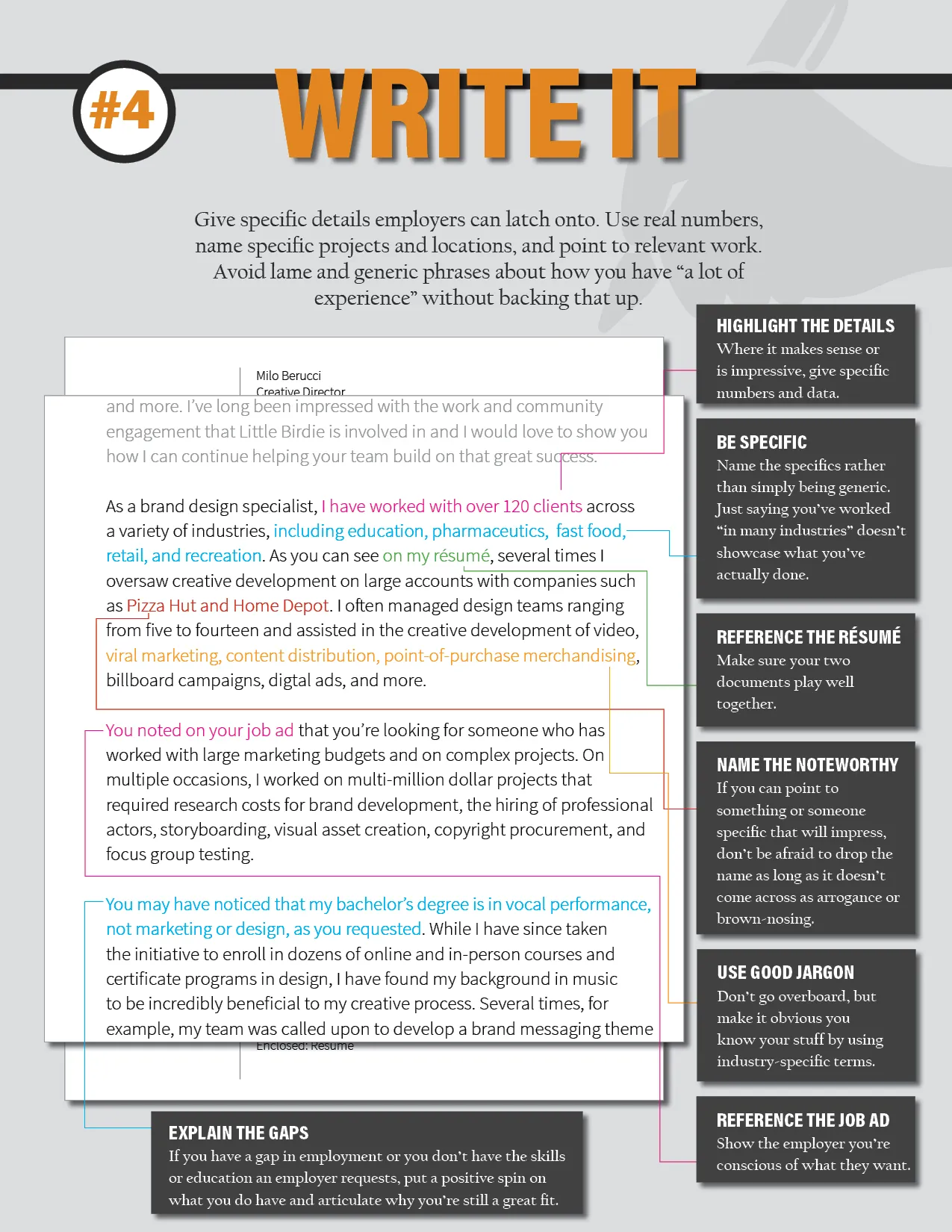
The body of your cover letter should highlight your skills and experiences and explain how they align with the job requirements. Use specific examples to demonstrate your accomplishments and how you’ve made a positive impact in previous roles. Focus on key skills and experiences that are relevant to the position you’re seeking. Quantify your achievements whenever possible using numbers, percentages, or metrics. Tailor the content to match the job description, showcasing your understanding of the company’s needs. Maintain a professional tone, and use active voice to make your writing clear and engaging. Showcase your knowledge, experience, and how it will benefit the prospective employer.
Closing Paragraph

In your closing paragraph, reiterate your interest in the position and the company. Express your enthusiasm for the opportunity and mention your availability for an interview. Thank the hiring manager for their time and consideration. Include a call to action, such as stating that you look forward to hearing from them soon. End with a professional closing, such as “Sincerely” or “Best regards,” followed by your typed name. This paragraph should leave a lasting positive impression and encourage the next step in the hiring process.
Formatting Your Cover Letter
Proper formatting is essential for making your cover letter easy to read and visually appealing. Good formatting helps your letter look professional and makes it easier for the hiring manager to focus on the content. It enhances the overall presentation of your application. Ensure that your cover letter is clear and organized, using a consistent style that reflects professionalism and attention to detail. These practices will ensure that your letter is accessible, reader-friendly, and makes a positive impact on the hiring team.
Font and Size
Choose a professional and easy-to-read font such as Times New Roman, Arial, or Calibri. Maintain a consistent font throughout the document. Use a font size of 11 or 12 points for the body of the text. This size is standard and ensures the letter is readable without being too small or overwhelming. Avoid using overly fancy or decorative fonts, as they can distract from the content. Maintain a clean and uncluttered appearance.
Margins and Spacing

Use standard one-inch margins on all sides of your cover letter. This ensures a balanced look and prevents the text from appearing cramped. Double-space the body of your letter to improve readability. Single-space within paragraphs, but use a space between paragraphs to provide visual breaks. Proper spacing makes the content easier to scan and more visually appealing. These small details demonstrate your attention to detail.
Proofreading
Thoroughly proofread your cover letter to catch any spelling, grammar, or punctuation errors. Errors can damage your credibility and make you appear unprofessional. Read the letter multiple times, or have someone else proofread it for you. Use a spell checker, but do not rely on it completely. Pay close attention to the details, as even small mistakes can leave a negative impression. Proofreading ensures that your message is clear and that you present yourself in the best possible light. Always double-check your contact information to avoid any errors.
Tips for Writing an Effective Cover Letter
Writing an effective cover letter requires attention to detail and a strategic approach. The goal is to create a compelling document that captures the reader’s attention and highlights your suitability for the job. You should tailor the document to each specific role and show how your skills and experience align with the employer’s needs. Following these tips can greatly improve your chances of success. These are key elements to make your cover letter stand out and to increase your opportunities in the application process.
Tailoring to the Job

Customize your cover letter for each job application. Use the job description to identify the key skills and qualifications the employer is seeking. Highlight your relevant experiences and achievements that align with these requirements. Avoid using a generic cover letter; personalize it by mentioning the specific company and role. Demonstrate that you understand the company’s mission, values, and the challenges of the position. Tailoring your cover letter shows that you have carefully considered the opportunity and are genuinely interested in the role and the organization, making your application more impactful. Take the time to personalize and tailor each application.
Highlighting Relevant Skills
In your cover letter, emphasize the skills and experiences that are most relevant to the job you’re applying for. Identify the key requirements listed in the job description and provide specific examples of how you’ve demonstrated those skills in previous roles. Quantify your achievements whenever possible. For instance, instead of saying you “managed projects,” mention the number of projects managed, budget sizes, or the percentage by which you improved efficiency. Highlighting the most relevant skills ensures that the hiring manager quickly sees your value and qualifications. Use a targeted approach, and focus on the abilities and expertise that match the company’s needs.
Using Action Verbs
Use strong action verbs to describe your accomplishments and responsibilities. Action verbs make your cover letter more dynamic and engaging, showing what you’ve achieved rather than just listing your duties. Examples of effective action verbs include “managed,” “led,” “developed,” “implemented,” “achieved,” “improved,” and “increased.” Incorporating action verbs helps make your cover letter more interesting and persuasive, highlighting your contributions in a compelling way. This will help to showcase your abilities and experiences effectively and make a lasting impression on the reader. Using action verbs gives your letter a boost.
Common Mistakes to Avoid

Avoiding common mistakes is crucial for ensuring your cover letter makes a positive impression. Many errors can detract from your application and diminish your chances of securing an interview. Focusing on these potential pitfalls can significantly improve the overall quality of your cover letter. The aim is to create a polished, professional document that helps you stand out. By being aware of these issues, you can avoid making a negative impression on the reader.
Generic Cover Letters
Avoid sending generic cover letters that are not tailored to the specific job or company. Generic letters show a lack of effort and interest, making it less likely that your application will be considered. Take the time to personalize your cover letter for each opportunity. Research the company and the role, and highlight how your skills and experience align with their needs. Demonstrating that you understand the company’s mission and the challenges of the position is essential. Your cover letter should make the hiring manager believe you genuinely want the job and that you’re the best fit.
Typos and Grammatical Errors
Carefully proofread your cover letter for any typos or grammatical errors. Errors can make you appear careless and unprofessional, and they may detract from your message. Double-check your spelling, grammar, and punctuation. Read your cover letter multiple times, and consider asking a friend or family member to proofread it as well. Use a spell checker, but don’t rely on it entirely. It’s important to take the time to ensure your cover letter is free of errors. A polished cover letter leaves a positive impression. Errors create a negative image, so always check your work.
Length Issues

Keep your cover letter concise and focused. Aim for a length of one page, unless the job posting specifically requests more. Avoid writing a long, rambling letter; the hiring manager likely has many applications to review. Keep your paragraphs short and to the point. Focus on the most relevant information, and avoid repeating what’s already in your resume. Make sure that your letter is easy to read and to ensure that your most important points are clear. By being concise and focused, you will leave a positive impression.
Cover Letter Examples
Reviewing cover letter examples can provide helpful guidance. These examples can show you how to structure your letter effectively, highlight key skills and experiences, and tailor your message to a specific job or industry. Analyze the best practices demonstrated in successful cover letters, and adapt those techniques to your own application. Consider different types of roles to get a broad view. Use these examples to develop your cover letters and create an effective, compelling application. Understanding the elements of strong cover letters will help you craft your best letter.
Entry-Level Cover Letter
An entry-level cover letter should emphasize your education, skills, and any relevant internships or volunteer experiences. Focus on transferable skills and any projects or coursework that align with the job requirements. If you have limited professional experience, highlight your enthusiasm, willingness to learn, and your ability to contribute. Tailor the letter to demonstrate why you are a good fit for the specific role and the company, and show your strong work ethic. Entry-level applicants should be focused on showing their potential and eagerness to learn.
Mid-Career Cover Letter
A mid-career cover letter should highlight your professional experience, skills, and achievements. Provide specific examples of how you’ve contributed to previous companies. Focus on how your previous experience has prepared you for this role. Highlight any leadership experience and quantifiable results. It’s also helpful to address any career transitions or changes you’ve made. A mid-career cover letter should showcase your accomplishments and demonstrate the value you bring to the role.
Changing Careers Cover Letter
If you’re changing careers, your cover letter should explain why you’re making the transition and how your transferable skills align with the new role. Highlight any relevant experiences or skills that you’ve gained in your previous career. Address any potential gaps in your experience. Focus on what makes you a good fit for the new career path. Demonstrating your skills and explaining your career transition is crucial. The goal is to convince the employer that you are serious about the new direction. This approach will help you move forward, and you will show your genuine interest.