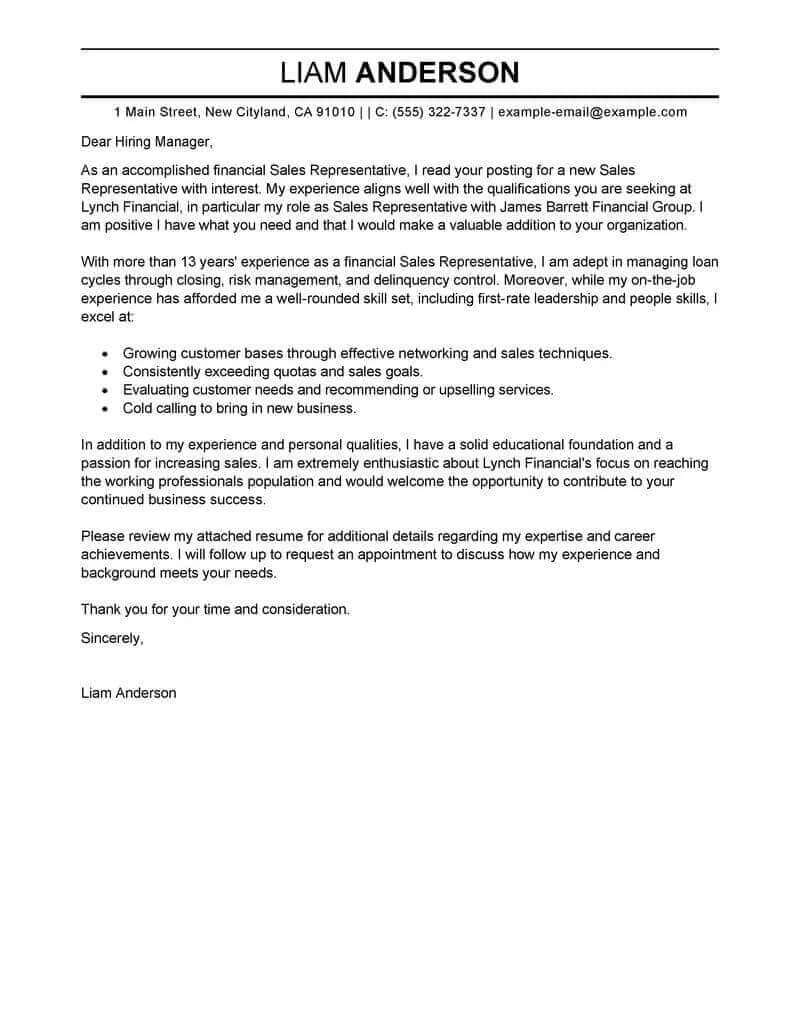
What is a Job Opportunity Cover Letter
A job opportunity cover letter is a crucial document accompanying your resume when applying for a job. It serves as a personalized introduction, allowing you to highlight your skills, experience, and enthusiasm for the specific role and company. Unlike a resume, which provides a factual overview of your qualifications, a cover letter gives you the opportunity to showcase your personality, explain your career goals, and demonstrate why you are the ideal candidate. It’s your chance to make a strong first impression and convince the hiring manager to read your resume with genuine interest. A well-crafted cover letter can significantly increase your chances of landing an interview, even if your resume isn’t perfect. Think of it as your marketing pitch to a potential employer, emphasizing what makes you unique and valuable.
Why is a Job Opportunity Cover Letter Important
The importance of a job opportunity cover letter cannot be overstated in today’s competitive job market. Firstly, it demonstrates your genuine interest in the position and the company. A generic application shows that you lack interest, while a personalized cover letter proves you’ve done your research and are genuinely excited about the opportunity. Secondly, it allows you to tell a story, connecting your skills and experience to the job requirements in a way a resume can’t. You can elaborate on specific achievements, explain any gaps in your employment history, and demonstrate how your unique qualifications align with the company’s needs. Thirdly, it showcases your written communication skills, which are essential in almost every professional role. A well-written cover letter demonstrates your ability to articulate your thoughts clearly and concisely, which is critical for success in the workplace. Finally, it helps you stand out from the crowd. In a sea of applicants, a compelling cover letter can be the deciding factor in securing an interview.
Key Components of a Job Opportunity Cover Letter

A well-structured job opportunity cover letter follows a standard format, ensuring all essential information is included. The key components work together to present you in the best light and capture the hiring manager’s attention. Each part serves a specific purpose in conveying your interest, qualifications, and suitability for the role. By mastering these components, you can create a cover letter that effectively sells your skills and experience, giving you a significant advantage in the job application process. Following a proven framework demonstrates professionalism and ensures your application is taken seriously.
Header Information
The header sets the stage for your cover letter and includes your contact information, typically placed in the top left corner. This usually includes your full name, phone number, email address, and optionally, your LinkedIn profile URL. Ensure this information is current and professional. Using a clean and professional font is crucial for readability. The header creates an immediate impression, so accuracy and professionalism are key. Properly formatted, the header allows the recruiter to easily reach you. Reviewing the header is a critical last step to ensure the information is correct.
Contact Information
Following the header, the contact information of the hiring manager or the company’s HR department should be included. If you know the name of the hiring manager, address the letter to them directly; if not, use a general title like ‘Hiring Manager’. It is essential to address the letter to the correct person or department to demonstrate that you have put in some effort into your application. This small detail shows that you’re attentive and interested in the specific opportunity. Finding the correct recipient can be a simple search on the company’s website or LinkedIn. If you’re unsure, it is always better to use a general greeting.
Date

The date is an important but easily overlooked component of your cover letter. Place the current date, directly under the recipient’s details. This indicates when you wrote and submitted the letter, giving the hiring manager a reference point. The date’s inclusion assures clarity regarding the application timing. If there’s any ambiguity, for instance, in the timing of when the letter was sent or received, it can result in confusion.
Recipient’s Details
This section provides the recipient’s details, typically the hiring manager or the HR department. Include their full name, title, and company address. If you don’t have a specific name, address the letter to ‘Hiring Manager’. It is important to get this detail right to show your attention to detail and respect for the company. Researching the name of the hiring manager can go a long way. This personalization can make the cover letter more appealing.
Opening Paragraph
The opening paragraph is your first chance to grab the hiring manager’s attention. Clearly state the position you’re applying for and how you found the job. Briefly mention why you’re interested in the role and the company. Your opening should be concise, enthusiastic, and tailored to the specific job. This is the hook that compels the reader to continue. It should create immediate interest. A strong opening sets the tone and conveys your interest, making the hiring manager want to learn more about you. Start with a strong statement.
How to Grab Their Attention

To capture the hiring manager’s attention, start with a compelling hook. This could be a brief mention of a company achievement that resonates with you or a specific skill that directly matches the job requirements. Avoid generic openings. Instead, personalize your greeting by using the hiring manager’s name (if you know it) or referencing a particular project or initiative. This shows that you’ve done your research and understand the company’s values and needs. Make a strong first impression.
Show Enthusiasm and Interest
Express your genuine enthusiasm for the position and the company. Explain why you’re drawn to the specific role and what excites you about the opportunity. Reference something specific that caught your attention, such as the company’s mission, values, or a recent achievement. This shows you’re not just applying for any job but are genuinely interested in this particular one. This interest, combined with some research, makes you look much more appealing.
Body Paragraphs
The body paragraphs form the core of your cover letter, allowing you to elaborate on your skills and experience. Tailor these paragraphs to the specific job description, highlighting the qualifications that align with the requirements. Use specific examples to demonstrate your achievements and quantify your successes whenever possible. This section is your opportunity to demonstrate your value to the company. A well-written body will convince the hiring manager you are the right fit.
Highlight Relevant Skills and Experience

Focus on the skills and experience most relevant to the job. Review the job description and identify the key requirements. Then, provide specific examples of how you’ve demonstrated those skills in previous roles. Use action verbs to describe your accomplishments. Tailor your language to reflect the industry’s jargon and demonstrate your understanding of the field. The more detailed and focused your examples, the more persuasive your cover letter will be. Make your skills clear and relevant.
Quantify Achievements (If Possible)
Whenever possible, quantify your achievements to show the impact you’ve made in previous roles. Use numbers and data to illustrate your successes. For instance, instead of saying ‘Improved customer satisfaction’, state ‘Increased customer satisfaction by 15%’. Quantifiable results are much more convincing than vague statements. This demonstrates your ability to deliver results and provides tangible evidence of your capabilities. Numbers have a stronger impact.
Tailoring Your Letter to the Job
Customize your cover letter for each job application. Avoid using a generic template. Read the job description carefully and identify the keywords and requirements. Tailor your letter to address those specific needs and highlight your relevant skills and experience. Personalize your letter to show that you have a genuine interest in the specific role and company. A tailored letter demonstrates that you are serious about the opportunity. Do not send generic letters.
Closing Paragraph

The closing paragraph should reiterate your interest in the position and express your enthusiasm for the opportunity. Briefly summarize your key qualifications and restate why you are a strong fit for the role. Include a clear call to action, such as stating that you look forward to hearing from them or are available for an interview. This creates a strong ending that encourages the hiring manager to take the next step. This is your final chance to make an impact.
Reiterate Interest and Call to Action
Reiterate your enthusiasm for the position and the company in the closing paragraph. Express your excitement about the opportunity and your desire to contribute to the team. Conclude with a call to action, such as stating that you look forward to hearing from them soon or that you are available for an interview at their earliest convenience. Make it easy for the hiring manager to take the next step and move your application forward. Make the next step clear.
Proofreading and Formatting
Proofreading and formatting are essential for ensuring your cover letter is professional and polished. A well-formatted letter with no errors demonstrates attention to detail and professionalism, increasing your chances of making a positive impression. Take the time to review your letter carefully, checking for any typos, grammatical errors, or formatting inconsistencies. A well-proofread cover letter suggests that you are diligent and pay attention to detail, while a poorly proofread one can undermine your credibility.
Formatting Best Practices

Follow standard formatting guidelines. Use a professional font like Arial or Times New Roman, with a font size between 10 and 12 points. Ensure consistent spacing and alignment throughout the letter. Keep your letter concise, ideally no more than one page. Use clear and easy-to-read formatting, with plenty of white space to avoid overwhelming the reader. This makes it easier for the hiring manager to read and understand your message. Clarity matters.
Common Mistakes to Avoid
Avoid common mistakes that can detract from your application. These include grammatical errors, typos, generic letters, and failing to tailor your letter to the job. Always proofread your letter carefully before submitting it. Ensure that you are addressing the correct hiring manager and that your contact information is up-to-date. Avoid using slang, jargon, or overly casual language. A polished cover letter will increase your chances.
Overly Generic Letters
Avoid sending generic cover letters that are not tailored to the specific job and company. Hiring managers can easily spot a generic letter, which shows a lack of effort and genuine interest. Tailor your letter to each job application. Research the company and the role, and highlight the skills and experience most relevant to the job description. A tailored cover letter demonstrates that you have taken the time to understand the company’s needs and requirements. Customize it for each job.
Typos and Grammatical Errors
Typos and grammatical errors can damage your credibility. Proofread your cover letter carefully before submitting it. Use a grammar checker and ask a friend or family member to review it as well. Errors suggest a lack of attention to detail and can negatively impact your chances of getting an interview. Ensure your cover letter is free of errors.
Submitting Your Cover Letter
When submitting your cover letter, pay attention to file format and naming conventions. Following these guidelines helps ensure your application is received correctly and professionally. The way you submit your cover letter impacts the impression you make on the hiring manager. It shows your respect for the company.
File Format and Naming Conventions
Always submit your cover letter in a PDF format unless the job posting specifically requests a different format. A PDF ensures that your formatting is preserved, regardless of the recipient’s software or operating system. Use a clear and professional file name, such as ‘YourName_CoverLetter_JobTitle’. This makes it easy for the hiring manager to identify and organize your application. Correctly formatting helps the hiring manager.