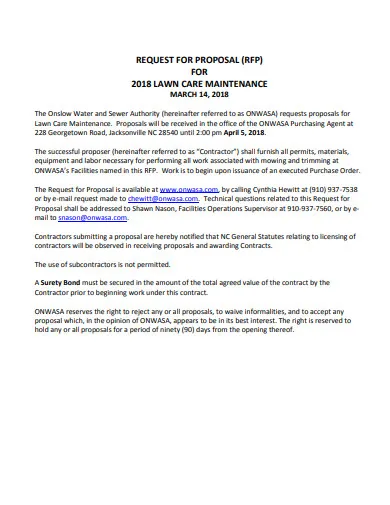
Crafting a Winning Lawn Care Proposal Cover Letter
A well-crafted lawn care proposal cover letter is your first impression. It’s your chance to shine and convince potential clients that your services are the best fit for their needs. It is a crucial element in securing new contracts. Many lawn care businesses overlook the importance of this document, missing out on opportunities to showcase their professionalism and expertise. This guide will walk you through the essential steps of creating a cover letter that grabs attention and converts prospects into paying customers. Learn how to highlight your services, emphasize client benefits, and follow up effectively to win big in the lawn care industry. The goal is to provide a clear, concise, and compelling summary that sets the stage for your detailed proposal.
Understanding the Importance of a Cover Letter
The cover letter serves as more than just an introduction; it’s a personalized pitch. It’s where you make a connection with the client, demonstrating your understanding of their needs and how you can address them. It’s an opportunity to showcase your company’s values, professionalism, and commitment to quality. A well-written cover letter can set you apart from competitors who might offer similar services. It tells the client that you’ve taken the time to understand their specific requirements and are genuinely interested in providing tailored solutions. This attention to detail can significantly increase your chances of winning the contract. Moreover, a professional cover letter signals your commitment to communication and customer satisfaction, crucial aspects for building trust and long-term relationships.
Setting the Tone and Making a Strong First Impression

The opening lines of your cover letter are critical; they set the tone for the entire proposal. Start with a warm, professional greeting and immediately capture the reader’s attention. Mention the client’s name, if possible, to show that you’ve taken the time to personalize the letter. Briefly state the purpose of the letter and the value you bring to their lawn. Avoid generic greetings and instead, craft a message that reflects your company’s personality. For example, you could start with an enthusiastic statement about how you can help them achieve their desired lawn appearance. Remember, the first impression is lasting, so make it count. Your goal is to demonstrate from the start that you are not just another lawn care provider but a partner who understands their needs and is committed to exceeding their expectations.
Key Elements to Include in Your Cover Letter
Your Company’s Introduction
Briefly introduce your company, highlighting your experience, expertise, and any specializations. Mention how long you’ve been in business and any certifications or awards you’ve received. This section builds credibility and assures the client of your qualifications. Focus on what makes your company unique, whether it’s specialized equipment, eco-friendly practices, or exceptional customer service. Keep it concise; aim for a paragraph that effectively communicates who you are and what you do. Include your company’s name, and your contact information in your introduction. This part helps the client quickly understand the nature of your business and establishes a foundation of trust.
Highlighting Your Services

Clearly list the lawn care services you offer, such as mowing, fertilizing, weed control, aeration, and seasonal cleanup. Tailor this section to the client’s specific needs, as mentioned in their request for a proposal. If the client mentioned specific issues or preferences, be sure to address them directly. This demonstrates that you’ve listened and understood their requirements. Use bullet points or a clear format to make the information easy to read and digest. Be specific about what each service entails and the benefits they provide. For example, describe how your fertilization program will promote healthy growth, or how your weed control will eliminate unwanted plants. A straightforward, organized list of your services will provide clarity.
Emphasizing Benefits for the Client
Instead of just listing services, emphasize the benefits the client will receive. Focus on how your services will solve their problems and meet their needs. Will your services save them time and effort? Will they enhance the curb appeal of their property? Will they create a healthier, more enjoyable outdoor space? Quantify the benefits whenever possible. For instance, state how regular mowing will keep the lawn in top condition or how your services will help them avoid costly repairs or replacements. Frame your services in terms of value to the client, not just the tasks you perform. This helps the client see the true value of your proposal and the return on their investment. Tailor the benefits to the client’s specific needs and goals.
Pricing and Payment Information
Clearly outline your pricing structure, including all costs associated with your services. Be transparent about how you calculate your prices, whether it’s based on the size of the lawn, the services provided, or a customized plan. Include details about payment options, such as credit cards, checks, or online payments. Specify your payment terms, including due dates and any late fees. This section prevents misunderstandings and sets clear expectations for the financial aspects of the contract. Provide a breakdown of costs, so the client understands exactly what they are paying for. Make it easy for the client to understand your pricing, showing that you are honest and straightforward. If you offer different packages, compare them and highlight the benefits of each.
Call to Action and Contact Information

Conclude your cover letter with a clear call to action. Tell the client what you want them to do next, such as schedule a consultation, review the proposal in detail, or contact you with any questions. Provide your contact information again, including your phone number, email address, and website. Encourage them to reach out, and make it easy for them to do so. A strong call to action can significantly increase your chances of getting a response. Express your enthusiasm about the opportunity to work with them and your confidence in your ability to meet their lawn care needs. Thank the client for their time and consideration, and reiterate your commitment to providing excellent service. This section should motivate the client to take the next step and engage with your proposal.
Formatting and Design Best Practices
Choosing the Right Font and Layout
Select a professional and easy-to-read font, such as Arial, Calibri, or Times New Roman. Use a clean layout with sufficient white space to make your cover letter visually appealing and easy to scan. Keep paragraphs short and to the point. Use headings and subheadings to break up the text and guide the reader. Ensure your company logo and contact information are prominently displayed. A well-designed cover letter shows attention to detail and reflects positively on your brand. Aim for a balance between aesthetics and readability. Avoid overly ornate fonts or cluttered layouts, which can distract from the content. A professional, well-formatted cover letter shows you care about the presentation.
Keeping it Concise and Professional

Keep your cover letter concise and professional. Avoid unnecessary jargon or overly technical language. Get straight to the point, highlighting the key benefits and services. The goal is to provide a summary that captures the essence of your proposal. Edit ruthlessly to ensure every word counts. Aim for a letter that is no more than one page in length, as potential clients have many proposals to consider. Brevity demonstrates respect for the client’s time and focus on conveying essential information effectively. Ensure your tone is professional and friendly, but avoid being overly casual or informal. The cover letter should build trust and confidence in your expertise.
Proofreading and Editing for Perfection
Before sending your cover letter, carefully proofread it for any grammatical errors, spelling mistakes, or typos. A single error can undermine your credibility. Use spell-check and grammar-check tools, but also read the letter aloud to catch any awkward phrasing. Ensure that your letter is well-organized and that the information flows logically. Consider having a colleague or friend review the letter to get a fresh perspective. Polished, error-free writing reflects professionalism and attention to detail. Errors suggest that you are careless or inattentive, potentially raising concerns about the quality of your lawn care services. Proofreading is a crucial step for making a positive impression.
Personalizing Your Cover Letter for Each Client
Researching the Client’s Needs

Before writing your cover letter, take the time to research the client and their property. Look for information about their lawn care needs, any specific issues they’ve mentioned, and their preferences. Visit their website, social media pages, or review their request for a proposal. This research enables you to tailor your cover letter to their particular situation and address their specific concerns. The effort will demonstrate to them that you understand their requirements and are interested in providing a customized solution. This level of personalization shows that you are not just sending a generic proposal, but that you have carefully considered their unique needs and challenges.
Tailoring Your Message
Customize your cover letter to fit the client and their needs. Reference the research you did about the client and their property. Highlight the specific services that will best meet their needs and explain how you can address their concerns. Demonstrate that you understand their goals and offer solutions that will help them achieve them. Tailoring the message shows you are paying attention to them, not just sending out a mass-produced document. This will show that you understand their particular needs, preferences, and challenges. The goal is to make the client feel that your company is the perfect fit for their specific circumstances.
Using the Client’s Name
Always address your cover letter to the specific person who will be reviewing the proposal. Use their name in the salutation. This simple act makes your letter more personal and demonstrates that you’ve taken the time to research and tailor your communication. Using the client’s name helps create a personal connection. Even if the name isn’t available, address it to the correct person. You can research this on their website or social media channels. Ensure you spell the name correctly, and if you’re unsure of the pronunciation, confirm it beforehand. This attention to detail shows respect and professionalism, boosting your chances of making a good impression.
Examples of Effective Cover Letter Content

Example 1 Addressing a Specific Problem
Let’s say a client’s lawn has a problem with persistent weeds. Your cover letter might begin by acknowledging the weed problem and stating your solution. “Dear [Client’s Name], I understand your lawn is struggling with persistent weed growth. Our specialized weed control program is designed to eliminate these weeds and prevent their return. This is achieved through the application of the most effective herbicides and a proactive fertilization plan. We are confident we can restore your lawn’s lush, weed-free appearance.” The letter should then explain the details of your weed control program, highlighting the benefits to the client. Be specific about how the problem will be resolved. Finish by stating your eagerness to help the client solve their issue, which shows you understand their challenges.
Example 2 Highlighting Unique Services
If your company offers unique services, such as organic lawn care, highlight this in your cover letter. “Dear [Client’s Name], We are thrilled to submit our proposal for your lawn care needs. We understand you’re looking for an environmentally-friendly approach. Our organic lawn care program is designed to create a healthy, vibrant lawn without synthetic chemicals. We use only natural fertilizers and eco-friendly weed control methods, ensuring the safety of your family, pets, and the environment. We combine this with our specialized aeration techniques to promote healthy root growth.” Make sure you focus on why these unique services are beneficial to the client. Explain how this approach improves their lawn and the environment. This approach will set you apart from competitors.
Example 3 Presenting a Comprehensive Plan

Presenting a comprehensive plan can showcase your professionalism. “Dear [Client’s Name], Thank you for considering [Your Company Name] for your lawn care needs. Based on our initial consultation, we’ve developed a comprehensive plan that includes regular mowing, fertilization, weed control, and seasonal cleanup. Our team is experienced in a wide variety of lawn care services. We guarantee the quality of our work and the satisfaction of our customers.” Then, present your plan in a way the client can clearly understand. Provide details about how your comprehensive plan addresses the client’s specific needs, outlining each step and the schedule. This example will ensure the client understands your commitment to detail and thorough service.
Tips for Following Up on Your Proposals
When and How to Follow Up
Following up is critical to securing lawn care contracts. Send a follow-up email or make a phone call a few days after submitting your proposal. This shows that you are interested and invested in the project. In your follow-up, reiterate your interest and ask if the client has any questions. Briefly summarize the key benefits of your services. Be polite and respectful of the client’s time, and don’t pressure them. Provide a timeline and set a reasonable expectation for when you should hear back. Ask if they need further clarifications. Be available to answer questions and address concerns. Provide any additional information they may need to make a decision. Following up can significantly increase your chance of winning the business.
Offering Additional Information
When following up, offer any additional information the client might find helpful. This could include testimonials from satisfied clients, before-and-after photos of similar projects, or a detailed explanation of your processes. Attach relevant documents, such as your company brochure or certifications. Ensure you’re available to discuss any questions they may have. Make it as easy as possible for the client to make a decision. Providing extra information shows your thoroughness and commitment to their satisfaction. It demonstrates you are willing to go the extra mile to win their business. By offering all the resources and information you can, you will build trust and confidence in your company.
Closing the Deal and Securing the Contract
Once you have addressed all the client’s concerns and answered their questions, be prepared to close the deal. Reiterate your enthusiasm for the project and restate the benefits of working with your company. If the client is ready to move forward, provide them with a clear path to accepting your proposal. This might involve signing a contract, submitting a deposit, or scheduling a start date. Make sure the contract is easy to understand and includes all the relevant terms and conditions. Be clear about the next steps, and make the transition as smooth as possible. If the client hesitates, try to address any remaining concerns and offer incentives to encourage them to sign the contract. Ensure that you have a system in place to handle the acceptance of contracts and manage customer onboarding.