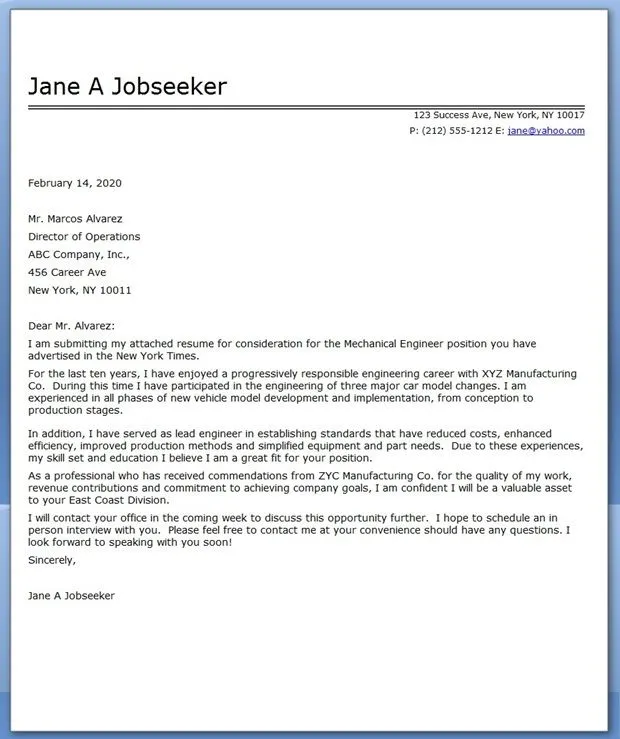
Unveiling the Mechanical Engineer Cover Letter Secrets
In the competitive field of mechanical engineering, a well-crafted cover letter is your first opportunity to make a lasting impression on potential employers. It’s more than just a formality; it’s your chance to showcase your skills, experience, and passion for engineering. This article delves into the secrets of writing a compelling cover letter that captures attention and increases your chances of landing an interview. We’ll explore the key elements, common pitfalls, and essential strategies for crafting a cover letter that truly stands out. By understanding these secrets, you can transform your cover letter from a simple document into a powerful tool that unlocks exciting career opportunities.
Understanding the Purpose of a Mechanical Engineer Cover Letter
The primary purpose of a cover letter is to introduce yourself, express your interest in a specific position, and highlight why you’re the ideal candidate. It’s your first point of contact with a potential employer, setting the tone for your application. A cover letter allows you to go beyond the concise format of a resume, providing context and depth to your qualifications. It’s where you can tell a story, connect your experiences to the job requirements, and demonstrate your understanding of the company’s needs and values. By effectively communicating your skills and enthusiasm, a cover letter can significantly boost your chances of securing an interview.
Highlighting Your Technical Skills

Mechanical engineering is a highly technical field, so your cover letter should prominently feature your technical skills. Be specific and provide examples. Instead of simply stating that you know CAD software, mention which software you are proficient with, such as SolidWorks, AutoCAD, or CATIA, and provide examples of projects where you utilized these skills. Similarly, highlight your knowledge of relevant engineering principles, such as thermodynamics, fluid mechanics, or heat transfer. Include proficiency with simulation software like ANSYS or COMSOL. Tailor your skills section to align with the requirements of the job description, ensuring you emphasize the skills most relevant to the specific role.
Showcasing Your Relevant Experience
Your cover letter is an excellent place to detail your relevant experience. Focus on experiences that align with the job description, providing specific examples of your achievements and responsibilities. For each experience, briefly describe the project or role, the challenges you faced, and the results you achieved. Use quantifiable results whenever possible, such as ‘reduced production costs by 15%’ or ‘improved system efficiency by 10%.’ Highlight any leadership roles, project management experience, or collaborative efforts. Demonstrate how your past experiences have prepared you to excel in the position you are applying for, providing concrete evidence of your capabilities.
Emphasizing Your Problem-Solving Abilities
Mechanical engineers are, at their core, problem-solvers. Your cover letter should showcase your ability to identify, analyze, and solve complex engineering problems. Describe situations where you successfully tackled challenges, providing details about the process you used, the tools you employed, and the outcomes you achieved. Did you implement a new design that improved efficiency? Did you troubleshoot a critical system failure? Did you lead a team to overcome a technical hurdle? Your problem-solving skills are a key indicator of your competence and potential. Providing evidence of your critical thinking abilities is important to show your potential employer that you are capable of handling the challenges of the job.
Structuring Your Mechanical Engineer Cover Letter

Header and Contact Information
Start your cover letter with a professional header that includes your full name, contact information (phone number, email address, and LinkedIn profile URL), and the date. Be sure that the contact information is up-to-date and professional. Also include the hiring manager’s name and title, along with the company name and address, if you know it. A well-formatted header sets a professional tone and makes it easy for the hiring manager to contact you. Ensure consistency with the formatting of your resume, using a clear, readable font and appropriate spacing.
Greeting and Introduction
Address your cover letter to the hiring manager by name, if possible. Generic greetings like ‘To Whom It May Concern’ are less effective. In your introduction, clearly state the position you’re applying for and how you found the job posting. Briefly express your enthusiasm for the role and the company. Use this opening to grab the reader’s attention and make them want to learn more about you. Make the introduction concise and engaging, highlighting your initial interest in the position and what you have to offer, setting the stage for the rest of your letter.
Body Paragraphs

The body paragraphs are the core of your cover letter. This is where you showcase your skills, experience, and qualifications in detail. Structure the body paragraphs to align with the job description’s key requirements. Provide specific examples of your achievements, using the STAR method (Situation, Task, Action, Result) to describe your experiences. Quantify your accomplishments whenever possible to demonstrate the impact of your work. Maintain a professional and enthusiastic tone throughout, demonstrating your genuine interest in the role. Use concise language and well-structured paragraphs to keep the hiring manager engaged.
Closing and Call to Action
Your closing should reiterate your interest in the position and thank the hiring manager for their time and consideration. Include a strong call to action, such as requesting an interview and providing your availability. Reiterate your key skills and experiences, highlighting how they align with the company’s needs. End with a professional closing, such as ‘Sincerely’ or ‘Best regards,’ followed by your typed name. Proofread the closing carefully to ensure it is error-free and reflects your professional demeanor.
Key Elements to Include in Your Cover Letter
Quantifiable Achievements
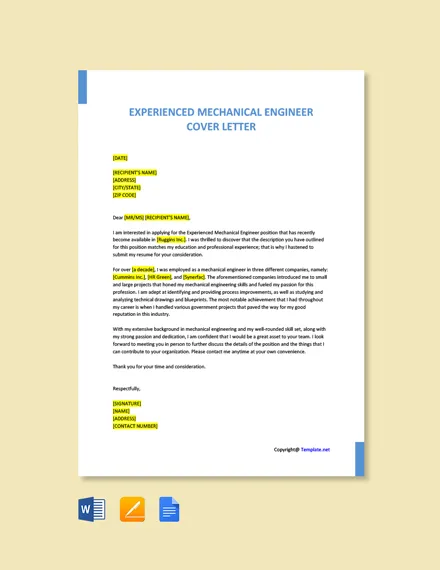
Always include quantifiable achievements to demonstrate your impact. Use numbers and metrics to show the results of your work, such as ‘reduced costs by 20%’ or ‘increased efficiency by 15%.’ Quantifiable achievements provide concrete evidence of your skills and abilities. These achievements help the hiring manager quickly understand your value and the positive impact you can make to the company. By providing this information, your cover letter provides a more impressive impression than a letter without these metrics.
Keywords Optimization for ATS
Many companies use Applicant Tracking Systems (ATS) to screen cover letters and resumes. Optimize your cover letter by using keywords from the job description. Analyze the job posting and identify the key skills, qualifications, and requirements. Integrate these keywords naturally throughout your cover letter, ensuring your application passes through the ATS and reaches the hiring manager. However, avoid keyword stuffing, as this can make your cover letter sound unnatural and detract from your message. A good balance of keywords will increase your chances of the employer reading your application.
Tailoring Your Cover Letter to the Job
Never send a generic cover letter. Always tailor your cover letter to each specific job you apply for. Research the company and the role, and customize your letter to address the specific requirements and expectations. Highlight the skills and experiences that align with the job description and demonstrate how you can contribute to the company’s success. Demonstrate your understanding of the company’s values and goals by showing your genuine interest in the role and in the company. This demonstrates that you have done your homework and you are genuinely interested in the position.
Proofreading and Formatting

Proofread your cover letter meticulously for any errors in grammar, spelling, and punctuation. Errors can make your cover letter look unprofessional and can diminish your chances of getting an interview. Check for consistency in formatting, such as font, font size, and spacing. Ensure that your cover letter is easy to read and visually appealing. Have a friend or colleague review your cover letter for any mistakes you may have missed. Proofreading can greatly improve your application and show that you take pride in your work.
Common Mistakes to Avoid
Generic Cover Letters
Avoid using generic cover letters that are not tailored to the specific job or company. Generic cover letters show a lack of interest and a lack of effort. Instead of sending a generic cover letter, always customize your letter to highlight the skills and experiences that are most relevant to the job description. Research the company and the role to demonstrate your understanding of the company’s needs and values. This shows the hiring manager that you are genuinely interested in the position and are willing to put in the effort to succeed.
Typos and Grammatical Errors

Typos and grammatical errors can damage your credibility. Always proofread your cover letter carefully before submitting it. Use spell-check and grammar-check tools, and have someone else review your letter for mistakes. Errors in your cover letter show that you are not detail-oriented and do not have a high degree of professionalism. A professional application demonstrates to the hiring manager that you take pride in your work and that you will bring the same attention to detail to your job responsibilities. Proofreading can boost your chances of getting an interview.
Lack of Enthusiasm
A cover letter should convey your enthusiasm for the role and the company. Show your excitement for the opportunity. Avoid sounding overly formal or detached. Instead, write in a professional but engaging tone, demonstrating your passion for mechanical engineering and your eagerness to contribute to the team. Express your genuine interest in the position. Highlight what excites you about the role and the company, and how your skills and experiences align with the opportunity. A cover letter lacking enthusiasm will not be memorable to the hiring manager.
Overly Formal Language
While professionalism is essential, avoid using overly formal language that can make your cover letter sound stiff and impersonal. Use clear, concise language that is easy to understand. Write in an active voice and avoid jargon or technical terms that the hiring manager may not be familiar with. Keep your tone professional, but also show your personality and let your enthusiasm shine through. Aim for a balance between professionalism and approachability to make a positive impression.
The Importance of a Strong Closing

A strong closing is a critical element of your cover letter. In your closing paragraph, reiterate your interest in the position, thank the hiring manager for their time and consideration, and include a call to action. Encourage them to contact you for an interview. Summarize your key skills and experiences, reinforcing why you are the ideal candidate for the role. Always end with a professional closing, such as ‘Sincerely’ or ‘Best regards,’ followed by your typed name and contact information. A well-crafted closing will leave a lasting positive impression and increase your chances of landing an interview.