Understanding the Importance of a New Teacher Cover Letter
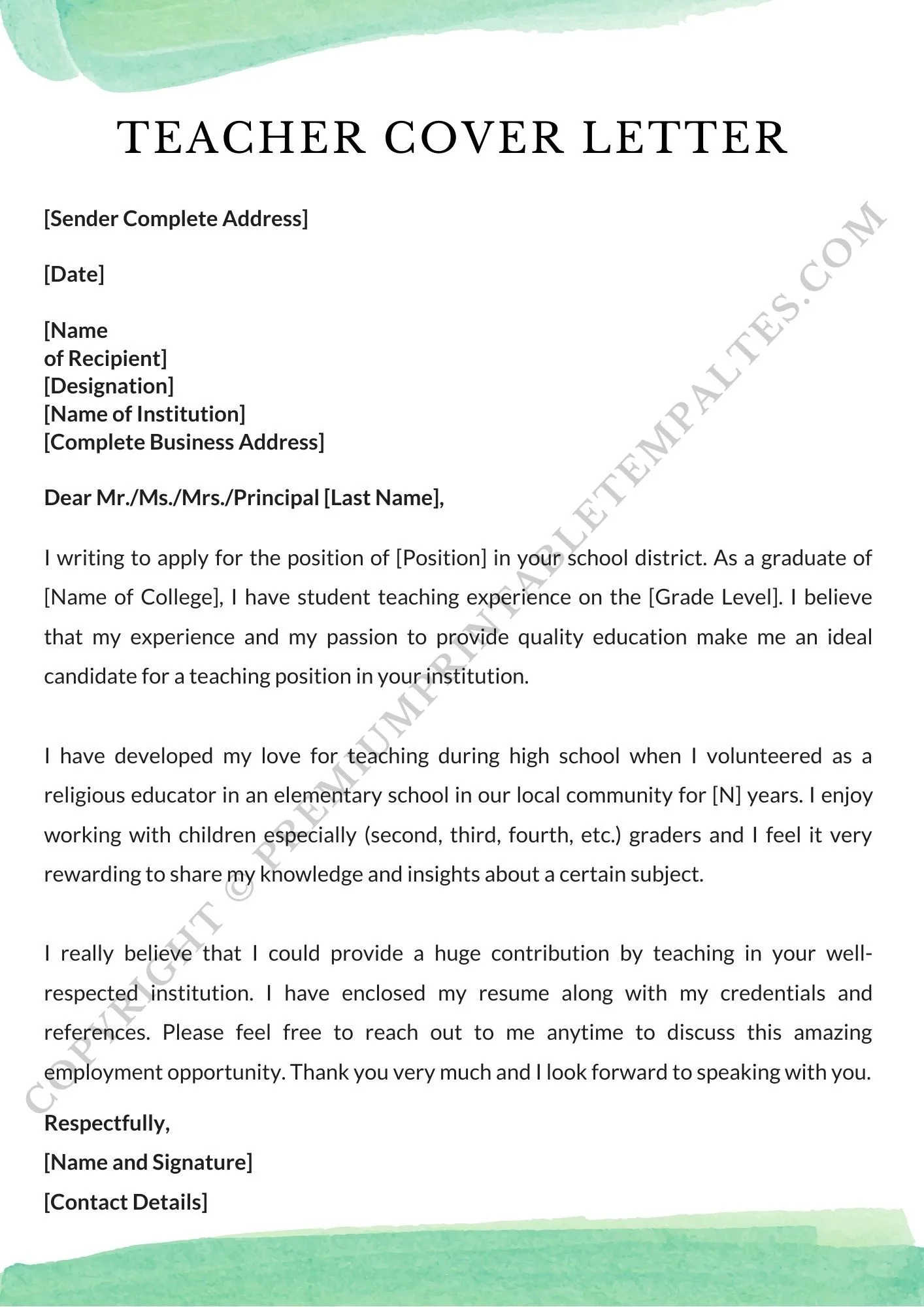
As a new teacher, your cover letter is your first impression. It’s a critical opportunity to showcase your unique value proposition and convince the hiring committee you’re the right fit. Unlike experienced educators who have a proven track record, you need to demonstrate your potential, enthusiasm, and relevant skills. A well-crafted cover letter not only highlights your qualifications but also expresses your passion for teaching and your understanding of the school’s needs. It’s a chance to stand out from the crowd and make a compelling case for why they should invite you for an interview. A weak or generic cover letter, on the other hand, can lead to your application being overlooked, so it’s worth investing time and effort in this crucial document. This is especially true in competitive job markets where every detail can make a difference.
Highlighting Your Skills and Qualifications
Your cover letter is the perfect place to showcase your skills and qualifications. Be specific and provide examples to back up your claims. Don’t just say you’re a good communicator – describe situations where you effectively communicated with students, parents, or colleagues. Highlight any certifications or training you’ve completed, especially those relevant to the specific teaching position. If you’ve taken courses in classroom management, differentiated instruction, or assessment techniques, mention them. Remember that employers seek teachers who are well-prepared and have the essential skills needed to succeed. Consider listing your skills with short descriptions to make it easier for the reader to understand. Ensure that the skills you choose to highlight align with the job description to increase your chances of getting noticed.
Emphasizing Your Passion for Teaching

Passion is contagious, and it’s a crucial attribute for teachers. Your cover letter should convey your genuine enthusiasm for teaching and your dedication to students’ success. Share what inspired you to become a teacher, what you love about the profession, and how you approach your role. Talk about your teaching philosophy, how you create a positive learning environment, or the specific strategies you employ to motivate and engage students. Mention your belief in the importance of education and your commitment to helping students reach their full potential. Let your personality shine through, and show the hiring committee that you’re not just looking for a job but are genuinely committed to making a positive impact on students’ lives. This demonstrates that you will be an asset to the school community.
Top 5 Cover Letter Tips for New Teachers
Crafting a standout cover letter can be challenging, but these top 5 tips will guide you toward success. These practical suggestions will help you create a cover letter that grabs attention, conveys your strengths, and increases your chances of landing an interview. Implementing these tips will make your cover letter more impactful and will enable you to present yourself as a highly motivated and qualified candidate for the position. The following suggestions should improve the overall quality of your job application and highlight your potential as a successful educator. Consider each tip as a stepping stone toward securing your dream teaching position.
Tailoring Your Cover Letter to the Specific School
Generic cover letters rarely impress. Customize each cover letter for the specific school and position you’re applying for. Research the school’s mission, values, programs, and any specific needs mentioned in the job description. Show that you understand the school’s unique culture and how your skills and experiences align with their requirements. Use keywords from the job description and incorporate details about the school’s programs or initiatives. Personalize your letter by addressing the hiring manager by name and demonstrating that you’ve taken the time to learn about the school. This attention to detail shows that you are genuinely interested in the position and have put in the effort to make yourself a strong candidate.
Showcasing Your Relevant Experience

Even as a new teacher, you likely have relevant experience that should be highlighted. This may include student teaching, volunteer work, tutoring, or any experience working with children or in an educational setting. Focus on the skills you gained and the impact you made. Describe specific tasks you performed, challenges you overcame, and the outcomes achieved. If you have experience with specific teaching methods, technologies, or curriculum, be sure to mention it. Quantify your achievements whenever possible; for example, “tutored 15 students resulting in an average grade improvement of 10%.” This provides concrete evidence of your abilities and helps the hiring committee understand your potential as an effective teacher. Don’t be afraid to highlight experiences outside of the traditional classroom, such as coaching, mentoring, or extracurricular activities, as they can demonstrate your ability to work with students.
Formatting Your Cover Letter for Readability
A well-formatted cover letter is easy to read and visually appealing. Use a professional font like Times New Roman, Arial, or Calibri, and ensure the font size is readable (11 or 12 points). Use clear headings, subheadings, and bullet points to break up large blocks of text and make it easier for the hiring manager to scan the document. Keep paragraphs concise and to the point, focusing on the most relevant information. Proper formatting makes it easy for the reader to quickly grasp your key qualifications and skills. Proofread carefully to eliminate any typos or grammatical errors, as these can detract from your credibility. A polished and well-formatted cover letter shows that you pay attention to detail and value professionalism.
Proofreading and Editing Your Cover Letter
Proofreading is non-negotiable. Typos and grammatical errors can make your cover letter look unprofessional and can undermine your credibility. Before submitting your cover letter, proofread it carefully for any errors in grammar, spelling, punctuation, and sentence structure. Read it aloud to catch any awkward phrasing or unclear sentences. Ask a friend, mentor, or career counselor to review your cover letter and provide feedback. They may catch errors or suggest improvements that you’ve missed. A second pair of eyes can be invaluable in ensuring your cover letter is error-free and effectively communicates your qualifications and passion for teaching. Don’t rely solely on spell-check; it may not catch all errors. Ensure the final product is polished and reflects your professionalism.
Key Elements to Include in Your Cover Letter
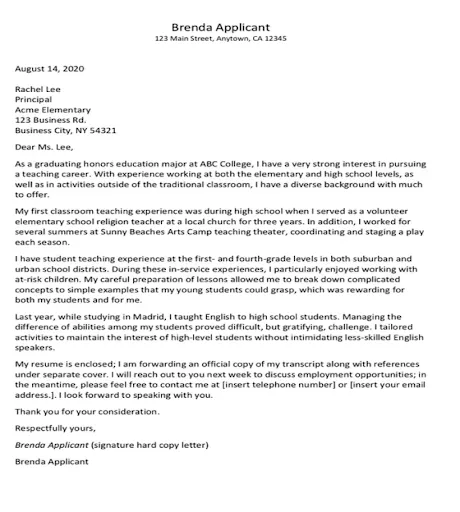
To ensure your cover letter is comprehensive and impactful, include these key elements. These essential components will help you present yourself as a well-rounded candidate and will increase your chances of getting an interview. By incorporating each element effectively, you can make a strong first impression and convince the hiring committee that you possess the skills and qualities needed to succeed as a new teacher. Remember that each component should be tailored to the specific school and position you are applying for, demonstrating your understanding of their needs and your commitment to making a positive impact. Attention to detail will make your cover letter stand out from the crowd.
Your Contact Information and Introduction
Start with your contact information at the top of your cover letter, including your name, address, phone number, and email address. Always include your professional email. In the introduction, state the position you’re applying for and where you saw the job posting. Briefly introduce yourself and mention your passion for teaching. Immediately grab the reader’s attention with a compelling opening statement. State your enthusiasm for the position and why you are excited about the opportunity. If you know the hiring manager’s name, address the letter to them. This personalized touch shows that you are taking the time to make a connection and are genuinely interested in the role.
Highlighting Your Accomplishments and Skills
In the body of your cover letter, detail your accomplishments and skills. Provide specific examples that demonstrate your abilities. Use action verbs to describe your experiences. For instance, instead of saying “I helped students,” say “I mentored struggling students, resulting in a 20% improvement in their grades.” Highlight the skills most relevant to the job description, such as classroom management, lesson planning, differentiated instruction, or assessment techniques. Include information about any relevant certifications, training, or coursework you’ve completed. Showcase any experience you have working with diverse learners or adapting instruction to meet individual student needs. Quantify your accomplishments whenever possible to provide tangible evidence of your abilities. Each paragraph should be purposeful and showcase your strengths as a teacher.
Expressing Your Enthusiasm and Fit

Demonstrate your genuine enthusiasm for the school and the teaching profession. Research the school’s mission, values, and programs, and explain how your teaching philosophy aligns with their goals. Show that you have a clear understanding of the school’s needs and how you can contribute to its success. Describe your passion for teaching and your dedication to creating a positive and engaging learning environment. Mention your teaching philosophy, and highlight your ability to motivate students and foster a love of learning. Explain why you chose teaching as a career and what you find most rewarding about the profession. Express your excitement about the opportunity to make a difference in students’ lives.
Closing Your Cover Letter Effectively
End your cover letter with a strong closing that reiterates your interest in the position and expresses your enthusiasm for an interview. Thank the hiring manager for their time and consideration. Clearly state how you can be contacted. Mention your availability for an interview and express your eagerness to discuss your qualifications further. Reiterate your commitment to the school and its students. A confident and professional closing leaves a lasting impression and increases the likelihood of receiving a call back. Ensure your closing reflects your passion, professionalism, and genuine interest in the position and the school community. Proofread one last time, and then submit your cover letter.