Crafting the Perfect Nurse Cover Letter
A well-crafted cover letter is your key to unlocking a nursing career. It’s your first impression, a chance to showcase your unique skills and experiences. It’s not merely a formality; it’s an opportunity to connect with the hiring manager on a personal level and demonstrate why you’re the ideal candidate for the position. A great cover letter will not only highlight your qualifications but will also reveal your personality, your passion for nursing, and your understanding of the specific role and healthcare facility you are applying to. This guide unveils the secrets to create a cover letter that leaves a lasting impact.
Understanding the Purpose of a Cover Letter
The purpose of a nurse cover letter extends beyond simply repeating the information on your resume. It allows you to provide context to your experiences, explain any career gaps or transitions, and articulate your career aspirations. It’s your chance to demonstrate your communication skills and show that you have taken the time to research the facility and the role. A well-written cover letter demonstrates your genuine interest in the position and the organization, setting you apart from the crowd of applicants who may have only submitted their resumes. It provides a platform to weave a narrative that brings your qualifications to life.
Highlighting Key Skills and Experiences

Focus on the skills and experiences that directly align with the job description. These could include clinical skills (like administering medications, wound care, or patient assessment), soft skills (such as communication, teamwork, and empathy), and any specialized training or certifications. When detailing your experiences, provide specific examples of how you utilized these skills to positively impact patient outcomes. For instance, if the job requires leadership skills, describe a time you took initiative in a challenging situation, led a team, or mentored a colleague. Make sure to use action verbs and avoid generic phrases.
Researching the Target Healthcare Facility
Before you start writing, thoroughly research the healthcare facility. Understand its mission, values, and the types of patients it serves. This research will help you tailor your cover letter to the specific needs of the organization, demonstrating that you are genuinely interested in working there. Check the facility’s website, social media pages, and any news articles to understand its current initiatives and challenges. This knowledge allows you to align your skills and experiences with their goals, showcasing why you would be a valuable asset to their team. You can reference specific programs or values in your letter to show you’ve done your homework.
Formatting Your Nurse Cover Letter Effectively
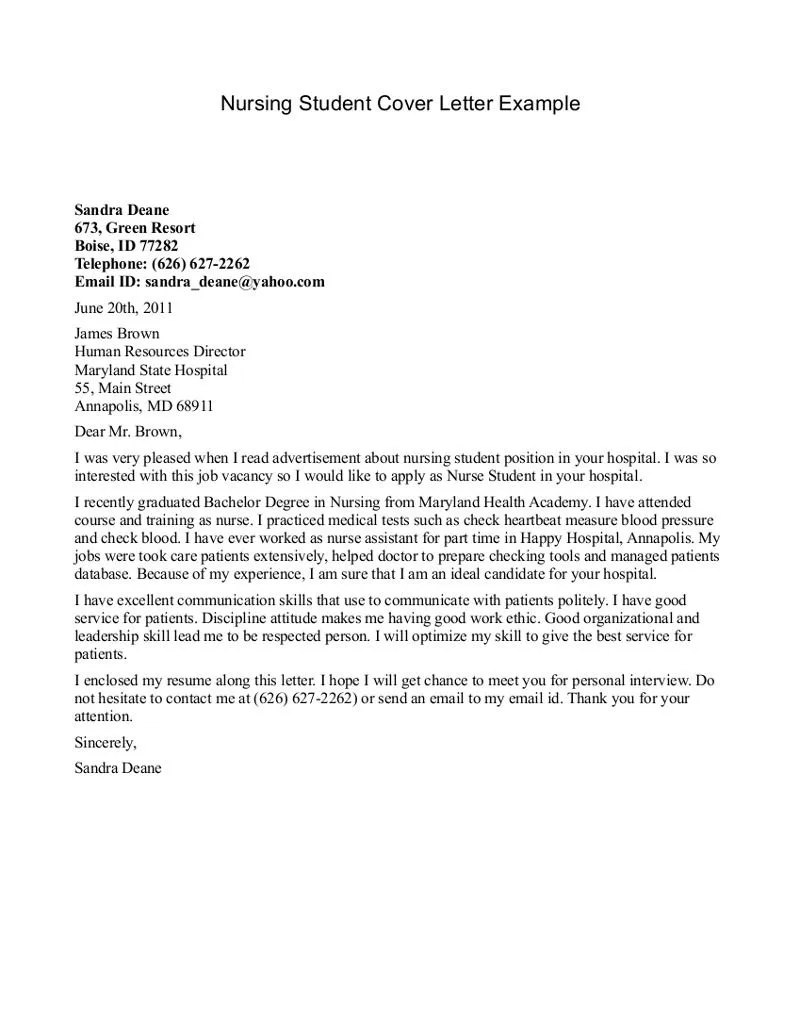
The format of your cover letter is just as important as its content. A well-formatted letter is easy to read and makes a positive impression. Use clear, concise language and avoid jargon. Remember, a professional and polished appearance reflects your attention to detail and professionalism. Stick to a standard business letter format, with a clear heading, proper salutation, body paragraphs, and a professional closing. Ensure your letter is free of typos and grammatical errors. Proofread carefully or have someone else review it before submitting your application.
Essential Formatting Elements

Ensure your letter includes your contact information (name, address, phone number, and email) at the top. Use the hiring manager’s name, if possible, in the salutation. Use a professional font like Times New Roman, Arial, or Calibri. Keep your paragraphs short and to the point. Maintain consistent spacing throughout the document. Avoid using slang or informal language. Your goal is to present a clean, professional document that is easy to read and understand.
Font and Style Recommendations
Choose a readable font size, generally between 11 and 12 points. Stick to a simple font style that’s easy on the eyes. A clean, uncluttered layout makes your cover letter more inviting to read. Ensure the text is left-aligned and use a standard one-inch margin on all sides. Use bolding and italics sparingly, and only to highlight important information. The overall goal is to create a visually appealing document that makes it easy for the reader to absorb the information.
Header and Contact Information
Include your full name, address, phone number, and professional email address at the top of the letter. This makes it easy for the hiring manager to contact you. You can either place this information in the header or left-align it at the top of the page. Date your letter appropriately. Following your contact information, include the hiring manager’s name, title, and the facility’s address (if known). If you’re unsure of the hiring manager’s name, research it online or call the facility to inquire before sending your application.
Tailoring Your Cover Letter to the Job

Generic cover letters rarely impress. Tailoring your letter to each specific job application is essential to demonstrate your genuine interest and qualifications. This requires carefully analyzing the job description and highlighting the skills and experiences most relevant to the role. Don’t just submit a generic letter; customize it for each position you apply for to significantly increase your chances of getting noticed.
Analyzing the Job Description
Read the job description carefully and identify the key requirements and responsibilities. Make a list of the specific skills, experiences, and qualifications the employer is looking for. Match these requirements with your own skills and experiences, and provide specific examples of how you have met these requirements in the past. Highlight those skills and experiences within your cover letter. Use the same keywords from the job description (where appropriate) to show that you understand the role.
Demonstrating Passion for Nursing
Your passion for nursing should shine through in your cover letter. Share your motivations for choosing a career in nursing, your commitment to patient care, and your enthusiasm for learning and growing in the profession. Mention any specific areas of nursing that you are passionate about (e.g., critical care, pediatrics, geriatrics), if relevant to the job. Share your dedication to improving patient outcomes, providing compassionate care, and contributing to the healthcare team. This demonstrates that you are more than just qualified, but also a good fit for the organization’s culture.
Showcasing Relevant Certifications and Licenses

Clearly state your nursing licenses and certifications (e.g., RN, LPN, BLS, ACLS, etc.) and when they expire. Highlight any specialized certifications that are relevant to the job. The hiring manager needs to easily see that you possess the minimum qualifications to work in the position. Include license numbers if required. Make sure all licenses are current. This information should be presented in a concise and easily readable manner, to emphasize your professional qualifications from the outset of your application.
Writing a Compelling Opening Paragraph
The opening paragraph is your first chance to grab the hiring manager’s attention. It should be concise, engaging, and clearly state the position you are applying for. Avoid generic phrases like ‘I am writing to express my interest.’ Instead, focus on making a strong statement of your qualifications. Show the hiring manager why you are interested in the position and how your skills and experiences align with the needs of the healthcare facility. The opening paragraph will set the tone for the rest of your letter.
Grabbing the Reader’s Attention
Start with a strong, attention-grabbing statement. You could mention a specific accomplishment, a relevant skill, or your enthusiasm for the opportunity. Avoid generic greetings. Instead, consider starting with a brief anecdote related to patient care, a skill you possess, or your interest in the organization. Your aim is to immediately capture the reader’s interest and make them want to read more about you.
Stating Your Intentions

Clearly state the position you are applying for and where you saw the job posting. Mention the specific department or unit if known. This ensures that the hiring manager knows immediately what role you are interested in. Clearly indicate your goal—to secure an interview and the position. State your objective in a confident and professional tone to demonstrate your commitment to the opportunity.
Developing Strong Body Paragraphs
The body paragraphs are where you provide the most detailed information about your skills, experiences, and qualifications. Use each paragraph to discuss a specific skill or experience and provide clear examples. Structure your paragraphs logically, using the STAR method (Situation, Task, Action, Result) or similar methodologies. Keep each paragraph focused and concise, emphasizing the most relevant information for the job.
Providing Specific Examples
Instead of simply listing your skills, provide concrete examples of how you have used them in the past. Use the STAR method or a similar approach. Describe the situation, the task you were faced with, the actions you took, and the results you achieved. The examples should be relevant to the specific job requirements. Use quantifiable data to demonstrate the impact of your work. This makes your claims more credible and memorable, thus showcasing the value you will bring to the role.
Quantifying Your Achievements

Use numbers and data to showcase your accomplishments and make your claims more compelling. Instead of saying that you ‘improved patient satisfaction,’ state that you ‘increased patient satisfaction scores by 15% through implementing new communication strategies.’ When discussing your experience, use metrics to highlight the impact of your work. For example, ‘reduced medication errors by 10% through improved training.’ This level of detail demonstrates the concrete benefits you can bring to the organization and makes your cover letter more persuasive.
Writing a Powerful Closing
The closing paragraph is your last opportunity to leave a positive impression. It should reiterate your interest in the position, express your enthusiasm, and include a clear call to action. This is your final opportunity to emphasize your value and make the hiring manager want to contact you. End your letter on a positive and confident note, leaving no doubt that you are the best candidate for the job.
Reiterating Your Interest
Reiterate your interest in the position and reiterate your commitment to nursing and patient care. Express your enthusiasm for the opportunity and the healthcare facility, specifically referencing what attracted you to them. Remind the hiring manager why you are a strong fit for the role and the organization. This repetition of interest is a subtle yet effective way to ensure that you stay top of mind.
Adding a Call to Action
Include a clear call to action. State that you are available for an interview and provide your contact information. Thank the hiring manager for their time and consideration. Express your eagerness to discuss your qualifications further and look forward to hearing from them soon. Avoid passive language and use a proactive approach. Make it easy for the hiring manager to take the next step by including a clear and concise call to action. For example ‘I am available for an interview at your earliest convenience and can be reached at [your phone number] or [your email address].’