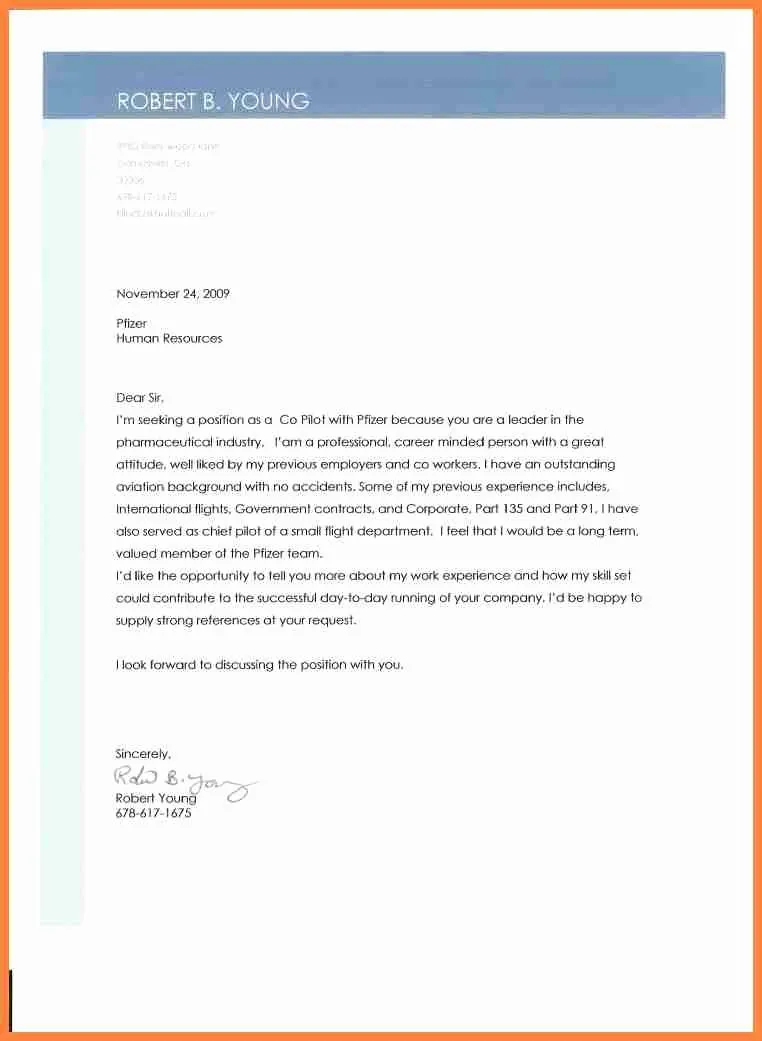
Crafting Your Nurse Educator Cover Letter
A well-crafted cover letter is your first opportunity to make a strong impression on a potential employer. For a new nurse educator, the cover letter serves as a crucial introduction, showcasing your skills, experience, and passion for nursing education. It’s not just a formality; it’s a chance to highlight why you’re the ideal candidate for the position. In a competitive job market, a compelling cover letter can significantly increase your chances of landing an interview. This guide will walk you through the essential elements of a nurse educator cover letter, providing tips and examples to help you create a document that stands out.
Essential Elements of a Strong Cover Letter
Every cover letter should include fundamental components. These elements work together to create a cohesive and professional document. These include your contact information, the date, the employer’s contact details, a professional salutation, and a clearly stated objective or purpose. Beyond these basics, the content must focus on highlighting your relevant qualifications and skills, showcasing your experience, and demonstrating your passion for nursing education. Careful structuring, formatting, and proofreading are essential to ensure your letter is polished and error-free. A cover letter that effectively incorporates these elements is much more likely to capture the hiring manager’s attention and make a positive first impression.
Your Contact Information

Start with your contact information at the top of the letter. Include your full name, phone number, professional email address, and optionally, your LinkedIn profile URL. This ensures the employer can easily reach you. Make sure your email address is professional; avoid using nicknames or informal language. Ensure the information is accurate and up-to-date to prevent any communication issues.
The Date
Below your contact information, add the date you are sending the letter. This helps in record-keeping and provides context for when you applied for the position. Use a standard date format (e.g., Month Day, Year).
Employer’s Contact Information
If possible, address your letter to a specific person, such as the hiring manager or the director of nursing education. Find this information through the job posting or the organization’s website. If you cannot find a specific name, use a general title like “Hiring Manager.” Include the employer’s name, the department (if applicable), and the address.
The Salutation

Use a professional salutation. If you know the hiring manager’s name, use “Dear Mr./Ms./Dr. [Last Name].” If the name is unavailable, opt for “Dear Hiring Manager” or “Dear [Department Name] Team.” Avoid generic greetings like “To Whom It May Concern,” which can appear impersonal. Maintain a formal and respectful tone throughout the salutation.
Highlighting Your Qualifications & Skills
The body of your cover letter should focus on the qualifications and skills that make you an ideal candidate for the nurse educator position. Begin by clearly stating the position you are applying for and where you saw the job posting. Then, provide a brief overview of your nursing background and education. Emphasize skills relevant to nursing education, such as clinical expertise, teaching abilities, curriculum development experience, and any certifications (e.g., Nurse Educator Certification). Use specific examples to demonstrate how you have applied these skills in previous roles, and quantify your achievements whenever possible.
Showcasing Relevant Experience
Describe your previous nursing experience and how it has prepared you for the educator role. Highlight clinical experiences that have provided you with a strong foundation in patient care, critical thinking, and clinical decision-making. If you have experience in a specific area of nursing, such as critical care, pediatrics, or mental health, mention it, as it could be a valuable asset for certain educator roles. Explain how your clinical experience has equipped you to teach effectively and share real-world knowledge with students. Use the STAR method (Situation, Task, Action, Result) to showcase your accomplishments and the positive impact of your work.
Emphasizing Teaching Experience

If you have any teaching experience, whether formal or informal, it’s critical to highlight it. This includes experience as a clinical instructor, preceptor, or volunteer teaching roles. Describe your teaching style, how you engage students, and any curriculum development work you have done. Mention specific teaching strategies you have used, such as simulations, case studies, or group projects. If you don’t have formal teaching experience, discuss any experience you have in mentoring, training, or presenting to groups. Highlight any positive feedback you’ve received from students or colleagues to demonstrate your effectiveness as an educator.
Quantifying Achievements
Whenever possible, quantify your achievements to demonstrate your impact. Use numbers and data to illustrate the results of your work. For example, instead of saying “Improved patient outcomes,” say “Improved patient outcomes by 15% through the implementation of a new care protocol.” If you developed educational materials, mention the number of learners who used them or the positive feedback received. By using numbers, you give the employer a clear understanding of your capabilities and the value you can bring to their organization. This approach makes your cover letter much more compelling and memorable.
Demonstrating Passion for Nursing Education
Employers want to hire nurse educators who are genuinely passionate about the profession. Your cover letter is an excellent opportunity to express your enthusiasm for nursing education and explain why you are drawn to the role. Share your philosophy of teaching, and how you view the role of a nurse educator. Reflect on what motivates you to teach and mentor future nurses. Connect your passion with the organization’s mission and values. Demonstrating a genuine commitment to nursing education will make you a standout candidate.
Expressing Your Enthusiasm

Show genuine enthusiasm for the position and the organization. Mention specific aspects of the job that excite you, such as the opportunity to develop innovative curriculum, mentor students, or work with a specific population. Research the organization and mention anything that resonates with you, such as their commitment to patient care, research, or community service. Express your desire to contribute to their mission and the positive impact you hope to make. This level of enthusiasm demonstrates that you are not just looking for a job but are truly invested in the organization and the nursing profession.
Mentioning Your Goals
Briefly mention your career goals and how this position aligns with them. Explain how you envision yourself growing as a nurse educator and contributing to the organization’s success. This shows the employer that you have a vision for your future and are committed to long-term professional development. Mention any specific skills you hope to develop or initiatives you want to be involved in. Align your goals with the organization’s objectives to show that your aspirations are in harmony with their priorities. This demonstrates foresight and initiative.
Structuring Your Cover Letter
The structure of your cover letter is as important as its content. A well-organized letter is easy to read and allows the employer to quickly grasp your qualifications and interest. Typically, a cover letter consists of an introduction, body paragraphs, and a conclusion. Ensure the structure is logical and that each section serves a specific purpose in conveying your message. Proper formatting, including the use of paragraphs, bullet points, and headings, helps to break up large blocks of text and makes your letter more visually appealing and easier to scan.
The Introduction: Grab Their Attention

Start your cover letter with a strong introduction that grabs the reader’s attention. Clearly state the position you are applying for and where you saw the job posting. Provide a brief overview of your nursing background and education. Immediately highlight your most relevant skills or experiences. This establishes your candidacy quickly and sets the tone for the rest of the letter. Make sure to tailor your introduction to the specific job description and the organization’s needs.
Body Paragraphs: Make Your Case
Use the body paragraphs to elaborate on your qualifications and skills. Each paragraph should focus on a specific aspect of your experience and how it aligns with the job requirements. Support your claims with concrete examples and quantify your achievements whenever possible. Use the STAR method (Situation, Task, Action, Result) to showcase your accomplishments. Emphasize your teaching experience, highlighting the strategies you’ve used to engage students and improve learning outcomes. Focus on the key requirements outlined in the job description, ensuring that you clearly demonstrate your fit for the role.
The Conclusion: Call to Action
End your cover letter with a strong conclusion that reiterates your interest in the position and includes a call to action. Thank the employer for their time and consideration. Reiterate your enthusiasm and confidence in your ability to contribute to the organization. Express your eagerness to discuss your qualifications further in an interview. Include a polite request for an interview and provide your contact information again. Sign off with a professional closing, such as “Sincerely” or “Respectfully,” followed by your typed name.
Formatting and Proofreading

Your cover letter’s formatting and proofreading are as crucial as its content. A well-formatted and error-free letter demonstrates your attention to detail and professionalism. Choose a readable font, use appropriate margins and spacing, and thoroughly proofread your letter for any errors in grammar, spelling, or punctuation. Make sure the layout is clean and easy to follow, avoiding clutter or visual distractions.
Choosing the Right Font and Font Size
Select a professional and easy-to-read font. Standard fonts like Times New Roman, Arial, Calibri, and Helvetica are generally recommended. Ensure that the font size is between 10 and 12 points for optimal readability. Avoid using overly decorative or unusual fonts, as they can distract from the content of your letter. Choose a font that is clean and professional, allowing the reader to focus on the information rather than the visual presentation.
Proofreading for Errors
Thoroughly proofread your cover letter for any errors in grammar, spelling, and punctuation. Errors can create a negative impression and undermine your credibility. Use a spell-checker and grammar-checker, but do not rely solely on these tools. Read your letter carefully multiple times, preferably aloud, to catch any mistakes. Ask a friend or colleague to review your letter for a fresh perspective. Ensure that all names, titles, and contact information are accurate. A polished and error-free cover letter shows that you care about details and are serious about the opportunity.
In conclusion, a compelling nurse educator cover letter is your key to securing an interview. By including essential elements like showcasing your qualifications, highlighting relevant experience, and expressing genuine enthusiasm, you increase your chances of standing out. Remember to structure your letter logically, and always proofread carefully. With a well-crafted cover letter, you can impress potential employers and take the first step toward your new career in nursing education. Good luck with your job search!