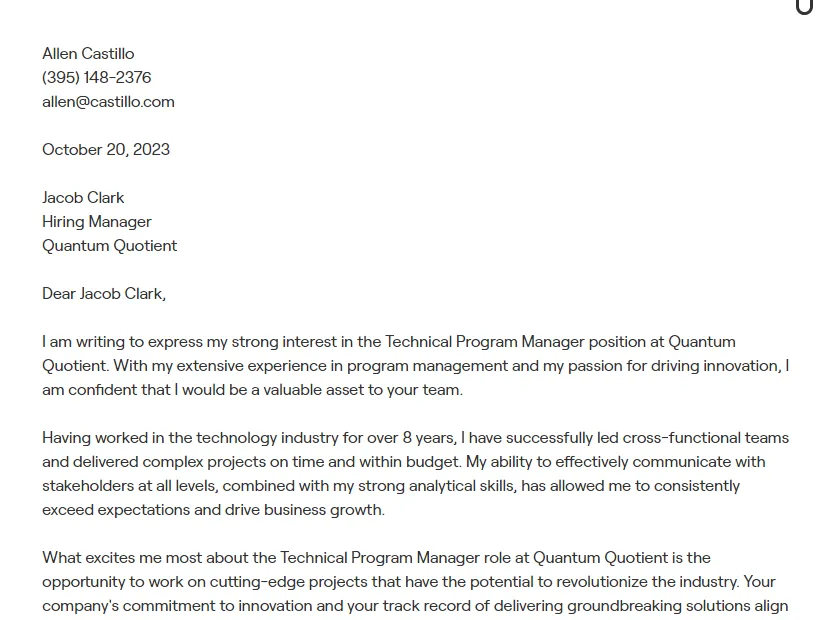
Program Manager Cover Letter Essentials
A program manager cover letter is a critical document in your job application. It serves as your first impression, allowing you to showcase your qualifications, skills, and enthusiasm for the program manager role. A well-crafted cover letter complements your resume, providing context and highlighting your most relevant accomplishments. This guide will provide insights into writing a compelling program manager cover letter that grabs the attention of hiring managers and increases your chances of landing an interview. Remember that tailoring your cover letter to each specific job application is crucial for demonstrating genuine interest and addressing the employer’s unique needs.
Understanding the Program Manager Role
Before you start writing, it’s crucial to understand the program manager role. Program managers oversee multiple related projects, coordinating efforts to achieve strategic goals. They are responsible for planning, executing, and closing programs while managing budgets, timelines, and resources. Their core focus is on the successful delivery of program outcomes, ensuring alignment with organizational objectives. A clear understanding of this role will enable you to write a targeted cover letter that effectively demonstrates your suitability for the position.
Key Responsibilities of a Program Manager

Program managers handle diverse responsibilities including developing program strategies, defining scope and objectives, creating detailed project plans, managing budgets and resources, identifying and mitigating risks, leading and motivating project teams, and communicating with stakeholders. They also monitor program progress, ensuring that deliverables are completed on time and within budget. A strong program manager consistently looks for opportunities for process improvement and optimization.
Skills Needed for Program Management
To be an effective program manager, you’ll need a combination of hard and soft skills. These include project management methodologies, risk management, financial management, stakeholder management, communication, leadership, problem-solving, and organizational skills. Proficiency in project management software is often expected. Highlighting these skills in your cover letter, with examples, demonstrates your ability to excel in the role. (program-manager-skills.webp)
Tailoring Your Cover Letter
A generic cover letter is unlikely to make a strong impression. The key to a successful program manager cover letter is tailoring it to the specific job and the company. Research the organization, understand their mission, and identify their needs. Carefully review the job description and identify the key requirements. Then, customize your letter to show how your skills and experience align with their specific needs and expectations. This approach demonstrates your genuine interest and commitment.
Formatting Your Program Manager Cover Letter

The format of your cover letter is as important as the content. A well-formatted letter is easy to read and makes a positive impression. Use a professional font such as Times New Roman, Arial, or Calibri. Maintain a consistent font size (11 or 12 points) and use single spacing within paragraphs and a line space between paragraphs. Keep your letter concise, ideally no more than one page. Use clear headings and subheadings to organize your content logically. (cover-letter-formatting.webp)
Contact Information and Salutations
Start your cover letter with your contact information, including your name, phone number, email address, and LinkedIn profile (optional). Following this, include the date and the hiring manager’s name and title (if known), and the company’s address. Use a formal salutation such as “Dear Mr./Ms. [Last Name]” or “Dear Hiring Manager,” if you cannot find the name. Addressing the letter to a specific person shows that you’ve done your research and pays attention to details.
Writing a Compelling Opening
The opening paragraph is your opportunity to grab the reader’s attention. Clearly state the position you are applying for and where you saw the job posting. Briefly introduce yourself and highlight your most relevant qualification or achievement. Express your enthusiasm for the position and the company. A strong opening creates a positive first impression and encourages the reader to continue reading your letter. This should be around 2-3 sentences max.
Highlighting Relevant Experience and Skills

In the body of your cover letter, provide specific examples of your experience and skills. Focus on the requirements listed in the job description. Use the STAR method (Situation, Task, Action, Result) to structure your responses. Describe the situation or challenge, the task you were assigned, the actions you took, and the results you achieved. Quantify your accomplishments whenever possible to demonstrate your impact. (highlight-experience.webp)
Quantifying Achievements with Metrics
Whenever possible, quantify your achievements. Instead of saying “Improved project efficiency,” say “Improved project efficiency by 15% by implementing agile methodologies.” Use numbers and data to demonstrate the impact of your contributions. Include percentages, dollar amounts, and other measurable results. Quantifiable achievements make your accomplishments more credible and demonstrate your ability to deliver tangible results.
Showcasing Leadership and Teamwork
Program managers must possess strong leadership and teamwork skills. In your cover letter, provide examples of how you’ve led and motivated teams, managed conflicts, and fostered collaboration. Describe your communication style and your ability to build relationships with stakeholders at all levels. Emphasize your ability to delegate tasks, provide constructive feedback, and create a positive and productive work environment. (leadership-skills.webp)
Concluding Your Cover Letter

In the concluding paragraph, restate your interest in the position and reiterate your key qualifications. Express your enthusiasm for the opportunity and thank the reader for their time and consideration. Include a call to action, such as inviting them to contact you for an interview or indicating your availability for a follow-up discussion. End with a professional closing, such as “Sincerely” or “Best regards,” followed by your typed name.
Review and Editing for Perfection
Once you’ve completed your cover letter, it’s essential to review and edit it carefully. Pay close attention to grammar, spelling, punctuation, and sentence structure. Ensure that your writing is clear, concise, and professional. Proofreading your cover letter multiple times can eliminate errors and improve the overall quality of your application. A polished cover letter reflects positively on your attention to detail.
Proofreading and Grammar Check
Use grammar and spell-check tools, but don’t rely on them completely. Proofread your cover letter carefully yourself, looking for any errors that the tools might miss. Read your cover letter aloud to identify awkward phrasing or sentences. Ask a friend or colleague to review your cover letter and provide feedback. Ensure that your cover letter is free of errors and presents you in the best possible light. (proofreading-cover-letter.webp)
Seeking Feedback
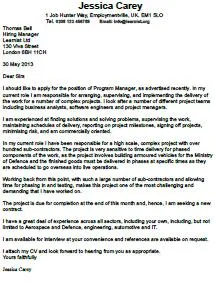
Before submitting your cover letter, ask a trusted friend, mentor, or career counselor to review it and provide feedback. They can offer a fresh perspective on your writing and help you identify any areas for improvement. Be open to their suggestions and make revisions as needed. Seeking feedback can significantly improve the effectiveness of your cover letter and increase your chances of success. A second pair of eyes can catch errors you might have missed.