Understanding the Promotion Cover Letter
A promotion cover letter is a crucial document when you’re seeking advancement within your current company. It serves as your formal introduction to the hiring manager or decision-makers, allowing you to express your interest in a specific role and demonstrate why you’re the ideal candidate. Unlike a general job application, an internal promotion cover letter leverages your existing knowledge of the company, your established relationships, and your proven track record to make a compelling case for your promotion. The primary goal is to persuade the reader that you possess not only the necessary skills and experience but also the dedication and commitment to excel in the new role, contributing significantly to the company’s success. This guide will provide you with the necessary steps to create a winning cover letter.
Why is a Promotion Cover Letter Important?
While your internal reputation and performance reviews speak volumes, a promotion cover letter offers a structured platform to highlight your suitability for the new role. It provides an opportunity to articulate your understanding of the position’s responsibilities, connect your past achievements to the new role’s requirements, and express your vision for success within the company’s future. A well-crafted cover letter shows your genuine interest, professionalism, and initiative, setting you apart from other internal candidates. Furthermore, it gives you the space to address any potential gaps in your experience and showcase your commitment to continuous learning and development. By tailoring your letter to the specific promotion, you demonstrate a level of dedication that goes beyond simply applying for a job; you’re actively investing in your career within the organization.
Key Components of a Promotion Cover Letter

A compelling promotion cover letter consists of several key components, each contributing to the overall strength of your application. From a professional header to a strong closing statement, every element plays a vital role in conveying your qualifications and enthusiasm. This section breaks down the essential parts, providing insights into how to effectively structure your letter for maximum impact. Pay close attention to the details, as they can significantly influence the impression you make on the hiring manager. Remember that clarity, conciseness, and a focus on your value proposition are key to success in this process. Proper formatting and organization helps ensure your letter is easily read and understood.
Header and Contact Information
Begin your cover letter with a professional header that includes your full name, contact information (phone number and email address), and the date. If the company has a specific format for internal correspondence, adhere to it. Ensure your email address is professional and reflects your name. This header provides the essential information needed for the hiring manager to contact you easily. Consistency in formatting is crucial to present a polished and organized document. Double-check that all details are correct before submission, as errors here can create a negative first impression. Consider including your LinkedIn profile URL if it is up-to-date. Remember that the header sets the tone for the entire letter, demonstrating your attention to detail and professionalism.
The Greeting and Addressing the Hiring Manager
Address the hiring manager by name whenever possible. Research to find the correct person; this shows initiative and attention to detail. If you can’t find a specific name, using a generic greeting like “Dear Hiring Manager” is acceptable, but it’s less personal. Using the correct name establishes a connection right away and shows that you’ve taken the time to personalize your application. If you have an established relationship with the hiring manager, reflect that in your greeting, but maintain a professional tone. The greeting sets the stage for the rest of the letter and can influence the reader’s perception of you. Ensure the title and name are accurate.
Highlighting Your Qualifications and Achievements

This is the heart of your cover letter. Use specific examples to showcase how your skills and experiences align with the new role’s requirements. Instead of simply listing your responsibilities, focus on your accomplishments and the value you brought to the company in your previous roles. Consider what you have achieved that has benefited the company. This could include increased sales, improved efficiency, successful project completions, or positive feedback from clients or colleagues. Use the STAR method (Situation, Task, Action, Result) to structure your examples, making them clear, concise, and impactful. Tailor your accomplishments to match the job description, emphasizing the most relevant skills and achievements.
Quantify Your Accomplishments
Whenever possible, quantify your achievements to demonstrate their impact. Use numbers and data to provide concrete evidence of your success. Instead of saying “Improved customer satisfaction,” say “Increased customer satisfaction scores by 15% within six months.” Quantifiable results are much more persuasive. This data adds credibility and makes your achievements more memorable. Examples of metrics could include revenue growth, cost savings, project completion rates, or customer satisfaction scores. Use specific figures and avoid vague statements. Quantifying your accomplishments also makes it easier for the hiring manager to assess your value.
Showcase Your Skills and Experience
Clearly outline the skills and experience that make you a strong candidate for the promotion. Refer to the job description and match your skills to the requirements listed. Include both hard skills (technical skills, software proficiency) and soft skills (communication, leadership, problem-solving). Provide specific examples of how you’ve utilized these skills in past roles to achieve results. Focus on the skills that align with the new role and demonstrate your ability to perform the job effectively. If applicable, mention any training or certifications you have acquired. Show that you possess the right combination of skills, making you a well-rounded candidate.
Demonstrating Your Knowledge of the Role and Company
Show that you understand the new role’s responsibilities and the challenges it presents. Research the position thoroughly, and explain how your skills and experience align with the job requirements. Also, demonstrate your understanding of the company’s goals, values, and recent initiatives. Show you have a good comprehension of the role. Explain how your skills fit the role’s needs. Highlight any internal projects or company-specific experiences that make you uniquely qualified. Tailor your letter to the specific role, using keywords from the job description. This shows you’ve invested time and effort and understand the importance of the position.
Expressing Your Enthusiasm and Interest
Clearly state your interest in the promotion and express your enthusiasm for the opportunity. Explain why you are excited about the role and how it aligns with your career goals. Show a genuine interest in the company’s success and how you plan to contribute. Expressing your enthusiasm is vital, as it demonstrates your commitment and dedication. This can be accomplished by discussing why you are seeking the promotion and how the new role aligns with your professional development. The letter should convey your genuine desire to contribute to the company’s future success. Ensure your enthusiasm is authentic and reflects your passion for the work.
Closing the Letter and Call to Action
Conclude your letter with a strong closing statement that summarizes your interest in the promotion and reiterates your qualifications. Thank the hiring manager for their time and consideration. Include a clear call to action, such as requesting an interview. Make it easy for the hiring manager to take the next step. This is a polite and professional way to end the letter. Include your contact information again and reiterate your availability for an interview. This ensures they know how to contact you and that you’re eager to proceed. The call to action should be specific and clear, such as “I am eager to discuss my qualifications further in an interview.”
Formatting and Proofreading Your Cover Letter

Ensure your cover letter is well-formatted, easy to read, and free of errors. Use a professional font, such as Times New Roman or Arial, and maintain consistent formatting throughout the document. Proofread your letter carefully for any grammatical errors, spelling mistakes, or typos. Consider having a colleague or friend review your letter for an additional perspective. A well-formatted and error-free cover letter demonstrates your attention to detail and professionalism. Ensure the formatting is clean and consistent to enhance readability. Multiple proofreads will help catch any mistakes you might have missed. Before submitting your cover letter, verify that all contact information is correct.
Formatting Guidelines
Use a professional font (e.g., Times New Roman, Arial) and a font size between 10 and 12 points. Maintain consistent spacing throughout the document. Use standard margins (1 inch on all sides). Use clear headings and subheadings to organize your content. Keep paragraphs concise and easy to read. The structure of your cover letter should include a header, a greeting, an introduction, body paragraphs that highlight your qualifications and accomplishments, a conclusion, and a closing. Ensure the document is visually appealing and easy to navigate. Proper formatting enhances readability and makes your cover letter more effective.
Proofreading for Errors
Proofread your cover letter meticulously for any grammatical errors, spelling mistakes, and typos. Use a spell-checker, but don’t rely on it entirely. Read your letter aloud to catch any awkward phrasing or sentences. Have a friend or colleague review your letter to provide a fresh perspective and catch any errors you might have missed. Ensure all names, titles, and dates are correct. A well-proofread cover letter demonstrates your attention to detail and professionalism. Proofreading is an essential step to make a positive impression. Don’t rely solely on automated tools; human review is often necessary to spot nuanced errors.
Examples of Promotion Cover Letters

Reviewing examples of successful promotion cover letters can provide valuable insight into structure, content, and tone. These examples can serve as a guide, helping you craft a compelling letter that highlights your qualifications and expresses your enthusiasm for the new role. Consider how the examples showcase achievements, quantify results, and align skills with the job description. Pay attention to the language used and the overall format. Adapt the examples to fit your specific situation, and use them as a starting point to create a personalized cover letter. Tailor these examples to your needs and remember that your letter should be unique and reflective of your experience.
Example Cover Letter 1
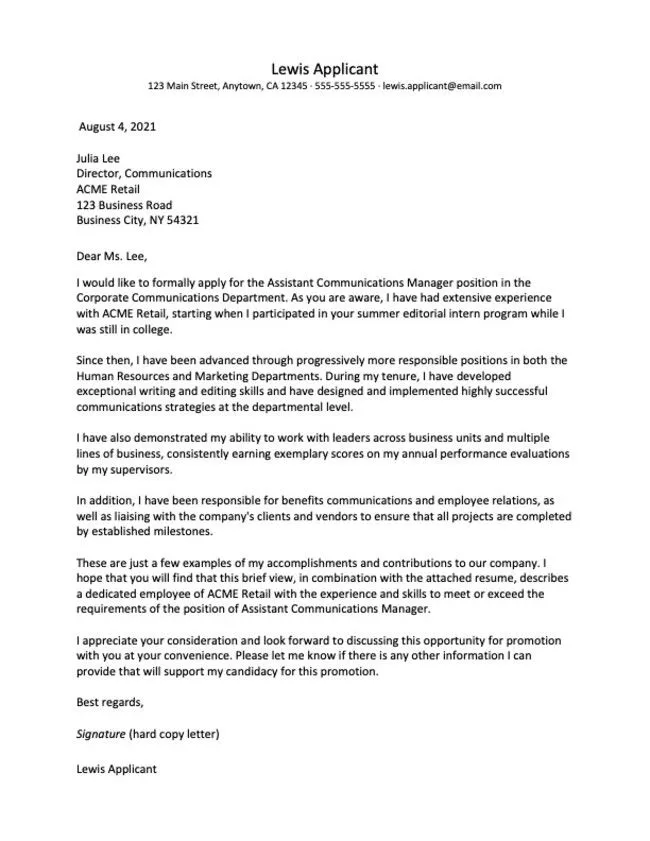
This example shows how to highlight accomplishments in a clear and concise manner. It includes a strong opening that expresses interest in the role, body paragraphs that quantify achievements, and a closing with a call to action. The letter is tailored to a specific job description and demonstrates a deep understanding of the company’s goals. It showcases leadership skills and a proactive approach to achieving results. This example provides a clear roadmap for candidates aiming to elevate their career within the organization. It is a good reference point for individuals seeking to showcase their capabilities.
Example Cover Letter 2
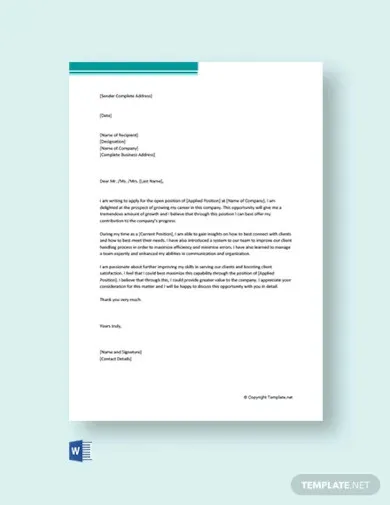
This example focuses on showcasing a candidate’s skills and experiences, emphasizing alignment with the job description. The letter highlights key achievements and provides quantifiable results that demonstrate the candidate’s value to the company. It presents a strong statement of interest and enthusiasm for the new role. The format is easy to follow, with clear headings and concise paragraphs. This example illustrates how to effectively communicate the candidate’s suitability for promotion. It offers a practical guide for writing a letter that is specific and tailored.
Tips for a Successful Promotion Application

To increase your chances of success, follow these tips. Tailor your cover letter to each specific job. Showcase your achievements and quantify results. Express your enthusiasm for the new role and the company. Highlight relevant skills and experiences that align with the job requirements. Proofread your cover letter carefully before submitting. Consider seeking feedback from a trusted colleague. Prepare for an interview and be ready to discuss your qualifications and achievements. These suggestions will help you improve your overall application and present yourself in a favorable light. These practical tips will give you an edge in the internal promotion process.
Tailoring Your Cover Letter
Do not use a generic cover letter; customize each application to match the specific job requirements. Review the job description carefully and highlight the skills and experiences that align with the role. Focus on the aspects of your background that are most relevant to the position. Tailoring your cover letter shows the hiring manager that you have taken the time to understand the job and are a great fit. This will improve the impact and your chances of success. Use keywords from the job description in your cover letter to optimize it. By personalizing your cover letter, you demonstrate a commitment to the role and the company. (Image of tailoring-cover-letter)
Following Up on Your Application
After submitting your cover letter and resume, follow up with the hiring manager or HR department to express your continued interest. Send a brief email or make a phone call a week or two after submitting your application. Express your gratitude for the opportunity and reiterate your enthusiasm for the promotion. This follow-up will help you stay top of mind. Be professional and show your initiative. It shows that you’re serious about the position and committed to the company. A thoughtful follow-up can make a lasting impression. (Image of follow-up-application)