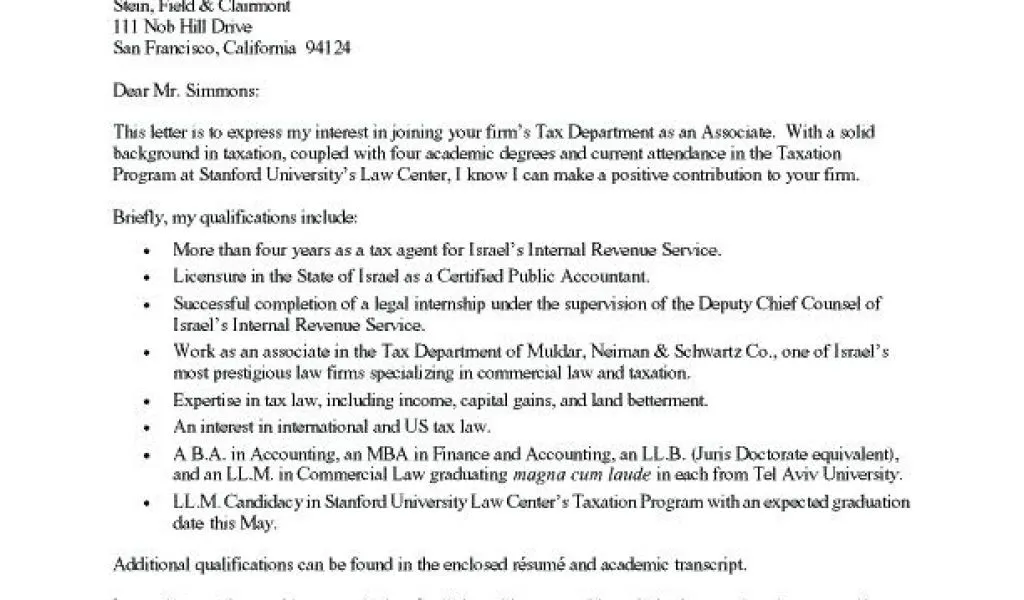
The Great Resume Stapling Debate
The seemingly simple act of stapling a cover letter to your resume has become a surprisingly contentious issue in the world of job applications. While it might seem like a minor detail, the decision to staple or not to staple can be influenced by a variety of factors, ranging from traditional etiquette to the demands of modern technology. This article will delve into the top 5 facts you need to know about stapling your resume and cover letter to navigate the job application process with confidence. Understanding these nuances can help you make informed decisions that align with best practices and increase your chances of landing your dream job. So, let’s unravel the mysteries surrounding this seemingly small detail.
Fact 1 Separating Resume and Cover Letter
The traditional approach has often favored separating the cover letter and resume. This allows the hiring manager to easily review each document independently. This separation can be particularly useful for those reviewing physical copies of applications, making it easier to read each document without having to un-staple or rearrange pages. Some experts believe that separating the documents projects an image of professionalism and respect for the reviewer’s time. It presents each document as a distinct entity, allowing the employer to focus on the specific information each provides, such as your skills, experiences, and how they align with the job description. This approach emphasizes clarity and ease of review, which are crucial in a competitive job market where recruiters often have limited time to evaluate candidates.
Why It Matters Separating

Separating documents allows for easier handling and distribution within a company. If the hiring manager wants to share your resume with other members of the team, they can easily do so without the cover letter being attached. It also facilitates the digital scanning and archiving of documents, which is a common practice in many organizations. This is important because it shows respect for the reviewer and promotes the efficient management of application materials. Ultimately, the goal is to make it as easy as possible for the employer to assess your qualifications and consider you for the role.
Fact 2 Paper Quality Considerations
The quality of the paper you use for your resume and cover letter is another critical factor. Using high-quality paper can make a positive impression, suggesting attention to detail and professionalism. If you choose to staple the documents together, the paper’s weight and texture can affect the overall appearance. Heavier paper stock may be more resistant to bending and creasing, which can be beneficial if the documents will be handled frequently. Furthermore, the type of paper can influence the way ink absorbs, affecting readability. Therefore, selecting the right paper stock helps ensure your application leaves a polished impression.
Why Paper Quality is Important
Poor paper quality can reflect negatively on your attention to detail. Cheap or flimsy paper can easily get damaged during handling and shipping, potentially leading to a negative first impression. Using a professional-grade paper is an investment in your brand, subtly communicating your commitment to excellence. It shows that you take the application process seriously. This small detail can subtly influence how a hiring manager perceives your overall profile, leading to a more favorable outcome. Ultimately, the paper choice is a reflection of the overall presentation of your application.
Fact 3 The Digital Age

In our increasingly digital world, many job applications are submitted electronically. When applying online, the question of stapling becomes irrelevant. Instead, you’ll typically upload your resume and cover letter as separate files, usually in PDF format. This ensures the formatting remains consistent regardless of the recipient’s device or operating system. When sending applications via email, it is also common to attach your resume and cover letter as individual documents. This approach is widely accepted and is often preferred as it allows recruiters to easily download and review each document. Adapting to digital application methods is essential for any job seeker to increase the efficiency and professionalism of their application.
Email Submissions
For email submissions, always follow the instructions provided by the employer. If they don’t specify how to submit, it’s generally best to attach the documents separately. Make sure the file names are clear and include your name and the document type (e.g., “JohnDoe_Resume.pdf”, “JohnDoe_CoverLetter.pdf”). This ensures that the recruiter can easily identify each document and organize their records efficiently. This approach reflects professionalism and attention to detail, which can significantly improve your chances of getting noticed and considered for the position.
Online Applications
Most online application portals require you to upload your resume and cover letter separately. These systems often use Applicant Tracking Systems (ATS) to scan and parse your information. Ensure that your documents are formatted to be ATS-friendly to maximize your chances of passing through these systems successfully. Uploading documents in PDF format is almost always the recommended option, as it preserves formatting and prevents any compatibility issues. In online application, following specific instructions ensures that your application is properly reviewed and considered.
Fact 4 Applicant Tracking Systems (ATS)

Applicant Tracking Systems (ATS) are software used by employers to manage the recruitment process. These systems scan resumes for keywords and other information. The way you format your documents can significantly affect whether they are read correctly by these systems. Stapling your documents together can sometimes interfere with the ATS parsing process. It can lead to formatting errors or even prevent the system from accurately extracting your information. To make your application ATS-friendly, it’s usually best to submit your resume and cover letter as separate documents.
Understanding ATS Compatibility
When preparing your resume for ATS, use a clean, easy-to-read format. Avoid using tables, images, or complex formatting that the system might struggle to interpret. Ensure that your keywords are incorporated naturally within your resume. Optimize your resume for the specific job you are applying for by tailoring keywords from the job description. Providing separate documents ensures that all relevant information is easily parsed and accurately evaluated by the ATS, increasing your likelihood of being noticed by the hiring manager. This approach ensures your skills and experience are properly highlighted and considered.
Fact 5 Personal Preference and Employer Guidelines
Ultimately, the best approach often depends on the specific instructions provided by the employer or the personal preferences of the hiring manager. Some employers may explicitly state whether they want the resume and cover letter stapled, while others may not provide any guidance. In the absence of specific instructions, it’s generally safer to err on the side of caution and separate the documents. This gives the recruiter the flexibility to handle the documents as they see fit. When the instructions are clear, adhering to the guidelines shows that you pay attention to detail, a quality valued by any employer.
When in Doubt Always Check Instructions

Always read the job posting and any application instructions carefully. These instructions will often provide clear guidance on how to submit your resume and cover letter. If the instructions state to staple the documents, then do so. If the instructions say to submit them separately, follow that guidance. If no instructions are given, it’s usually best to err on the side of separating the documents. Failing to follow these instructions could be seen as a lack of attention to detail, which could negatively impact your chances of landing an interview. If you are still unsure, you can search for the company’s application guidelines online.
In conclusion, while the debate over whether to staple your resume and cover letter continues, the key takeaway is to prioritize clarity, professionalism, and following specific employer instructions. In the digital age, separating documents is often the safest approach, especially when submitting applications online or via email. Understanding these guidelines and adapting your approach to the specific situation ensures you present yourself as a well-prepared and detail-oriented candidate. By considering these facts, you can confidently navigate the job application process and increase your chances of making a positive impression.