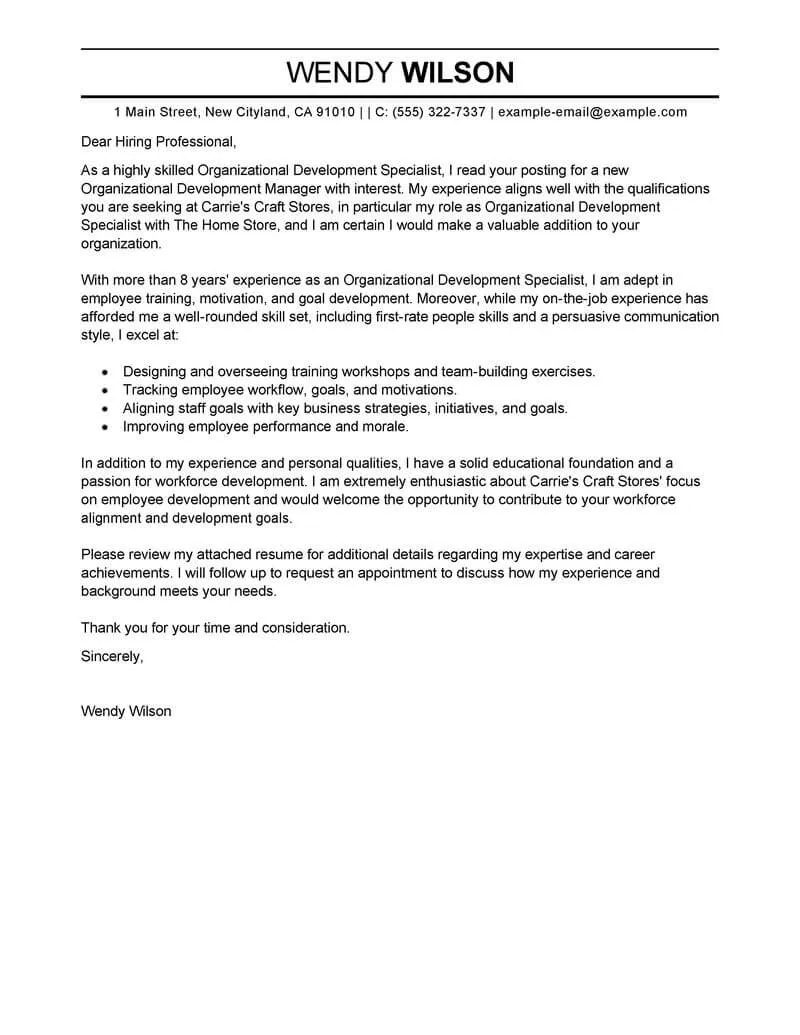
Understand the Importance of Resume Cover Letter Management
In the competitive landscape of job applications, effective resume cover letter management is no longer optional; it’s essential. Many job seekers underestimate the impact of a well-managed cover letter strategy. A disorganized approach can lead to missed opportunities, generic applications, and ultimately, a lower chance of landing your dream job. Your cover letter is your first impression, your chance to make a compelling case for your candidacy. Effective management ensures each letter is tailored, timely, and targeted, significantly boosting your chances of success. Neglecting this crucial aspect means you might be losing out on interviews and career advancement. A systematic approach highlights your professionalism and attention to detail, qualities that employers highly value. Mastering resume cover letter management is an investment in your future, a way to control the narrative of your career and maximize your potential.
Organizing Your Cover Letters
The first step in successful resume cover letter management involves organizing your documents. This means creating a system that allows you to easily find, review, and update your cover letters. This includes establishing clear naming conventions and folder structures. The lack of proper organization can quickly lead to confusion, wasted time, and the risk of sending the wrong cover letter. Establishing a robust organizational system is the foundation upon which all other management strategies are built. It ensures efficiency, accuracy, and professionalism in your job application process. A well-organized system allows you to quickly adapt your letters to specific job requirements and makes it simple to track your application history. Furthermore, it provides a central location for you to store all your documents, readily accessible when needed.
Creating a Centralized System

A centralized system for your cover letters is a non-negotiable aspect of effective management. This could be a dedicated folder on your computer, a cloud-based storage solution, or a combination of both. The goal is to have a single, easily navigable location where all your documents are stored, ensuring you never misplace a cover letter or send the wrong version. Consider a structure that reflects job titles, companies, and dates to ensure quick retrieval. A well-structured system reduces the stress of the job search. It streamlines the application process, allowing you to focus on the content rather than the logistics. Ensure that the system is easily searchable and accessible from any device you may use. This approach allows you to maintain control over your documents and quickly respond to opportunities. A centralized system provides a level of efficiency that is crucial in today’s fast-paced job market.
Utilizing Cloud Storage
Cloud storage offers significant advantages for managing your cover letters. Platforms like Google Drive, Dropbox, and OneDrive provide secure, accessible, and collaborative storage solutions. Using cloud storage, your cover letters are always accessible from any device with an internet connection. Cloud storage also offers version history, allowing you to revert to previous versions if necessary, preventing any accidental data loss. Furthermore, cloud storage facilitates easy sharing of your documents with career advisors or other stakeholders. Security features are designed to protect your documents, ensuring the safety of your personal information. Cloud storage simplifies the management process, increasing productivity and ensuring that your cover letters are always available when needed. Embrace cloud storage for its flexibility, security, and collaborative features.
Managing Different Versions
As you tailor your cover letters to various job applications, managing multiple versions becomes essential. Keeping track of these versions is vital to avoid confusion and ensure you send the right letter for each opportunity. Consider using a clear and consistent naming convention that includes the company name, job title, and date. This simple practice can save considerable time and prevent mistakes. Without proper version control, you risk sending a generic cover letter that doesn’t align with the specific job requirements, diminishing your chances of landing an interview. Effective version management is a sign of professionalism and attention to detail. This demonstrates your ability to handle multiple projects and ensures that each application presents you in the best possible light. Taking these extra steps helps you make a positive first impression on potential employers.
Using Version Control Software

For those seeking a more sophisticated approach, version control software, such as specialized software tools, can be incredibly beneficial. These programs automatically track changes, allow you to revert to previous versions, and provide a comprehensive history of your edits. Using version control ensures you have a clear record of the changes you’ve made to each cover letter, making it easy to see how you’ve adapted your message for different roles. This is particularly helpful if you apply for multiple positions at the same company or need to revisit an older application. Furthermore, version control software allows for seamless collaboration, helping you receive and incorporate feedback from career advisors or mentors. These tools automate a significant amount of the version management process, saving you time and providing confidence in the accuracy of your documents.
Tracking Applications and Correspondence
Keeping track of where you’ve applied and the status of your applications is critical for staying organized and avoiding confusion. This is essential for knowing what letters you have sent out, when you sent them, and what companies you have contacted. This system not only helps you monitor your progress but also allows you to follow up effectively. Without a proper tracking system, it’s easy to lose track of applications, miss deadlines, and appear disorganized to potential employers. A tracking system makes it easier to manage your job search efforts and provide a framework for your future strategy. Being organized and showing you understand the status of each application proves to potential employers you’re serious about your career goals.
Creating a Spreadsheet
A simple spreadsheet can be a powerful tool for tracking your cover letters and applications. Include columns for the company name, job title, date of application, the specific cover letter used, and the status (e.g., applied, interview scheduled, rejected). Additional columns can note any follow-up actions taken, and the date of any communications. This offers a clear overview of your application activity and provides all the information you need in one place. A spreadsheet is easy to set up, fully customizable to your needs, and easily accessible. Regular updates to this spreadsheet guarantee accuracy, helping you stay organized and manage your job search efforts more effectively. Your tracking tool gives you the ability to analyze trends and fine-tune your application approach as needed. A spreadsheet offers a low-tech but highly effective way to manage your application process.
Using a CRM System

For a more advanced approach, consider using a Customer Relationship Management (CRM) system. CRM systems are designed to manage interactions with potential employers and job opportunities. These systems can track applications, schedule follow-ups, and store detailed information about each opportunity. A CRM system gives you enhanced features, like the ability to set reminders, integrate with your email, and track communications. They can also offer analytics on your job search activities, highlighting areas for improvement. Using a CRM system can provide a significant advantage in your job search. A CRM helps you remain organized, track your progress, and create a more professional image with employers. These systems give you the ability to manage all aspects of your job search, which makes the application process much more organized.
Regular Review and Updates
To keep your resume and cover letter effective, regular review and updates are critical. The job market changes, and so should your approach. This involves reviewing your documents periodically to make sure your content is fresh, accurate, and relevant to your goals. An outdated cover letter, with stale information, will not represent you well. Continuous assessment helps ensure your documents accurately reflect your skills and experience, aligning with the latest industry standards. Regular reviews also allow you to incorporate feedback from mentors, career advisors, or trusted friends, refining your message for maximum impact. A proactive approach to maintaining your cover letter ensures your job applications are always current and competitive. This constant evolution shows your commitment to career development and gives you an edge over those who take a passive approach.
Scheduling Regular Reviews
To stay on top of your cover letter management, schedule regular review sessions. This might be monthly, quarterly, or whenever you plan to apply for jobs. During these sessions, review all your cover letters, ensuring each one aligns with your current resume, skills, and career goals. Check that your contact information is correct and that your skills and accomplishments are up-to-date. Also, make adjustments based on the kind of jobs you are seeking and the current hiring trends in your industry. Consistency is key. Making regular review sessions a part of your routine ensures your cover letters remain effective. This also allows you to make small, incremental changes that keep your documents fresh and relevant, significantly increasing your chances of success.
Updating Based on Feedback

Seek and implement feedback. Share your cover letters with career advisors, mentors, or trusted friends. Their comments can give you valuable insights and help you refine your writing and presentation. Pay particular attention to any suggestions for improvement, such as clarity, conciseness, and impact. Incorporate this feedback into your cover letters and make iterative improvements over time. Feedback isn’t a sign of weakness; it is a chance to improve. By consistently refining your cover letters, you not only improve your chances of getting an interview but also improve your overall communication skills. Remember to take your time to consider each piece of feedback carefully and make revisions accordingly. Using feedback to make ongoing improvements will increase the effectiveness of your cover letters.
Maintaining Consistency
Maintaining consistency across your resume and cover letters is crucial. Your cover letter should echo the tone, style, and key information presented in your resume. This consistency reinforces your brand and strengthens your overall application. When a hiring manager sees a cohesive message across both documents, it signals professionalism and attention to detail. Inconsistent formatting, tone, or messaging can confuse readers and weaken your application. The consistency demonstrates your attention to detail, and signals you have a clear professional identity. Make sure your name, contact details, and skill sets are consistent across both documents. A consistent approach makes you look professional and makes it easier for the hiring manager to assess your qualifications quickly.
Branding and Tone
Establish a consistent brand and tone throughout your cover letters and resume. Your brand is the image you want to present to employers, including your values, skills, and personality. Your tone refers to the style of your writing. Make your writing style consistent across all job application materials, whether you’re aiming for a formal or more approachable tone. Make your writing style mirror your profession and industry. Make sure the language matches the role you are applying for. Consistency in your brand and tone creates a positive impression and helps employers get a sense of your personality. Creating a clear brand image makes your application stand out. It also makes it easier for hiring managers to understand who you are, and what you can bring to the table.
Customizing for Each Application

While maintaining overall consistency, it’s essential to customize each cover letter for the specific job and company you’re applying for. Generic cover letters are easily recognizable and often discarded. Take the time to carefully read the job description and tailor your cover letter to highlight the skills and experiences that match their needs. Research the company and demonstrate your knowledge of their mission, values, and recent projects. This effort communicates your genuine interest and increases your chances of success. By including details, you show that you have put effort into the application. In your customized cover letter, make it clear that your skills and expertise are directly relevant to the requirements of the job. Customization signals that you are serious about the opportunity and are willing to invest your time and energy to create a successful application.
Following Up
Following up is an important aspect of effective cover letter management. While not every application will warrant a follow-up, a strategic approach can boost your chances of success. Follow-up demonstrates your interest and professionalism. However, it must be done correctly to avoid appearing pushy or annoying. Proper follow-up is one more element that will demonstrate your commitment. A well-timed and well-crafted follow-up can remind the hiring manager of your application, and provides a second chance to showcase your qualifications. Make it an important part of your application strategy.
Setting Up a Follow-Up Schedule
Establish a clear schedule for your follow-ups. A reasonable timeframe is typically one to two weeks after submitting your application, unless the job posting specifies a different timeline. Use your application tracking system (spreadsheet or CRM) to note when you applied, and set a reminder for your follow-up. Avoid sending the follow-up too soon or too late. Follow-ups that are too early may appear eager, and those that are too late may signal a lack of interest. Timing your follow-up strategically shows that you are attentive and have a good understanding of proper workplace etiquette. A well-planned schedule will increase the effectiveness of your job search strategy. Your follow-up schedule shows you are persistent and professional.
Crafting Effective Follow-Up Emails

When crafting your follow-up emails, keep them brief, professional, and polite. Refer to the job title and company, and briefly reiterate your interest. Remind the reader of your qualifications, but avoid repeating the entire cover letter. Express your appreciation for their time and consideration. If possible, reference something specific from the job description or your initial application. If you haven’t heard back within a reasonable timeframe, this is a good opportunity to inquire about the status of your application. Use the opportunity to underscore your interest and availability. Remember to proofread your email for any typos or grammatical errors. Effective follow-up emails increase your chances of being noticed by the hiring manager. A well-crafted email enhances your overall professional image and strengthens your application.
Conclusion
Mastering resume cover letter management is an important investment in your career. By understanding its importance, organizing your documents, managing different versions, consistently updating your documents, and properly following up, you can greatly improve your chances of success in the job market. Remember that effective management is not only about efficiency, but also about professionalism and attention to detail. By using these strategies, you can present yourself in the best possible light and increase your chances of securing your dream job. Use these strategies to take control of your job search and set yourself up for success. The skills you learn in resume cover letter management will stay with you throughout your career, helping you to navigate challenges and to build a strong professional identity.