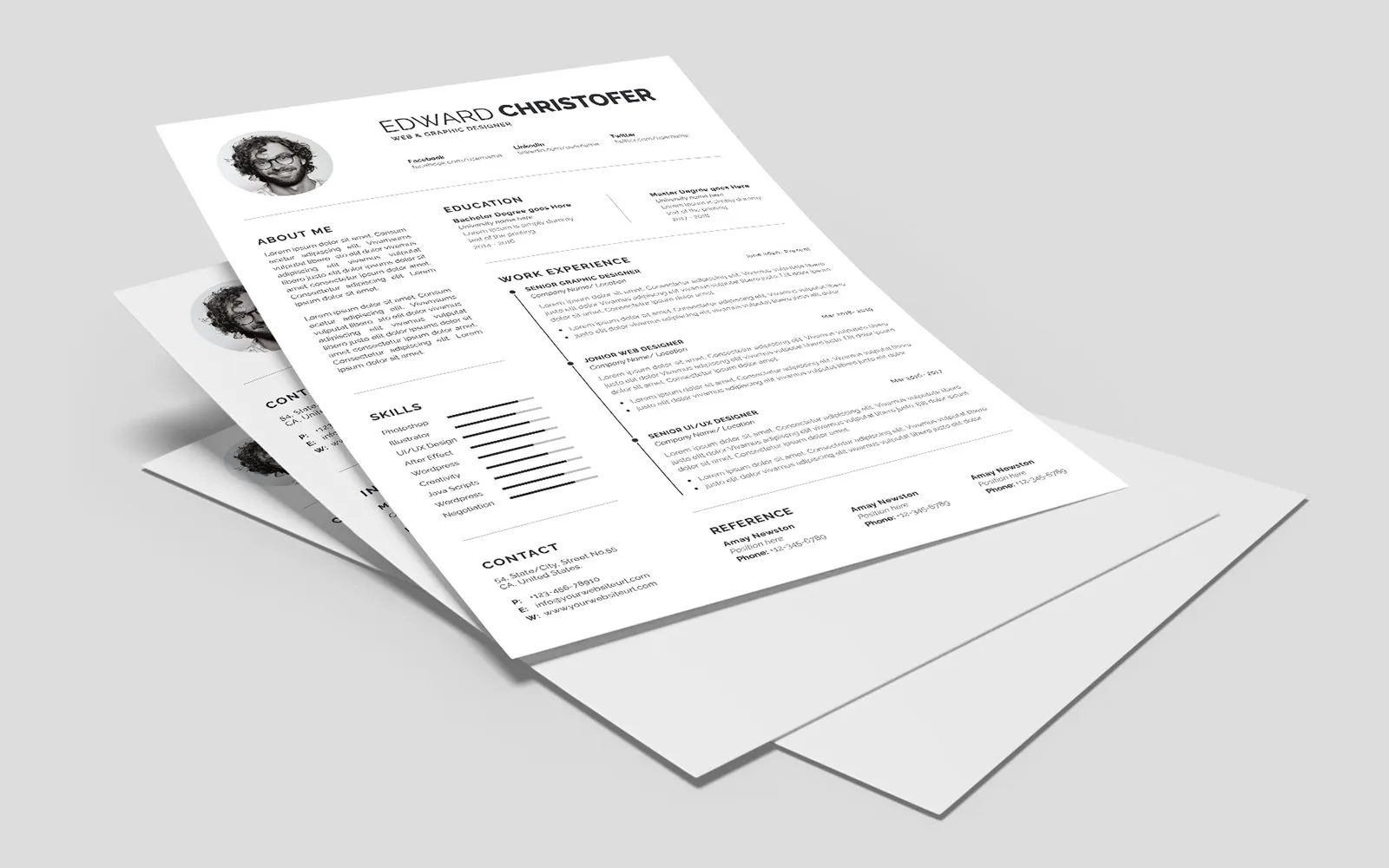
The Importance of Resume Formatting
Your resume is your first impression on potential employers. In today’s competitive job market, a well-formatted resume is crucial for making a positive impact and securing an interview. A clean, easy-to-read format not only presents your qualifications effectively but also demonstrates professionalism and attention to detail. Many applicant tracking systems (ATS) are used by employers to screen resumes, and a properly formatted resume increases the likelihood of your application being successfully processed. Failing to format your resume correctly may result in your application being overlooked, regardless of your experience or skills. Therefore, understanding resume formatting is essential for job seekers at all levels.
Tips for Choosing the Right Resume Format
Choosing the right resume format is a critical first step. Consider your professional experience, the industry you’re targeting, and the specific job requirements. There are several standard resume formats, each with its own strengths and weaknesses. The best format will highlight your most relevant skills and experiences and present them in a clear and concise manner. Review the job description carefully and tailor your format to match the employer’s expectations. It is also important to think about the ATS compatibility to avoid formatting issues that may lead to rejection.
Chronological Resume Format

The chronological resume format is the most common and traditional format. It emphasizes your work history, listing your jobs in reverse chronological order, starting with your most recent position. This format is ideal if you have a consistent work history and a clear career progression. It allows employers to easily see your career trajectory and the growth of your responsibilities over time. It’s also typically ATS-friendly, ensuring your application is easily scanned by the system.
When to Use the Chronological Format
Use the chronological format when you have a solid, continuous employment history and want to highlight your career growth. It is particularly effective if you have experience directly related to the job you are applying for. It’s also a good choice if you want to demonstrate that you have been working in the same field for a while. If you have few gaps in employment, this format is ideal as it shows a consistent work history. It is also easy to scan by most ATS, which means your resume is less likely to be rejected due to formatting issues.
Functional Resume Format
A functional resume format places emphasis on your skills and abilities rather than your work history. It highlights your key skills in specific categories, such as communication, leadership, or technical skills. This format is useful if you have gaps in your employment history, are changing careers, or have limited work experience. By focusing on your skills, you can showcase your capabilities even if your work history is not as extensive or directly relevant to the job you are applying for.
When to Use the Functional Format

Consider the functional format if you have significant gaps in your work history, such as if you have taken time off to raise a family or pursue other personal endeavors. It’s also a good choice if you are changing careers and want to emphasize your transferable skills. If your work history is less directly related to the job you are applying for, the functional format allows you to showcase your skills without necessarily focusing on job titles or specific dates. However, be aware that some employers may view functional resumes with suspicion, as they can sometimes be used to hide a lack of experience.
Combination Resume Format
The combination resume format blends elements of both chronological and functional formats. It starts by highlighting your key skills, followed by a chronological listing of your work history. This approach allows you to showcase both your skills and your career progression. This format is ideal for candidates with a diverse skill set and varied work experience. It’s also a good choice if you want to emphasize both your skills and your work history.
When to Use the Combination Format
The combination format is suitable if you want to highlight both your skills and your work history, particularly if you are applying for a job that requires a wide range of skills. If you are a seasoned professional with a diverse background, this format can showcase both your skills and your experience. It is also a good choice if you have a lot of relevant experience and skills that you want to present in a clear and organized manner. This format can give the hiring manager a good overview of your skills and work history.
Tips for Formatting Your Resume

Once you have chosen the right format, focus on creating a visually appealing and easy-to-read document. Use clear headings and subheadings to organize your information. Be consistent with your formatting throughout the document. Proofread carefully for any typos or grammatical errors. Use bullet points to highlight your accomplishments and responsibilities. Keep your resume concise, ideally within one to two pages. Tailor your resume to each job application by highlighting the most relevant skills and experiences.
Choosing the Right Font and Font Size
The font you choose can greatly affect readability. Opt for professional, easy-to-read fonts such as Arial, Calibri, or Times New Roman. Avoid overly stylized or decorative fonts that might be difficult for ATS to scan. Use a font size of 10-12 points for body text to ensure readability. Use a slightly larger font size for headings to make them stand out. Choose a font that is easy to read on screen as well as in print. This will ensure that your resume is accessible to everyone reviewing it.
Using White Space Effectively
White space is the empty space around text and elements on your resume. Using white space effectively can make your resume more visually appealing and easier to read. Ensure there’s sufficient space between sections, paragraphs, and bullet points. Avoid overcrowding your resume. A well-formatted resume is less likely to overwhelm the reader. Proper use of white space will make your resume look professional and organized. A cluttered resume can easily turn off the reader, while a clean and well-spaced resume will be easier to scan.
Formatting Your Cover Letter

A well-formatted cover letter complements your resume and offers an opportunity to expand on your qualifications. The format of your cover letter should align with professional standards. Use a clear and easy-to-read font, similar to what you use for your resume. Maintain consistent formatting throughout the document. Tailor your cover letter to each job application. Proofread carefully for any typos or grammatical errors. Formatting your cover letter correctly can increase your chances of being read and considered for a job.
Cover Letter Format Essentials
Your cover letter should include a professional header with your contact information. The body of your letter should be well-structured with an introduction, body paragraphs, and a conclusion. Address the hiring manager by name if possible, and tailor the content to the specific job and company. Use a professional tone throughout your letter. Your cover letter must also include your name, address, phone number, and email address, and date. It should be aligned to the left, single-spaced, and easy to read.
Cover Letter Formatting Tips
Keep your cover letter concise, ideally no more than one page. Use a clear font and consistent formatting. Use paragraphs to separate your ideas and make the content easier to digest. Proofread your cover letter carefully. Focus on the job description. Use keywords from the job description. Tailor your cover letter to the specific job and company. Always include a call to action, such as an invitation for an interview. By using the right cover letter format, you greatly increase your chances to impress.
How to Tailor Your Cover Letter to the Job

To tailor your cover letter, carefully review the job description and identify the key requirements. Highlight the skills and experiences that align with the job requirements. Use keywords from the job description throughout your cover letter. Demonstrate how your qualifications meet the needs of the employer. Personalize your cover letter to the company and the specific role. Use the right format to show how you are the right fit for the job.