Crafting a Winning Resume
Your resume is your first impression, the document that decides whether you get an interview or your application lands in the rejection pile. It’s a concise summary of your skills, experience, and achievements, tailored to the specific job you’re applying for. Crafting a winning resume requires more than just listing your previous jobs; it involves strategic thinking, careful wording, and a keen understanding of what recruiters are looking for. The goal is to showcase your value proposition and make it easy for the hiring manager to see why you’re the perfect fit. This section will dive into the key elements of resume building, ensuring your document stands out from the competition and gets you noticed.
Highlighting Your Skills and Experience
The skills and experience section is the heart of your resume. It’s where you demonstrate your capabilities and how you’ve applied them in past roles. Begin by creating a skills section, dividing your abilities into categories such as technical skills, soft skills, and industry-specific knowledge. This allows recruiters to quickly see your qualifications. When describing your experience, use the STAR method (Situation, Task, Action, Result) to provide context. For each role, detail the situation, the task you were assigned, the actions you took, and the measurable results you achieved. This approach provides concrete examples of your impact and proves your value to potential employers. Remember to tailor this section to each job description, emphasizing the skills and experiences that align with the requirements.
Quantify Your Achievements

Numbers speak louder than words. Quantifying your achievements makes your resume more impactful and provides concrete evidence of your contributions. Instead of saying “Managed social media campaigns,” specify “Increased social media engagement by 30% in six months.” Use metrics like percentages, dollar amounts, time saved, or number of projects completed. This approach helps recruiters understand the scope of your responsibilities and the value you brought to previous employers. Include specific data that demonstrates how you have positively impacted previous employers. This could include increased sales, cost savings, or successful project completion. The more specific you are, the more compelling your resume becomes, increasing your chances of securing an interview.
Use Action Verbs
Action verbs breathe life into your resume and showcase your proactive approach. Begin each bullet point with strong, dynamic verbs to describe your responsibilities and achievements. Instead of using passive language, opt for verbs that convey action and impact. For example, use ‘Managed,’ ‘Developed,’ ‘Implemented,’ or ‘Led’ instead of ‘Was responsible for’ or ‘Took care of.’ Action verbs highlight your skills and abilities, making your resume more engaging and easier to read. This helps recruiters quickly grasp your contributions and understand what you can bring to their team. Refer to job descriptions to incorporate industry-specific action verbs, as this demonstrates that you are in tune with the specific requirements of the job.
Resume Formatting Best Practices
The formatting of your resume is as important as the content. A well-formatted resume is easier to read, visually appealing, and makes a positive first impression. This section will cover crucial formatting elements to ensure your resume is professional and effective, helping you stand out from other candidates. Proper formatting ensures that your skills and experience are easily accessible to hiring managers, increasing the chances of your resume making a good impression.
Choosing the Right Font and Layout

Select a clear, professional font like Arial, Calibri, or Times New Roman in a readable size (10-12 points). Avoid overly decorative fonts that can be difficult to read. Maintain consistent formatting throughout the document, including consistent margins, spacing, and bullet points. A clean layout with ample white space makes your resume visually appealing and easier to scan. Organize your information logically, using clear headings and subheadings. Consider using a two-column layout for certain sections, but ensure readability on all devices. A well-structured layout guides the reader and helps them find key information quickly.
Optimizing Your Resume for Applicant Tracking Systems (ATS)
Many companies use Applicant Tracking Systems (ATS) to scan resumes for relevant keywords. To ensure your resume passes through these systems, it’s essential to optimize it. Understanding how ATS works and incorporating keywords is crucial for your application’s success.
Understanding ATS
Applicant Tracking Systems (ATS) are software programs used by employers to manage the hiring process. These systems scan resumes for keywords, skills, and qualifications to determine if a candidate is a good fit for a job. The ATS then ranks or filters candidates based on how well their resume matches the job description. Resumes that don’t meet a certain threshold may be automatically rejected, so understanding how ATS works is crucial. To succeed, you need to tailor your resume for each job application, ensuring your qualifications are aligned with the specific requirements. Avoid complex formatting and use a simple, clean layout, as some ATS may struggle with certain formats.
Keywords Optimization

Carefully review the job description and identify the keywords and phrases that are most important. Incorporate these keywords naturally throughout your resume, especially in the skills section, work experience descriptions, and summary/objective. Don’t simply stuff keywords into your resume; ensure they fit seamlessly and reflect your actual abilities. Use variations of keywords to capture different search terms. For example, if the job description mentions ‘project management,’ also include ‘project coordination’ and ‘project leadership’ if applicable. Make sure the keywords you use accurately reflect your skills and experience. This will increase your chances of passing the ATS and getting your resume reviewed by a hiring manager.
Writing a Compelling Cover Letter
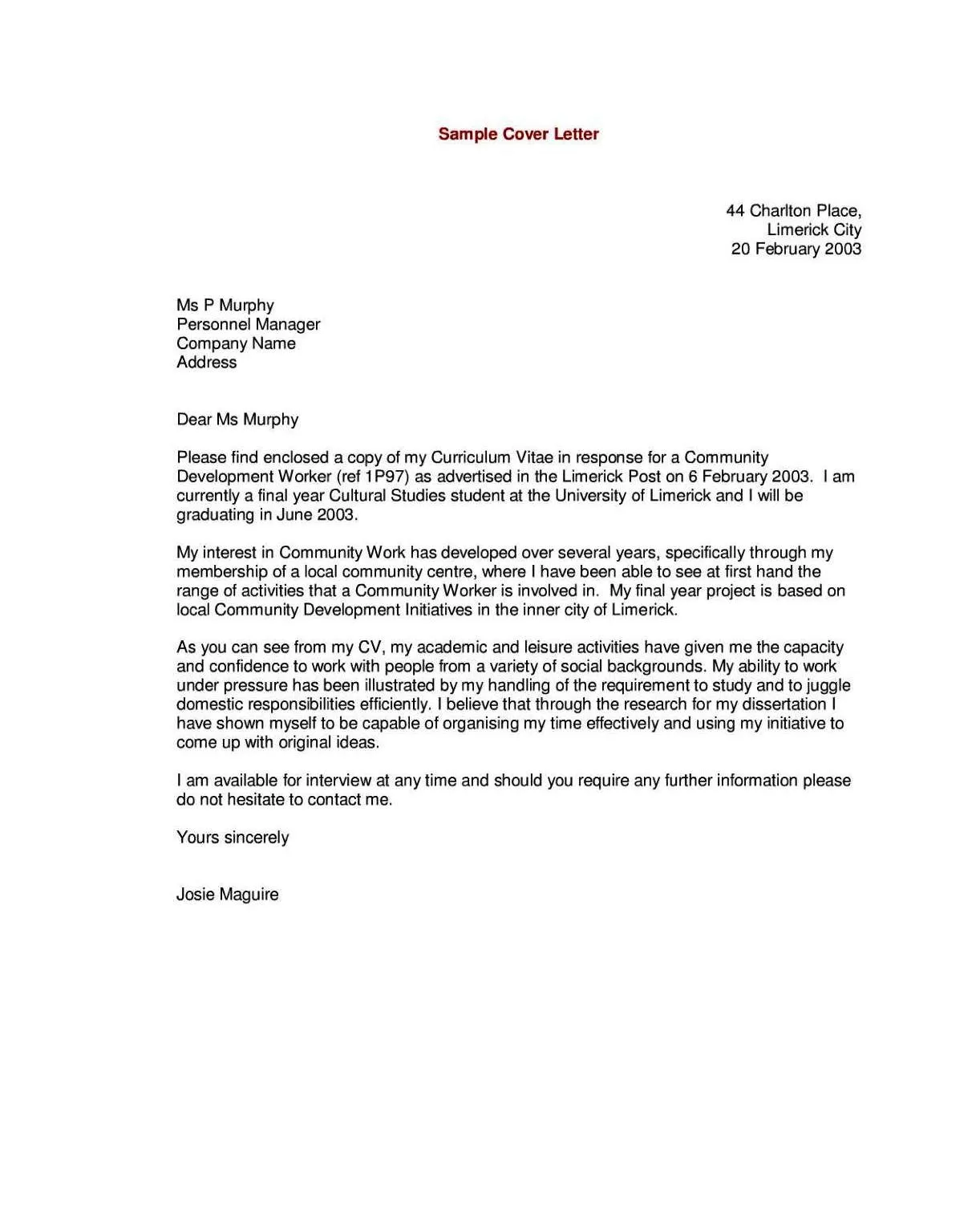
A cover letter is your opportunity to introduce yourself, highlight your relevant skills, and express your interest in a specific job. It’s a chance to show your personality and explain why you’re the best fit for the role. A well-written cover letter can significantly increase your chances of getting an interview, as it provides context to your resume and demonstrates your enthusiasm. This section will cover the key aspects of crafting a compelling cover letter that grabs the reader’s attention and gets you noticed.
Personalizing Your Cover Letter
Avoid using a generic, one-size-fits-all cover letter. Customize each cover letter to the specific job and company you’re applying for. Research the company, understand its values and mission, and tailor your letter to align with their culture and needs. Address the hiring manager by name if possible. This demonstrates that you’ve done your homework and are genuinely interested in the opportunity. Show how your skills and experience meet the specific requirements of the job and what you can bring to the company. Highlight relevant achievements and explain why you’re a great fit. Mention the company’s unique aspects that appeal to you and how you can contribute to their success. A personalized cover letter shows initiative and genuine interest.
Showcasing Your Personality

A cover letter is a great place to show off your personality and writing style. Inject your personality into the letter, but remain professional. Use a friendly and approachable tone. Share a brief anecdote or a story to make your letter more engaging. This will help you stand out from other applicants and make a memorable impression. Avoid sounding overly formal or robotic. Your personality will make the reader interested. Demonstrate your enthusiasm for the role and the company. Let your passion shine through, as it helps the hiring manager to see that you’re genuinely excited about the opportunity. Make sure to proofread your letter, as small mistakes can make you lose your edge.
Cover Letter Formatting
Use a professional font and maintain consistent formatting throughout your cover letter. Your cover letter should have the same font as your resume, making your application look consistent. Keep the letter concise and focused; aim for one page. Start with a compelling introduction that grabs the reader’s attention. In the body, highlight your relevant skills and experience, providing specific examples of your achievements. Always proofread for grammatical errors and typos. End with a strong call to action. Ask the hiring manager to review your resume and offer to discuss your qualifications in an interview. Ensure your formatting is clean and easy to read. A well-formatted cover letter makes a positive impression, demonstrating your attention to detail and professionalism.
Tailoring Your Cover Letter to the Job
Carefully review the job description and customize your cover letter to address the specific requirements. Highlight the skills and experiences that align with the job description. Mention how your qualifications meet the company’s needs and how you can contribute to its success. Use keywords from the job description in your cover letter. Demonstrate your understanding of the role. Research the company and understand its values and mission. This shows your genuine interest in the position and the organization. Make sure you highlight the specific skills that make you the ideal candidate for the role. Tailoring your cover letter shows that you have done your research and are committed to securing the role.
Proofreading and Editing

Before you submit your resume and cover letter, proofreading and editing are essential. Errors can undermine your credibility and damage your chances of getting an interview. This section will cover the critical steps involved in ensuring your documents are polished, error-free, and ready to impress recruiters.
Common Resume Mistakes to Avoid
Avoid common mistakes that can instantly disqualify your application. Review your resume and cover letter carefully for errors. Poorly written documents can make you appear unprofessional. Proofread everything multiple times. Consider having a friend or career counselor review your documents for feedback. Check for typos, grammatical errors, and formatting inconsistencies. Ensure your contact information is current and accurate. Inaccurate information can cost you the chance of getting hired.
Typos and Grammatical Errors
Typos and grammatical errors are a red flag for recruiters. Proofread your documents carefully to ensure there are no mistakes. Use spell-check and grammar-check tools, but don’t rely on them entirely. Have someone else review your resume and cover letter. A fresh pair of eyes can catch errors you might have missed. Correct all typos and grammatical errors before submitting your application. Ensure your resume and cover letter are polished and professional, which is essential for making a positive impression.
Generic Resume Content

Avoid using generic content that could apply to any job. Tailor your resume and cover letter to each specific job application. Highlight the skills and experience that align with the job requirements. Show how you’ve used your skills and achievements to benefit previous employers. Make your resume and cover letter specific to the job. Show recruiters that you have the skills and experience they’re looking for. Personalize your resume to set you apart from the other candidates. This will increase your chances of getting an interview.
Cover Letter Mistakes
Avoid common mistakes that can damage your cover letter’s effectiveness. Take the time to tailor your cover letter to each job application. Avoid sending generic cover letters that could be sent to any company. Always proofread your cover letter to ensure there are no errors. Typos and grammatical errors can damage your credibility. Make sure you show that you’re genuinely interested in the job. Make sure your cover letter is concise and to the point. Keep it focused on your skills and achievements. Show how you can benefit the company and make a positive impression. Tailor your cover letter to the specific job requirements. Ensure that your cover letter is free of errors and easy to read.
Failing to Research the Company
Failing to research the company is a common mistake that can undermine your application. Research the company’s mission, values, and culture before writing your cover letter. Tailor your cover letter to show that you understand the company’s needs and how you can contribute to its success. Show how your skills and experience align with the company’s goals. Demonstrate your genuine interest in the organization. Demonstrate your understanding of the company. Researching the company will show the hiring manager that you are very interested. Doing your research shows that you care about the company, and it will help you write a much better cover letter.
Ignoring the Job Description
Ignoring the job description is a critical mistake that can lead to your application being rejected. Carefully review the job description and identify the key requirements, skills, and qualifications. Highlight these aspects in your resume and cover letter, using the same keywords and phrases from the job description. Tailor your application to specifically address the job’s requirements. This demonstrates that you possess the necessary qualifications for the position. Use keywords to showcase your skills. Matching your application to the job description increases your chances of getting an interview. Addressing each requirement of the job will make the recruiter more confident in your abilities.
In conclusion, crafting a compelling resume and cover letter is a strategic process that requires careful attention to detail, personalization, and a focus on showcasing your value. By following the tips outlined in this guide, you can significantly increase your chances of impressing recruiters and landing your dream job. Remember to tailor your documents to each specific application, highlight your achievements with quantifiable results, and always proofread for errors. With a winning resume and cover letter, you’ll be well on your way to career success.