What is an RFP Cover Letter
An RFP (Request for Proposal) cover letter is a crucial document that accompanies your formal proposal submission. It serves as the first impression you make on the potential client or organization issuing the RFP. It’s your opportunity to concisely introduce your company, showcase your understanding of their needs, and highlight why you’re the best choice to fulfill the requirements outlined in the RFP. A well-crafted cover letter can significantly increase your chances of getting your proposal noticed and ultimately, winning the contract. It acts as a bridge between your proposal and the evaluation committee, setting the tone for a positive review.
Purpose of an RFP Cover Letter
The primary purpose of an RFP cover letter is to persuade the reader to delve into your proposal. It should succinctly communicate your company’s value, demonstrate your comprehension of the project’s scope, and express your enthusiasm for the opportunity. Furthermore, it should establish a professional rapport with the recipient and confirm your commitment to fulfilling the client’s needs. A successful cover letter acts as a roadmap, guiding the reader through your proposal and emphasizing key aspects that distinguish your offering from competitors. It’s an initial sales pitch, designed to capture attention and encourage further engagement with your proposal.
Key Components of an Effective Cover Letter

Your Company Introduction
Begin your cover letter with a brief, impactful introduction to your company. State your company name, and briefly highlight your core business and the key services or products you provide. Avoid generic statements; instead, focus on what makes your company unique and how it aligns with the RFP requirements. This is your first chance to make a positive impression, so make it count. The introduction should be concise, engaging, and immediately establish your credibility. Include a brief summary of your mission and vision if it is relevant to the RFP.
Highlighting Relevant Experience
Focus on showcasing your company’s relevant experience and expertise. Rather than listing every project you’ve ever undertaken, concentrate on the projects that directly relate to the RFP’s requirements. Provide concise examples of your past successes, highlighting measurable results or achievements that demonstrate your capabilities. Use quantifiable data whenever possible, such as percentages, dollar amounts, or specific outcomes. This section should build confidence in your ability to deliver on the promises made in your proposal. Back up your claims with verifiable facts and testimonials if possible.
Demonstrating Understanding of the RFP

Demonstrate that you fully comprehend the RFP’s objectives and requirements. Show that you’ve carefully read the document and are prepared to address the client’s specific needs. Briefly summarize your proposed solution, emphasizing how it aligns with the RFP’s goals. This demonstrates your attention to detail and your commitment to providing a tailored response. Reference specific sections or requirements within the RFP, and explain how your proposal addresses each one. This proves that you’re not simply submitting a generic proposal but have taken the time to understand and respond to the specific needs of the client.
Summarizing Value Proposition
Clearly articulate your value proposition the unique benefits you bring to the table. What sets your company apart from the competition? Why should the client choose you? This section should concisely explain the specific advantages your company offers, such as superior quality, cost-effectiveness, innovative solutions, or exceptional customer service. Focus on the benefits that matter most to the client, and tailor your value proposition to align with their priorities. Highlight any special features, advantages, or guarantees that make your offer compelling and ensure you meet or exceed their expectations.
Cover Letter Formatting & Structure
Formatting Best Practices

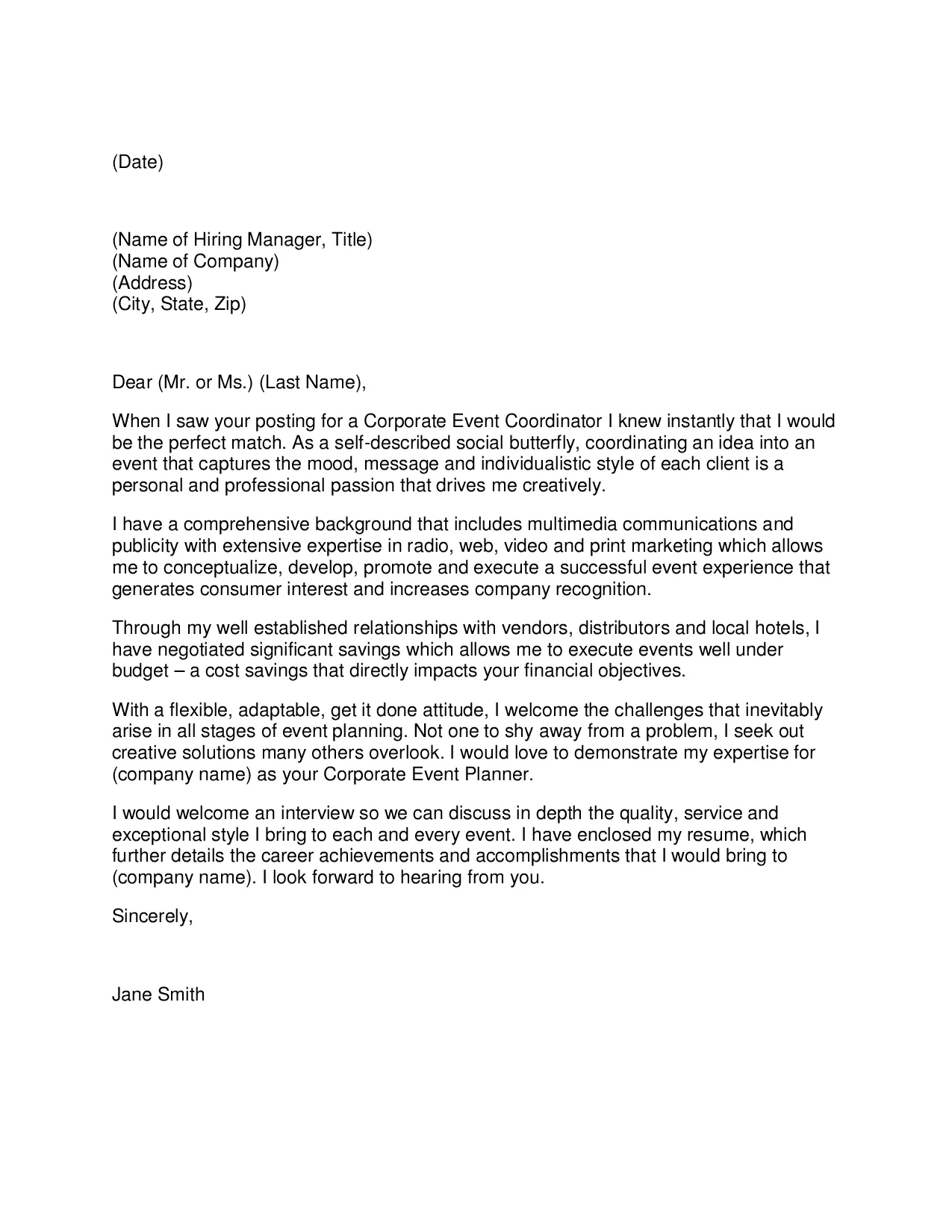
Pay close attention to the formatting of your cover letter. Use a professional business letter format, including your company’s letterhead, the date, the recipient’s name and title, and a clear salutation. Maintain a clean, easy-to-read layout with consistent font styles and sizes. Break up large blocks of text with short paragraphs, bullet points, and headings to improve readability. Ensure your cover letter is well-organized and visually appealing. A professionally formatted cover letter reflects positively on your company’s attention to detail and commitment to quality. Keep it concise, typically no more than one page long.
Tone and Language Considerations
The tone of your cover letter should be professional, confident, and enthusiastic. Use clear, concise language and avoid jargon or overly technical terms that the reader might not understand. Tailor your language to the specific client and industry. Be genuine and enthusiastic, but avoid sounding overly promotional or boastful. Proofread carefully to eliminate any grammatical errors or typos, which can damage your credibility. Maintain a positive and respectful tone throughout the letter, demonstrating your commitment to building a successful relationship with the client.
Proofreading and Editing
Proofreading is a critical step in the writing process. Before submitting your cover letter, carefully proofread it for any errors in grammar, spelling, punctuation, and style. Consider asking a colleague or professional editor to review the document for a fresh perspective. Errors can undermine your credibility and convey a lack of attention to detail. Ensure that the language is clear, concise, and appropriate for the target audience. A polished and error-free cover letter demonstrates your commitment to quality and professionalism.
Call to Action and Closing

Expressing Enthusiasm and Next Steps
End your cover letter with a strong call to action, reiterating your interest in the opportunity and your confidence in your ability to deliver results. Clearly state the next steps you propose, such as scheduling a meeting or providing additional information. Express your enthusiasm for the project and reiterate your commitment to the client’s success. Thank the reader for their time and consideration. This reinforces your interest and encourages them to take the next step in the proposal process.
Contact Information
Provide your full contact information, including your name, title, company name, address, phone number, and email address. Make it easy for the client to contact you with any questions or to discuss your proposal further. Ensure that your contact information is accurate and up-to-date. Including your contact information demonstrates transparency and ensures the client can easily reach out to you.