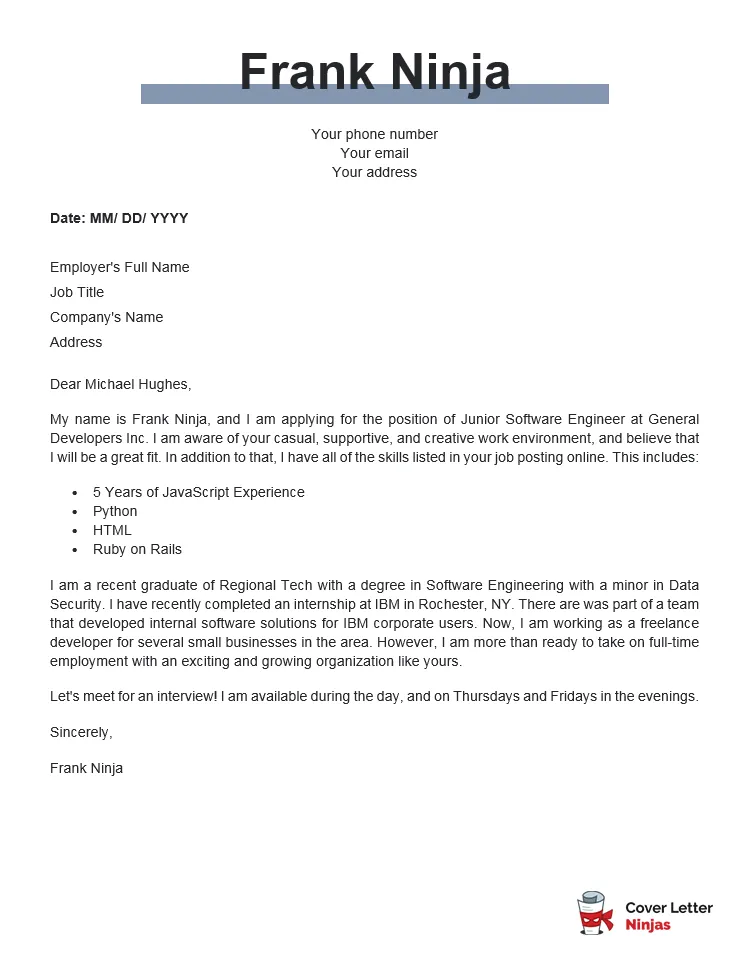
Crafting the Perfect Software Engineer Cover Letter
In the competitive world of software engineering, a well-crafted cover letter can be the key to unlocking your dream job. It’s your opportunity to go beyond the bullet points of your resume and showcase your personality, passion, and specific qualifications. This guide will provide you with the essential elements needed to create a cover letter that not only impresses hiring managers but also sets you apart from the competition. By following these steps, you’ll be well on your way to crafting a compelling narrative that highlights your strengths and aligns with the specific requirements of the role. Get ready to transform your job application into a powerful statement of your abilities and aspirations.
Understanding the Purpose of a Cover Letter
A cover letter serves as your personal introduction to the hiring manager. Its primary purpose is to complement your resume by providing context and depth to your professional profile. It allows you to explain your career goals, elaborate on relevant experiences, and demonstrate how your skills and qualifications align with the job description. The cover letter is your chance to show, not just tell, why you’re the ideal candidate for the software engineer position. It is an opportunity to connect with the hiring manager on a personal level, expressing your enthusiasm and showing how your values align with the company culture.
Why a Cover Letter Matters for Software Engineers

For software engineers, the cover letter is an essential tool in the job application process. It’s where you can demonstrate your communication skills, which are crucial in a collaborative work environment. It provides a platform to highlight your understanding of the company’s needs and how your technical expertise can contribute to their success. Furthermore, a well-written cover letter shows that you have taken the time to research the company and tailor your application, indicating a genuine interest in the role and the organization. It showcases your ability to translate complex technical concepts into clear and concise language, a skill highly valued in the field.
Key Components of an Impressive Software Engineer Cover Letter
Contact Information and Salutation
Start your cover letter with your contact information, including your name, phone number, email address, and optionally, your LinkedIn profile URL. Address the hiring manager by name whenever possible. Researching the hiring manager’s name shows that you have taken the initiative to personalize your application. If you cannot find a specific name, use a professional salutation such as ‘Dear Hiring Manager’.
Writing a Compelling Opening Paragraph

Your opening paragraph should immediately grab the reader’s attention. Clearly state the position you are applying for and where you found the job posting. Briefly mention why you are interested in the role and the company. This is your first opportunity to showcase your enthusiasm and make a strong first impression. Start with a hook that highlights your most relevant skills or experience to immediately capture the hiring manager’s interest.
Highlighting Your Skills and Experience
In this section, delve into your relevant skills and experience. Focus on the skills and experiences that align with the job description. Use specific examples and quantify your achievements whenever possible. Showcase your technical expertise, such as proficiency in programming languages, experience with specific frameworks, and knowledge of software development methodologies. The aim is to demonstrate how your skills directly translate to the needs of the role.
Showcasing Relevant Projects
Highlight projects that demonstrate your capabilities. Describe your role, the challenges you overcame, and the results you achieved. If possible, include links to your GitHub profile or personal portfolio to provide easy access to your work. Be ready to discuss these projects in detail during the interview process. The best way to impress is with a strong and verifiable project portfolio.
Quantifying Your Achievements

Use numbers and data to quantify your achievements. For example, mention the percentage improvement in code efficiency, the number of users impacted by a project, or the reduction in bug reports. Use metrics to provide a clear picture of your contributions and their impact. Quantitative results make your accomplishments more compelling and easier to understand. This also demonstrates your focus on metrics.
Expressing Your Enthusiasm and Fit
Convey your enthusiasm for the role and the company. Explain why you are interested in working for this specific organization and what aspects of their mission or culture resonate with you. Discuss how your personal values align with those of the company. Show that you’ve done your research and that you’re genuinely excited about the opportunity. This passion is one of the key factors in determining if you are a good fit.
Closing and Call to Action
Conclude your cover letter with a strong call to action. Reiterate your interest in the position and express your availability for an interview. Thank the hiring manager for their time and consideration. Keep the tone professional and confident. End with a formal closing such as ‘Sincerely’ or ‘Best regards’, followed by your name.
Formatting and Design Best Practices

Choosing the Right Font and Font Size
Select a professional and easy-to-read font such as Arial, Calibri, or Times New Roman. Use a font size between 10 and 12 points to ensure readability. Maintain a consistent font throughout the document. Avoid using overly stylized fonts that could distract the reader. Consistency and readability are key, so that the hiring manager can read without any issues.
Keeping Your Letter Concise and Readable
Keep your cover letter concise and to the point, ideally within one page. Use clear and concise language, avoiding jargon or overly complex sentences. Break up large blocks of text with bullet points or shorter paragraphs to improve readability. Ensure that your cover letter is well-organized, with a clear structure that allows the hiring manager to quickly grasp your qualifications and enthusiasm.
Proofreading and Editing Your Cover Letter

Proofread your cover letter carefully for any grammatical errors, spelling mistakes, and typos. Ensure that your punctuation is correct and that your sentences flow smoothly. Read your letter aloud to identify any awkward phrasing. Ask a friend or colleague to review your cover letter for feedback. Errors can easily undermine the effectiveness of your cover letter, so meticulous attention to detail is essential.
Tailoring Your Cover Letter to Each Job Application
Researching the Company and the Role
Before writing your cover letter, research the company and the specific role you are applying for. Understand the company’s mission, values, and culture. Identify the key skills and qualifications they are seeking in a candidate. This information will allow you to tailor your cover letter to the specific requirements of the job and demonstrate your genuine interest in the organization.
Customizing Your Letter to Match the Job Description

Carefully review the job description and identify the key requirements and responsibilities. Customize your cover letter to address these specific points. Highlight the skills and experiences that directly align with the job requirements. Use keywords from the job description to demonstrate that you are a good fit for the role. Tailoring your cover letter is a critical step in showing you understand the role.
Adding a Personal Touch
While it’s important to be professional, adding a personal touch can help you stand out from other applicants. Share a brief anecdote that illustrates your skills or experience. Express your enthusiasm for the company or the role in a genuine way. Demonstrate your personality and let the hiring manager see the person behind the resume. A personal touch can make your cover letter more memorable and engaging.
Common Mistakes to Avoid in Your Cover Letter
Generic and Vague Statements

Avoid using generic and vague statements that could apply to any candidate. Be specific and provide concrete examples to support your claims. Demonstrate your skills and experience with specific accomplishments, instead of just stating that you possess certain qualities. Generic cover letters show lack of effort. The goal is to make your cover letter unique.
Focusing Solely on Responsibilities
Don’t just list your responsibilities; highlight your achievements and the results you have delivered. Focus on what you accomplished in your previous roles, rather than just what you were required to do. Quantify your achievements whenever possible to demonstrate your impact. Show the hiring manager how you have made a difference in past roles.
Ignoring the Job Requirements
Carefully review the job description and address the specific requirements in your cover letter. Ignoring the job requirements can indicate a lack of attention to detail and a lack of understanding of the role. Tailor your cover letter to show that you possess the skills and qualifications the employer is seeking. The main thing to do is to always tailor your letter.
Using Excessive Technical Jargon
While it’s important to demonstrate your technical expertise, avoid using excessive jargon that the hiring manager might not understand. Use clear and concise language that is easy to read. Explain complex concepts in a way that is accessible to a general audience. The goal is to show that you can effectively communicate your ideas to others. Show that you can communicate ideas simply.
In conclusion, a well-crafted cover letter is a crucial component of a successful job application for software engineers. By understanding its purpose, following best practices, and avoiding common mistakes, you can create a cover letter that effectively showcases your skills, experience, and enthusiasm. Remember to tailor your cover letter to each job application and always proofread carefully. With these tips, you’ll be well-equipped to impress hiring managers and land your dream software engineering job. Good luck with your job search!