Why a Winning Cover Letter Matters for Student Assistant Jobs
In the competitive job market, particularly for student assistant roles, a well-crafted cover letter serves as a vital tool. It is the first impression, offering a glimpse into your personality, skills, and enthusiasm. Unlike a resume, which summarizes your experience, a cover letter enables you to tell your story and connect your qualifications to the job requirements. The document gives you an opportunity to highlight relevant experiences and show your genuine interest in the role and organization. A strong cover letter significantly increases your chances of getting noticed and securing an interview, distinguishing you from other applicants with similar qualifications. Proper formatting and a professional tone are essential.
Understanding the Student Assistant Role and Requirements
Before crafting your cover letter, understand the student assistant role and its varying requirements. These positions often support administrative, research, or operational tasks. Requirements can differ, but common responsibilities may include data entry, answering phones, managing schedules, assisting with projects, and general support. To tailor your letter effectively, carefully analyze the job description, identifying the key skills and qualifications the employer seeks, such as organizational abilities, communication skills, proficiency in specific software, or experience with particular tasks. Understanding the specific requirements will enable you to highlight your most relevant experiences and demonstrate how your skills align with the role’s needs.
Key Components of a Winning Cover Letter

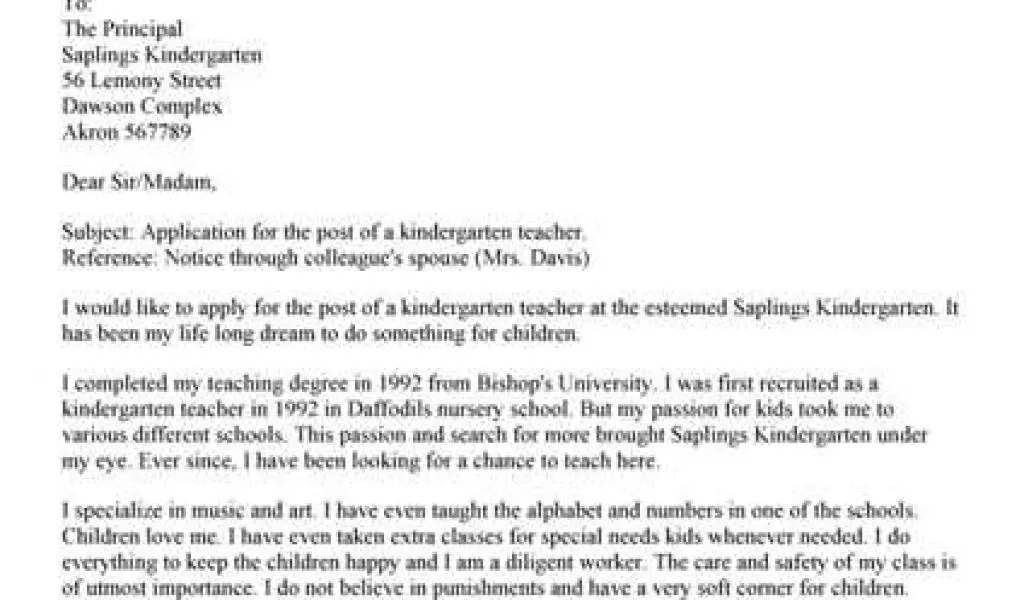
A winning cover letter is structured to grab attention and create a compelling case for your candidacy. Key components include: your contact information, the date, hiring manager’s information, a professional salutation, a captivating opening paragraph, body paragraphs that highlight skills and experience, a strong closing paragraph, and a formal closing. Each section plays a critical role in presenting you as a well-suited candidate. The language should be clear, concise, and enthusiastic, conveying interest and suitability. Pay close attention to specific requirements outlined in the job description and customize your letter accordingly.
Your Contact Information and the Date
Begin your cover letter with your contact information in the top left corner: full name, phone number, email address, and optionally, your LinkedIn profile URL. Below this, include the date on which you’re submitting the letter. This ensures the hiring manager can easily contact you and provides a record of the application’s submission. Make sure your email address is professional, for example, firstname.lastname@email.com. This contributes to the overall professional impression. Providing accurate and easily accessible contact details is crucial for seamless communication.
Addressing the Hiring Manager Effectively
The salutation begins your connection. Address the hiring manager by name whenever possible, demonstrating that you’ve researched the organization and personalized your application. If the name isn’t available, use a professional greeting like “Dear Hiring Manager” or “Dear [Department Name] Team.” Avoid generic greetings like “To Whom It May Concern.” Addressing the specific individual or department head creates an engaging and personalized tone that shows you have genuine interest in the position and have prepared. Use their title (e.g., Dear Mr. Smith).
Crafting a Compelling Opening Paragraph

Your opening paragraph should make a strong first impression and grab attention. State the specific position you’re applying for and where you saw the posting. Express enthusiasm for the role and organization. Briefly mention why you’re interested and what makes you a good fit. You might mention a key skill or experience that aligns with job requirements. This concise introduction should clearly communicate your purpose. Avoid generic openings and aim for a statement that engages the reader immediately.
Highlighting Relevant Skills and Experience
The body of your cover letter is where you showcase your skills and experience. Review the job description to identify key requirements. Use this to select relevant experiences to highlight. Provide specific examples of how you demonstrated these skills in the past. Use the STAR method (Situation, Task, Action, Result) to describe your experiences and achievements. For each example, explain the situation, your assigned task, your action, and the positive results. This approach allows you to provide clear, concise, and compelling evidence of your abilities. Use action verbs to start sentences.
Academic Achievements and Coursework
Academic achievements and relevant coursework can significantly boost your application for student assistant positions. Mention relevant courses and their relation to job duties. Include a high GPA (e.g., 3.8 GPA). Highlight academic projects, presentations, or research papers that demonstrate skills and knowledge. Showcase your ability to learn new concepts, analyze information, and apply knowledge to solve problems, which is especially relevant for student roles. Mention special awards, scholarships, or academic recognitions.
Extracurricular Activities and Volunteer Work

Extracurricular activities and volunteer work provide valuable opportunities to showcase skills and qualities. Mention any clubs, organizations, or volunteer experiences. Highlight leadership roles or responsibilities. For example, as a treasurer, mention financial management skills. If volunteering at a community event, highlight organizational and teamwork skills. These experiences demonstrate your ability to manage time, work in teams, and contribute to a larger goal. These activities build interpersonal skills, teamwork, and responsibility which are valuable in student assistant roles.
Showcasing Soft Skills and Personality
Soft skills are essential for any student assistant position. These include communication, teamwork, problem-solving, time management, and adaptability. Highlight your soft skills by providing specific examples of how you’ve used them in past experiences. If you are a strong communicator, give an example of how you effectively communicated with a team or addressed a customer. If you are a good problem-solver, describe a situation where you identified a problem and implemented a solution. Showcasing your personality is also important. Use a professional yet friendly tone. Your cover letter gives you a platform to demonstrate these attributes.
Demonstrating Enthusiasm and Interest in the Position
Throughout your cover letter, express genuine enthusiasm for the position and the organization. Show that you’ve researched the company or department and understand its mission and values. Explain why you’re interested in working for them and how your goals align with their objectives. Mention specific aspects of the role that excite you and describe how your skills will contribute to the team. Enthusiasm shows you’re not just looking for a job but are interested in the opportunity. Highlighting what attracts you to the role and organization demonstrates genuine interest.
Structuring the Body Paragraphs

Structure your body paragraphs logically to create a clear narrative. Break down information into well-defined paragraphs, each focusing on a specific skill, experience, or accomplishment. Start each paragraph with a topic sentence stating the main point. Support the topic sentence with specific examples and details. Use the STAR method to illustrate accomplishments and showcase your skills. Ensure paragraphs flow naturally, guiding the reader through your qualifications. Use transitions to connect ideas and create a cohesive presentation.
Using Action Verbs to Describe Your Accomplishments
Using strong action verbs is crucial for describing accomplishments effectively. Start each sentence with an action verb to make descriptions more dynamic. For example, instead of “I was responsible for,” say “I managed,” “I coordinated,” or “I implemented.” These verbs convey your active role and impact. Choose verbs that reflect actions and highlight skills. Effective action verbs include: managed, led, coordinated, developed, implemented, organized, created, designed, achieved, and improved. These actions will make your cover letter more persuasive.
Providing Specific Examples and Quantifiable Results
Provide specific examples and quantifiable results to support your claims. Instead of “I improved customer service,” say “I improved customer satisfaction scores by 15% by implementing a new feedback system.” Instead of “I was responsible for organizing events,” specify the number of events and outcomes: “I organized 10 successful events, each attended by over 100 participants.” These specifics make achievements credible and demonstrate your ability to make an impact. Using data and measurable results is important for illustrating contributions and providing evidence of skills.
Tailoring Your Cover Letter to the Job Description

Tailoring your cover letter to the specific job description is essential. Employers want to see that you have read the job posting and understand their needs. Review the job description, identifying key skills and qualifications. Use these keywords and phrases throughout your letter, showing how your experience and skills directly match their requirements. This demonstrates that you understand the position and are a good fit. By tailoring your letter, you show you are not sending a generic application but are genuinely interested.
Researching the Organization and Its Values
Researching the organization shows initiative and genuine interest. Before writing, visit the organization’s website, read its mission and values, and learn about its recent projects. Mention your understanding of the organization’s goals. Show how your skills and experiences align with its objectives. If the organization emphasizes teamwork, mention your collaborative experience. If focused on innovation, describe how you’ve demonstrated creative problem-solving. Researching the organization and aligning your skills demonstrates genuine interest in the position.
Matching Your Skills and Experience to the Job Requirements
In your cover letter, make a direct connection between your skills and the job requirements. Go through the job description and list the essential skills and qualifications. For each requirement, provide an example of how you’ve demonstrated that skill or experience. This might involve describing a project, task, or responsibility. For example, if the job requires communication skills, provide an example of effectively communicating with a team. Matching your skills with the requirements makes a clear case for your candidacy.
Writing a Strong Closing Paragraph

Your closing should reiterate your interest and leave a positive impression. Restate your enthusiasm for the position and the organization. Summarize your key qualifications. Thank the hiring manager for their time and consideration. Express your availability for an interview. Make sure your closing is confident and professional. Avoid generic phrases like “Thank you for your consideration.” Instead, use a statement that shows you’re eager to move forward. Consider adding a call to action (optional), encouraging them to contact you.
Reiterating Your Interest and Expressing Gratitude
Restate your interest in the position and express gratitude in your closing. This reinforces your enthusiasm and leaves a positive final impression. Summarize why you’re a good fit. Mention how your skills and experiences align with job requirements. Thank the hiring manager for their time. Be specific about the opportunity and your career goals. Enthusiasm and gratitude show you’re professional and respectful of the hiring process.
Including a Call to Action (Optional)
Including a call to action encourages the hiring manager to take the next step. Your call to action could express availability for an interview. You can also express eagerness to learn more. A call to action creates proactive interest, making it easier for the hiring manager to respond. Use a phrase like, “I am eager to discuss my qualifications further in an interview and can be reached at [phone number] or [email address].” This action shows you are serious about the position.
Proofreading and Editing Your Cover Letter
Proofread and edit your cover letter to ensure it’s error-free. Review for grammar, spelling, and punctuation mistakes. These errors can detract from your professionalism. Read aloud to catch awkward phrasing. It’s helpful to have someone else review. A polished, error-free letter reflects your attention to detail. Proofreading is essential to make a positive first impression.
Checking for Grammar, Spelling, and Punctuation Errors
Thoroughly check your cover letter for grammar, spelling, and punctuation errors. Errors make your application appear unprofessional. Use a grammar checker like Grammarly. Pay attention to commonly misspelled words and punctuation. A well-written letter shows detail-oriented commitment. Proofreading is essential for a positive first impression.
Ensuring a Professional and Polished Presentation
Ensure your cover letter has a professional presentation. Use a standard font like Times New Roman or Arial, 11-12 points in size. Maintain consistent formatting, including spacing and alignment. Use clear, concise language. A well-formatted letter reflects your professionalism. A polished presentation leaves a positive impression.
Finalizing and Submitting Your Cover Letter
Before submitting, double-check details. Include all information, such as your contact information and the hiring manager’s name. Verify that the job title and company name are accurate. Tailor your letter to the specific job. Save the document in a professional format like PDF. Submit application materials on time. Adhering to submission guidelines demonstrates attention to detail, increasing your chances of an interview.
Formatting Your Cover Letter for Easy Reading
Correct formatting makes the letter easy to read. Use a standard font like Times New Roman or Arial, 11-12 points. Use 1-inch margins on all sides. Use single-spacing within paragraphs and double-spacing between paragraphs. Keep paragraphs concise and to the point. Use bullet points to highlight skills or achievements. Proper formatting makes your cover letter more visually appealing and easier to scan.
Submitting Your Application Materials Correctly
Follow instructions in the job posting for submitting materials. Typically, you’ll submit a cover letter, resume, and other required documents. Pay attention to specified file formats (e.g., PDF). Adhering to submission guidelines demonstrates attention to detail and professionalism. Correct submission improves your chances of being considered for the position.