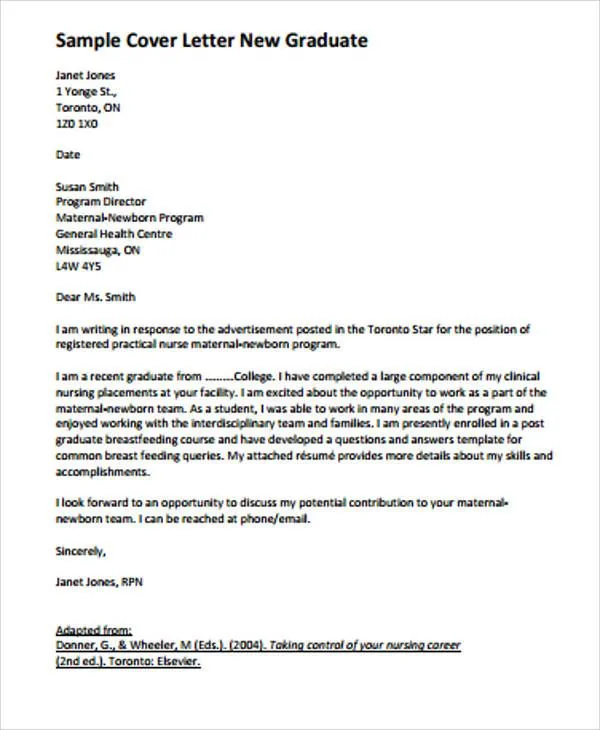
Crafting the Perfect Student Nurse Cover Letter
A well-crafted student nurse cover letter is your first opportunity to make a lasting impression on potential employers. It’s more than just a formality; it’s your chance to showcase your personality, skills, and aspirations. This guide provides essential tips and tricks to help you create a compelling cover letter that grabs attention and increases your chances of landing your dream nursing role. We’ll delve into the key components, writing strategies, and common pitfalls to avoid, ensuring your application stands out from the competition. Let’s transform your cover letter from a chore into a powerful tool for career advancement.
Understanding the Purpose of a Cover Letter
The purpose of a cover letter is to introduce yourself and your qualifications to a potential employer. It complements your resume by providing context and personality, allowing you to elaborate on your experiences and express your enthusiasm for the position. Unlike a resume, a cover letter gives you the space to tell a story, highlight your unique strengths, and explain why you’re a perfect fit for the specific role and organization. Consider it as your personal marketing pitch, designed to entice the reader to delve deeper into your application.
Why a Cover Letter Matters for Student Nurses

For student nurses, a cover letter is crucial. It demonstrates your professionalism, communication skills, and initiative. It allows you to highlight your clinical experiences, academic achievements, and any volunteer work or extracurricular activities that showcase your commitment to the nursing profession. Since your experience may be limited compared to seasoned professionals, a well-written cover letter becomes even more critical in demonstrating your potential, passion, and eagerness to learn. It provides a platform to address any gaps in your experience and explain how your skills and aspirations align with the employer’s needs.
Key Components of a Student Nurse Cover Letter
A student nurse cover letter should include several key components to effectively communicate your qualifications. These elements work together to create a cohesive and persuasive document that captures the reader’s attention and convinces them of your suitability for the role. Structuring your cover letter around these essential sections ensures you provide all the necessary information in a clear and organized manner, making it easy for the hiring manager to assess your potential. These components are contact information, salutation, body, and closing.
Contact Information Section
Start with your contact information at the top of the letter. This section should include your full name, address, phone number, and professional email address. Make sure the email address is professional and appropriate for job applications. This information ensures the employer can easily reach you if they want to proceed with your application.
Formatting Your Contact Details

Format your contact details neatly, typically left-aligned. Ensure the information is easy to read and clearly presented. Avoid using a font that is too small or difficult to read. Consistency in formatting throughout the entire document is also important.
The Salutation
Use a professional salutation to begin your cover letter. If possible, address the hiring manager by name. This shows that you’ve done your research and are genuinely interested in the position. If you can’t find the name of the hiring manager, use a general salutation such as “Dear Hiring Manager.”
Proper Addressing and Greeting
Always use “Dear” followed by the person’s title and last name (e.g., “Dear Ms. Smith”). Avoid informal greetings. Ensure you spell the name correctly. If you are unsure of the gender, you can use their full name or the position’s title, like ‘Dear Hiring Committee’.
Writing the Body of Your Cover Letter

The body of your cover letter is where you showcase your skills, experience, and passion for nursing. This section should be well-organized and engaging, providing a detailed account of why you are the ideal candidate. Structure your body paragraphs to create a narrative that highlights your strengths and demonstrates your enthusiasm for the specific role and the organization. This section is where you show them the real you.
Opening Paragraph Techniques
Start with a strong opening paragraph. Mention the position you are applying for and where you found the job posting. Then, state your interest in the position and quickly highlight one or two key qualifications or experiences that make you a strong candidate. This grabs the reader’s attention from the start and sets the tone for the rest of the letter. Consider beginning with a brief statement of your nursing goals.
Highlighting Relevant Skills and Experiences
In the subsequent paragraphs, delve into your skills and experiences. Focus on the skills that are most relevant to the job requirements. These may include clinical skills, communication abilities, teamwork, and problem-solving skills. Provide specific examples from your clinical rotations or volunteer experiences that illustrate your capabilities and demonstrate your commitment to patient care.
Showcasing Clinical Rotations and Accomplishments

Describe your clinical rotations and highlight your accomplishments. Mention the types of patients you cared for, procedures you assisted with, and any specific achievements or positive feedback you received. Quantify your achievements whenever possible; for example, state the number of patients you assisted or any improvements you contributed to within a particular ward.
Quantifying Achievements and Experiences
Whenever possible, quantify your achievements. Use numbers to demonstrate the impact of your work. For example, instead of saying “improved patient satisfaction,” say “increased patient satisfaction scores by 15%.” This provides concrete evidence of your skills and abilities and makes your cover letter more impactful.
Expressing Your Passion for Nursing
Throughout the body of your cover letter, express your passion for nursing. Share what motivates you to pursue this career. Highlight your commitment to patient care, your desire to learn and grow, and your enthusiasm for contributing to the healthcare team. This adds a personal touch and demonstrates your genuine interest in the profession.
Closing Paragraph Best Practices

Your closing paragraph should summarize your interest in the position and reiterate your qualifications. Thank the employer for their time and consideration. Express your eagerness to hear back from them and include your contact information again. Be sure to maintain a professional and enthusiastic tone.
The Complimentary Close
Use a professional complimentary close such as “Sincerely,” “Best regards,” or “Respectfully.” Avoid overly casual closings. Choose a closing that reflects your professionalism and respect for the potential employer.
Signatures and Contact Details
Type your full name beneath your complimentary close. If you are submitting a hard copy, leave space for your signature above your typed name. Include your phone number and email address again for easy access.
Essential Tips and Tricks for Success

To maximize your chances of success, incorporate these additional tips and tricks. These recommendations will help you create a cover letter that stands out from the competition and leave a lasting positive impression on the hiring manager. Pay careful attention to detail and be sure your letter reflects your commitment to the profession.
Tailoring Your Letter to the Specific Job
Customize your cover letter for each job application. Review the job description carefully and highlight the skills and experiences that are most relevant to the specific role. Show the employer that you understand their needs and have the qualifications they are seeking. Generic cover letters often fail to make a strong impression; a tailored letter demonstrates your genuine interest in the position.
Proofreading and Editing Your Cover Letter
Proofread your cover letter meticulously. Errors can create a negative impression. Check for grammatical errors, typos, and inconsistencies in formatting. Use spell-check and grammar-check tools, but also read the letter aloud to catch any errors that automated tools might miss. A polished cover letter showcases your attention to detail and professionalism.
Seeking Feedback for Improvement

Ask a trusted friend, professor, or career advisor to review your cover letter. They can provide valuable feedback on your writing, content, and overall presentation. A fresh perspective can help you identify areas for improvement and ensure that your cover letter effectively communicates your qualifications and enthusiasm.
Common Mistakes to Avoid
Avoid these common mistakes to create a cover letter that makes a positive impression. Recognizing and correcting these errors will significantly improve your chances of success and help you avoid early rejection. A well-crafted cover letter should highlight your strengths without these drawbacks.
Grammatical Errors and Typos
Grammatical errors and typos can damage your credibility and make you appear unprofessional. Always proofread your cover letter carefully before submitting it. Poor grammar suggests a lack of attention to detail and can create a negative first impression. Consider asking someone else to review your letter to help catch errors.
Generic Cover Letters
Submitting a generic cover letter that is not tailored to the specific job or company is a major mistake. Employers can easily recognize these generic applications, and they are unlikely to impress them. Tailor each cover letter to the specific role and highlight the skills and experiences that are most relevant.
Lying or Exaggerating Information
Never lie or exaggerate information in your cover letter. This is unethical and can lead to serious consequences, including job termination. Be honest about your skills and experiences, and focus on highlighting your strengths and potential. Honesty and integrity are highly valued in the nursing profession.