Why a Teacher Cover Letter is Essential
A teacher cover letter is more than just a formality it’s your first opportunity to make a strong impression and differentiate yourself from other applicants. In a competitive job market, a well-crafted cover letter provides context to your resume, showcasing your personality, passion for teaching, and unique qualifications. It allows you to elaborate on your skills, experiences, and teaching philosophy, demonstrating why you’re the perfect fit for the role and the school. A compelling cover letter can significantly increase your chances of securing an interview and ultimately, landing your dream teaching position.
Key Components of an Effective Teacher Cover Letter
To create a standout cover letter, you need to include several key components. These elements work together to present a professional and persuasive case for your candidacy. Each section plays a vital role in highlighting your qualifications and demonstrating your suitability for the teaching position. From the header to the closing, every detail matters in making a positive and lasting impression on the hiring committee.
Header and Contact Information

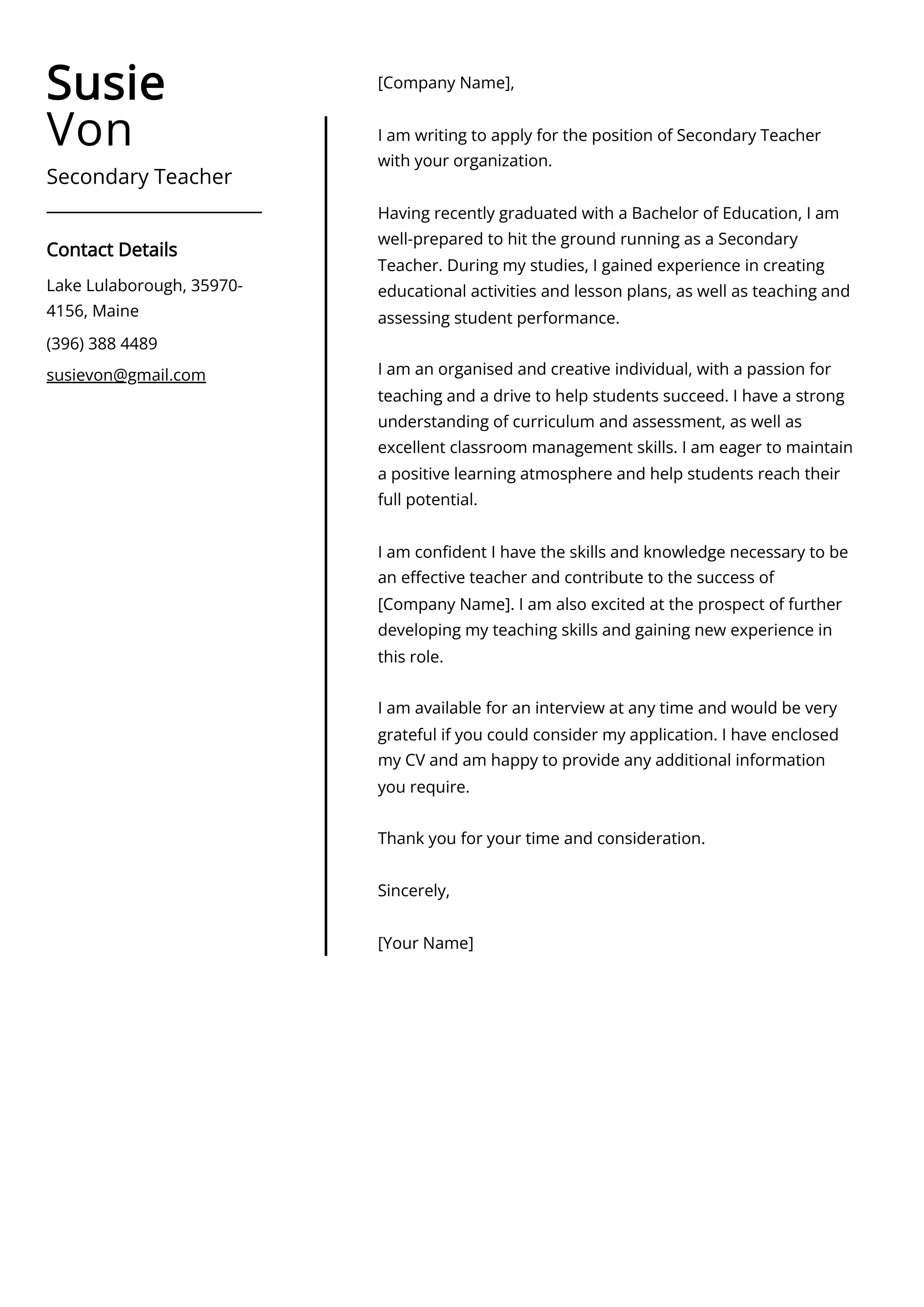
Start with a professional header that includes your full name, address, phone number, and email address. This information should be easily visible and formatted consistently. Ensure your contact information is up-to-date and professional. This ensures the hiring manager can easily reach you to schedule an interview. Place this information at the top left or right corner of the document, keeping it clean and uncluttered. See image on the header example for a visual reference.
Salutation
Address your cover letter to a specific person whenever possible. Research the school’s website or contact the school directly to find the hiring manager’s name. If you can’t find a specific name, use a general greeting like “Dear Hiring Committee” or “Dear [School Name] Principal.” Avoid generic greetings like “To Whom It May Concern”, as they show a lack of effort and personalization. Personalizing your salutation demonstrates attention to detail and a genuine interest in the position.
Opening Paragraph
Your opening paragraph should immediately grab the reader’s attention. State the position you’re applying for and where you found the job posting. Briefly mention your most relevant qualifications and express your enthusiasm for the role and the school. This initial paragraph should serve as a hook, enticing the reader to learn more about you and your qualifications. Be concise and make your passion for teaching evident from the start.
Body Paragraphs

The body paragraphs are where you expand on your qualifications and experiences. This is where you showcase your skills and explain how you meet the requirements of the position. Focus on specific examples that demonstrate your teaching abilities, classroom management skills, and commitment to student success. Each paragraph should focus on a key aspect of your experience, using concrete examples to support your claims.
Highlighting Relevant Skills and Experience
Emphasize the skills and experience that align with the job description. Identify the key requirements and tailor your letter to address them directly. Use action verbs to describe your accomplishments and responsibilities, and provide evidence of your successes. Showcase your experience in lesson planning, classroom management, curriculum development, and student assessment. Demonstrate how you can contribute to the school’s mission and enhance student learning. This may also contain the image with a chart.
Quantifying Achievements
Whenever possible, quantify your achievements. Use numbers, percentages, and statistics to illustrate your impact. For example, mention the percentage increase in student test scores, the number of successful lesson plans you implemented, or the number of students you mentored. Providing data-driven examples adds credibility to your claims and demonstrates your ability to achieve results. Quantifiable achievements make your application stand out from others.
Tailoring to the Specific School or Position

Demonstrate that you’ve researched the school and understand its values and goals. Mention specific programs, initiatives, or philosophies that resonate with you. Tailor your cover letter to the specific position by highlighting the skills and experiences that are most relevant. This shows that you are genuinely interested in the opportunity and have considered how you can contribute to the school’s environment. Customization increases your chances of success.
Closing Paragraph
In your closing paragraph, reiterate your interest in the position and summarize your key qualifications. Express your enthusiasm for the opportunity and thank the reader for their time and consideration. Reiterate your contact information and availability for an interview. Keep the tone positive and enthusiastic, leaving a lasting impression of your professionalism and dedication. Conclude by expressing your anticipation of hearing from them soon.
Call to Action
Include a clear call to action, such as requesting an interview or offering to provide further information. Make it easy for the hiring manager to take the next step in the hiring process. This might include a statement like, “I am eager to discuss my qualifications further in an interview” or “Thank you for considering my application. I look forward to hearing from you soon.” A strong call to action shows initiative and reinforces your interest in the position.
Top 5 Teacher Cover Letter Examples

Here are examples that you can adapt to your specific needs.
Example 1 Elementary Teacher Cover Letter
Dear Hiring Committee,
I am writing to express my enthusiastic interest in the Elementary Teacher position at [School Name], as advertised on [Platform]. With five years of experience teaching elementary students, I am passionate about creating engaging and supportive learning environments. In my previous role at [Previous School], I successfully implemented differentiated instruction strategies, resulting in a 15% increase in student reading comprehension scores. My strong classroom management skills and dedication to fostering a love of learning make me a great fit for your school. I am eager to learn more about this opportunity.
Sincerely, [Your Name]
Example 2 Secondary Teacher Cover Letter
Dear Principal [Last Name],
I am writing to express my interest in the Secondary Teacher position at [School Name]. I bring a strong background in [Subject] and a proven track record of student success. At [Previous School], I developed and implemented innovative lesson plans that increased student engagement by 20%. My commitment to creating a positive and inclusive classroom environment and using technology to enhance learning aligns with the values of [School Name]. I look forward to an opportunity to discuss my qualifications further.
Sincerely, [Your Name]
Example 3 Special Education Teacher Cover Letter

Dear Hiring Manager,
I am writing to apply for the Special Education Teacher position at [School Name]. With a Master’s degree in Special Education and five years of experience working with students with diverse learning needs, I am confident in my ability to create a supportive and inclusive learning environment. I have successfully implemented individualized education programs (IEPs) and used various teaching strategies to improve student outcomes. My dedication to student success and collaboration with parents and colleagues make me a strong candidate. I hope we can discuss this further.
Sincerely, [Your Name]
Example 4 Substitute Teacher Cover Letter
Dear Hiring Committee,
I am writing to express my interest in the Substitute Teacher position at [School Name]. With experience in managing classrooms and delivering engaging lessons across various subjects, I am prepared to maintain a positive and productive learning environment. I am available on short notice and dedicated to ensuring continuity in student learning. I look forward to the opportunity to assist in the educational mission of [School Name].
Sincerely, [Your Name]
Example 5 Teaching Assistant Cover Letter
Dear Hiring Manager,
I am writing to express my interest in the Teaching Assistant position at [School Name]. With my passion for education and experience assisting teachers in managing classrooms, I am confident that I will be an effective member of your team. I bring strong organizational, communication, and collaboration skills. I am also proficient in supporting students’ learning, including small group instruction. I am particularly excited about the opportunity to contribute to the positive environment at [School Name].
Sincerely, [Your Name]
Tips for Formatting Your Cover Letter

Formatting is just as important as content. A well-formatted cover letter is easy to read and presents you professionally. Proper formatting includes font choice, layout, and overall presentation, all of which influence how the hiring manager perceives you. Well-formatted documents demonstrate your attention to detail and professionalism, reflecting your capabilities and abilities.
Font and Layout
Choose a professional and readable font, such as Times New Roman, Arial, or Calibri, with a size between 11 and 12 points. Use standard 1-inch margins and single-space the body of your letter, with a blank line between paragraphs. Left-align your text and avoid excessive use of bolding or italics. Keep your formatting consistent throughout the document and ensure it’s easy to read and visually appealing. Using appropriate font and layout contributes to the overall readability and professionalism of your letter.
Proofreading and Editing
Always proofread your cover letter carefully for any grammatical errors, spelling mistakes, or typos. Errors can undermine your credibility and make you appear careless. Use a spell-checker and grammar-checker, but also read through your letter several times to catch any errors that automated tools might miss. Consider asking a friend, family member, or career counselor to review your letter for feedback and suggestions. See the image below for a visual reference.
Submitting Your Cover Letter

Follow the instructions provided in the job posting regarding the submission of your cover letter and resume. If the posting specifies a particular file format, such as PDF or Word document, adhere to those instructions. Name your files professionally, using your name and the job title (e.g., “YourName_CoverLetter_Teacher”). Ensure your cover letter and resume are error-free before submitting them, and double-check that all attachments are included. Submitting your cover letter following instructions shows your ability to pay attention to detail and respect the application process.
Frequently Asked Questions about Teacher Cover Letters
Many candidates have similar questions about creating effective teacher cover letters. Addressing these common queries can help you better understand the process and create a more impactful application. Here are some frequently asked questions along with expert advice to help guide your writing process.
How Long Should a Teacher Cover Letter Be
A teacher cover letter should ideally be one page long. Keep your letter concise and focused, highlighting your most relevant qualifications and experiences. Hiring managers often have many applications to review, so it is essential to keep your letter to the point. Ensure your cover letter is easy to read and presents your strongest qualifications succinctly.
What Should I Include in My Cover Letter
Your cover letter should include a professional header, a personalized salutation, a compelling opening paragraph, detailed body paragraphs highlighting your skills and experiences, a clear closing paragraph, and a call to action. Tailor your content to the specific job requirements and the school’s mission. Showcase your passion for teaching and your ability to contribute to a positive learning environment.
Should I Mention Salary Expectations
Generally, it’s best to avoid mentioning salary expectations in your cover letter unless the job posting specifically requests it. Instead, focus on highlighting your qualifications and expressing your enthusiasm for the position. Salary negotiations are usually handled during the interview process. If the job posting mandates a salary requirement, then include it, otherwise, defer the discussion until later stages.
Conclusion
Writing a strong teacher cover letter is a crucial step in the job application process. By following these guidelines and examples, you can create a cover letter that highlights your unique qualifications and showcases your passion for teaching. Always tailor your letter to the specific job and school, and remember to proofread carefully. With a well-crafted cover letter, you will significantly increase your chances of securing an interview and starting a fulfilling career in education. Good luck with your application!