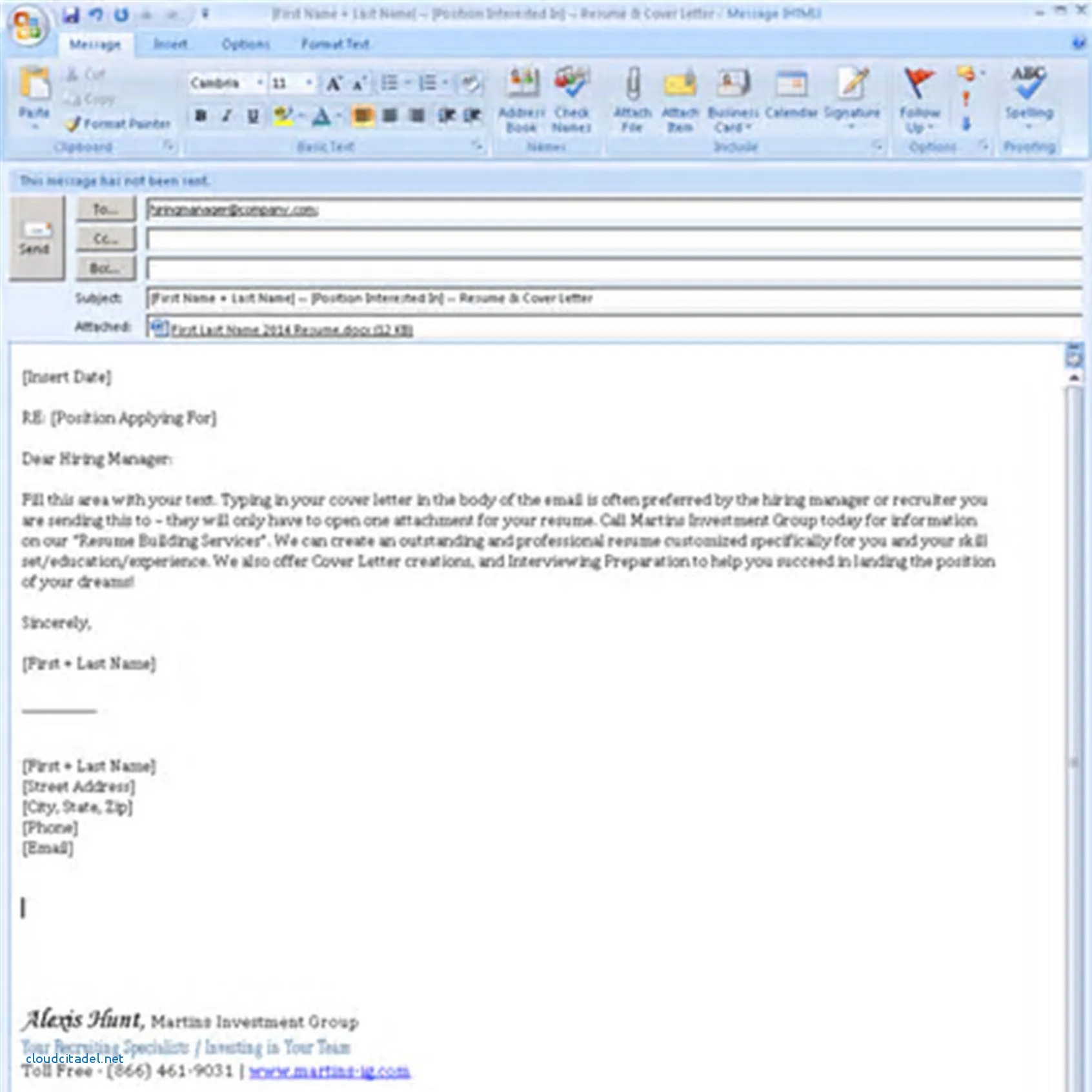
Template Email Cover Letter Top 5 Tips!
Crafting a compelling email cover letter is a crucial step in any job application. It’s your first chance to make a positive impression and showcase your qualifications. A well-written cover letter can significantly increase your chances of landing an interview. This article provides five essential tips to help you create an effective template email cover letter that grabs the attention of hiring managers and sets you apart from the competition. By following these guidelines, you can tailor your application to each job, highlighting your unique strengths and experiences and ultimately securing more interview opportunities. A strong template email cover letter is the foundation for a successful job search. Let’s dive into the top five tips to ensure your email cover letter stands out.
Tip 1 Personalize Your Letter
One of the most critical aspects of a successful email cover letter is personalization. Avoid using generic templates that lack the specific details of the job and the company. A personalized cover letter demonstrates that you’ve taken the time to research the role and the organization, showing genuine interest and enthusiasm. This level of attention to detail immediately makes you a more compelling candidate. Personalization goes beyond simply addressing the hiring manager by name; it involves tailoring your letter to address the specific requirements and values of the company. By doing so, you show that you’re not just sending out a mass application but that you’re truly interested in this particular opportunity.
Why Personalization Matters

Personalizing your cover letter shows that you have invested time and effort into understanding the job and the company’s culture. This demonstrates your genuine interest and commitment, making you a more attractive candidate. Generic cover letters often get overlooked because they fail to address the unique needs of the role or organization. A personalized letter, on the other hand, clearly communicates your understanding of the job requirements and how your skills and experience align with them. It allows you to highlight specific achievements and skills that are most relevant to the position, increasing the chances of your application being noticed and considered.
How to Research the Company
Thorough company research is vital for personalization. Visit the company’s website to understand their mission, values, and recent news. Explore their social media profiles, such as LinkedIn, to learn about their culture and the individuals who work there. Identify key projects, initiatives, or values that resonate with you and incorporate them into your cover letter. You can also search for recent press releases, news articles, or industry reports to gain a deeper understanding of the company’s current challenges and opportunities. By demonstrating your knowledge of the company, you show that you are not just applying for a job, but that you genuinely want to be a part of their team. The more you know about the company, the better you can tailor your letter to showcase your relevant skills and experience.
Tip 2 Highlight Relevant Skills
Your email cover letter should act as a bridge between your skills and the job requirements. The best cover letters are not simply a repetition of your resume; rather, they highlight the skills and experiences that are most relevant to the specific position. Analyze the job description carefully to identify the key skills and qualifications the employer is seeking. Then, clearly demonstrate how your background aligns with these requirements. Use specific examples to illustrate your accomplishments, showing the impact you’ve made in previous roles. By focusing on relevant skills, you present yourself as a strong match for the position and increase your chances of being selected for an interview. Tailoring your letter to the specific role shows that you understand what the company is looking for and how you can contribute to their success.
Identifying Key Skills

Carefully review the job description to pinpoint the essential skills and qualifications the employer is looking for. These may include technical skills, soft skills, or specific industry knowledge. Make a list of these skills and then compare them to your own abilities. Prioritize the skills that overlap and create a plan to showcase them in your cover letter. Look for keywords and phrases that are frequently mentioned in the job description; these are likely the most important skills the employer values. Consider the requirements for the role and reflect on your previous experiences to identify instances where you have demonstrated these skills. This preparation will guide you in writing a targeted cover letter that captures the employer’s attention.
Showcasing Skills with Examples
Instead of merely listing your skills, provide concrete examples of how you have used them in the past. Use the STAR method (Situation, Task, Action, Result) to structure your examples and provide context. Describe the situation you were in, the task you were assigned, the actions you took, and the results you achieved. This approach brings your accomplishments to life and demonstrates your ability to deliver tangible outcomes. Quantify your achievements whenever possible, using metrics to showcase the impact you’ve made in previous roles. This provides a clear and persuasive picture of your capabilities and makes your skills more relatable. For example, instead of saying you’re a good project manager, you could say: “In my previous role, I successfully managed a project that was delivered on time and 15% under budget, using effective communication and team management strategies.” This level of detail strengthens your application and helps the hiring manager see the value you would bring to their organization.
Tip 3 Keep it Concise
Hiring managers are busy, so it’s important to be respectful of their time. Keep your email cover letter concise and to the point. Aim for a length of about 200–300 words, divided into 3–4 paragraphs. This format ensures you provide enough information without overwhelming the reader. Focus on the most relevant details, and avoid unnecessary jargon or long sentences. A well-crafted, concise cover letter is more likely to be read and appreciated. It demonstrates that you value the hiring manager’s time and can communicate effectively. Always prioritize clarity and relevance over length. Every word should serve a purpose in conveying your key skills and qualifications. A brief, but impactful cover letter is more likely to leave a lasting positive impression than a lengthy, rambling one.
The Importance of Brevity

A concise cover letter is easier for the hiring manager to read and digest, which increases the likelihood that your application will be thoroughly reviewed. Short, well-written paragraphs quickly convey your main points, allowing the reader to grasp your qualifications and experience efficiently. Brevity also reflects your ability to communicate clearly and effectively. By focusing on what truly matters, you show that you can prioritize information and present it in a structured manner. Furthermore, a concise cover letter is less likely to contain errors or unnecessary details that could distract from your qualifications. In a competitive job market, every aspect of your application should be optimized to make a strong first impression and showcase your value.
Structuring Your Email
Structure your email cover letter to make it easy to read. Start with a professional greeting, followed by a clear and concise introduction stating the position you are applying for and where you found it. Use 3–4 paragraphs to highlight your key skills, experience, and accomplishments. In the first paragraph, briefly introduce yourself and express your interest in the position. In the second and third paragraphs, showcase your most relevant skills and accomplishments using specific examples. In the final paragraph, express your enthusiasm for the opportunity, reiterate your interest, and include a call to action. Proofread carefully, ensuring that your email is free of errors and uses a professional tone. End with a professional closing, such as “Sincerely” or “Best regards,” and your name.
Tip 4 Proofread Carefully
Before sending your email cover letter, proofread it meticulously. Errors, typos, and grammatical mistakes can create a negative impression and suggest a lack of attention to detail. A polished, error-free cover letter reflects your professionalism and demonstrates your ability to communicate effectively. Proofreading is one of the most critical steps in the application process. Consider it a non-negotiable part of the job application procedure. Errors in your cover letter may lead to a swift rejection, regardless of your qualifications. Take the time to review your letter thoroughly, or better yet, ask a friend or family member to proofread it for you, too. A second set of eyes can often catch mistakes that you might miss. The extra effort will increase your chances of making a positive first impression.
Common Proofreading Mistakes

Common proofreading mistakes include spelling errors, grammatical errors, and punctuation errors. Misspelled words and incorrect grammar can make your cover letter appear unprofessional. Check for misused words, such as “there,” “their,” and “they’re,” and ensure you have used the correct tense. Pay close attention to punctuation, including commas, periods, and apostrophes. Also, make sure your sentences are clear and easy to understand. Other common mistakes are typos, such as accidentally hitting the wrong keys while typing, and formatting inconsistencies. Proofread all these elements. Read your letter out loud to catch any awkward phrasing or unnatural sentence structures. Even a small error can undermine your credibility, so it’s essential to be as meticulous as possible.
Tools for Proofreading
Take advantage of tools to aid you in proofreading. Use a grammar and spell checker, such as Grammarly or ProWritingAid, to catch errors. These tools can identify spelling mistakes, grammatical errors, and stylistic issues, offering suggestions for improvement. While these tools are helpful, don’t rely on them entirely. They may not always catch subtle errors or understand the context of your writing. It’s crucial to proofread your cover letter yourself, even after using these tools. Reading your letter aloud can help you identify awkward phrasing or sentences that need to be revised. Ask a friend or family member to read your cover letter for a fresh perspective. They may catch errors that you’ve missed. These tools and techniques will provide the ultimate proofreading combination.
Tip 5 Follow Up
After submitting your email cover letter, it is acceptable and often advisable to follow up with the hiring manager or recruiter. Following up shows your continued interest in the position and can keep your application top of mind. However, it’s important to follow up professionally and at the right time. Following up at the right time demonstrates enthusiasm and persistence, while respecting the hiring manager’s schedule. A well-timed follow-up can be the difference between your application being noticed and overlooked. Timing and manner are key when following up on your application. A polite, well-crafted follow-up email can leave a positive impression and can even nudge the hiring manager to act.
When to Follow Up

Generally, wait one to two weeks after submitting your application before following up. This allows the hiring manager time to review applications without feeling pressured. If you haven’t heard back after two weeks, it’s usually acceptable to send a brief, polite follow-up email. In your follow-up, reference the position you applied for and express your continued interest. Keep your follow-up concise, showing respect for the hiring manager’s time. If the job posting specified a timeline for the hiring process, use that as a guide. If there was no specified timeline, research the company’s hiring practices to get a better understanding of their timeline. If the deadline has passed without a response, then you can contact the hiring manager to inquire about the status of your application.
How to Follow Up Professionally
When following up, maintain a professional tone. Start with a polite greeting, such as “Dear [Hiring Manager’s Name].” Reiterate your interest in the position and briefly reference your qualifications. Keep your email concise, expressing your enthusiasm for the opportunity without being overly persistent. Thank the hiring manager for their time and consideration. You can also reiterate your contact information and the best method to reach you. Keep the subject line of the email clear and professional, like “Following up Application for [Job Title].” Be sure to be polite and respectful. Avoid demanding or aggressive language. Always end the email with a professional closing, such as “Sincerely,” “Best regards,” or “Thank you.” By following these tips, you increase your chances of getting a positive response.