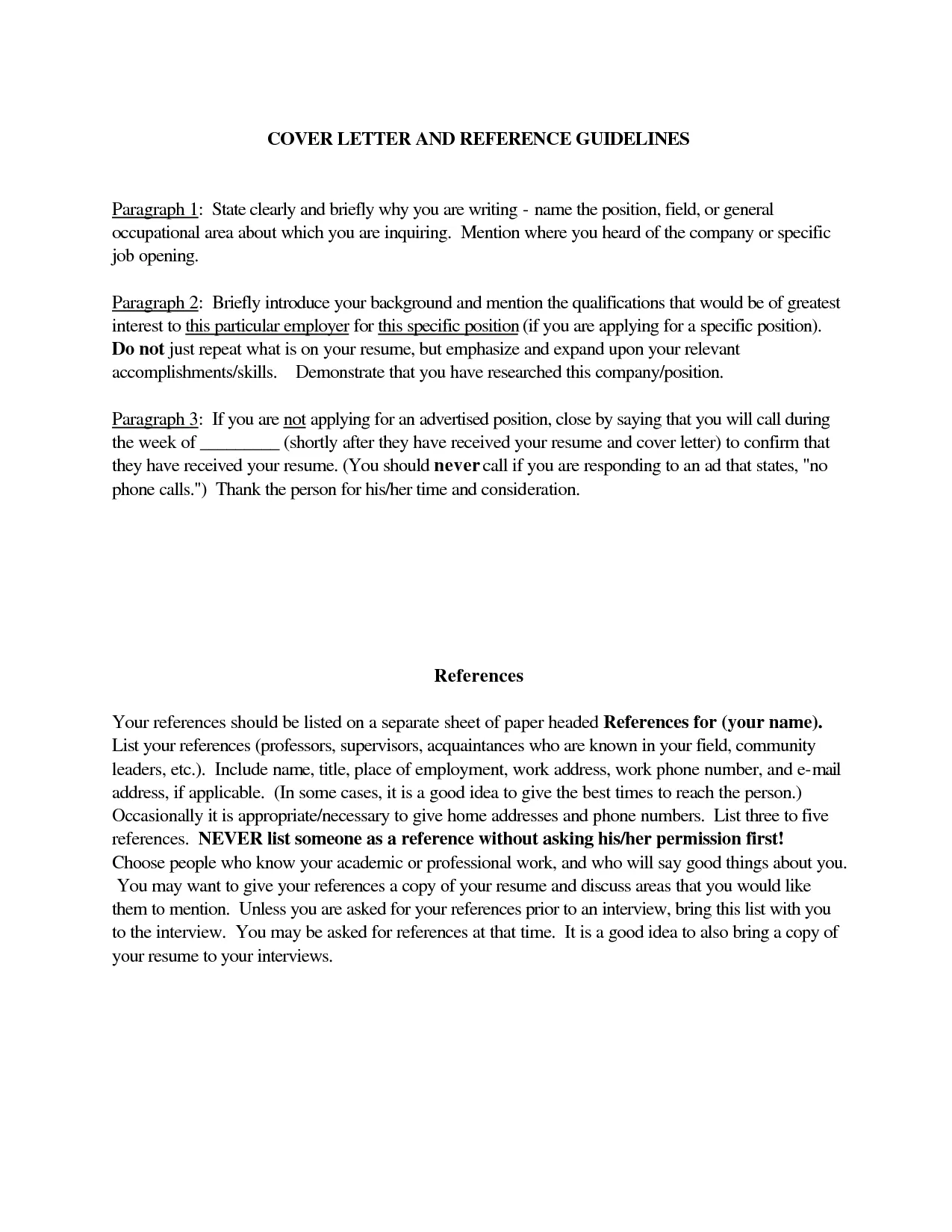
Why the Closing Cover Letter Paragraph Matters
Your closing cover letter paragraph is often the last impression you leave on a hiring manager, and it can be the deciding factor in whether or not you get an interview. It’s more than just a formality; it’s a critical opportunity to reiterate your interest, summarize your qualifications, and make a strong call to action. A well-crafted closing paragraph can transform your application from forgettable to memorable, showcasing your professionalism, enthusiasm, and commitment. Neglecting this paragraph is akin to leaving a book unfinished – it leaves the reader, in this case, the potential employer, with a sense of incompleteness and can diminish the impact of your entire application. This is your final chance to persuade, so make it count!
Summarizing Your Value Proposition
In this paragraph, you should succinctly summarize what you bring to the table. This isn’t a repetition of your resume but a brief, impactful statement that highlights your key strengths and how they align with the job requirements. Think of it as your elevator pitch, encapsulating your value proposition. Focus on the most relevant skills and experiences, emphasizing how you can solve the employer’s problems or contribute to their goals. Quantify your achievements whenever possible to provide concrete evidence of your capabilities. For instance, instead of saying ‘I have experience in project management,’ you might say ‘I have a proven track record of successfully managing projects, delivering them under budget and ahead of schedule.’ This section should be concise and compelling, leaving the employer with a clear understanding of the value you offer.
Highlighting Key Skills and Experiences

This is an opportunity to selectively reiterate the skills and experiences most relevant to the job description. Avoid simply restating what’s already in your resume. Instead, offer a fresh perspective, perhaps highlighting a specific achievement or skill that directly addresses the employer’s needs. Tailor this section to the specific job, pulling out the skills and experiences that align with the role’s requirements. Demonstrate how your past accomplishments have prepared you to excel in this new position. For example, if the job requires leadership, you might mention a time you successfully led a team to achieve a significant goal. If problem-solving is essential, describe a situation where you effectively resolved a complex issue. By strategically highlighting your most relevant strengths, you increase your chances of capturing the hiring manager’s attention and demonstrating your suitability for the role.
Reiterating Your Enthusiasm for the Role
Expressing your genuine enthusiasm is crucial. This is not just a formality; it is an opportunity to convey your passion for the specific job and the company. Explain what excites you most about the role and why you are particularly interested in working there. This could be the company’s mission, its culture, or the specific challenges the role presents. Avoid generic statements like ‘I am excited about this opportunity.’ Instead, be specific. ‘I am particularly excited about the opportunity to contribute to Company X’s mission of [specific goal] and to leverage my skills in [specific skill] to achieve it.’ Demonstrating your enthusiasm helps the hiring manager see beyond your qualifications and understand why you are the right fit for their team. It shows you have done your research and are genuinely interested in the opportunity.
Making a Strong Call to Action
The closing paragraph is your final opportunity to guide the hiring manager’s next step. A strong call to action tells them what you want them to do. The most common and effective call to action is to request an interview. Make it clear and direct. ‘I am eager to discuss my qualifications further and welcome the opportunity to interview for this position.’ You can also express your availability. ‘I am available for an interview at your earliest convenience and can be reached at [phone number] or [email address].’ It’s a subtle but important nudge that encourages the hiring manager to move forward in the process. Don’t be afraid to be proactive; it shows confidence and initiative. A clear call to action makes it easier for the hiring manager to take the next step and keeps your application at the top of their mind.
Providing Contact Information & Availability

Although your contact information is typically included in your header, it’s essential to reiterate it in the closing paragraph, just in case. This ensures the hiring manager has easy access to your contact details if they are ready to move forward. Include your phone number and email address, making sure both are professional. Also, consider mentioning your availability for an interview. State when you are available, such as ‘I am available for an interview next week’ or ‘I am available at your earliest convenience.’ This proactive approach shows that you are organized and eager to move forward in the process. Making it easy for the employer to contact you increases your chances of securing an interview. Double-check all contact information for accuracy to avoid any potential issues.
Expressing Gratitude and Professionalism
Always end your cover letter by expressing gratitude for the hiring manager’s time and consideration. A simple ‘Thank you for your time and consideration’ is a professional and polite way to end your letter. It shows that you appreciate the opportunity and respect the hiring manager’s efforts. Maintaining a professional tone throughout the letter, including in your closing paragraph, is crucial. Proofread your entire cover letter, including the closing paragraph, for any grammatical errors or typos. This ensures that you leave a positive and professional impression. Your attention to detail reflects your commitment to the job and your respect for the hiring process. A well-crafted and professionally presented closing paragraph can significantly improve your chances of getting noticed and securing an interview.