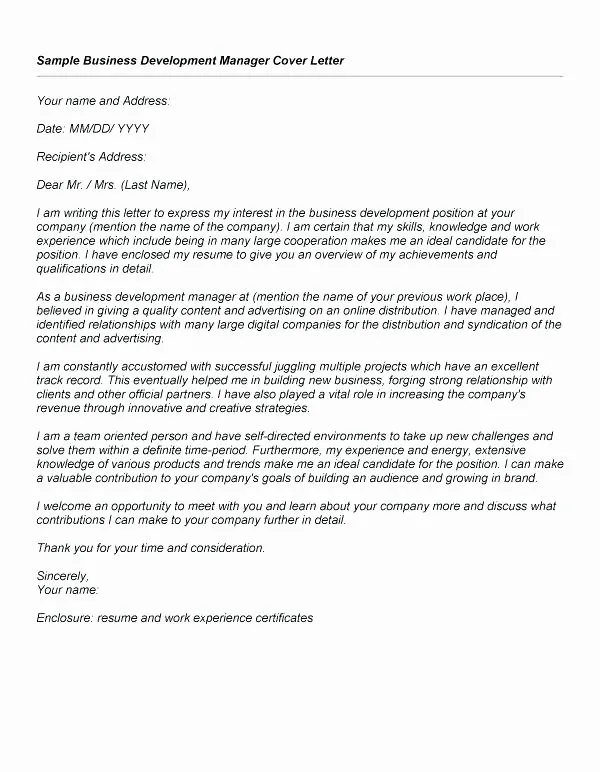
What is an Excellent Cover Letter
An excellent cover letter is more than just a formality; it’s a powerful tool that can significantly enhance your job application. It serves as your first personal introduction to a potential employer, providing an opportunity to showcase your personality, skills, and enthusiasm for the role. A well-crafted cover letter complements your resume, offering a narrative that highlights your qualifications and explains why you’re the ideal candidate. Unlike a resume, which presents a factual overview of your experience, a cover letter allows you to tell your story, demonstrating how your skills and experiences align with the specific requirements of the job. It’s your chance to make a strong first impression and compel the hiring manager to delve deeper into your application.
Why Cover Letters Matter
In today’s competitive job market, cover letters play a crucial role in setting you apart from other applicants. Many hiring managers consider a cover letter essential, as it reveals your writing skills, attention to detail, and genuine interest in the position. They provide context to your resume, helping employers understand your career goals and how your past experiences have prepared you for this specific opportunity. A cover letter is an opportunity to address the company’s specific needs and demonstrate how you can contribute to their success. It allows you to personalize your application, showing that you’ve taken the time to understand the company and the role, rather than sending a generic application.
Impact of a Great Cover Letter
A great cover letter significantly increases your chances of getting an interview. It grabs the reader’s attention, compelling them to learn more about you. By showcasing your skills and accomplishments in a compelling and concise manner, you can demonstrate your value to the company. The impact of a well-written cover letter goes beyond securing an interview; it can influence the hiring manager’s perception of your potential. It shows your proactive approach and ability to communicate effectively, which are critical skills in any professional setting. A well-structured cover letter can also help you overcome perceived weaknesses in your resume, such as a gap in employment or a lack of direct experience, by focusing on your transferable skills and enthusiasm.
Cover Letter Example 1 The Experienced Professional
This type of cover letter is perfect for professionals with a significant amount of experience in their field. It should highlight your key accomplishments and demonstrate how you’ve contributed to previous companies. Focus on quantifiable achievements that demonstrate your value and impact. This example showcases a candidate with a proven track record, ready to take on a leadership role or a more senior position. Tailor the letter to the specific job description, emphasizing the skills and experience that align with the company’s requirements. The aim is to show the hiring manager that you have the expertise needed to immediately contribute to the organization’s success.
Key Elements in this Example
The key elements of an experienced professional’s cover letter include a clear articulation of their career trajectory, highlighting significant projects and leadership roles. It showcases a deep understanding of the industry and the ability to drive results. The letter should demonstrate how the candidate’s skills align with the company’s goals. The tone should be confident and assertive, reflecting the candidate’s expertise and value.
Highlighting Relevant Skills

Emphasize the specific skills that are most relevant to the job description. These might include project management, team leadership, strategic planning, or industry-specific expertise. Provide concrete examples of how you have utilized these skills in the past and what results you achieved. Use keywords from the job posting to ensure that your skills are easily recognizable to the hiring manager and align with what the company is seeking. This ensures you are speaking their language and directly addressing their needs.
Quantifying Achievements
Quantify your achievements whenever possible. Instead of saying, “Managed a team,” state, “Led a team of 15, increasing productivity by 20%.” This approach provides tangible evidence of your impact and demonstrates your ability to deliver results. Use numbers, percentages, and specific data to illustrate your successes. This creates a compelling narrative that showcases your value to potential employers. These figures make your accomplishments more credible and memorable.
Cover Letter Example 2 Recent Graduate
For recent graduates, the cover letter is an opportunity to emphasize their education, skills, and any relevant experience, such as internships or volunteer work. Since direct work experience might be limited, the focus shifts to transferable skills, academic achievements, and the candidate’s eagerness to learn and contribute. The letter should express a strong interest in the company and the position, as well as a willingness to grow within the organization. This example showcases a candidate with potential, ready to embark on their professional journey.
Focus on Education and Skills

Highlight your educational background, including your degree, major, and any relevant coursework or projects. Showcase the skills you gained through your studies, such as problem-solving, critical thinking, and communication. Mention any honors, awards, or academic achievements that demonstrate your dedication and ability. Tailor your description to match the job requirements. This demonstrates that you possess the foundational knowledge and skills necessary to excel in the role.
Showcasing Internship Experience
If you have internship experience, use the cover letter to elaborate on your responsibilities and accomplishments. Describe what you learned and the contributions you made to the company. Quantify your achievements whenever possible, such as the number of projects completed or the impact of your work. Highlight any skills you developed during your internship that are relevant to the job you are applying for. Emphasize the practical skills gained and how they relate to the job requirements.
Expressing Enthusiasm
Express your enthusiasm for the role and the company. Explain why you are interested in the position and what you hope to achieve. Show that you have researched the company and understand its mission and values. Tailor your enthusiasm to the specific job and the company’s needs. A genuine expression of excitement can make a strong impression on hiring managers. This demonstrates that you are not just looking for a job, but a career opportunity.
Cover Letter Example 3 Career Changer

This cover letter is designed for individuals seeking a career change. It focuses on highlighting transferable skills and explaining how past experiences are relevant to the new field. The letter should address the career shift proactively, demonstrating a clear understanding of the new industry and the candidate’s commitment to making the transition. The goal is to show that the candidate’s skills and experience, though perhaps from a different field, are still valuable and applicable to the new role. This example showcases adaptability and a proactive approach to career development.
Transferable Skills
Identify the skills you’ve developed in your previous roles that are applicable to the new career. These might include communication, problem-solving, leadership, or project management. Provide examples of how you’ve used these skills in the past and the results you achieved. Use the language of the new industry to showcase the relevance of your skills. This helps bridge the gap between your previous experiences and the requirements of the new role.
Addressing the Career Shift
Clearly explain why you are making a career change and what motivates your decision. Show that you have researched the new industry and understand the requirements of the role. Discuss any steps you have taken to prepare for the transition, such as courses, certifications, or networking. Be positive and enthusiastic about your new career path and your ability to learn and adapt. This demonstrates a genuine interest in the position.
Highlighting Relevant Experience

Focus on the parts of your previous experience that are most relevant to the new role. Even if your experience is not directly related, look for areas where your skills align with the job requirements. Provide examples of how you’ve successfully applied these skills in the past. Highlight any projects or accomplishments that demonstrate your ability to excel in the new field. This helps to establish credibility and demonstrates your potential.
Cover Letter Example 4 The Tech Savvy Applicant
This example is suitable for tech professionals. It needs to showcase technical skills, projects, and problem-solving abilities. Tailor the letter to the specific technology and the role. Emphasize your familiarity with relevant software, tools, and programming languages. This type of cover letter must impress with your technical prowess.
Technical Skills Showcase
Detail your proficiency in relevant technologies and tools. Mention programming languages, software, and platforms you are familiar with. Include any certifications or training that demonstrates your expertise. Highlight specific projects where you have used these skills, and the outcomes achieved. Use technical terms to show your knowledge of the industry. This confirms your suitability for the role and builds credibility.
Project Examples

Provide examples of projects where you have applied your technical skills. Describe the scope of the project, your role, and the technologies used. Highlight any challenges you overcame and the results you achieved. Include links to your portfolio, GitHub, or other relevant online resources. Quantify your achievements whenever possible, such as the performance improvements or the number of users. Demonstrates your abilities and the impact of your work.
Problem Solving
Showcase your problem-solving skills by describing how you’ve approached and solved technical challenges. Explain your methodology, tools, and the results. Include specific examples of debugging, troubleshooting, and implementing solutions. Highlight your ability to think critically and find innovative solutions. This demonstrates your capacity to contribute to the company’s technical success.
Cover Letter Example 5 The Creative Professional
This cover letter is perfect for creative professionals such as designers, writers, or artists. The letter should showcase your creative abilities, portfolio, and unique style. It’s an opportunity to impress with your creativity from the outset. Use strong visuals and language to convey your creativity and passion. This example emphasizes your artistic flair and vision.
Showcasing Creativity
Use creative language and formatting to demonstrate your creative abilities. Tailor the cover letter to the specific role, showcasing your understanding of the company’s brand and style. Highlight your unique perspective and creative process. Include examples of your work that showcase your creativity and design sense. This demonstrates your artistic vision and the impact of your work.
Portfolio Mention
Include a link to your online portfolio or provide specific examples of your work. Highlight the projects most relevant to the job requirements. Describe your role in each project and the creative process. Showcase your ability to create high-quality, impactful work. The portfolio demonstrates your skill and ability to create exceptional designs.
Design and Layout
Pay attention to the design and layout of your cover letter. Use a visually appealing format that showcases your design skills. Choose a font and style that reflects your brand and the company’s image. Ensure the letter is easy to read and visually engaging. This demonstrates your eye for detail and ability to create a polished presentation.
Cover Letter Example 6 The Sales Superstar
This is for sales professionals. Focus on achievements, results-driven language, and confidence. The cover letter is all about demonstrating your ability to drive revenue and exceed targets. Use persuasive language and quantify your successes. This example focuses on your sales prowess and persuasive skills.
Focusing on Achievements
Highlight your sales achievements and how you’ve exceeded targets. Provide specific examples of sales figures, revenue generated, and deals closed. Quantify your achievements using numbers, percentages, and other metrics. Show how you have consistently delivered outstanding results. This creates a compelling case for your sales abilities.
Results-Driven Language
Use results-driven language and action verbs to describe your accomplishments. Focus on what you achieved rather than your responsibilities. Use strong, persuasive language that highlights your skills and experience. Showcase how you can drive sales and contribute to the company’s success. This demonstrates that you’re a results-oriented professional.
Closing with Confidence
Close your cover letter with a confident and enthusiastic call to action. Express your interest in the role and your eagerness to contribute to the company. Thank the hiring manager for their time and consideration. Include your contact information and a clear invitation to contact you. This creates a lasting positive impression.
Cover Letter Example 7 The Leadership Applicant
This cover letter is for those applying for leadership positions. It should emphasize your experience, team management skills, and vision. Showcase your ability to lead, motivate, and inspire. Use leadership language to convey your management skills. This example demonstrates your leadership ability and strategic approach.
Leadership Experience
Detail your experience in leadership roles, highlighting your responsibilities and accomplishments. Describe your leadership style and how you motivate and inspire your team. Showcase your ability to make strategic decisions and drive results. Quantify your achievements whenever possible. This builds credibility and illustrates your potential to succeed.
Team Management Skills
Highlight your ability to manage and develop teams. Discuss your experience in hiring, training, and mentoring employees. Showcase your ability to foster a positive and productive work environment. Provide examples of how you have improved team performance and achieved results. This demonstrates your capacity to create and manage successful teams.
Vision for the Future
Articulate your vision for the future and how you plan to contribute to the company’s success. Outline your goals and strategies for the role. Demonstrate your understanding of the company’s mission and values. Show that you are a forward-thinking leader with the ability to drive innovation and growth. This establishes your readiness to lead.
Key Takeaways from the Examples
The key takeaways from these examples include tailoring the cover letter to the specific job and company. Highlighting relevant skills and quantifying achievements are essential. Expressing enthusiasm and a clear understanding of the role makes an impact. Proper formatting and avoiding mistakes add to a professional presentation. Creating a standout cover letter requires these essential elements to impress a hiring manager and increase your chances of getting the job.
Common Mistakes to Avoid
Avoid generic cover letters that are not tailored to the specific job. Do not repeat your resume; instead, provide context and expand on your experience. Refrain from using jargon or clichés that may seem insincere. Avoid spelling and grammatical errors; proofread carefully. Do not use a negative tone or complain about previous employers. Proofread and edit the letter before submitting it, to ensure it is error-free. These errors can undermine your application.
Formatting Tips
Use a professional and easy-to-read font such as Arial, Calibri, or Times New Roman. Maintain consistent formatting throughout the cover letter. Use clear headings and subheadings to organize your content. Keep the letter concise, ideally within one page. Make sure to format your cover letter correctly for maximum impact. A well-formatted cover letter makes it easy for the hiring manager to read.
Proofreading and Editing
Proofread your cover letter carefully for any spelling or grammatical errors. Have a friend or colleague review your cover letter to catch any mistakes you may have missed. Ensure your contact information is accurate and up-to-date. Check the letter’s formatting to ensure it aligns with the job posting requirements. A well-proofread cover letter demonstrates attention to detail and professionalism.